Tag: Animal Kingdom

  • Unusual Families in the Wild: Animals That End Up Raising Someone Else’s Young

    Unusual Families in the Wild: Animals That End Up Raising Someone Else’s Young

    Image
    Image
    Image
    Image

    Unusual Families in the Wild: Animals That End Up Raising Someone Else’s Young

    Category

    Wildlife & Nature

    Introduction: When Nature Breaks Its Own Rules

    In the animal kingdom, parenthood is usually a straightforward affair. Mothers and fathers invest enormous effort into raising offspring that carry their genes, ensuring the survival of their family line. This basic principle is one of the foundations of evolution.

    Yet nature is rarely as simple as the textbooks suggest.

    Across the globe, scientists, wildlife photographers, and animal rescuers have documented astonishing cases in which animals raise babies that are not their own. Sometimes the adopted youngster belongs to the same species. In other situations, the foster child comes from an entirely different branch of the animal kingdom.

    These strange relationships challenge traditional ideas about animal behavior. Why would a fox care for an unrelated cub? Why would a cat protect ducklings? Why would a penguin devote energy to feeding a chick that does not belong to it?

    The answers reveal a fascinating world where instinct, circumstance, and social behavior combine to create some of nature’s most unexpected families.


    The Lost and the Found

    Life in the wild is dangerous, especially for newborn animals.

    Storms, predators, accidents, disease, and environmental changes can leave young animals orphaned within days of birth. Under normal circumstances, these youngsters face extremely low chances of survival.

    Occasionally, however, another adult steps into the role of caregiver.

    This substitute parent may provide food, warmth, protection, and guidance. While such arrangements are not common, they occur often enough to attract the attention of researchers.

    In many cases, the foster parent gains no obvious benefit from helping. Yet the behavior persists across numerous species, suggesting that nature’s parenting instincts can be remarkably flexible.


    The Cat That Thought Ducklings Were Kittens

    Domestic cats have produced some of the most surprising adoption stories ever recorded.

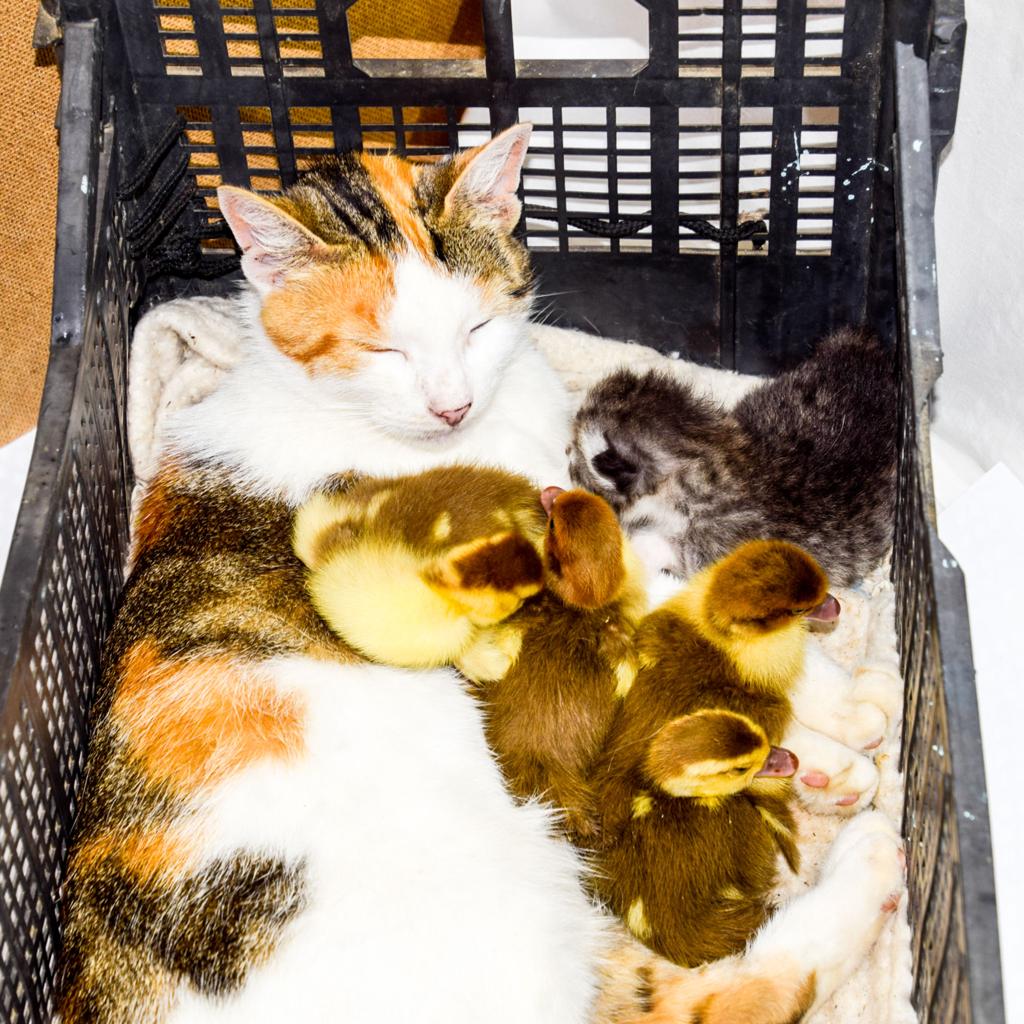
    Animal shelters and farms frequently report cases of mother cats caring for ducklings, chicks, rabbits, and squirrels. The adopted babies sleep alongside kittens, receive grooming, and remain under the cat’s protection.

    To human observers, the situation appears unusual because cats are natural predators of small birds and rodents.

    Scientists believe maternal hormones help explain this contradiction. During motherhood, the drive to nurture can become so strong that vulnerable young animals trigger protective responses instead of hunting behavior.

    The result is a family that seems to ignore the normal rules of predator and prey.


    Foster Parenting Among Sea Lions

    Marine mammals are known for complex social behavior, and sea lions provide an intriguing example.

    Researchers studying colonies have observed females nursing pups that were not genetically related to them. In crowded environments where mothers and offspring gather in large numbers, mix-ups can occur.

    Some orphaned pups have survived because unrelated females allowed them to feed alongside their own young.

    While not every sea lion accepts an unrelated pup, these cases demonstrate that caregiving can sometimes extend beyond biological family connections.

    For vulnerable youngsters, such acceptance can mean the difference between life and death.


    The Curious Friendship Between Baboons and Kittens

    Wildlife photographers occasionally capture images that seem almost impossible.

    One of the most remarkable involves baboons interacting gently with kittens or puppies.

    Although not true adoption in every case, some baboons have been observed carrying, grooming, and protecting young domestic animals. Researchers continue studying these interactions to understand their cause.

    Possible explanations include curiosity, social bonding, and nurturing instincts triggered by infant behavior.

    Regardless of the reason, the sight of a powerful primate caring for a tiny kitten remains one of nature’s most unexpected scenes.

    Image
    Image
    Image
    Image
    Image
    Image

    Why Baby Animals Look So Similar

    One reason foster parenting occurs may be surprisingly simple.

    Many baby animals share common physical features:

    • Large eyes
    • Rounded heads
    • Soft facial features
    • Small body size
    • High-pitched sounds

    These characteristics communicate vulnerability.

    Scientists refer to this collection of traits as infantile features, and they appear designed to attract adult attention.

    Because these signals are similar across many species, adults sometimes respond to unrelated youngsters in much the same way they would respond to their own offspring.

    This biological shortcut helps explain why cross-species adoption occasionally occurs.


    Penguins and Their Persistent Parenting Instincts

    Penguins are among the most dedicated parents in the bird world.

    Raising a chick in harsh polar conditions requires tremendous effort. Adults spend weeks protecting eggs, searching for food, and defending young from predators.

    Yet despite these challenges, some penguins care for unrelated chicks.

    Researchers have observed adults attempting to feed orphaned youngsters or adopting chicks after losing their own offspring.

    The behavior demonstrates the strength of parental instincts. Even when a biological connection is absent, the urge to nurture can remain active.


    Foxes That Accept Extra Cubs

    Foxes are generally known as attentive parents, but occasionally their family groups become larger than expected.

    Wildlife biologists have documented cases where female foxes care for cubs that are not their own. Some of these youngsters may have become separated from neighboring dens.

    Because young cubs require constant attention, adoption carries significant costs.

    Nevertheless, the behavior occasionally occurs, adding another example to nature’s growing list of foster families.


    Elephant Calves and Community Protection

    Few species demonstrate cooperative childcare better than elephants.

    Within an elephant herd, calves are surrounded by a network of caregivers. Aunts, sisters, and unrelated females often participate in supervision and protection.

    This support system becomes particularly important when a calf loses its mother.

    Other females frequently help the orphan remain integrated into the herd, reducing the risk of isolation.

    Such cooperation highlights the importance of social bonds in elephant society and provides one of the clearest examples of shared parenting in the wild.


    Birds That Raise Impostors

    Not every foster family forms voluntarily.

    Certain birds have evolved a strategy known as brood parasitism. Species such as cuckoos place their eggs inside the nests of other birds.

    The unsuspecting hosts incubate the eggs and later feed the chicks.

    In many cases, the foster chick grows much larger than the adults caring for it. Despite this obvious difference, the foster parents continue responding to its calls for food.

    This extraordinary deception demonstrates just how powerful parental instincts can be.

    Image
    Image
    Image
    Image
    Image

    The Balance Between Instinct and Choice

    Scientists continue debating how much of foster parenting results from instinct and how much stems from more complex social behavior.

    Hormones clearly play an important role. During periods of motherhood, animals become highly sensitive to signals from young offspring.

    However, social species often display additional flexibility. They form bonds, recognize group members, and cooperate in ways that cannot always be explained by simple instinct alone.

    The truth likely lies somewhere in between.

    Parenting behavior appears to emerge from a combination of biology, environment, and social experience.


    What Foster Families Teach Us About Nature

    Stories of animal adoption are more than charming curiosities.

    They reveal that nature is not governed solely by competition. Cooperation also plays a crucial role in survival.

    By studying foster parenting, researchers gain insight into the evolution of social behavior, communication, and caregiving. These observations help scientists understand how animal societies function and why cooperation can be beneficial.

    Most importantly, they remind us that the natural world is often far more complex than it appears.


    Conclusion

    From cats raising ducklings to sea lions nursing unrelated pups and elephants helping orphaned calves, examples of animals caring for young that are not their own can be found throughout the animal kingdom.

    Some cases arise from powerful maternal instincts. Others result from social cooperation, environmental circumstances, or simple chance. A few remain scientific mysteries.

    Together, these unusual families reveal a remarkable truth: parenting in nature is not always limited by genetics. Sometimes the need to protect and nurture extends beyond bloodlines, creating extraordinary relationships that continue to fascinate researchers and animal lovers alike.

    In a world often defined by survival and competition, these foster families show another side of nature—one built on care, tolerance, and unexpected connections.
  • Nature’s Foster Families: Strange Animals That Raise Babies They Didn’t Have

    Nature’s Foster Families: Strange Animals That Raise Babies They Didn’t Have

    Image
    Image
    Image
    Image
    Image
    Image

    Nature’s Foster Families: Astonishing Cases of Animals Raising the Wrong Babies

    Category

    Wildlife & Animal Behavior

    Introduction: A Puzzle Hidden in Plain Sight

    Walk through a wildlife reserve, a farm, or even an animal rescue center, and you may occasionally witness something that seems impossible.

    A mother cat cuddles a baby duck.

    A monkey carries a puppy on its back.

    A dog nurses a rabbit alongside her own puppies.

    At first glance, these scenes look like charming accidents. Yet scientists have discovered that such unusual relationships occur far more often than many people realize.

    In the world of biology, parenting is supposed to be straightforward. Adults invest resources in their own offspring because doing so helps pass their genes to future generations. But nature has never been entirely predictable.

    Across the animal kingdom, there are countless examples of creatures caring for young that do not belong to them. Some of these foster families last only days. Others continue for months or even years.

    These strange cases challenge traditional ideas about survival and reveal a surprisingly nurturing side of the natural world.


    The Daycare Effect in Animal Communities

    Many people imagine animal parenting as a private responsibility. In reality, some species treat childcare as a community project.

    Certain mammals, birds, and even insects rely on groups rather than individuals to raise young. In these societies, offspring may receive care from multiple adults throughout their development.

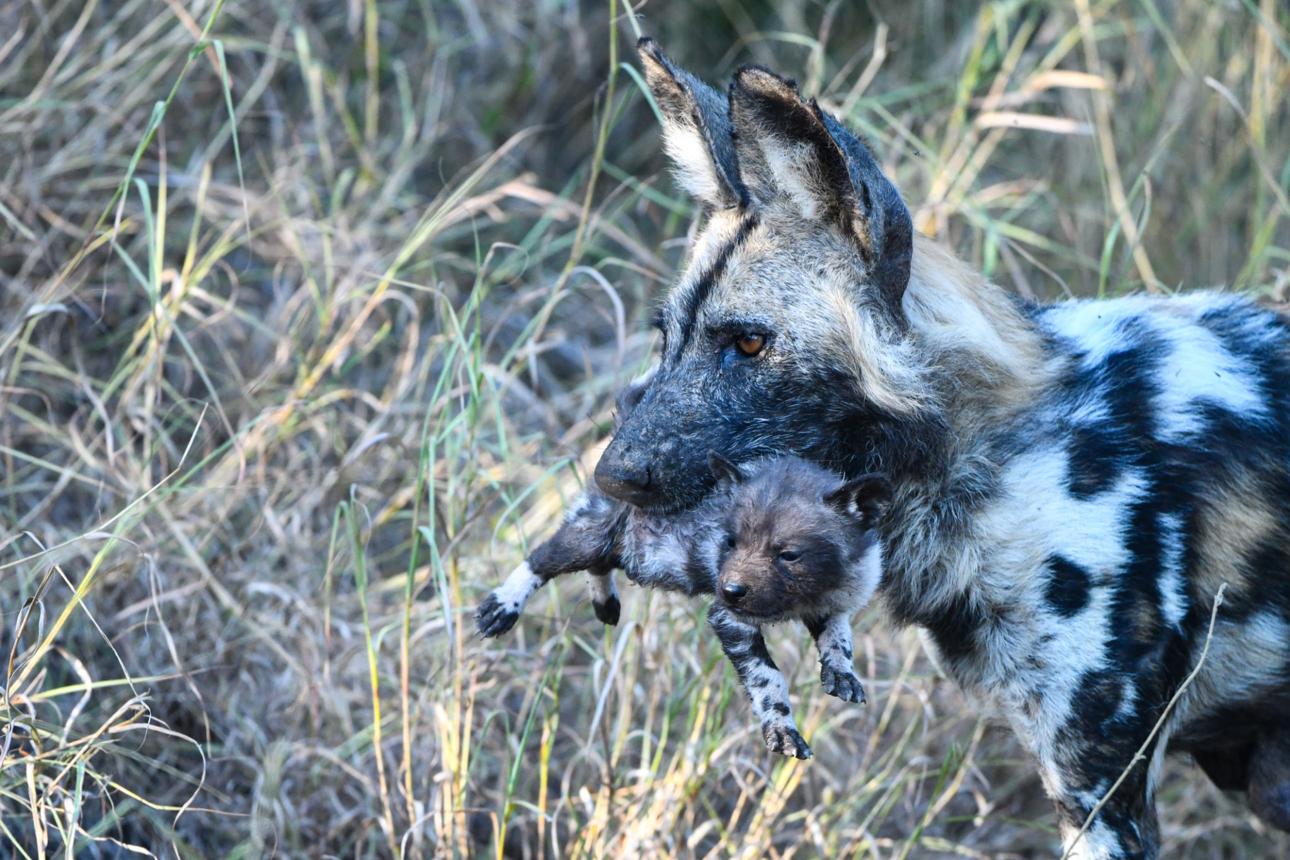
    For example, meerkat pups often benefit from older siblings that help provide food and protection. African wild dogs also depend on pack cooperation when raising puppies.

    Because caregiving is shared, youngsters sometimes receive attention from adults with no direct biological connection to them.

    This communal approach creates an environment where foster parenting becomes much more likely.


    The Monkey and the Puppy Mystery

    Few wildlife photographs have captured public imagination more than images of monkeys carrying abandoned puppies.

    In several regions of Asia, macaques have repeatedly been observed adopting stray dogs. These monkeys groom the puppies, protect them from danger, and allow them to travel with the troop.

    Researchers continue to debate exactly why this happens.

    One possibility is that puppies trigger nurturing instincts because they resemble infant monkeys in certain ways. Their helplessness, vocalizations, and need for protection may activate caregiving behaviors.

    Another theory suggests that some monkeys simply form social attachments with vulnerable young animals.

    Regardless of the explanation, these unlikely friendships remain among the most fascinating examples of cross-species adoption.


    Unexpected Mothers on the Farm

    Farm environments often produce remarkable stories of animal adoption.

    Farmers have reported hens caring for kittens, dogs raising piglets, and cats adopting ducklings. Because domestic animals live in close proximity, opportunities for unusual relationships occur more frequently.

    One particularly interesting pattern involves mother dogs.

    Dogs possess powerful maternal instincts and often accept orphaned babies from entirely different species. Rescue organizations have successfully used nursing dogs to help save rabbits, kittens, fox cubs, and other newborn animals.

    The foster mother frequently treats these youngsters exactly as she would her own litter.

    To the dog, their species appears less important than their vulnerability.


    When Predators Refuse to Be Predators

    Perhaps the strangest foster-parent stories involve carnivores.

    Predators are expected to hunt smaller animals, not care for them. Yet wildlife researchers occasionally observe behavior that contradicts this expectation.

    There have been rare cases in which lionesses tolerated antelope calves and cheetahs appeared curious or protective toward young prey animals.

    These events usually do not last long, but they raise fascinating questions about animal behavior.

    Scientists believe maternal hormones may temporarily suppress hunting instincts in some situations. The presence of a vulnerable youngster can activate nurturing responses that compete with predatory drives.

    Such moments remind us that behavior is often more flexible than instinct alone would suggest.

    Image
    Image
    Image
    Image

    Penguins and the Problem of Lost Chicks

    Penguin colonies are among the busiest parenting environments on Earth.

    Thousands of adults and chicks gather in crowded spaces where confusion is common. Young birds occasionally become separated from their biological parents and wander into neighboring groups.

    Surprisingly, some adults respond by feeding and protecting these unrelated chicks.

    Researchers have observed foster behavior in several penguin species, particularly when adults lose their own eggs or chicks.

    The urge to care for a youngster can remain so strong that an unrelated chick becomes a substitute recipient of parental attention.

    This demonstrates how caregiving instincts can persist even when family ties are absent.


    Ocean Giants That Share Parenting Duties

    The ocean contains some of nature’s most complex social networks.

    Whales and dolphins often live in close-knit groups where cooperation plays a crucial role in survival.

    Female dolphins sometimes assist mothers during birth and help monitor young calves afterward. In certain cases, orphaned youngsters receive support from adults that are not their biological parents.

    Among whales, social bonds can extend beyond immediate family members. Cooperative behavior increases protection and improves survival in challenging environments.

    These examples suggest that foster care is not limited to land animals but appears throughout the natural world.


    Birds That Raise the Wrong Chicks

    Some of the strangest parenting arrangements involve deception.

    Brood-parasitic birds such as cuckoos and cowbirds avoid parental responsibilities by placing their eggs in the nests of other species.

    The unsuspecting foster parents incubate the eggs and feed the chicks after they hatch.

    Remarkably, the adopted chick often grows much larger than its caregivers.

    Despite obvious differences, the foster parents continue delivering food because the chick’s begging behavior triggers instinctive feeding responses.

    This strategy has evolved so successfully that it occurs in bird populations around the world.


    The Science of Baby Faces

    Why are animals willing to care for unrelated youngsters at all?

    Part of the answer may lie in appearance.

    Many baby animals share features that naturally attract adult attention:

    • Large eyes
    • Rounded heads
    • Small noses
    • Soft vocalizations
    • Clumsy movements

    These characteristics signal youth and vulnerability.

    Scientists believe such traits stimulate caregiving instincts across many species. In some cases, these responses become so powerful that adults overlook differences in species, scent, or appearance.

    The result can be an unexpected foster family.


    Adoption Among Bears

    Although bears are usually solitary animals, adoption has occasionally been documented in wild populations.

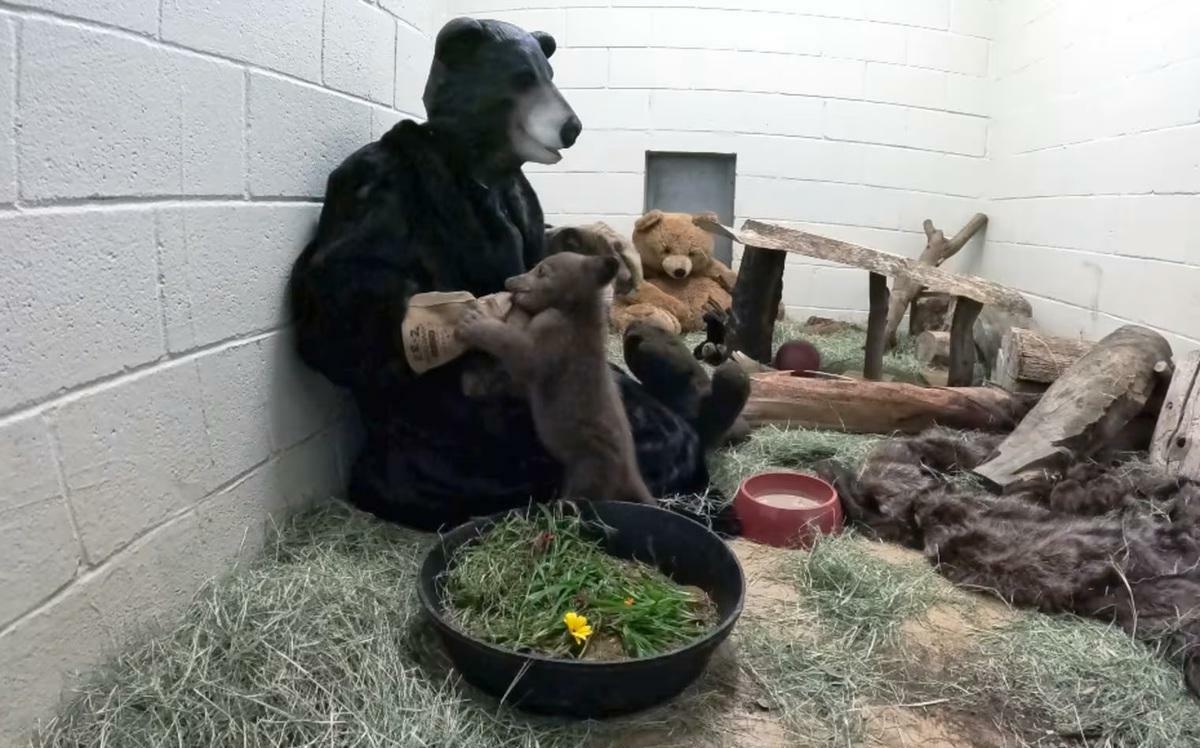
    Researchers studying black bears have recorded females caring for cubs that genetic testing later revealed were unrelated.

    How these adoptions occur remains uncertain. Some may result from cubs becoming separated from their mothers. Others may arise when females tolerate additional youngsters within their family group.

    While rare, these examples show that foster parenting can emerge even in species not known for extensive social cooperation.

    Image
    Image
    Image
    Image
    Image

    More Than Instinct

    For decades, scientists attempted to explain all animal behavior through instinct alone.

    Modern research paints a more complicated picture.

    Many animals form friendships, maintain long-term social relationships, and display behaviors that appear compassionate. While researchers remain cautious about attributing human emotions to wildlife, evidence increasingly suggests that social awareness plays an important role in animal life.

    Caring for unrelated young may sometimes arise from instinct, but social bonds and environmental factors also contribute.

    Nature is rarely governed by a single rule.


    Why These Stories Matter

    Stories of foster parenting do more than entertain.

    They help scientists understand how social behavior evolves. They reveal the flexibility of animal instincts. They also challenge assumptions about competition in the natural world.

    By studying unusual families, researchers gain valuable insight into cooperation, communication, and survival strategies.

    These observations remind us that life in the wild is not simply a struggle for dominance.

    It is also a story of connection.


    Conclusion

    From monkeys adopting puppies to penguins feeding unrelated chicks, examples of animals raising children that are not their own appear across nearly every corner of the natural world. Some relationships result from confusion, others from social cooperation, and some remain scientific mysteries.

    What unites all these stories is their ability to challenge expectations. They show that caregiving is not always limited by bloodlines and that the bonds formed between animals can be surprisingly flexible.

    Nature’s foster families reveal a world where protection, tolerance, and cooperation sometimes overcome the boundaries of species and genetics. In those rare moments, the animal kingdom reminds us that family can be defined by care as much as by birth.

  • Borrowed Babies: The Remarkable World of Animals That Become Parents by Chance

    Borrowed Babies: The Remarkable World of Animals That Become Parents by Chance

    Image
    Image
    Image
    Image
    Image
    Image

    Borrowed Babies: The Remarkable World of Animals That Become Parents by Chance

    Category

    Wildlife & Animal Behavior

    Introduction

    The natural world is often portrayed as a place where every creature fights for survival. Food is scarce, dangers are everywhere, and animals must constantly compete to pass on their genes. Because of this, scientists long believed that parental care was primarily a biological investment directed toward an animal’s own offspring.

    Yet nature has a habit of ignoring expectations.

    Across forests, oceans, grasslands, and even city parks, animals have been observed raising young that share none of their DNA. Some become foster parents to orphaned members of their own species. Others take in babies belonging to completely different animals. In rare cases, predators have even protected creatures they would normally hunt.

    These surprising relationships reveal that animal behavior is far more flexible than many people imagine. Whether driven by instinct, social bonds, hormones, or circumstances, foster parenting appears throughout the animal kingdom in fascinating ways.

    This is the story of nature’s borrowed babies.


    When Parenthood Starts with a Mistake

    Not every adoption begins with compassion.

    Sometimes an animal simply mistakes another youngster for its own. In crowded colonies or large social groups, babies can become separated from their parents. If another adult responds to their cries, an unexpected foster relationship may begin.

    For example, seals living in dense breeding colonies occasionally nurse pups that belong to neighboring mothers. Scientists believe confusion and close proximity make such mix-ups possible.

    What starts as a simple mistake can sometimes develop into a lasting bond, giving an unrelated youngster a better chance of survival.


    The Monkey That Chose a Puppy

    Among the most unusual examples documented by wildlife photographers are monkeys that adopt stray puppies.

    In several Asian communities, macaques have been seen carrying puppies, grooming them, and protecting them from danger. The puppies often follow their adoptive monkey parents throughout the day and become integrated into the group’s activities.

    Researchers suspect that puppies trigger caregiving instincts because they display many of the same characteristics as infant monkeys. Their helplessness, vocalizations, and need for protection may encourage nurturing behavior.

    The sight of a monkey carrying a puppy through a crowded village remains one of the most heartwarming examples of cross-species care ever recorded.


    A Home for the Lost

    In some species, communities share the responsibility of raising young.

    Elephants provide a remarkable example. Within elephant herds, females known as “allomothers” help care for calves that are not their own. These helpers may babysit, defend, guide, and even comfort young elephants.

    When a calf loses its mother, other members of the herd frequently step in to provide support.

    This collective approach to parenting ensures that vulnerable calves remain protected even during difficult circumstances.

    Rather than relying on a single parent, the entire family contributes to the youngster’s development.


    Cats and Their Unexpected Foster Families

    Domestic cats have surprised animal rescuers countless times.

    Stories have emerged of mother cats adopting baby rabbits, squirrels, ducklings, and even small puppies. Once the maternal bond forms, the cat often treats the newcomers exactly like her own kittens.

    The adopted babies receive warmth, grooming, and protection while sharing sleeping spaces with their foster siblings.

    For predators that normally hunt small animals, this behavior appears contradictory. Yet during motherhood, nurturing instincts can sometimes outweigh hunting tendencies.

    The result is an unusual family that seems to ignore the normal rules of nature.

    Image
    Image
    Image
    Image
    Image

    The Bird That Tricks Others into Parenting

    While many foster relationships develop accidentally, some species intentionally exploit the parenting instincts of others.

    Brood parasites such as cuckoos and cowbirds lay their eggs in the nests of unrelated birds. The unsuspecting foster parents incubate the eggs and raise the chicks after they hatch.

    These adoptive parents often devote enormous effort to feeding a youngster that is not their own.

    In some cases, the foster chick grows much larger than the birds caring for it.

    This unusual strategy allows the biological parents to avoid the responsibilities of childcare entirely.


    Ocean Orphans and Marine Adoption

    The sea contains its own examples of unusual parenting.

    Researchers studying whales and dolphins have documented cases in which females care for calves that are not biologically related to them.

    In social marine species, cooperation can significantly improve survival. Orphaned calves face enormous challenges, making assistance from another adult especially valuable.

    Some dolphins have been observed escorting vulnerable young animals through dangerous waters and protecting them from threats.

    Although these relationships are difficult to study in the wild, they reveal that foster care exists even beneath the ocean’s surface.


    Why Predators Sometimes Become Protectors

    Perhaps the most puzzling examples involve predators caring for potential prey.

    Wildlife observers have occasionally witnessed cheetahs, lions, and other carnivores displaying protective behavior toward young herbivores.

    Scientists believe several factors may contribute:

    • Strong maternal hormones
    • Temporary suppression of hunting instincts
    • Attraction to infant features
    • Confusion caused by unusual circumstances

    Although such relationships rarely become permanent, they provide dramatic evidence that animal behavior is not always predictable.

    For a brief moment, the predator’s role changes from hunter to guardian.


    Foster Parenting Among Birds

    Birds provide some of the most widespread examples of caring for unrelated offspring.

    In crowded nesting colonies, chicks sometimes wander into neighboring territories. Surprisingly, foster parents may continue feeding them despite the extra cost.

    Penguins are particularly famous for this behavior. Adults occasionally care for orphaned chicks or attempt to adopt youngsters after losing their own eggs.

    These actions demonstrate the incredible strength of parental instincts.

    Even when biological connections are absent, the urge to nurture can remain powerful.


    The Science Behind Shared Parenting

    Biologists use the term “alloparenting” to describe caregiving provided by individuals other than biological parents.

    This behavior appears in dozens of animal groups, including:

    • Primates
    • Elephants
    • Birds
    • Dolphins
    • Wolves
    • Rodents

    Alloparenting can offer several advantages.

    Young helpers gain parenting experience. Social bonds become stronger. Vulnerable offspring receive additional protection.

    In some species, raising young is simply too demanding for one individual alone.

    Sharing responsibilities improves survival for the entire group.

    Image
    Image
    Image
    Image
    Image

    What Animal Adoptions Teach Us

    Stories of animal adoption challenge simplistic views of wildlife.

    Nature is not exclusively about competition and aggression. Cooperation also plays a crucial role.

    Animals often display behaviors that cannot be easily explained by immediate self-interest. While researchers avoid assigning human emotions to wildlife without evidence, many observations suggest animals possess complex social lives.

    The willingness to care for vulnerable youngsters—regardless of biological relationship—demonstrates that survival sometimes depends on helping others.

    These relationships may emerge from instinct, but they often produce outcomes that appear remarkably compassionate.


    The Future of Research

    Scientists continue investigating how and why foster parenting develops across different species.

    New technologies, including GPS tracking and genetic testing, allow researchers to identify relationships that would have remained hidden in the past.

    As more discoveries emerge, researchers are finding that adoption and cooperative childcare may be more common than previously believed.

    Each new observation adds another piece to the puzzle of animal social behavior.


    Conclusion

    From monkeys carrying puppies to elephants protecting orphaned calves, examples of animals raising young that are not their own reveal a fascinating side of nature. These relationships challenge assumptions about survival, parenting, and social bonds.

    Whether caused by hormonal instincts, cooperative living, mistaken identity, or emotional attachment, foster parenting demonstrates the remarkable flexibility of animal behavior.

    The next time you think of wildlife as a world governed solely by competition, consider the borrowed babies of nature—youngsters who survived because an unexpected parent decided to care.

    In those rare and extraordinary moments, the boundaries of species, family, and instinct become far less rigid than we once imagined.