Tag: Fish

  • Strange Stories About Animals During Child Rearing: Nature’s Most Surprising Parents

    Strange Stories About Animals During Child Rearing: Nature’s Most Surprising Parents

    Strange Stories About Animals During Child Rearing: Nature’s Most Surprising Parents

    Image
    Image
    Image
    Image

    Strange Stories About Animals During Child Rearing: Nature’s Most Surprising Parents

    When people think of parenting, they usually imagine human families caring for children. However, the animal kingdom is filled with astonishing examples of mothers and fathers raising their young in ways that seem almost unbelievable. From fathers that carry babies on their backs to mothers that feed their offspring with specialized milk, nature has developed countless strategies to ensure survival.

    Scientists have spent decades studying animal parenting behaviors, and many discoveries reveal that animals can be remarkably devoted, intelligent, and even self-sacrificing when caring for their offspring. Some species protect their young with extraordinary courage, while others use bizarre methods that appear strange to human observers.

    Here are some of the most fascinating and unusual stories about animals during child rearing.


    1. Emperor Penguins: Fathers That Endure the Antarctic Winter

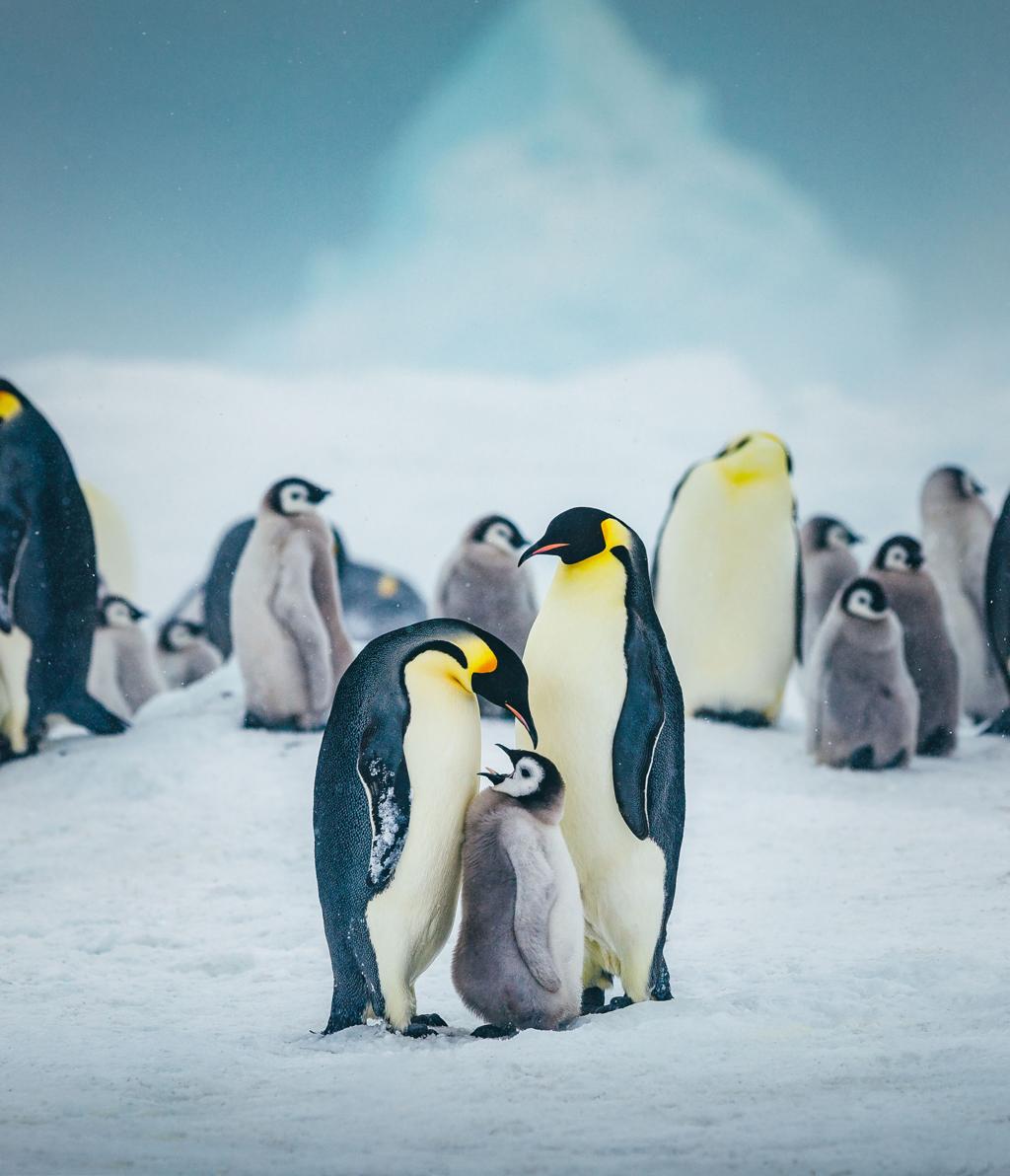
    Image 1: Emperor Penguin Father Protecting His Chick

    Alt Text: Emperor penguin father balancing a chick on his feet during a harsh Antarctic winter.

    Image
    Image
    Image
    Image
    Image
    Image
    Image

    One of the most extraordinary parenting stories belongs to the emperor penguin. After laying a single egg, the mother transfers it carefully to the father and then leaves for the ocean to feed.

    The father remains behind during one of the harshest winters on Earth. For more than two months, he balances the egg on his feet beneath a warm fold of skin called a brood pouch. During this time, temperatures can drop below -40°C (-40°F), and winds may exceed 160 kilometers per hour.

    The male penguin does not eat while protecting the egg. Instead, he survives on stored body fat, losing a significant portion of his weight. If the egg touches the ice for even a few minutes, the developing chick could die.

    This remarkable act of endurance makes emperor penguin fathers among the most dedicated parents in the animal kingdom.


    2. Crocodile Mothers Carry Babies in Their Mouths

    Image 2: Crocodile Mother Transporting Hatchlings

    Alt Text: Nile crocodile mother gently carrying newly hatched babies inside her mouth.

    Image
    Image
    Image
    Image
    Image

    Crocodiles may appear fierce and dangerous, but they display surprisingly gentle parenting behavior.

    After laying eggs in a nest, the mother guards them for months. When the babies are ready to hatch, they make chirping sounds from inside the eggs. Hearing these calls, the mother carefully digs open the nest.

    She then gathers the tiny hatchlings in her massive jaws and transports them to nearby water. Although her bite is powerful enough to crush bones, she handles her babies with incredible precision and care.

    Researchers have observed crocodile mothers protecting their offspring from predators for weeks after hatching. This unexpected tenderness contrasts sharply with their fearsome reputation.


    3. Poison Dart Frogs: Tiny Fathers With Big Responsibilities

    Image 3: Poison Dart Frog Carrying Tadpoles

    Alt Text: Colorful poison dart frog transporting tadpoles on its back through a rainforest.

    Image
    Image
    Image
    Image
    Image
    Image

    In the tropical rainforests of Central and South America, poison dart frogs demonstrate an unusual parenting strategy.

    After eggs hatch into tadpoles, the father carefully allows the young to climb onto his back. He then carries them one at a time through dense forest vegetation.

    The journey often leads to tiny pools of water collected inside plants. Each tadpole is deposited in its own miniature nursery to reduce competition.

    Some species go even further. The mother periodically visits these pools and lays unfertilized eggs for the tadpoles to eat. This specialized feeding behavior ensures that the developing young receive enough nutrients to survive.


    4. Sea Otters Never Let Their Babies Drift Away

    Image 4: Sea Otter Mother Holding a Pup

    Alt Text: Sea otter mother floating on her back while holding her baby pup.

    Image
    Image
    Image
    Image
    Image
    Image
    Image

    Sea otters spend much of their lives floating in coastal waters, and raising young in such an environment presents unique challenges.

    A sea otter mother is intensely devoted to her pup. She carries the baby on her chest, wraps it in kelp to keep it from drifting away, and spends countless hours grooming its fur.

    Young pups cannot immediately survive on their own. Their thick fur helps them float, but they depend entirely on their mothers for food and protection.

    Researchers have documented mothers sacrificing their own feeding opportunities to care for their offspring. Some remain almost constantly attentive for months, ensuring their pups learn critical survival skills.


    5. Elephants Mourn and Protect Their Calves

    Image 5: Elephant Family Protecting a Calf

    Alt Text: African elephant herd surrounding and protecting a young calf on the savanna.

    Image
    Image
    Image
    Image
    Image
    Image
    Image

    Elephants are among the most intelligent animals on Earth, and their parenting behaviors are equally impressive.

    A calf is not raised solely by its mother. Instead, female relatives known as “allomothers” assist with protection, guidance, and care. This cooperative system creates a supportive environment for young elephants.

    Calves remain dependent on adults for many years. During this period, they learn migration routes, social behaviors, and survival skills.

    Perhaps most touching is the emotional connection elephants appear to have with their offspring. Scientists have observed mothers staying near injured calves, helping them stand, and displaying signs of distress when a calf dies.

    These observations suggest a deep level of social and emotional investment rarely seen in the animal kingdom.


    6. Orangutans Have the Longest Childhoods After Humans

    Image 6: Orangutan Mother Teaching Her Infant

    Alt Text: Orangutan mother and infant sitting together in a tropical rainforest canopy.

    Image
    Image
    Image
    Image

    Orangutans are known for having one of the longest childhood periods of any animal.

    A young orangutan may remain with its mother for seven to eight years. During this time, the mother teaches essential skills such as finding food, building nests, identifying safe plants, and navigating the forest.

    The bond between mother and infant is extremely strong. Young orangutans spend years observing and copying their mother’s behavior.

    Because orangutans live in complex forest environments, this extended learning period is necessary for survival. Without their mother’s guidance, many would struggle to acquire the knowledge needed to thrive independently.


    7. Wolves Raise Puppies as a Team

    Image 7: Wolf Pack Caring for Young Pups

    Alt Text: Gray wolf pack gathered around young pups at a den entrance.

    Image
    Image
    Image
    Image
    Image
    Image
    Image

    Wolves demonstrate one of the most cooperative parenting systems among mammals.

    When puppies are born, the entire pack contributes to their care. Older siblings, aunts, uncles, and other pack members help guard, feed, and teach the young.

    Adult wolves often regurgitate food for growing pups and protect them from threats. This collective effort greatly increases the chances of survival.

    As puppies mature, they learn hunting techniques, communication skills, and social rules through interactions with multiple pack members.

    The wolf family structure highlights how cooperation can be just as important as individual parental care.


    Why Animal Parenting Matters

    Studying animal parenting behaviors helps scientists understand the evolution of family structures, social bonds, and survival strategies.

    Many species invest enormous amounts of time and energy into raising offspring because successful reproduction is essential for the continuation of the species. The methods they use may differ dramatically, but the goal remains the same: ensuring the next generation survives.

    Animal parenting also reminds us that complex caregiving behaviors are not unique to humans. Across forests, oceans, deserts, and polar regions, countless species display dedication, sacrifice, and cooperation when raising their young.

    Some carry babies on their backs. Others protect eggs through brutal winters. Some teach skills for years before allowing offspring to become independent.

    These remarkable stories reveal that the natural world is filled with parents willing to go to extraordinary lengths for their children.

    Conclusion

    The animal kingdom contains countless examples of strange, fascinating, and inspiring parenting behaviors. Emperor penguin fathers brave Antarctic storms, crocodile mothers gently transport hatchlings in their mouths, poison dart frogs act as dedicated chauffeurs, and sea otters keep their babies safe while floating in the ocean.

    Elephants nurture calves through family cooperation, orangutans spend years teaching life skills, and wolves rely on teamwork to raise healthy pups.

    Together, these stories demonstrate that parenting in nature is often far more complex and remarkable than many people realize. Whether through sacrifice, intelligence, protection, or cooperation, animals continue to surprise scientists with the extraordinary ways they care for the next generation.
  • 7 Strange Things That Can Happen to Marine Life

    7 Strange Things That Can Happen to Marine Life

    Marine life is filled with mysteries that often seem stranger than science fiction. Beneath the ocean’s surface, animals have evolved extraordinary adaptations that allow them to survive in one of Earth’s most challenging environments. Some marine creatures can glow in the dark, change shape and color in seconds, survive extreme depths, or travel thousands of miles across open oceans.

    Scientists continue to discover remarkable behaviors and unusual biological traits in marine animals every year. These strange phenomena not only help animals survive but also reveal how diverse and complex life beneath the waves can be.

    In this article, we’ll explore seven strange things that can happen to marine life and discover why these incredible adaptations have fascinated researchers and ocean enthusiasts around the world.

    1.Some Marine Animals Glow in Complete Darkness

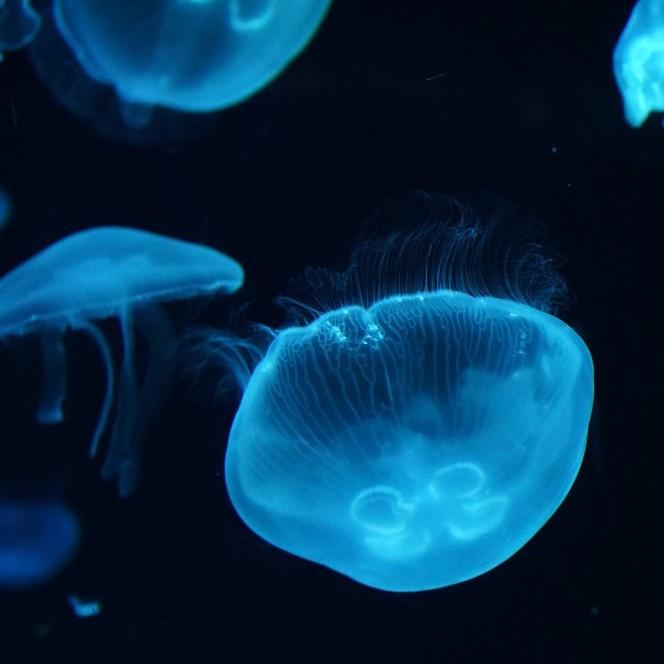
    One of the most spectacular phenomena in the ocean is bioluminescence. This natural ability allows living organisms to produce light through chemical reactions inside their bodies.

    Thousands of marine species possess this ability, including jellyfish, squid, fish, shrimp, and microscopic plankton. In the deep sea, where sunlight never reaches, bioluminescence becomes an essential survival tool.

    Some creatures use their glow to attract prey. Others use it to communicate with potential mates or confuse predators. Certain squid species can even adjust the brightness of their light to blend perfectly with the faint light coming from above, making them nearly invisible to predators below.

    Perhaps the most magical example occurs when bioluminescent plankton illuminate ocean waves at night. Beaches around the world occasionally glow with brilliant blue light as waves crash against the shore, creating a breathtaking natural display.

    This glowing ability may seem strange, but for many marine animals, it is simply part of everyday life.

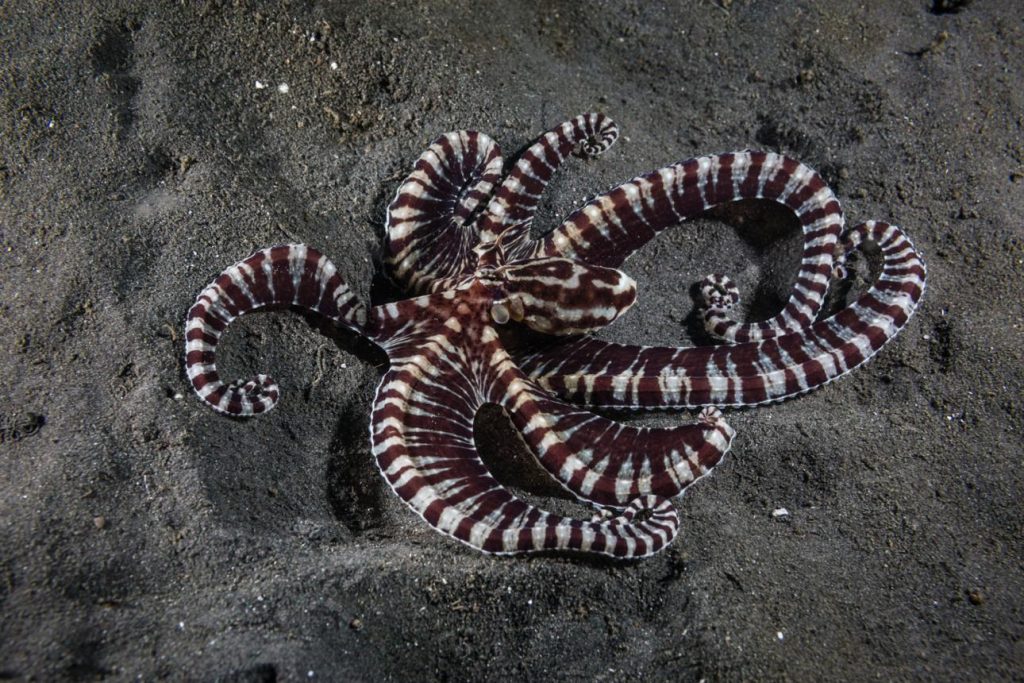
    2.Octopuses Can Instantly Disappear

    Octopuses are among the most intelligent creatures in the ocean, and their camouflage abilities are truly extraordinary.

    Unlike most animals that rely on fixed colors or patterns, octopuses can change both the color and texture of their skin within seconds. Specialized cells called chromatophores allow them to rapidly alter their appearance.

    An octopus resting on a sandy seabed may become pale and smooth. Move it onto a rocky reef, and it can quickly adopt darker colors and rough textures that resemble surrounding rocks.

    Some species take camouflage even further. The mimic octopus can imitate the appearance and movements of entirely different animals, including lionfish, sea snakes, and flatfish.

    This remarkable ability helps octopuses avoid predators and sneak up on prey, making them some of the most effective masters of disguise in the animal kingdom.

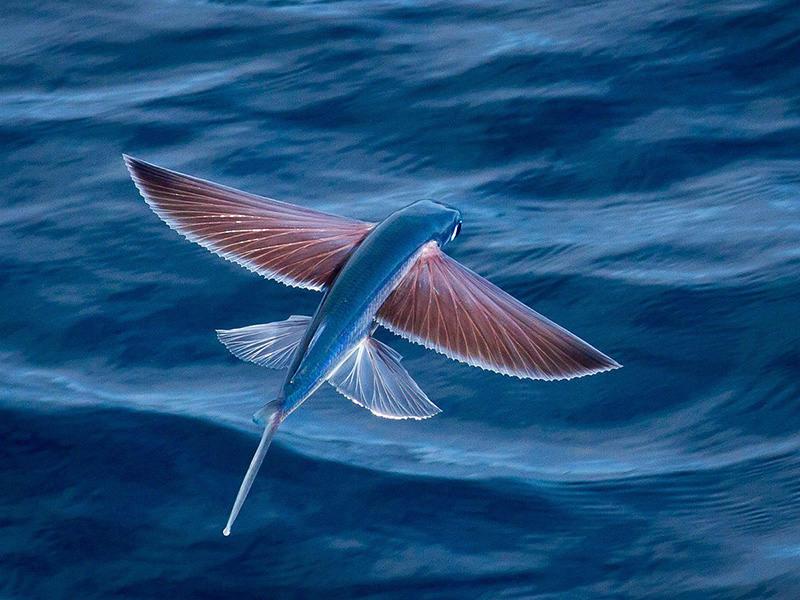
    3.Fish Can Actually Fly

    At first glance, the idea of a flying fish sounds impossible. Yet several species have evolved the ability to glide above the ocean’s surface.

    Flying fish do not truly fly like birds. Instead, they launch themselves out of the water at high speed and spread their enlarged pectoral fins like wings.

    Using this technique, they can glide for hundreds of feet before returning to the sea. Some species can remain airborne for nearly a minute under ideal conditions.

    Scientists believe this unusual adaptation evolved primarily as a defense against predators such as tuna, dolphins, and larger fish.

    When threatened, a flying fish can burst from the water and escape into the air, often surprising both predators and observers alike.

    Watching dozens of flying fish glide across the ocean surface is one of the most unusual sights in marine nature.

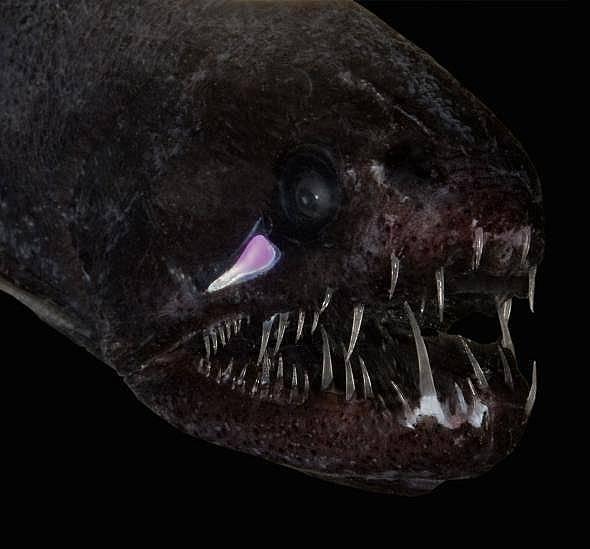
    4.Deep-Sea Creatures Can Survive Crushing Pressure

    The deepest parts of the ocean represent one of the harshest environments on Earth.

    At depths of several miles below the surface, pressure becomes immense. Temperatures are near freezing, and complete darkness dominates the environment.

    Yet many marine animals thrive under these conditions.

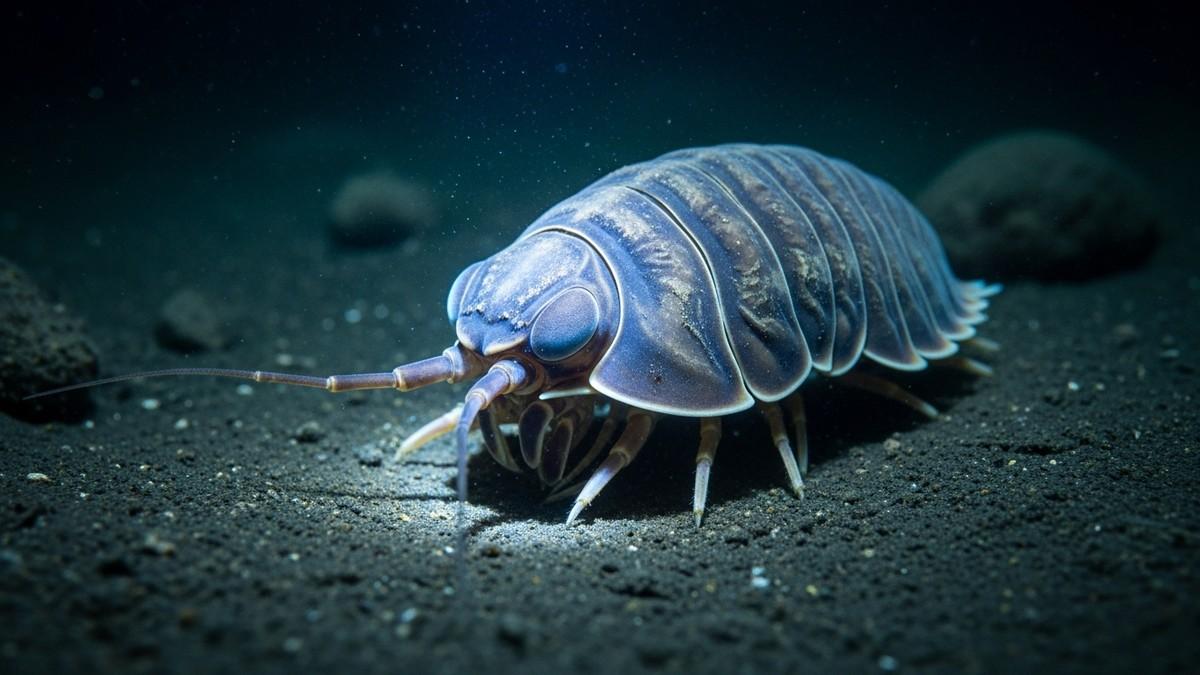
    Deep-sea fish, giant isopods, tube worms, and numerous other species have evolved unique biological adaptations that allow them to withstand pressures hundreds of times greater than what humans experience at sea level.

    Some deep-sea animals possess flexible bodies with fewer air-filled spaces, preventing them from being crushed. Others rely on specialized proteins that continue functioning under extreme pressure.

    Many of these creatures look alien compared to familiar marine animals, which is why deep-sea explorations often reveal some of the strangest organisms ever discovered.

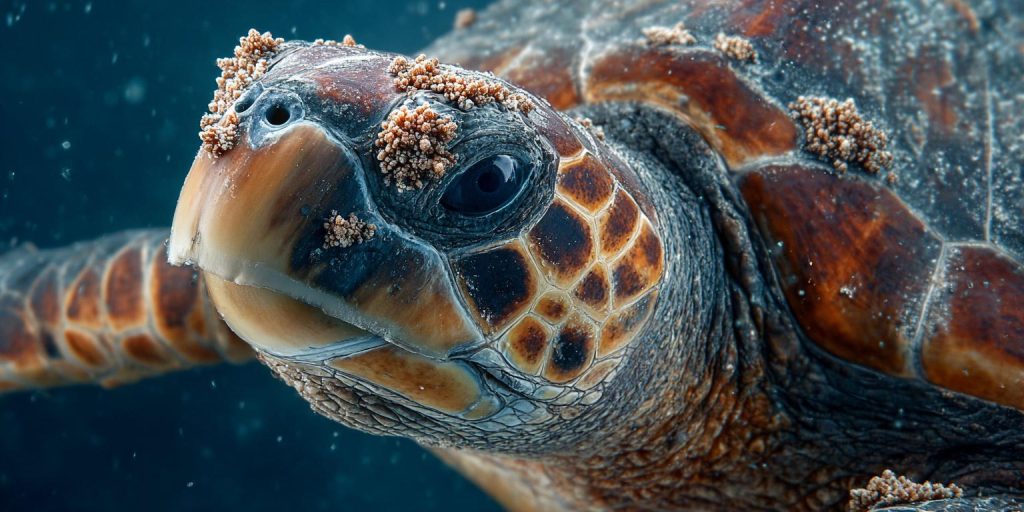
    5.Sea Turtles Carry Entire Ecosystems on Their Shells

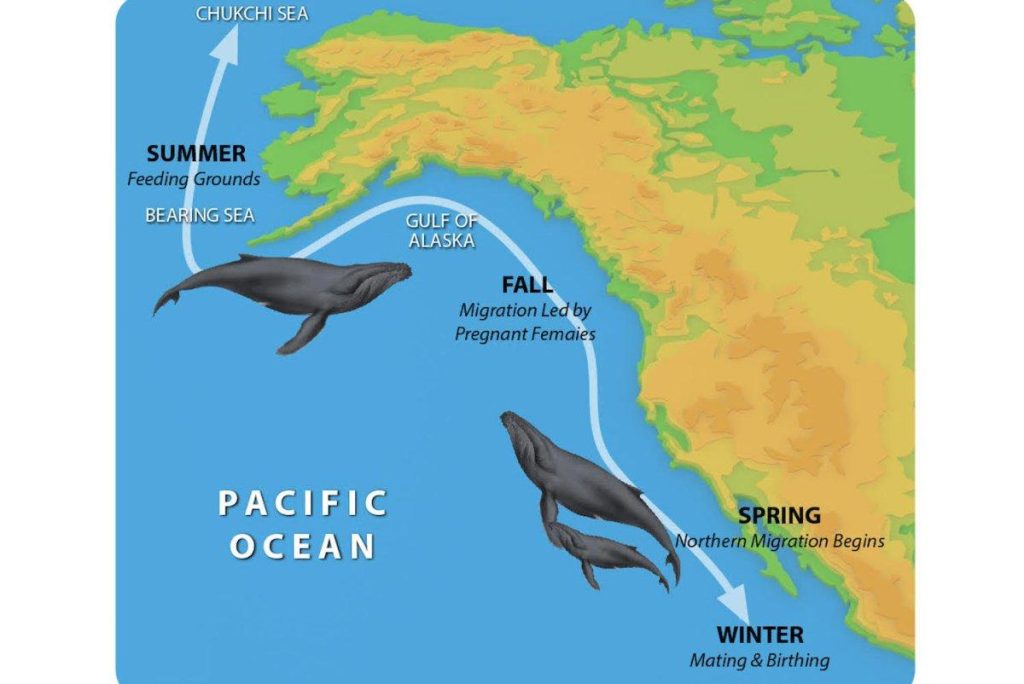
    Sea turtles spend much of their lives traveling through oceans, sometimes covering thousands of miles during migration.

    During these journeys, their shells often become home to a variety of marine organisms.

    Barnacles, algae, small crustaceans, and other organisms attach themselves to turtle shells and live there for extended periods. In some cases, dozens of species may be found on a single turtle.

    This creates what scientists sometimes describe as a miniature ecosystem traveling through the ocean.

    Although a moderate number of hitchhikers usually causes little harm, excessive growth can increase drag and make swimming more difficult for turtles.

    The sight of a sea turtle carrying an entire community of marine life demonstrates just how interconnected ocean ecosystems can be.

    5.Some Fish Change Gender During Their Lifetime

    Among the strangest biological phenomena in the ocean is sequential hermaphroditism—the ability of some fish to change sex during their lifetime.

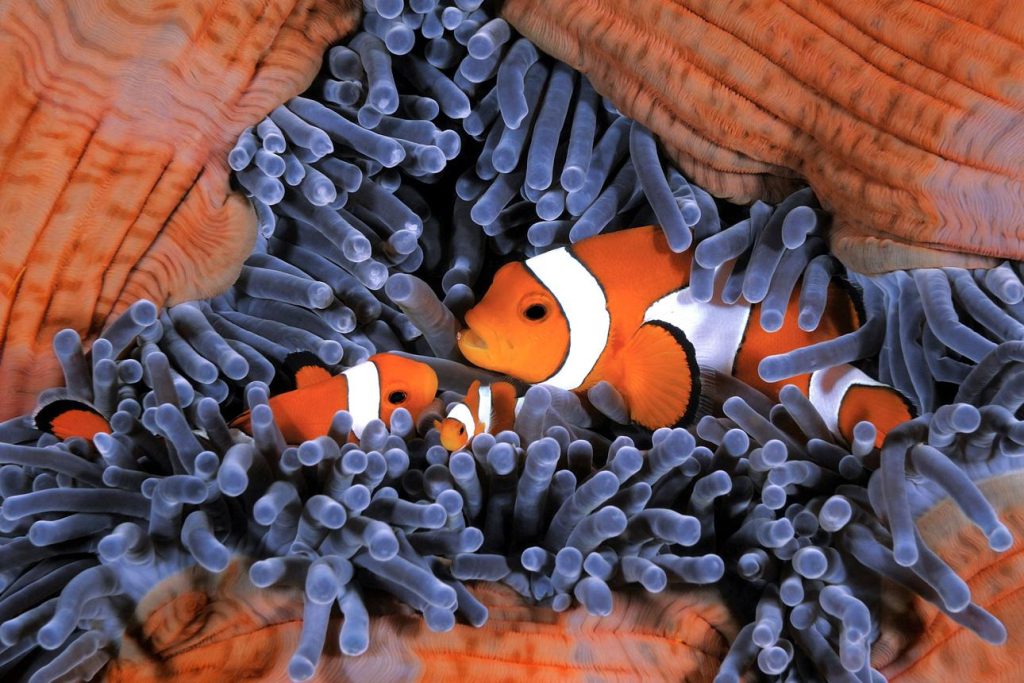
    Clownfish provide one of the most famous examples. Groups of clownfish typically contain a dominant breeding female. If she dies, the largest male can transform into a female and assume her role.

    Other species perform the opposite transition, beginning life as females and later becoming males.

    This remarkable flexibility helps maintain stable breeding populations and improves reproductive success in environments where finding mates can be challenging.

    While such transformations may seem extraordinary to humans, they are a normal and highly effective survival strategy for many marine species.

    7.Whales Communicate Across Vast Distances

    Whales are famous for their haunting songs, but the scale of their communication is truly astonishing.

    Sound travels much farther through water than through air. As a result, whale calls can travel for hundreds or even thousands of miles under the right conditions.

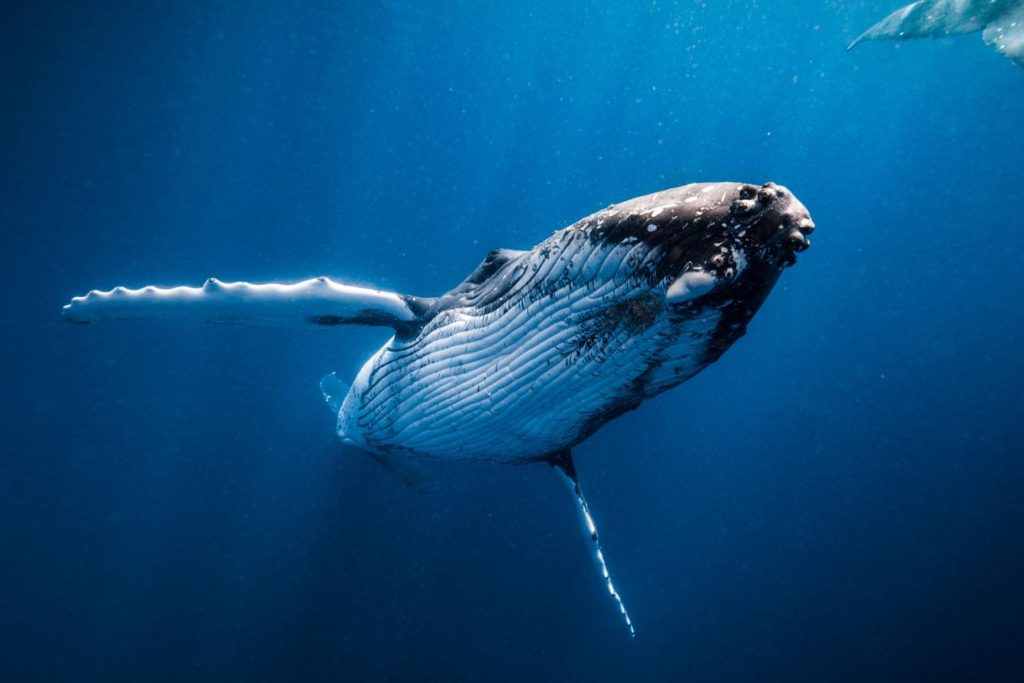
    Species such as humpback whales produce complex songs that may last for hours. These vocalizations are believed to play important roles in communication, navigation, and mating behavior.

    Researchers have discovered that whale songs can evolve over time, with entire populations gradually adopting new patterns and melodies.

    This means that whales may share cultural behaviors across large ocean regions, a phenomenon once thought unique to humans and a few other highly intelligent animals.

    The idea that whales can communicate across vast stretches of ocean remains one of the most fascinating aspects of marine life.

    Conclusion

    The ocean remains one of the least explored places on Earth, and marine animals continue to surprise scientists with their incredible adaptations. From glowing jellyfish and shape-shifting octopuses to flying fish and gender-changing reef species, marine life demonstrates that nature is capable of astonishing innovation.

    These strange phenomena are not merely curiosities—they are survival strategies developed over millions of years of evolution. Every unusual behavior helps an animal thrive in an environment that is constantly changing and often unforgiving.

    As researchers continue exploring the world’s oceans, there is little doubt that even more remarkable discoveries await. The deeper we look beneath the waves, the more we realize that the ocean is home to some of the strangest and most extraordinary forms of life on our planet.

    SEO Title: 7 Strange Things That Can Happen to Marine Life

    Meta Description: Discover 7 amazing and unusual things that can happen to marine life, from glowing ocean creatures and flying fish to gender-changing species and whales that communicate across vast distances.