Tag: Giant Animals

  • The Biggest Animals Ever Filmed in the Deep Wilderness

    The Biggest Animals Ever Filmed in the Deep Wilderness

    7 Mysterious Giant Creatures Caught on Camera Deep in the Wilderness

    Image
    Image
    Image
    Image


    7 Giant Wild Animals Captured Deep in the Forest

    The world’s remote forests remain among the least explored places on Earth. Dense vegetation, rugged terrain, and vast wilderness areas make it difficult for humans to observe what truly lives within these hidden ecosystems.

    Fortunately, modern technology, wildlife photographers, hikers, and conservation researchers have helped reveal some of nature’s most incredible secrets.

    Over the years, camera traps and lucky encounters have captured images of unusually large animals roaming deep forests around the world. In many cases, these creatures appeared so enormous that viewers initially suspected the photographs had been altered.

    However, the animals were real.

    From gigantic bears and towering moose to massive wild boars and giant bison, these extraordinary encounters remind us that nature can still surprise even experienced wildlife experts.

    Let’s explore some of the most impressive giant animals ever photographed in remote wilderness areas.


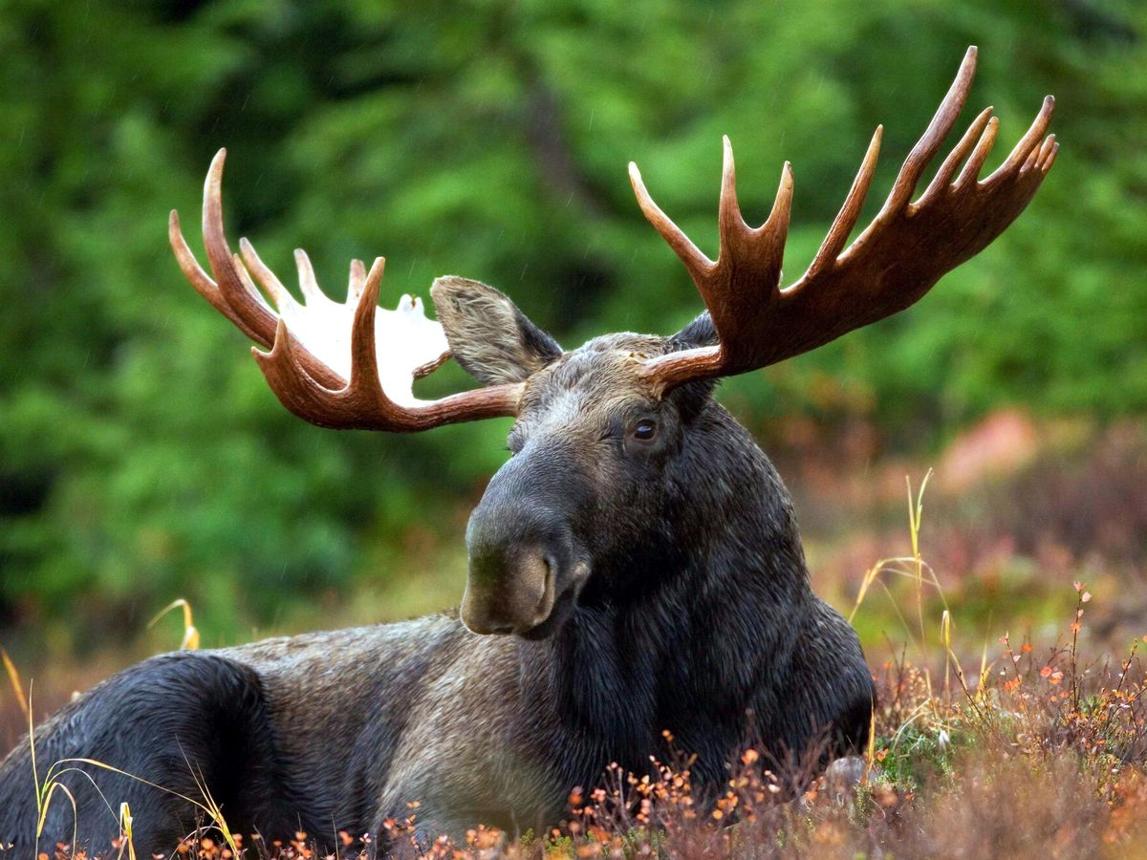
    1. The Giant Moose That Looked Like a Walking Dinosaur

    Image
    Image
    Image
    Image
    Image
    Image

    Among all deer species, moose are already famous for their enormous size.

    Adult bull moose can stand over 2 meters (6.5 feet) at the shoulder and weigh more than 700 kilograms (1,500 pounds).

    Yet wildlife photographers occasionally encounter individuals that appear even larger than average.

    One famous photograph taken in a northern forest showed a giant bull moose standing beside trees. Its enormous antlers stretched wider than many people are tall.

    The image quickly spread online because the animal looked almost prehistoric.

    Scientists explain that exceptional genetics, abundant food, and favorable habitat conditions can occasionally produce unusually large individuals.


    2. The Giant Grizzly Bear Caught by a Camera Trap

    Large bears often seem intimidating in photographs, but some individuals reach truly extraordinary sizes.

    Wildlife researchers using camera traps in remote regions have documented exceptionally large grizzly bears wandering through forests.

    These massive predators can weigh hundreds of kilograms and stand well over 8 feet tall when upright.

    Many conservationists describe their first encounter with a giant bear as both awe-inspiring and humbling.

    Although bears possess incredible strength, most prefer avoiding human contact whenever possible.


    3. The Massive Forest Bison

    Image
    Image
    Image
    Image
    Image
    Image
    Image

    The forest bison is one of the largest land mammals in North America.

    Some mature males can weigh more than a small automobile.

    Wildlife photographers occasionally capture images of enormous bulls moving through remote forests.

    With their thick shoulders, muscular frames, and towering presence, these animals appear almost unstoppable.

    Despite their size, bison are surprisingly agile and can run much faster than many people expect.

    Researchers consider them a critical part of healthy grassland and forest ecosystems.


    4. The Giant Wild Boar That Astonished Hunters

    Wild boars are found across many regions of the world, but some individuals grow far larger than average.

    Several famous photographs taken by hunters and wildlife observers show boars with enormous bodies and impressive tusks.

    These giant boars often thrive in areas with abundant food resources and limited hunting pressure.

    While exaggerated stories about monster-sized boars occasionally circulate online, verified examples of exceptionally large individuals do exist.

    Their powerful bodies and sharp tusks make them among the most formidable animals in many forest ecosystems.


    5. The Huge Gorilla of Central Africa

    Image
    Image
    Image
    Image
    Image
    Image
    Image

    The forests of Central Africa are home to some of the largest primates on Earth.

    Male gorillas, especially silverbacks, can develop immense muscle mass and impressive body size.

    Wildlife photographers who spend years studying gorillas sometimes encounter exceptionally large individuals that dominate their groups.

    These powerful animals can weigh more than 400 pounds and possess tremendous strength.

    Despite their intimidating appearance, gorillas are generally peaceful and spend much of their time feeding, resting, and caring for family members.

    Their intelligence and social behavior continue to fascinate researchers worldwide.


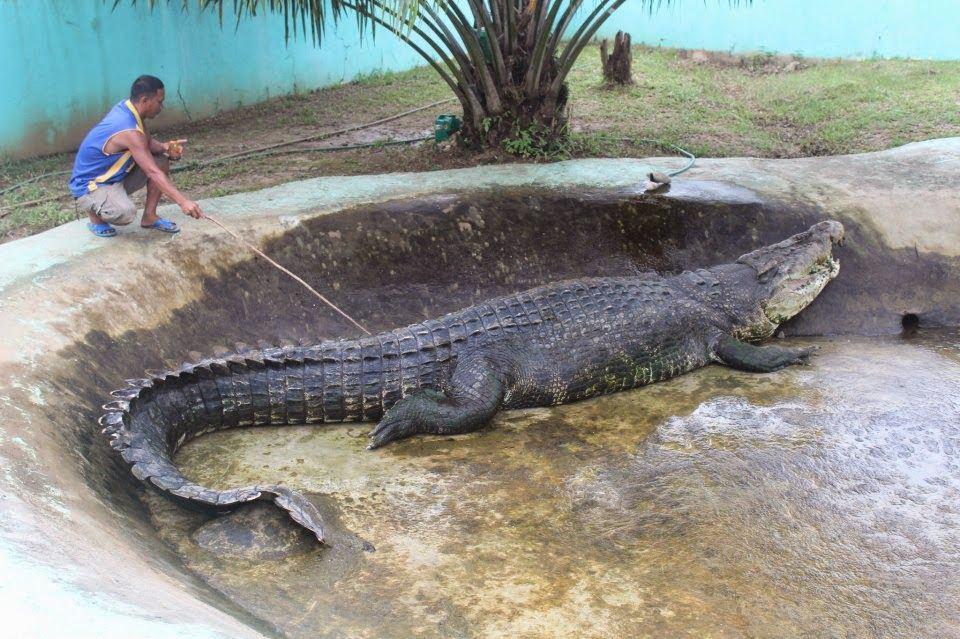
    6. The Giant Crocodile Hidden Along Forest Rivers

    Deep tropical forests often contain rivers where massive crocodiles remain hidden from view.

    Camera traps and wildlife expeditions have occasionally documented enormous crocodiles resting along riverbanks.

    Some of these reptiles exceed 5 meters (16 feet) in length.

    Their ancient appearance has changed very little over millions of years.

    Because they spend much of their time submerged, exceptionally large crocodiles can remain unnoticed for years before being photographed.

    These reptiles represent some of the largest predators inhabiting freshwater ecosystems.


    7. The Enormous Elk Captured by Wildlife Photographers

    Image
    Image
    Image
    Image
    Image
    Image

    Elk are among the most iconic animals found in forests and mountainous regions.

    Adult males are already impressive, but occasionally photographers capture images of exceptionally large bulls carrying gigantic antlers.

    During the breeding season, these animals become even more impressive as they compete for mates and defend territories.

    Their size, strength, and majestic appearance make them favorites among wildlife enthusiasts.

    Photographs of giant elk often go viral because they highlight the incredible scale that nature can achieve under ideal conditions.


    Why Do Some Animals Grow So Large?

    Scientists believe several factors contribute to unusually large individuals.

    Genetics

    Some animals inherit traits that allow them to grow larger than average.

    Abundant Food

    Access to high-quality nutrition supports growth and development.

    Healthy Habitat

    Protected environments with minimal disturbance often produce healthier wildlife populations.

    Age

    Many animals continue growing throughout much of their lives. Older individuals may therefore become exceptionally large.

    Limited Competition

    Animals living in favorable conditions may dedicate more energy to growth rather than survival.


    The Importance of Wildlife Photography

    Wildlife photographers and conservation researchers play a crucial role in documenting these extraordinary animals.

    Their work helps:

    • Monitor wildlife populations.
    • Identify rare individuals.
    • Raise awareness about conservation.
    • Educate the public about biodiversity.
    • Support habitat protection efforts.

    Modern camera traps have become especially valuable because they allow researchers to observe animals without disturbing them.

    Some of the most remarkable wildlife discoveries in recent years were made using these automated cameras.


    Conclusion

    Deep forests continue to hide some of the most extraordinary animals on Earth. From gigantic moose and massive bears to enormous crocodiles and towering gorillas, these creatures remind us that nature remains full of surprises.

    Many of these giant animals were only documented because hikers, wildlife photographers, and conservation researchers spent countless hours exploring remote wilderness areas.

    Their photographs provide rare glimpses into a world that most people will never see firsthand—a world where some animals grow to sizes so impressive that they seem almost mythical.

    As technology improves and conservation efforts continue, we may discover even more remarkable giants hidden within Earth’s remaining wild places. 🌲📷🦍🐻🦌
  • Nature’s Giants and Tiny Wonders: 7 Animals That Broke the Size Rules of Their Species

    Nature’s Giants and Tiny Wonders: 7 Animals That Broke the Size Rules of Their Species

    Nature’s Giants and Tiny Wonders: 7 Animals That Broke the Size Rules of Their Species

    Image
    Image
    Image
    Image
    Image
    Image
    Image

    Nature’s Giants and Tiny Wonders: Animals That Defied the Size Expectations of Their Species

    Nature is full of surprises. Most animals grow to sizes that are typical for their species, allowing scientists to predict roughly how large they will become. However, every once in a while, an animal appears that seems to ignore the rules entirely.

    Some individuals grow to enormous sizes, towering over others of the same species. Others remain surprisingly small, looking almost like miniature versions of their relatives. These unusual animals often become famous because they challenge what we think we know about biology and growth.

    Scientists explain these differences through genetics, environmental conditions, diet, and occasionally rare mutations. Whatever the cause, these extraordinary creatures remind us that nature does not always follow expectations.

    Let’s explore some of the most incredible giant and miniature animals ever discovered.


    1. Darius – The Giant Rabbit That Shocked the World

    Image
    Image
    Image
    Image
    Image

    Most pet rabbits are small enough to fit comfortably in a person’s lap. However, Darius, a giant rabbit from the Flemish Giant breed, became famous for reaching a length of more than four feet.

    Compared to ordinary rabbits, Darius looked almost unbelievable. Visitors often mistook him for a small dog rather than a rabbit.

    His enormous size required significantly more food than average rabbits. He consumed large amounts of vegetables, hay, and specially prepared meals to maintain his health.

    Although giant rabbits may appear intimidating because of their size, they are generally known for being calm and friendly animals.


    2. Knickers – The Giant Cow Taller Than Most Humans

    When photos of Knickers appeared online, many people thought the images had been digitally edited.

    Knickers, a steer from Australia, stood significantly taller than normal cattle and weighed well over a ton.

    Standing beside ordinary cows, he appeared almost twice their size.

    Farmers explained that his unusual growth likely resulted from a combination of genetics and natural development. Because of his massive frame, he became an international internet sensation.

    Despite his giant appearance, Knickers was known for his gentle personality and became one of the most recognizable farm animals in the world.


    3. Sarcosuchus – The Giant Crocodile of Prehistoric Times

    Image
    Image
    Image
    Image

    Modern crocodiles are already among the most powerful reptiles alive today. Yet millions of years ago, Earth was home to an even larger relative known as Sarcosuchus.

    Nicknamed the “Super Croc,” this giant reptile may have reached lengths of nearly 40 feet and weighed several tons.

    Scientists believe it was one of the largest crocodile-like creatures ever to exist.

    Compared with today’s crocodiles, Sarcosuchus looked like a monster from a science-fiction movie.

    Its discovery provides a fascinating glimpse into a prehistoric world where many animals were much larger than their modern descendants.


    4. Thumbelina – The Tiny Horse That Captured Hearts

    Not every size record involves gigantic animals.

    Thumbelina became famous as one of the smallest horses ever recorded.

    Unlike normal horses that can stand well over four feet tall at the shoulder, Thumbelina measured only a fraction of that height.

    People often compared her size to that of a large dog.

    Despite her miniature stature, she possessed all the characteristics of a horse, including intelligence, curiosity, and a playful personality.

    Her story demonstrated that extraordinary animals can be remarkable whether they are giant or tiny.


    5. The Maine Coon Cat That Looked Like a Wild Animal

    Image
    Image
    Image
    Image
    Image
    Image
    Image

    Most domestic cats are relatively small creatures. However, Maine Coon cats are famous for reaching impressive sizes.

    Some individuals grow so large that people mistake them for small wild animals.

    With long bodies, thick fur, and massive tails, giant Maine Coons often become internet celebrities.

    Despite their intimidating appearance, they are widely known as gentle and affectionate pets.

    Veterinarians explain that genetics play a major role in determining the size of these remarkable cats.


    6. The World’s Smallest Dog

    Tiny dogs have fascinated humans for centuries.

    Some of the smallest dogs ever recorded weighed less than a pound and could fit comfortably inside a person’s hand.

    Compared to average dogs, these miniature companions appear almost toy-like.

    Although their size makes them adorable, owners must take extra precautions because small animals are generally more vulnerable to injuries.

    Their existence demonstrates how dramatically size can vary even within closely related breeds.


    7. Brookesia Nana – One of the Smallest Reptiles Ever Found

    Image
    Image
    Image
    Image
    Image

    One of the most astonishing discoveries in recent years was a tiny chameleon species known as Brookesia nana.

    This miniature reptile is so small that it can comfortably sit on the tip of a human finger.

    Scientists were amazed by its tiny dimensions because most people imagine reptiles as relatively large creatures.

    The discovery highlights how much biodiversity remains hidden in remote parts of the world.

    Even today, researchers continue finding animals that challenge expectations about size and evolution.


    Why Do Some Animals Become Giant?

    Scientists have identified several factors that can contribute to unusually large animals:

    Genetics

    Inherited traits can influence growth and body size.

    Diet

    Access to abundant nutrition may allow animals to reach larger sizes.

    Environment

    Climate and habitat conditions can affect growth patterns.

    Selective Breeding

    Humans have intentionally bred certain animals, such as rabbits, dogs, and cats, to emphasize particular characteristics, including size.


    Why Do Some Animals Remain Tiny?

    Miniature animals often result from different biological factors:

    Genetic Mutations

    Certain genes can limit growth.

    Evolutionary Adaptation

    Smaller animals may require fewer resources to survive.

    Habitat Constraints

    Living in restricted environments sometimes favors reduced body size.

    Natural Selection

    Over time, some species evolve smaller forms that are better suited to their surroundings.


    The Fascination With Animal Size

    Humans have always been fascinated by extremes.

    Whether it is the largest whale, the smallest reptile, the tallest cow, or the tiniest dog, animals that break size records capture our imagination because they challenge our expectations.

    These unusual creatures remind us that nature is far more diverse and unpredictable than we often assume.

    Every giant animal and every miniature wonder tells a unique story about genetics, evolution, and survival.


    Conclusion

    From giant rabbits and towering cattle to miniature horses and tiny chameleons, the animal kingdom is filled with extraordinary individuals that seem to ignore the normal rules of size.

    Some become giants through genetics and favorable conditions, while others remain astonishingly small due to evolutionary adaptations or rare biological traits. Together, they demonstrate one of nature’s most fascinating truths: there is always room for surprises.

    The next time you encounter an animal, remember that somewhere in the world there may be another member of the same species that is twice as large—or half as small—as anyone thought possible.