

Strange Stories About Animals During Child Rearing: Incredible Parenting Behaviors in the Wild
The natural world is filled with astonishing examples of parental care. While many animals simply lay eggs or give birth and leave their offspring to survive on their own, others invest extraordinary amounts of time, energy, and even personal sacrifice into raising their young.
From fish that carry babies in their mouths to primates that spend years teaching survival skills, the diversity of parenting strategies in nature is truly remarkable. Scientists continue to discover behaviors that challenge long-held assumptions about animal intelligence, social bonds, and family life.
Some species rely on teamwork. Others depend on remarkable physical adaptations. A few use parenting methods so unusual that they seem almost impossible.
Here are some of the strangest and most fascinating stories about animals during child rearing.
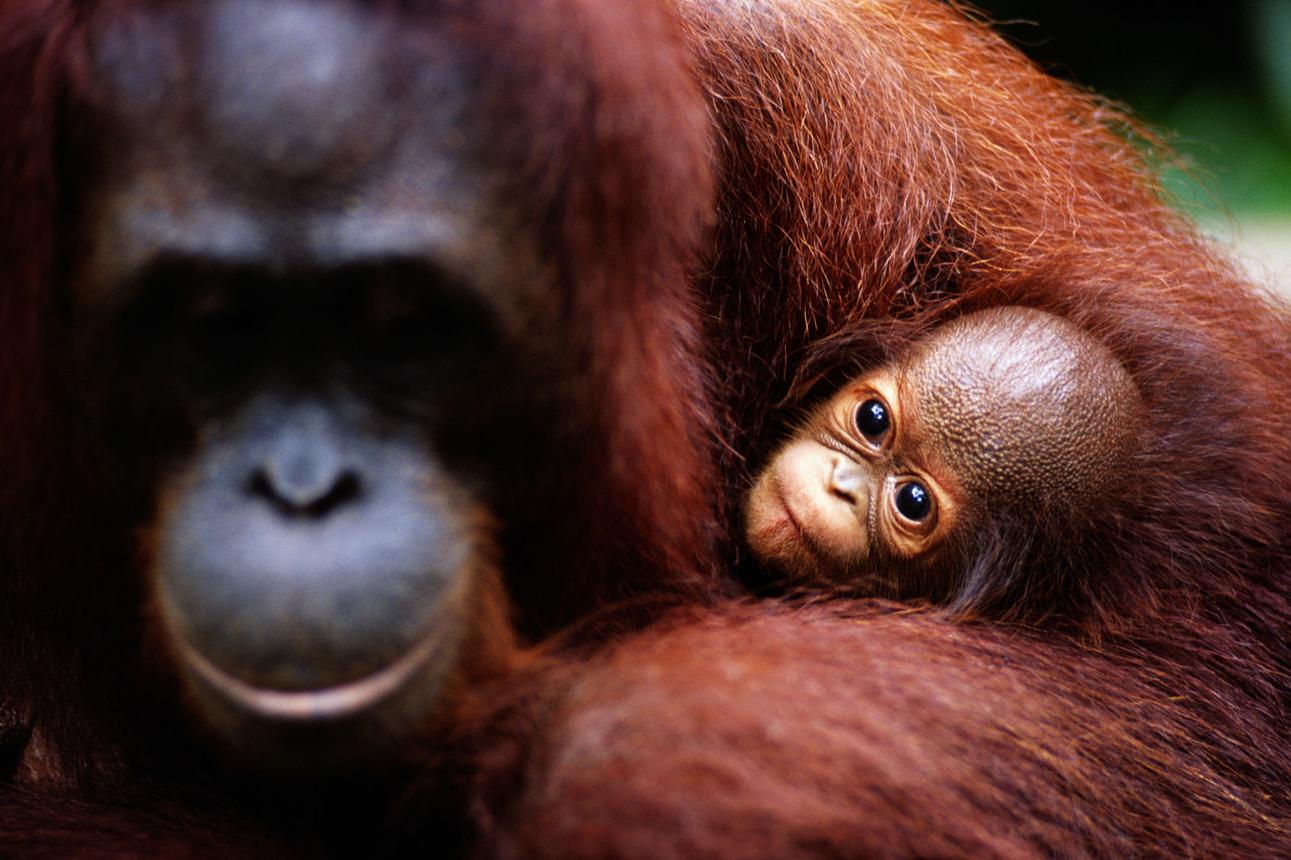
1. Orangutan Mothers Raise Children for Nearly a Decade
Figure 1
Alt Text: Bornean orangutan mother carrying her young infant through a tropical rainforest canopy.
Among all animals, orangutans have one of the longest childhoods outside humans.
Young orangutans remain closely attached to their mothers for seven to nine years. During this time, they learn hundreds of survival skills that are essential for life in the rainforest.
The mother teaches her offspring how to find seasonal fruits, identify edible plants, build sleeping nests high in trees, avoid predators, and navigate complex forest environments.
Unlike many animals that rely mostly on instinct, orangutans depend heavily on learning.
Because rainforest life is so challenging, young orangutans need years of instruction before becoming independent. This lengthy educational process makes orangutan mothers some of the most dedicated teachers in the animal kingdom.
2. Cichlid Fish Turn Their Mouths into Nurseries
Figure 2
Alt Text: Female cichlid fish protecting baby fry inside her mouth underwater.
Many fish provide little or no care for their offspring. Cichlids are a remarkable exception.
Certain species practice a behavior known as mouthbrooding. After eggs are fertilized, one parent—often the mother—collects them inside the mouth.
The eggs remain protected there while they develop.
Even after hatching, tiny fry continue using the parent’s mouth as a safe shelter whenever danger approaches. At the first sign of a predator, dozens of babies may rush back inside.
This unusual parenting strategy dramatically improves survival rates by providing a mobile refuge during the most vulnerable stage of life.
3. Grebe Birds Give Their Chicks a Free Ride
Figure 3
Alt Text: Grebe parent swimming across a lake with chicks riding on its back.
Grebes are aquatic birds found on lakes and wetlands around the world.
Shortly after hatching, grebe chicks begin riding on their parents’ backs. The adults carefully transport them across open water while searching for food.
The chicks often tuck themselves between the parent’s wings, remaining hidden and protected.
This behavior reduces exposure to predators, prevents exhaustion, and helps young birds stay warm.
Even more surprisingly, parents continue feeding the chicks while carrying them.
The image of tiny birds riding on a parent’s back has become one of the most charming examples of childcare in the natural world.
4. Elephant “Babysitters” Help Raise Calves
Figure 4
Alt Text: Young elephant calf surrounded by protective adult females in a herd.
Elephants live in highly social family groups where parenting responsibilities are often shared.
In addition to the mother, other females within the herd help care for calves. These helpers are known as allomothers.
Allomothers may guard young elephants, assist them when crossing difficult terrain, and intervene when danger threatens.
For first-time mothers, experienced relatives provide valuable support.
Researchers believe this cooperative childcare system contributes significantly to the success of elephant populations. It also allows young females to gain parenting experience before having calves of their own.
This shared approach to raising young is one of the most advanced forms of social childcare among mammals.
5. Tasmanian Devils Compete for a Place in Mom’s Pouch
Figure 5
Alt Text: Tasmanian devil mother with tiny joeys developing inside her pouch.
Tasmanian devils have a parenting challenge unlike almost any other mammal.
A female may give birth to twenty or thirty tiny newborns at once. However, she possesses only four nipples inside her pouch.
The newborns must race to reach the pouch immediately after birth. Once a baby attaches to a nipple, it may remain there for months.
Because there are far more newborns than available feeding positions, only a few survive.
Although this process seems harsh, it ensures that the strongest offspring receive the resources needed for healthy development.
The competition begins almost immediately after birth, making Tasmanian devil parenting one of nature’s most unusual survival stories.
6. Honey Bees Employ Dedicated Nursery Workers
Figure 6
Alt Text: Worker honey bees caring for larvae inside a honeycomb nursery.
Honey bee colonies operate with remarkable efficiency, especially when caring for young.
Specialized worker bees known as nurse bees are responsible for feeding and maintaining developing larvae.
These workers inspect each larval cell, provide food, regulate temperature, and remove waste.
Young larvae receive a nutrient-rich substance called royal jelly. Future queen bees receive even larger amounts, allowing them to develop differently from ordinary workers.
Unlike most animals, parental care is not provided directly by parents but by thousands of related colony members.
This collective childcare system has helped honey bees become one of the world’s most successful insect groups.
7. Arctic Fox Parents Work Around the Clock
Figure 7
Alt Text: Arctic fox parents standing near a den with several playful pups.
Life in the Arctic is difficult, especially for young animals.
Arctic fox parents must raise pups in an environment characterized by freezing temperatures, limited food, and long periods of darkness.
Both parents participate actively in childcare. While one adult guards the den, the other hunts for food.
Foxes may travel many kilometers each day searching for prey to feed their growing family.
The pups spend weeks inside the den before venturing outside. During this period, parents remain highly vigilant against predators such as wolves and birds of prey.
The teamwork displayed by Arctic fox families is essential for survival in one of Earth’s harshest habitats.
Why Animal Parenting Can Be So Different
Animal parenting strategies evolve in response to environmental pressures.
Species living in dangerous habitats often invest heavily in protection. Animals with complex diets or behaviors may devote years to teaching offspring. Social species frequently benefit from cooperative childcare.
Each strategy reflects a balance between costs and benefits.
Providing extensive parental care requires energy and time, but it often increases the chances that offspring will survive long enough to reproduce.
Over millions of years, natural selection has shaped parenting behaviors that match the specific challenges faced by each species.
Surprising Lessons From Animal Families
Scientists studying animal parenting have discovered that many behaviors once considered uniquely human are widespread throughout nature.
Teaching, cooperation, communication, adoption, and long-term family relationships occur in numerous species.
Elephants support one another’s calves. Orangutans spend years educating offspring. Birds transport chicks on their backs, and fish carry babies in their mouths.
These examples reveal that successful parenting takes many forms.
Although animals differ greatly from humans, they often face similar challenges when raising the next generation.
The Importance of Protecting Animal Families
Conservation efforts frequently focus on protecting adult animals, but safeguarding family groups is equally important.
When habitats are destroyed or populations decline, parenting behaviors can be disrupted.
Species that rely on long learning periods, cooperative care, or specialized nesting sites may struggle to reproduce successfully.
Protecting breeding grounds, migration routes, and social structures helps ensure that future generations can continue these remarkable parenting traditions.
Understanding animal childcare also deepens our appreciation for the complexity of wildlife and the importance of preserving biodiversity.
Conclusion
The animal kingdom contains countless examples of extraordinary parenting. Orangutan mothers spend years teaching survival skills, cichlid fish carry babies inside their mouths, and grebe birds transport chicks on their backs.
Elephants rely on cooperative babysitters, Tasmanian devils face intense competition for pouch space, honey bees employ dedicated nursery workers, and Arctic foxes work tirelessly to raise pups in one of the world’s toughest environments.
These fascinating stories remind us that parenting is one of nature’s most powerful forces. Whether through sacrifice, cooperation, protection, or education, animals have evolved countless ways to help their young survive.
Their remarkable efforts continue to inspire scientists and wildlife enthusiasts while revealing the incredible diversity of life on Earth.