Tag: Primate

  • Nature’s Most Overprotective Parents: Extraordinary Animal Childcare Stories

    Nature’s Most Overprotective Parents: Extraordinary Animal Childcare Stories

    Strange Stories About Animals During Child Rearing: The Weirdest Parenting Behaviors in Nature
    Nature is full of extraordinary parenting stories that often seem stranger than fiction. While many animals simply lay eggs or give birth and move on, others invest enormous time, energy, and even personal risk into raising their young. Across oceans, forests, grasslands, and polar regions, animals have evolved unique child-rearing strategies that help ensure the survival of the next generation.

    Some parents carry babies everywhere they go. Others seal themselves inside nests for months. A few species even allow fathers to take on responsibilities usually associated with mothers. These remarkable behaviors demonstrate the incredible diversity of life on Earth and reveal how far animals will go to protect their offspring.

    Let’s explore some of the most fascinating and unusual stories about animal parenting.

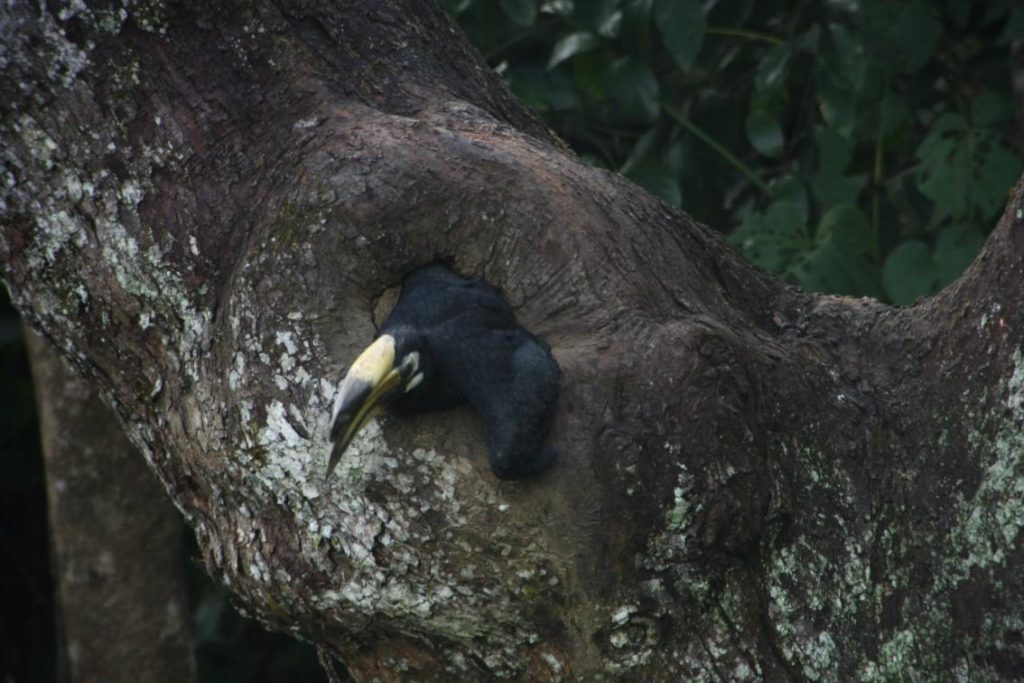
    1. Hornbill Mothers Seal Themselves Inside a Tree

    Figure 1

    Alt Text: Female hornbill bird peeking through a narrow opening in a sealed tree nest while feeding chicks.

    One of the strangest parenting strategies in the bird world belongs to hornbills.

    When breeding season arrives, the female enters a natural cavity inside a tree trunk. The male then helps seal the entrance using mud, fruit pulp, and droppings. Eventually, only a narrow slit remains open.

    Inside this secure chamber, the female lays eggs and raises her chicks. She remains trapped for weeks or even months while incubating eggs and caring for hatchlings.

    The male becomes the sole provider during this period. He repeatedly visits the nest opening and passes food through the tiny slit.

    This unusual arrangement protects the vulnerable family from predators such as snakes and monkeys. Although it seems extreme, the strategy has proven highly successful for many hornbill species.


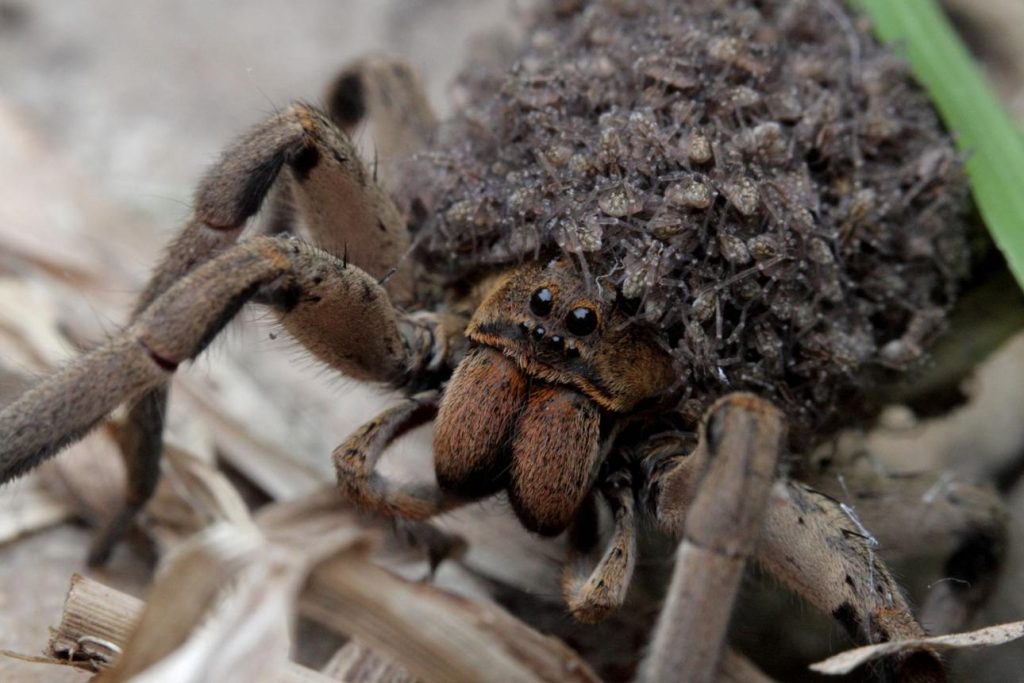
    2. Wolf Spiders Carry Hundreds of Babies

    Figure 2

    Alt Text: Female wolf spider carrying dozens of baby spiderlings on her back.

    Most spiders receive a reputation for being solitary creatures, but wolf spiders are surprisingly attentive mothers.

    After laying eggs, the female wraps them in a silk egg sac and attaches it to her body. Wherever she goes, the eggs travel with her.

    When the spiderlings hatch, they climb onto their mother’s back. A single female may carry dozens or even hundreds of babies at once.

    For days or weeks, the young remain there, protected from predators and environmental dangers. The mother continues hunting and moving normally despite carrying her living cargo.

    The sight of a spider covered with tiny offspring may appear strange, but it represents one of nature’s most impressive examples of maternal care among invertebrates.


    3. Giant Water Bug Fathers Become Living Nurseries

    Figure 3

    Alt Text: Male giant water bug carrying dozens of eggs attached to its back in a freshwater pond.

    In many species, mothers care for eggs. Giant water bugs reverse this pattern completely.

    After mating, the female deposits eggs directly onto the male’s back. The father then becomes a living nursery.

    For several weeks, he protects the eggs from predators and ensures they receive enough oxygen. He frequently moves near the water’s surface and carefully adjusts his position to keep the eggs healthy.

    Carrying dozens of eggs can make swimming more difficult and increase the risk of predation, yet the father continues his duties until the young hatch.

    This unusual role reversal makes giant water bugs one of the most fascinating insect parents on Earth.


    4. Emperor Tamarins Share Childcare Responsibilities

    Figure 4

    Alt Text: Emperor tamarin father carrying infant twins through a tropical rainforest.

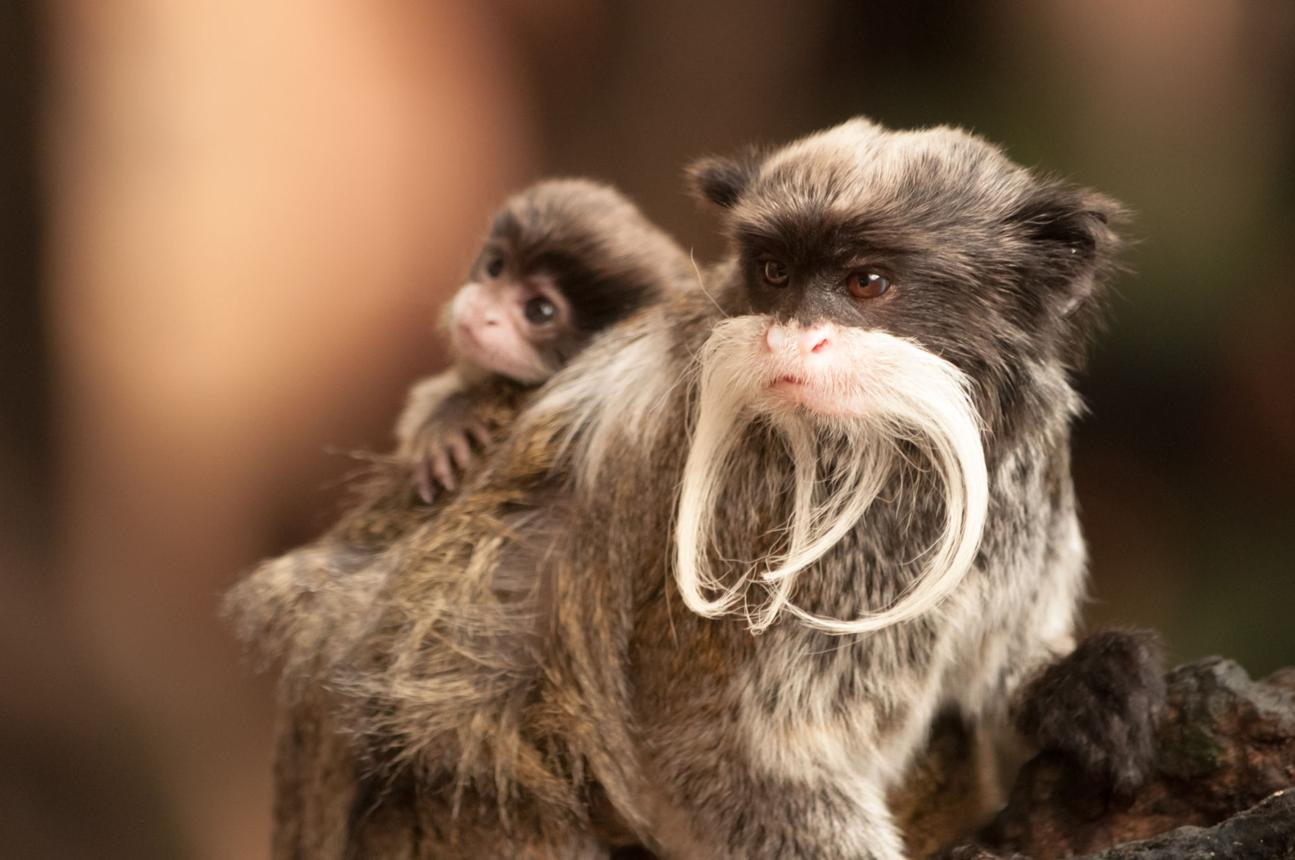
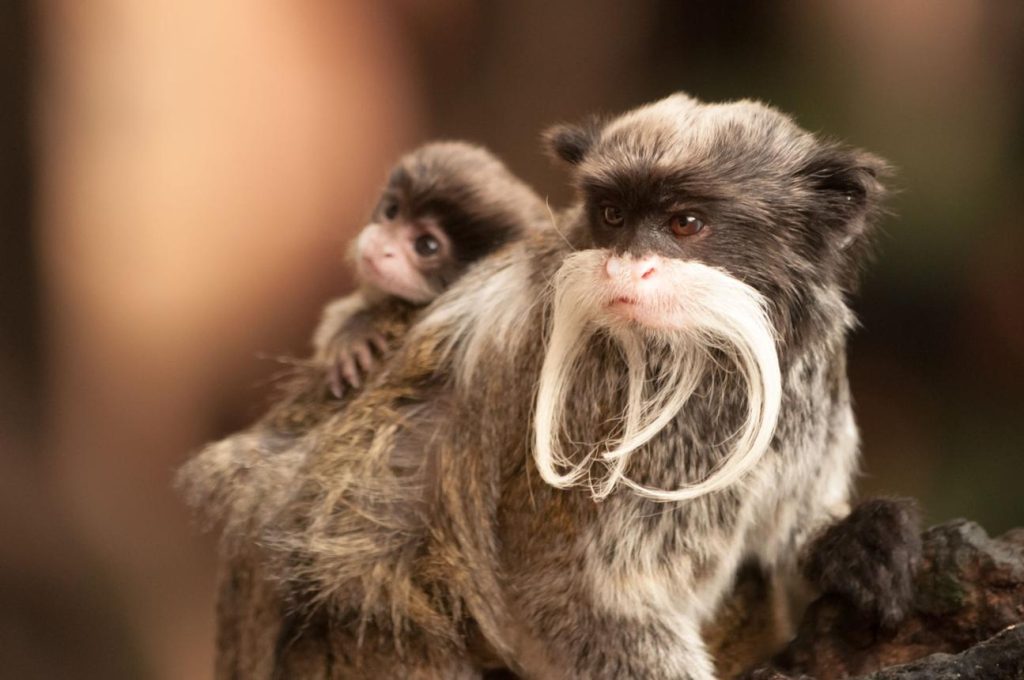
    Emperor tamarins are small monkeys with impressive white mustaches and a remarkable approach to parenting.

    These primates often give birth to twins, which can be challenging for mothers to raise alone. To solve this problem, fathers take on a major share of childcare.

    Within days of birth, infants spend much of their time riding on their father’s back. He carries them through the forest, protects them, and helps them explore their surroundings.

    Older siblings and other relatives may also participate in childcare. This cooperative system allows mothers to focus on feeding while the rest of the family helps raise the young.

    The result is one of the most successful team-based parenting systems among primates.


    5. Orca Mothers Care for Their Sons for Life

    Figure 5

    Alt Text: Orca mother swimming closely beside her growing calf in the ocean.

    Most animals eventually become independent from their parents. Orcas, however, often maintain family bonds throughout their lives.

    Male orcas may remain closely associated with their mothers for decades. Research suggests that mothers continue helping their adult sons find food and navigate social relationships.

    These long-term family connections are extremely rare in the animal kingdom.

    Young calves also receive extensive care during their early years. Mothers teach hunting techniques, communication skills, migration routes, and social behaviors.

    The strong relationship between orca mothers and offspring demonstrates that parenting can extend far beyond childhood.


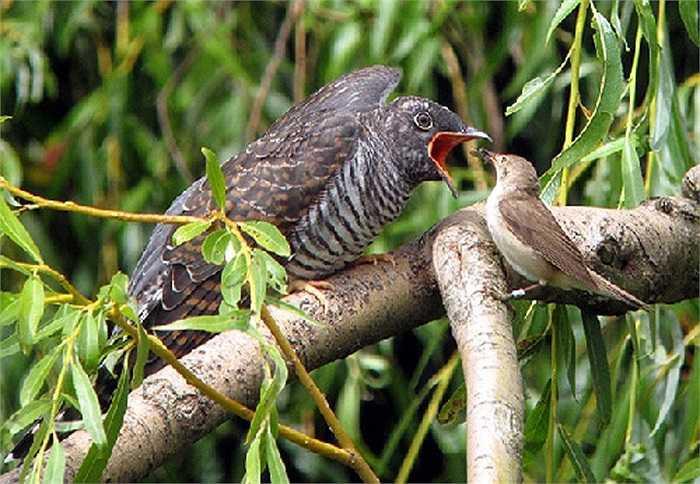
    6. Cuckoo Chicks Outsource Parenting

    Figure 6

    Alt Text: Young cuckoo chick being fed by a smaller foster parent bird in a nest.

    The common cuckoo has developed one of the strangest reproductive strategies in nature.

    Instead of building its own nest and raising young, a female cuckoo lays eggs in the nests of other bird species. This behavior is known as brood parasitism.

    After hatching, the cuckoo chick often pushes the host bird’s eggs or chicks out of the nest. It then receives all the food and attention from foster parents that are not actually related to it.

    The unsuspecting adoptive parents work tirelessly to feed a chick that may grow much larger than themselves.

    Although unusual and sometimes harsh, this strategy allows cuckoos to produce more offspring while avoiding the demands of traditional parenting.


    7. King Penguins Never Lose Track of Their Chicks

    Figure 7

    Alt Text: King penguin parent recognizing and reuniting with its chick among a large colony.

    King penguins breed in enormous colonies containing thousands of birds. Finding one chick among such crowds seems nearly impossible.

    Yet parents and chicks recognize each other through unique vocal calls.

    When adults return from feeding trips at sea, they use distinctive sounds to locate their offspring. Chicks respond with their own calls, allowing families to reunite even within dense colonies.

    This remarkable communication system prevents confusion and ensures that the correct chick receives food.

    Without such recognition abilities, raising young in massive groups would be extremely difficult.


    Why Animal Parenting Takes So Many Different Forms

    The incredible variety of parenting behaviors seen in animals is the result of millions of years of evolution.

    Each species faces unique challenges. Some live in dangerous environments filled with predators. Others inhabit regions where food is scarce or seasonal.

    As a result, animals develop parenting strategies that maximize the survival of their offspring.

    For some species, protection is the highest priority. Others emphasize teaching, cooperation, transportation, or long-term family support.

    There is no single “correct” way to raise young in nature. Instead, evolution produces solutions that work best for each environment and lifestyle.


    Surprising Similarities Between Animal and Human Parenting

    Although animal parenting often appears strange, many behaviors resemble aspects of human family life.

    Teaching skills, protecting children, sharing responsibilities, cooperating with relatives, and making sacrifices for offspring are common themes across many species.

    Scientists increasingly recognize that parental care is one of the most important factors influencing survival and social development.

    The emotional bonds observed in some mammals and birds also suggest that caregiving behaviors can be surprisingly complex.

    While animals do not parent exactly as humans do, many demonstrate dedication and commitment that seem remarkably familiar.


    Conclusion

    The animal kingdom is filled with extraordinary child-rearing stories. Hornbill mothers seal themselves inside nests, wolf spiders carry hundreds of babies on their backs, and giant water bug fathers become living incubators.

    Emperor tamarins rely on family teamwork, orca mothers support offspring for decades, cuckoos outsource childcare entirely, and king penguins use unique vocal signatures to find their chicks among thousands.

    These remarkable parenting strategies reveal the creativity of evolution and the countless ways life has adapted to ensure survival. Whether through sacrifice, cooperation, protection, or innovation, animals continue to amaze us with the extraordinary lengths they go to care for the next generation.

    Their stories remind us that parenting is one of nature’s most powerful forces, shaping the lives of creatures great and small across the planet.
  • Strange Stories About Animals During Child Rearing: Nature’s Most Surprising Parents

    Strange Stories About Animals During Child Rearing: Nature’s Most Surprising Parents

    Strange Stories About Animals During Child Rearing: Nature’s Most Surprising Parents

    Image
    Image
    Image
    Image

    Strange Stories About Animals During Child Rearing: Nature’s Most Surprising Parents

    When people think of parenting, they usually imagine human families caring for children. However, the animal kingdom is filled with astonishing examples of mothers and fathers raising their young in ways that seem almost unbelievable. From fathers that carry babies on their backs to mothers that feed their offspring with specialized milk, nature has developed countless strategies to ensure survival.

    Scientists have spent decades studying animal parenting behaviors, and many discoveries reveal that animals can be remarkably devoted, intelligent, and even self-sacrificing when caring for their offspring. Some species protect their young with extraordinary courage, while others use bizarre methods that appear strange to human observers.

    Here are some of the most fascinating and unusual stories about animals during child rearing.


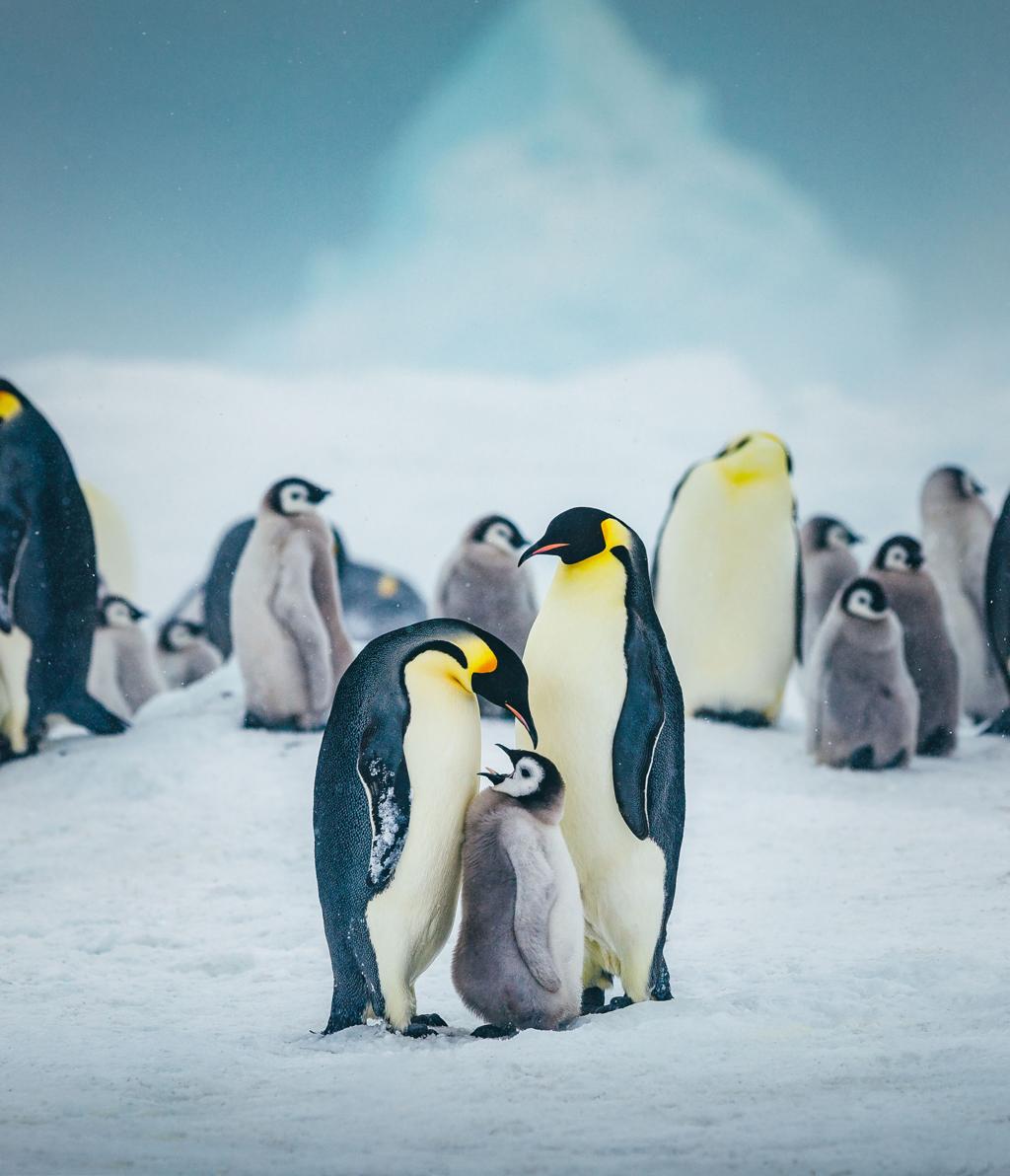
    1. Emperor Penguins: Fathers That Endure the Antarctic Winter

    Image 1: Emperor Penguin Father Protecting His Chick

    Alt Text: Emperor penguin father balancing a chick on his feet during a harsh Antarctic winter.

    Image
    Image
    Image
    Image
    Image
    Image
    Image

    One of the most extraordinary parenting stories belongs to the emperor penguin. After laying a single egg, the mother transfers it carefully to the father and then leaves for the ocean to feed.

    The father remains behind during one of the harshest winters on Earth. For more than two months, he balances the egg on his feet beneath a warm fold of skin called a brood pouch. During this time, temperatures can drop below -40°C (-40°F), and winds may exceed 160 kilometers per hour.

    The male penguin does not eat while protecting the egg. Instead, he survives on stored body fat, losing a significant portion of his weight. If the egg touches the ice for even a few minutes, the developing chick could die.

    This remarkable act of endurance makes emperor penguin fathers among the most dedicated parents in the animal kingdom.


    2. Crocodile Mothers Carry Babies in Their Mouths

    Image 2: Crocodile Mother Transporting Hatchlings

    Alt Text: Nile crocodile mother gently carrying newly hatched babies inside her mouth.

    Image
    Image
    Image
    Image
    Image

    Crocodiles may appear fierce and dangerous, but they display surprisingly gentle parenting behavior.

    After laying eggs in a nest, the mother guards them for months. When the babies are ready to hatch, they make chirping sounds from inside the eggs. Hearing these calls, the mother carefully digs open the nest.

    She then gathers the tiny hatchlings in her massive jaws and transports them to nearby water. Although her bite is powerful enough to crush bones, she handles her babies with incredible precision and care.

    Researchers have observed crocodile mothers protecting their offspring from predators for weeks after hatching. This unexpected tenderness contrasts sharply with their fearsome reputation.


    3. Poison Dart Frogs: Tiny Fathers With Big Responsibilities

    Image 3: Poison Dart Frog Carrying Tadpoles

    Alt Text: Colorful poison dart frog transporting tadpoles on its back through a rainforest.

    Image
    Image
    Image
    Image
    Image
    Image

    In the tropical rainforests of Central and South America, poison dart frogs demonstrate an unusual parenting strategy.

    After eggs hatch into tadpoles, the father carefully allows the young to climb onto his back. He then carries them one at a time through dense forest vegetation.

    The journey often leads to tiny pools of water collected inside plants. Each tadpole is deposited in its own miniature nursery to reduce competition.

    Some species go even further. The mother periodically visits these pools and lays unfertilized eggs for the tadpoles to eat. This specialized feeding behavior ensures that the developing young receive enough nutrients to survive.


    4. Sea Otters Never Let Their Babies Drift Away

    Image 4: Sea Otter Mother Holding a Pup

    Alt Text: Sea otter mother floating on her back while holding her baby pup.

    Image
    Image
    Image
    Image
    Image
    Image
    Image

    Sea otters spend much of their lives floating in coastal waters, and raising young in such an environment presents unique challenges.

    A sea otter mother is intensely devoted to her pup. She carries the baby on her chest, wraps it in kelp to keep it from drifting away, and spends countless hours grooming its fur.

    Young pups cannot immediately survive on their own. Their thick fur helps them float, but they depend entirely on their mothers for food and protection.

    Researchers have documented mothers sacrificing their own feeding opportunities to care for their offspring. Some remain almost constantly attentive for months, ensuring their pups learn critical survival skills.


    5. Elephants Mourn and Protect Their Calves

    Image 5: Elephant Family Protecting a Calf

    Alt Text: African elephant herd surrounding and protecting a young calf on the savanna.

    Image
    Image
    Image
    Image
    Image
    Image
    Image

    Elephants are among the most intelligent animals on Earth, and their parenting behaviors are equally impressive.

    A calf is not raised solely by its mother. Instead, female relatives known as “allomothers” assist with protection, guidance, and care. This cooperative system creates a supportive environment for young elephants.

    Calves remain dependent on adults for many years. During this period, they learn migration routes, social behaviors, and survival skills.

    Perhaps most touching is the emotional connection elephants appear to have with their offspring. Scientists have observed mothers staying near injured calves, helping them stand, and displaying signs of distress when a calf dies.

    These observations suggest a deep level of social and emotional investment rarely seen in the animal kingdom.


    6. Orangutans Have the Longest Childhoods After Humans

    Image 6: Orangutan Mother Teaching Her Infant

    Alt Text: Orangutan mother and infant sitting together in a tropical rainforest canopy.

    Image
    Image
    Image
    Image

    Orangutans are known for having one of the longest childhood periods of any animal.

    A young orangutan may remain with its mother for seven to eight years. During this time, the mother teaches essential skills such as finding food, building nests, identifying safe plants, and navigating the forest.

    The bond between mother and infant is extremely strong. Young orangutans spend years observing and copying their mother’s behavior.

    Because orangutans live in complex forest environments, this extended learning period is necessary for survival. Without their mother’s guidance, many would struggle to acquire the knowledge needed to thrive independently.


    7. Wolves Raise Puppies as a Team

    Image 7: Wolf Pack Caring for Young Pups

    Alt Text: Gray wolf pack gathered around young pups at a den entrance.

    Image
    Image
    Image
    Image
    Image
    Image
    Image

    Wolves demonstrate one of the most cooperative parenting systems among mammals.

    When puppies are born, the entire pack contributes to their care. Older siblings, aunts, uncles, and other pack members help guard, feed, and teach the young.

    Adult wolves often regurgitate food for growing pups and protect them from threats. This collective effort greatly increases the chances of survival.

    As puppies mature, they learn hunting techniques, communication skills, and social rules through interactions with multiple pack members.

    The wolf family structure highlights how cooperation can be just as important as individual parental care.


    Why Animal Parenting Matters

    Studying animal parenting behaviors helps scientists understand the evolution of family structures, social bonds, and survival strategies.

    Many species invest enormous amounts of time and energy into raising offspring because successful reproduction is essential for the continuation of the species. The methods they use may differ dramatically, but the goal remains the same: ensuring the next generation survives.

    Animal parenting also reminds us that complex caregiving behaviors are not unique to humans. Across forests, oceans, deserts, and polar regions, countless species display dedication, sacrifice, and cooperation when raising their young.

    Some carry babies on their backs. Others protect eggs through brutal winters. Some teach skills for years before allowing offspring to become independent.

    These remarkable stories reveal that the natural world is filled with parents willing to go to extraordinary lengths for their children.

    Conclusion

    The animal kingdom contains countless examples of strange, fascinating, and inspiring parenting behaviors. Emperor penguin fathers brave Antarctic storms, crocodile mothers gently transport hatchlings in their mouths, poison dart frogs act as dedicated chauffeurs, and sea otters keep their babies safe while floating in the ocean.

    Elephants nurture calves through family cooperation, orangutans spend years teaching life skills, and wolves rely on teamwork to raise healthy pups.

    Together, these stories demonstrate that parenting in nature is often far more complex and remarkable than many people realize. Whether through sacrifice, intelligence, protection, or cooperation, animals continue to surprise scientists with the extraordinary ways they care for the next generation.

  • 5 Strange and Amazing Things That Can Happen to Monkeys

    5 Strange and Amazing Things That Can Happen to Monkeys

    1. Monkeys Can Become Expert Thieves

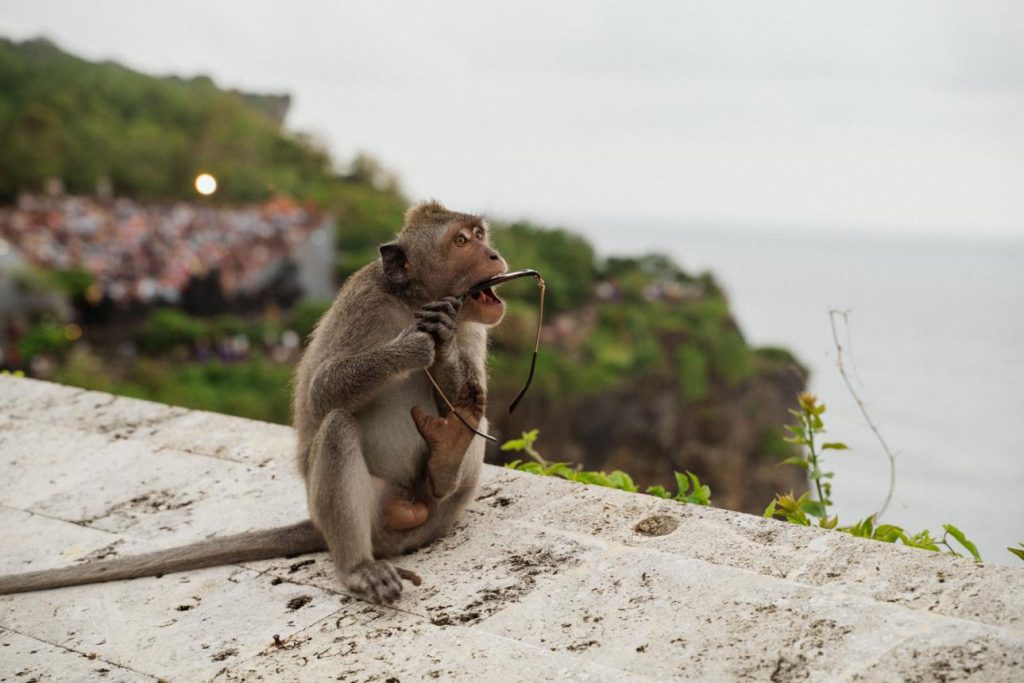
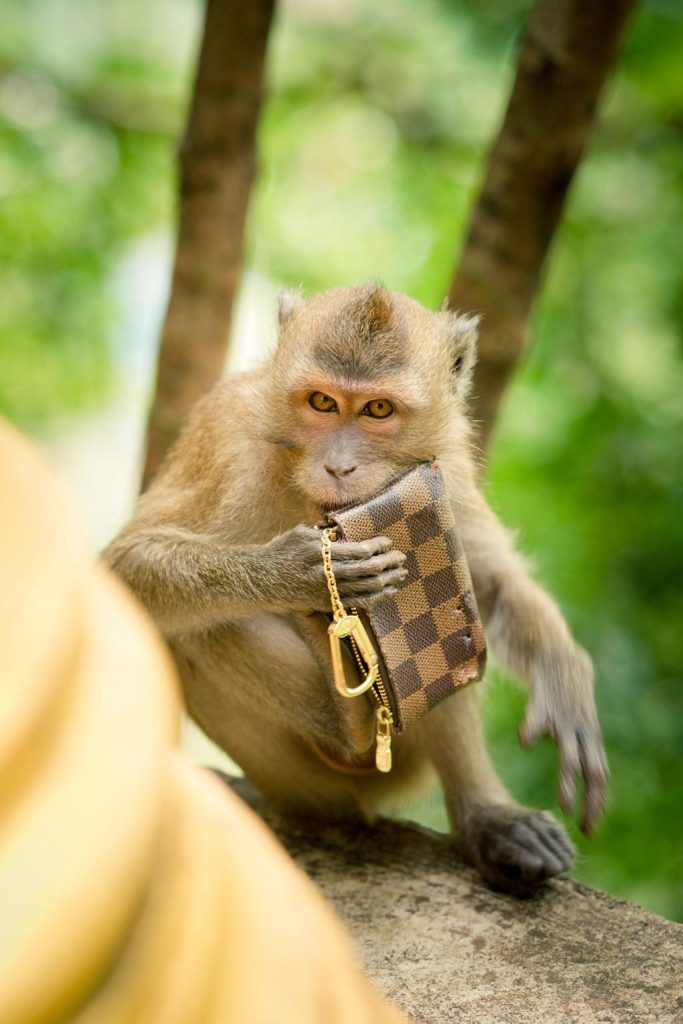
    In some tourist areas, monkeys have learned that stolen items can be exchanged for food. Certain groups of macaques will snatch sunglasses, hats, or even phones from visitors. They then wait for people to offer food in return for the stolen item. Researchers have observed that some monkeys become surprisingly skilled at choosing valuable objects to steal.

    2.Some Monkeys Wash Their Food Before Eating It

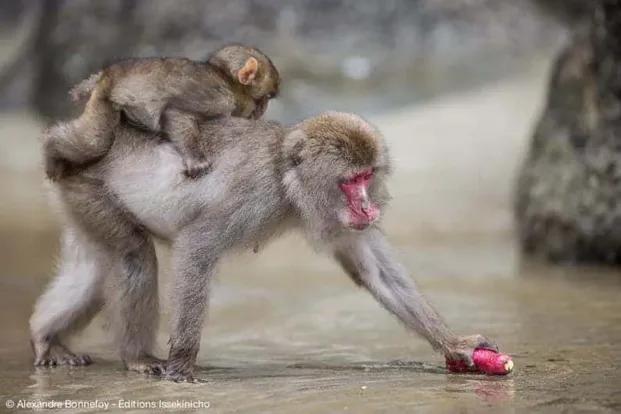
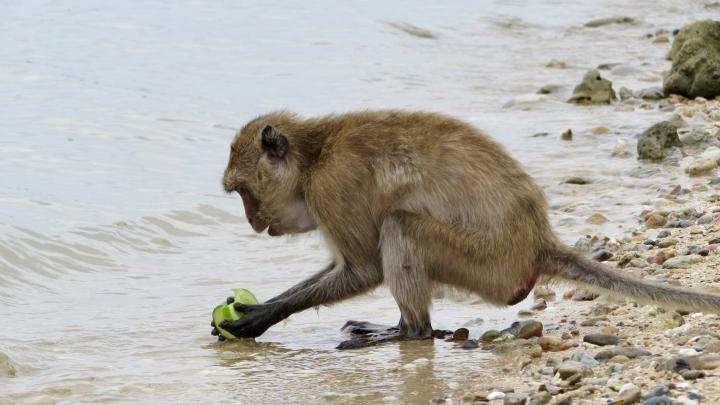
    The Japanese Macaque is famous for an unusual habit discovered in the 1950s. A young monkey started washing sandy sweet potatoes in water before eating them. Other monkeys copied the behavior, and soon it spread through the troop. This is considered one of the best examples of cultural learning in wild animals.

    3.Monkeys Can Use Stone Tools

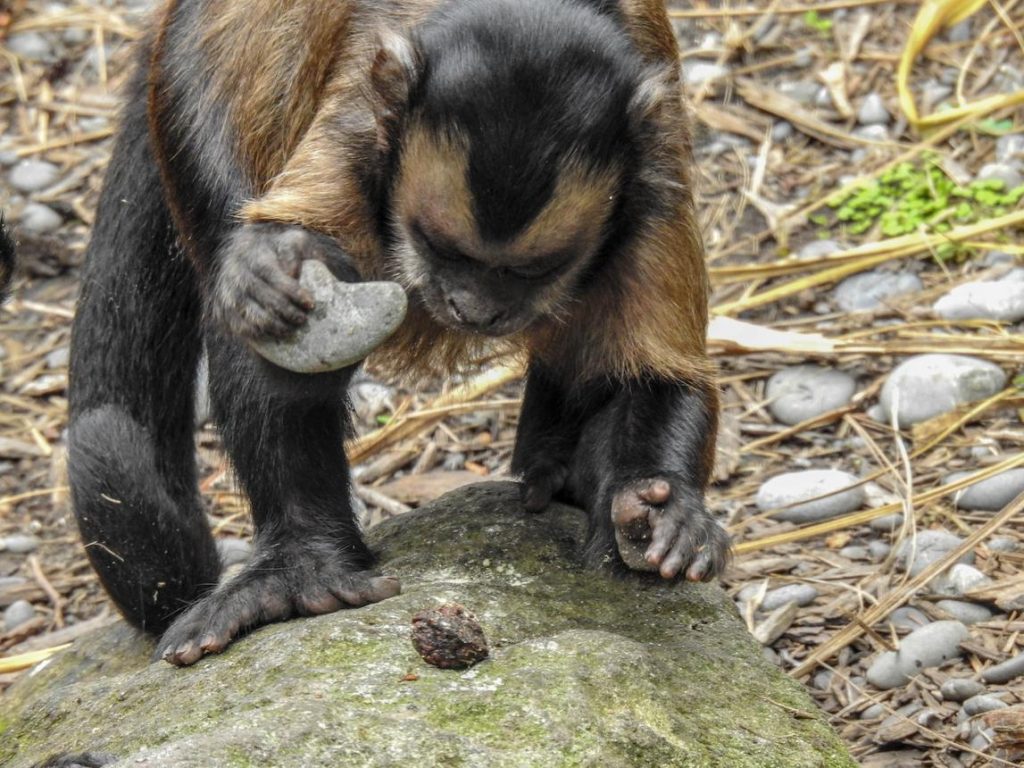
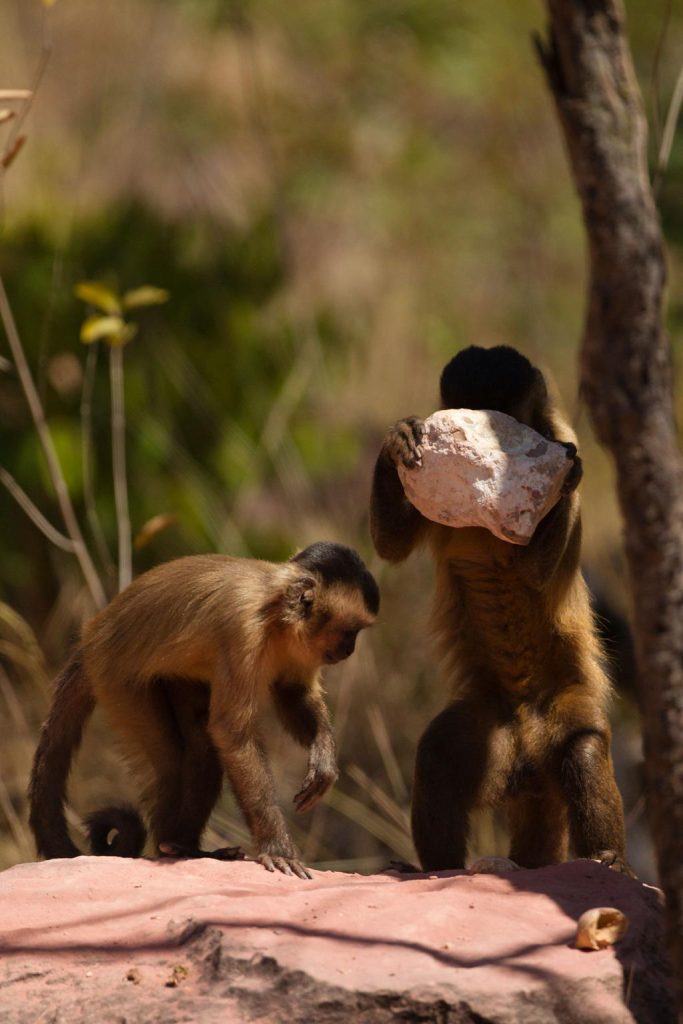
    Some monkeys have learned to use rocks as tools. Wild capuchin monkeys place hard nuts on flat stones and crack them open with another stone. Young monkeys spend years practicing before mastering the technique, much like children learning a new skill.

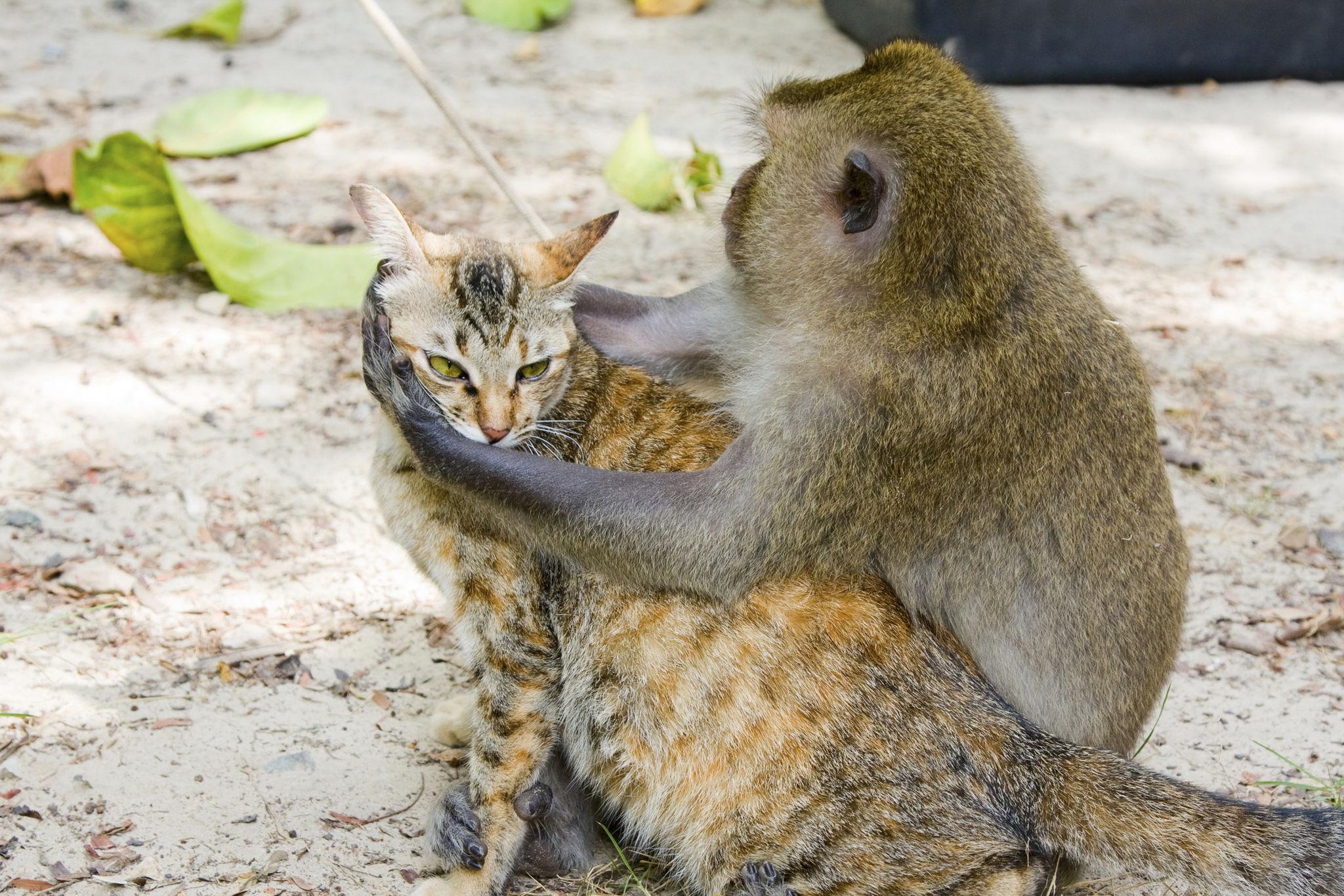
    4.Monkeys Sometimes Adopt Other Animals

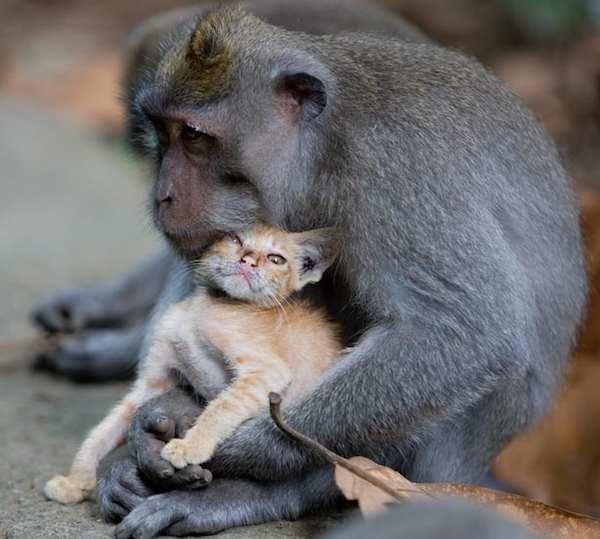
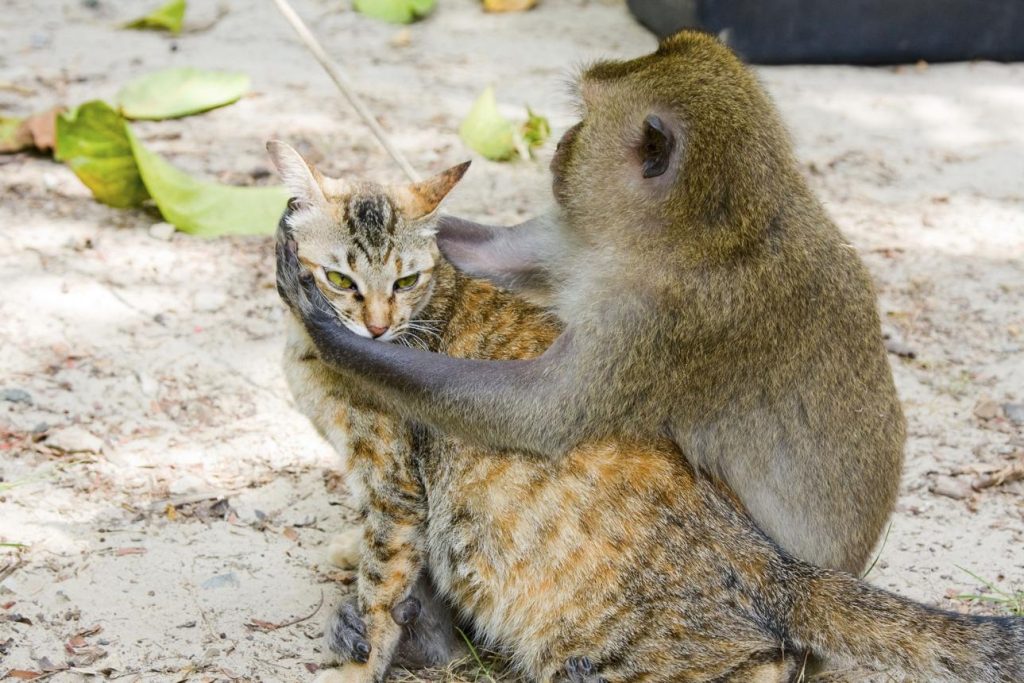
    There have been surprising reports of monkeys caring for abandoned kittens and other small animals. In some cases, monkeys have been observed grooming, protecting, and carrying these animals as if they were members of their own family. Scientists are still studying why this unusual behavior occurs.

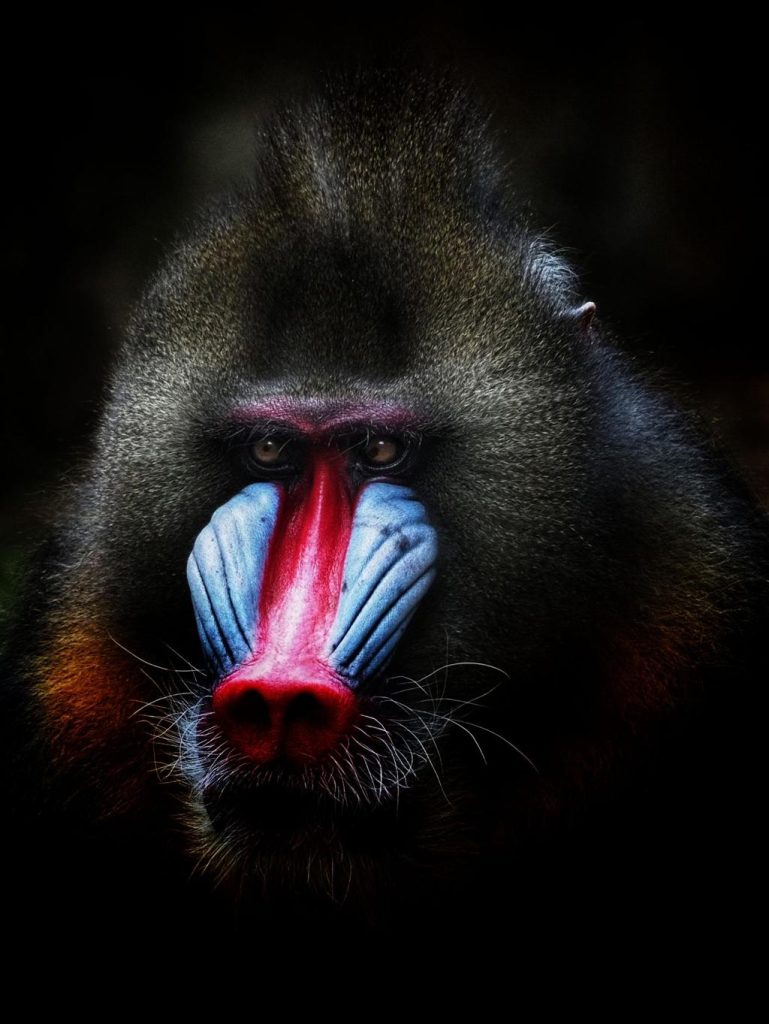
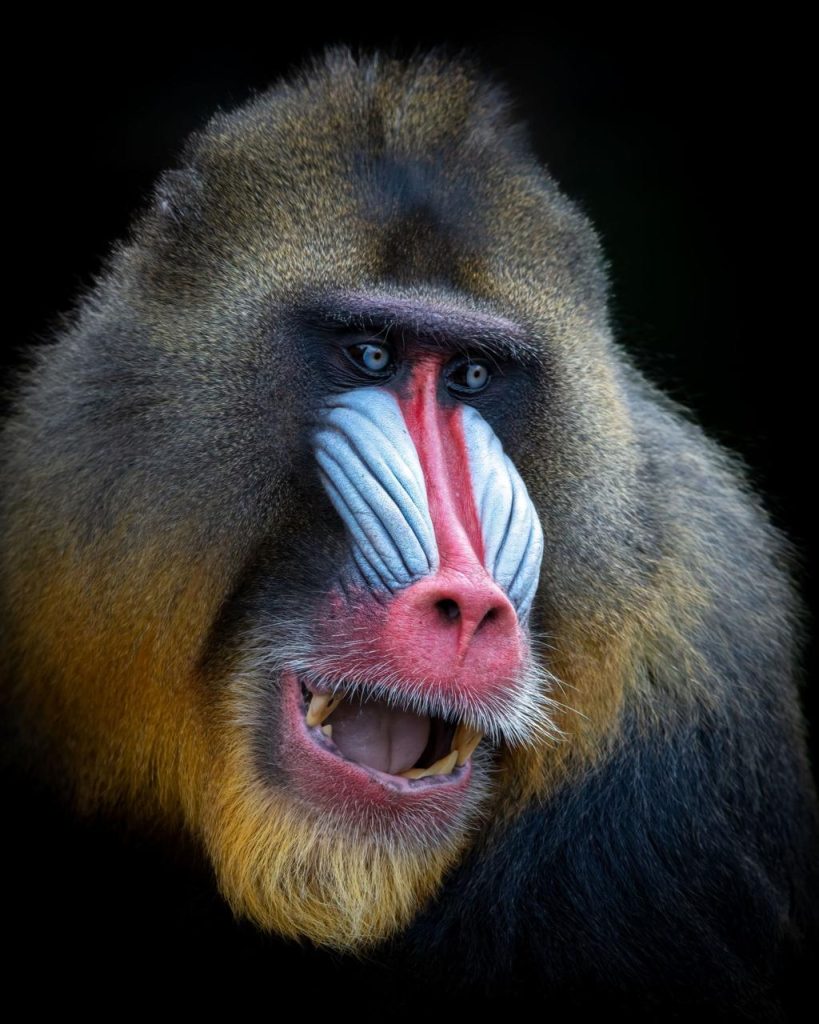
    5.Some Monkeys Have Blue Faces

    The Mandrill is one of the most colorful mammals on Earth. Adult males develop bright blue and red facial markings that become more vivid as they grow stronger and healthier. These striking colors help them attract mates and communicate with other monkeys.

    Conclusion

    Monkeys are intelligent, adaptable animals capable of surprising behaviors. They can wash food, use tools, adopt other animals, become skilled thieves, and even display brilliant colors. These remarkable traits show just how fascinating and complex the monkey world can be.