Strange Stories About Animals During Child Rearing: The Weirdest Parenting Behaviors in Nature
Nature is full of extraordinary parenting stories that often seem stranger than fiction. While many animals simply lay eggs or give birth and move on, others invest enormous time, energy, and even personal risk into raising their young. Across oceans, forests, grasslands, and polar regions, animals have evolved unique child-rearing strategies that help ensure the survival of the next generation.
Some parents carry babies everywhere they go. Others seal themselves inside nests for months. A few species even allow fathers to take on responsibilities usually associated with mothers. These remarkable behaviors demonstrate the incredible diversity of life on Earth and reveal how far animals will go to protect their offspring.
Let’s explore some of the most fascinating and unusual stories about animal parenting.
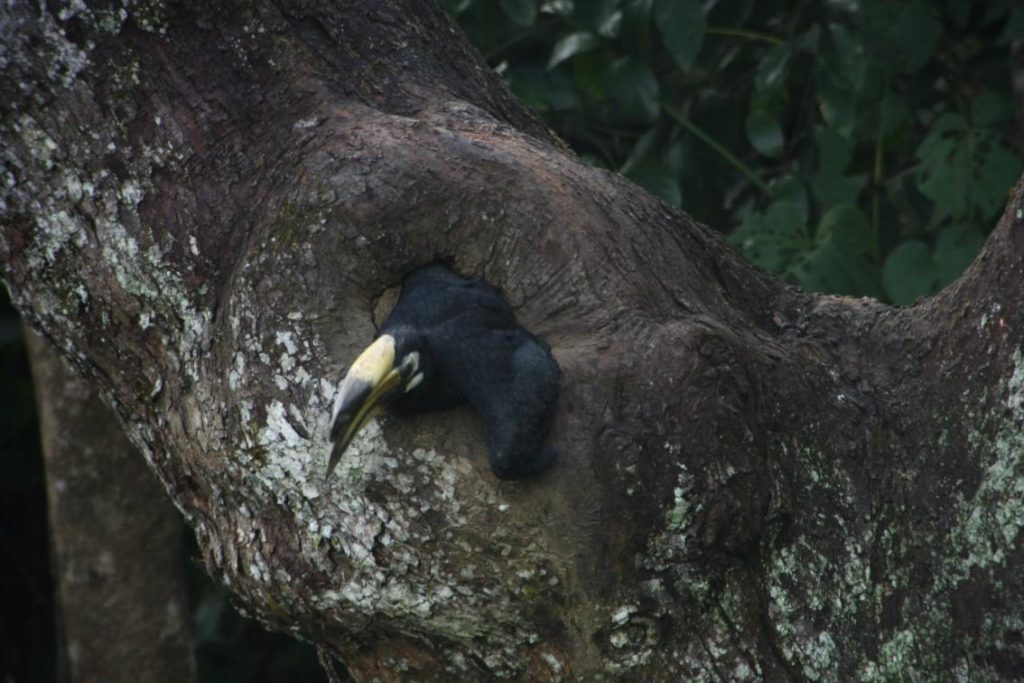
1. Hornbill Mothers Seal Themselves Inside a Tree
Figure 1
Alt Text: Female hornbill bird peeking through a narrow opening in a sealed tree nest while feeding chicks.
One of the strangest parenting strategies in the bird world belongs to hornbills.
When breeding season arrives, the female enters a natural cavity inside a tree trunk. The male then helps seal the entrance using mud, fruit pulp, and droppings. Eventually, only a narrow slit remains open.
Inside this secure chamber, the female lays eggs and raises her chicks. She remains trapped for weeks or even months while incubating eggs and caring for hatchlings.
The male becomes the sole provider during this period. He repeatedly visits the nest opening and passes food through the tiny slit.
This unusual arrangement protects the vulnerable family from predators such as snakes and monkeys. Although it seems extreme, the strategy has proven highly successful for many hornbill species.
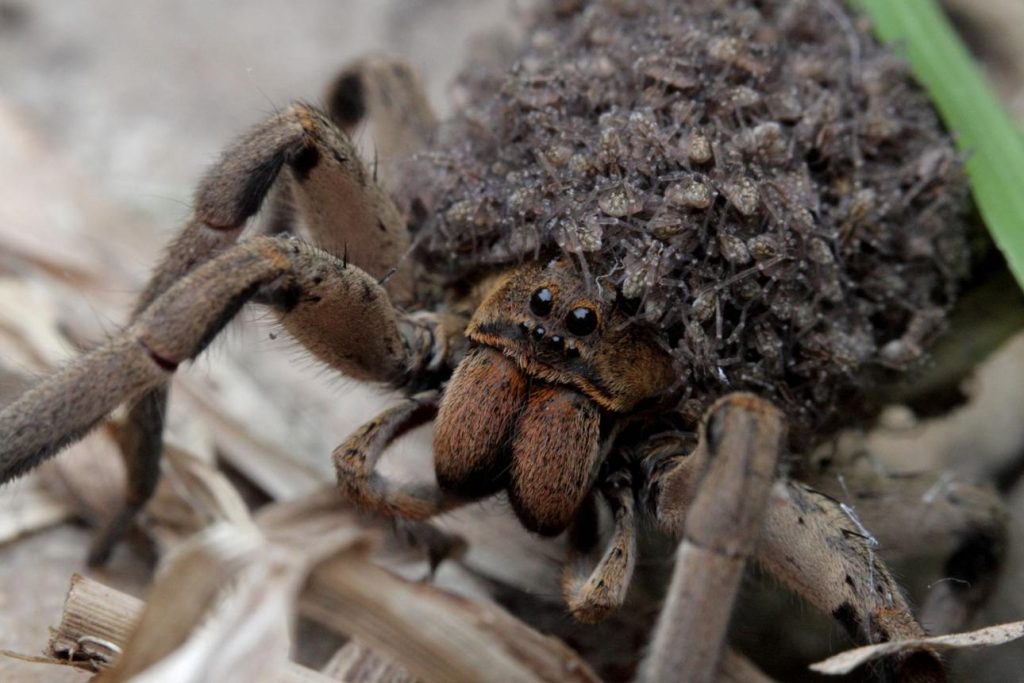
2. Wolf Spiders Carry Hundreds of Babies
Figure 2
Alt Text: Female wolf spider carrying dozens of baby spiderlings on her back.
Most spiders receive a reputation for being solitary creatures, but wolf spiders are surprisingly attentive mothers.
After laying eggs, the female wraps them in a silk egg sac and attaches it to her body. Wherever she goes, the eggs travel with her.
When the spiderlings hatch, they climb onto their mother’s back. A single female may carry dozens or even hundreds of babies at once.
For days or weeks, the young remain there, protected from predators and environmental dangers. The mother continues hunting and moving normally despite carrying her living cargo.
The sight of a spider covered with tiny offspring may appear strange, but it represents one of nature’s most impressive examples of maternal care among invertebrates.
3. Giant Water Bug Fathers Become Living Nurseries
Figure 3
Alt Text: Male giant water bug carrying dozens of eggs attached to its back in a freshwater pond.
In many species, mothers care for eggs. Giant water bugs reverse this pattern completely.
After mating, the female deposits eggs directly onto the male’s back. The father then becomes a living nursery.
For several weeks, he protects the eggs from predators and ensures they receive enough oxygen. He frequently moves near the water’s surface and carefully adjusts his position to keep the eggs healthy.
Carrying dozens of eggs can make swimming more difficult and increase the risk of predation, yet the father continues his duties until the young hatch.
This unusual role reversal makes giant water bugs one of the most fascinating insect parents on Earth.
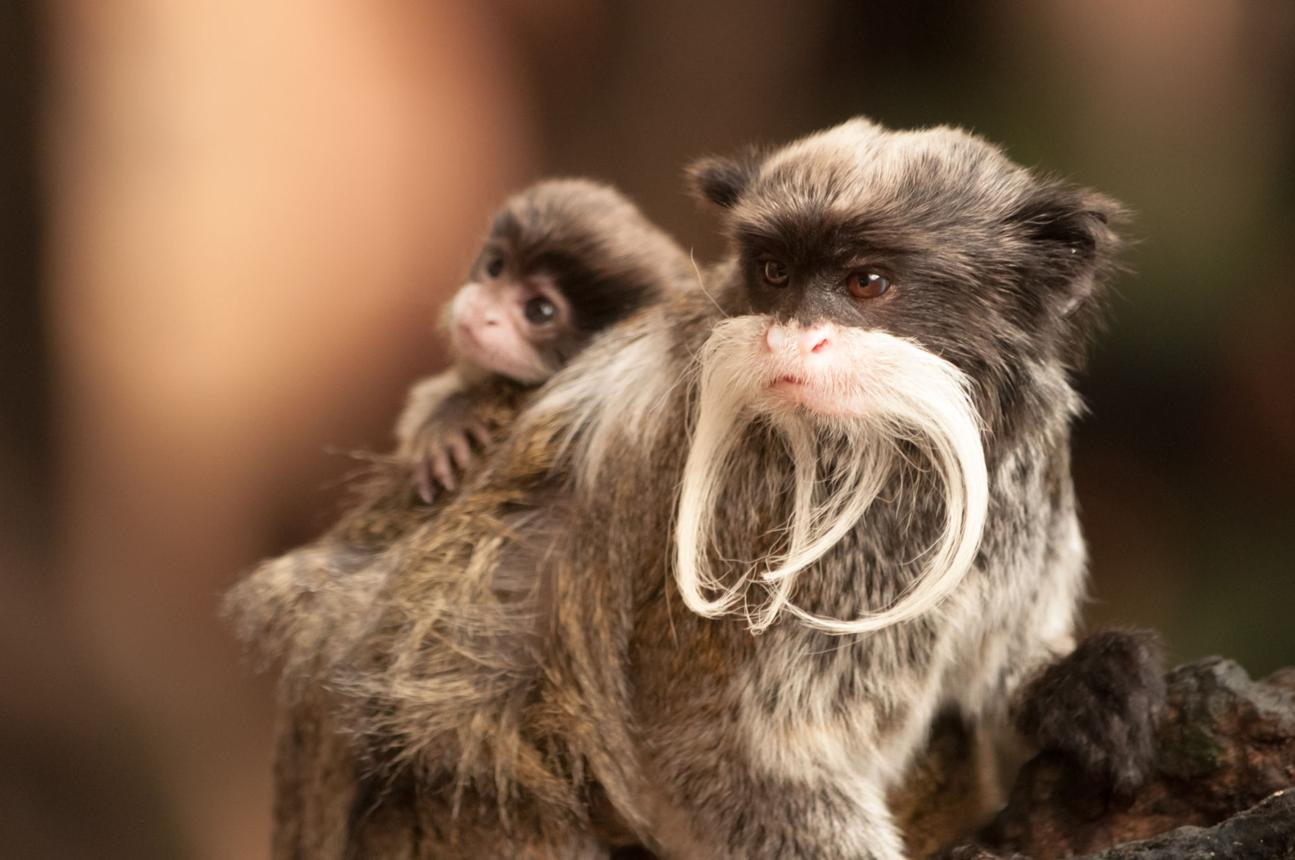
4. Emperor Tamarins Share Childcare Responsibilities
Figure 4
Alt Text: Emperor tamarin father carrying infant twins through a tropical rainforest.
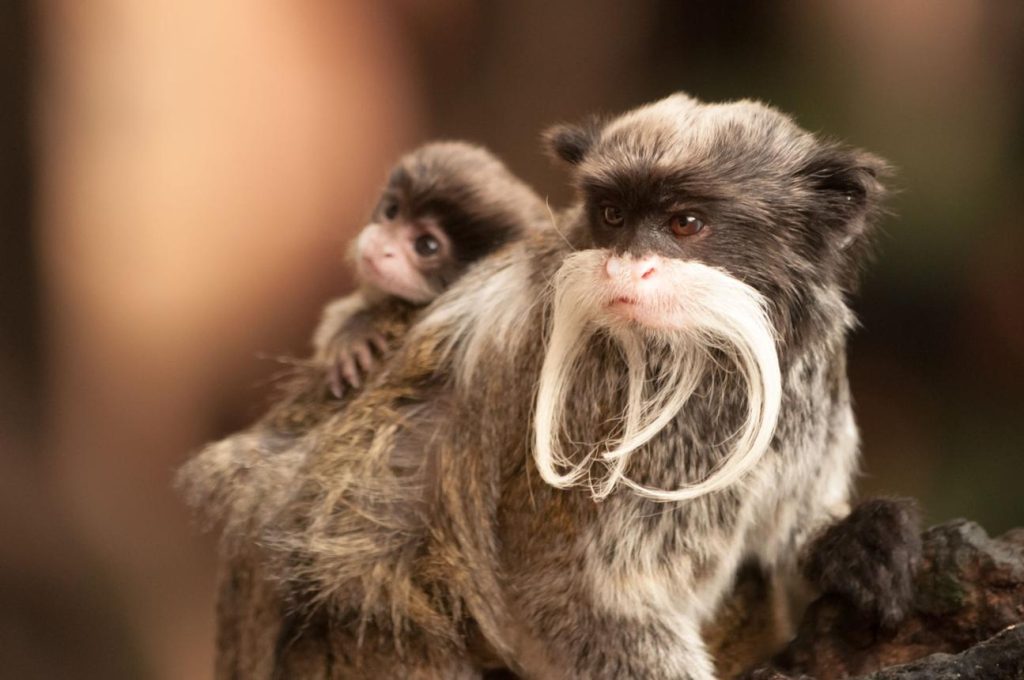
Emperor tamarins are small monkeys with impressive white mustaches and a remarkable approach to parenting.
These primates often give birth to twins, which can be challenging for mothers to raise alone. To solve this problem, fathers take on a major share of childcare.
Within days of birth, infants spend much of their time riding on their father’s back. He carries them through the forest, protects them, and helps them explore their surroundings.
Older siblings and other relatives may also participate in childcare. This cooperative system allows mothers to focus on feeding while the rest of the family helps raise the young.
The result is one of the most successful team-based parenting systems among primates.
5. Orca Mothers Care for Their Sons for Life
Figure 5
Alt Text: Orca mother swimming closely beside her growing calf in the ocean.
Most animals eventually become independent from their parents. Orcas, however, often maintain family bonds throughout their lives.
Male orcas may remain closely associated with their mothers for decades. Research suggests that mothers continue helping their adult sons find food and navigate social relationships.
These long-term family connections are extremely rare in the animal kingdom.
Young calves also receive extensive care during their early years. Mothers teach hunting techniques, communication skills, migration routes, and social behaviors.
The strong relationship between orca mothers and offspring demonstrates that parenting can extend far beyond childhood.
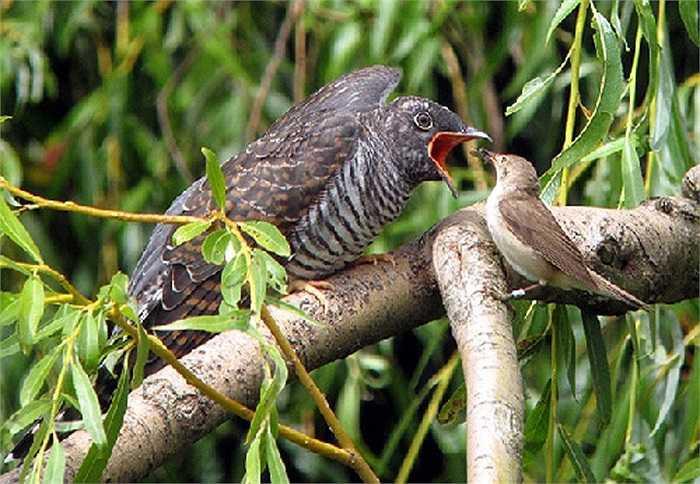
6. Cuckoo Chicks Outsource Parenting
Figure 6
Alt Text: Young cuckoo chick being fed by a smaller foster parent bird in a nest.
The common cuckoo has developed one of the strangest reproductive strategies in nature.
Instead of building its own nest and raising young, a female cuckoo lays eggs in the nests of other bird species. This behavior is known as brood parasitism.
After hatching, the cuckoo chick often pushes the host bird’s eggs or chicks out of the nest. It then receives all the food and attention from foster parents that are not actually related to it.
The unsuspecting adoptive parents work tirelessly to feed a chick that may grow much larger than themselves.
Although unusual and sometimes harsh, this strategy allows cuckoos to produce more offspring while avoiding the demands of traditional parenting.
7. King Penguins Never Lose Track of Their Chicks
Figure 7
Alt Text: King penguin parent recognizing and reuniting with its chick among a large colony.
King penguins breed in enormous colonies containing thousands of birds. Finding one chick among such crowds seems nearly impossible.
Yet parents and chicks recognize each other through unique vocal calls.
When adults return from feeding trips at sea, they use distinctive sounds to locate their offspring. Chicks respond with their own calls, allowing families to reunite even within dense colonies.
This remarkable communication system prevents confusion and ensures that the correct chick receives food.
Without such recognition abilities, raising young in massive groups would be extremely difficult.
Why Animal Parenting Takes So Many Different Forms
The incredible variety of parenting behaviors seen in animals is the result of millions of years of evolution.
Each species faces unique challenges. Some live in dangerous environments filled with predators. Others inhabit regions where food is scarce or seasonal.
As a result, animals develop parenting strategies that maximize the survival of their offspring.
For some species, protection is the highest priority. Others emphasize teaching, cooperation, transportation, or long-term family support.
There is no single “correct” way to raise young in nature. Instead, evolution produces solutions that work best for each environment and lifestyle.
Surprising Similarities Between Animal and Human Parenting
Although animal parenting often appears strange, many behaviors resemble aspects of human family life.
Teaching skills, protecting children, sharing responsibilities, cooperating with relatives, and making sacrifices for offspring are common themes across many species.
Scientists increasingly recognize that parental care is one of the most important factors influencing survival and social development.
The emotional bonds observed in some mammals and birds also suggest that caregiving behaviors can be surprisingly complex.
While animals do not parent exactly as humans do, many demonstrate dedication and commitment that seem remarkably familiar.
Conclusion
The animal kingdom is filled with extraordinary child-rearing stories. Hornbill mothers seal themselves inside nests, wolf spiders carry hundreds of babies on their backs, and giant water bug fathers become living incubators.
Emperor tamarins rely on family teamwork, orca mothers support offspring for decades, cuckoos outsource childcare entirely, and king penguins use unique vocal signatures to find their chicks among thousands.
These remarkable parenting strategies reveal the creativity of evolution and the countless ways life has adapted to ensure survival. Whether through sacrifice, cooperation, protection, or innovation, animals continue to amaze us with the extraordinary lengths they go to care for the next generation.
Their stories remind us that parenting is one of nature’s most powerful forces, shaping the lives of creatures great and small across the planet.
Leave a Reply