

Sea Giants: The Story of the Largest Lobster in the Ocean
Introduction
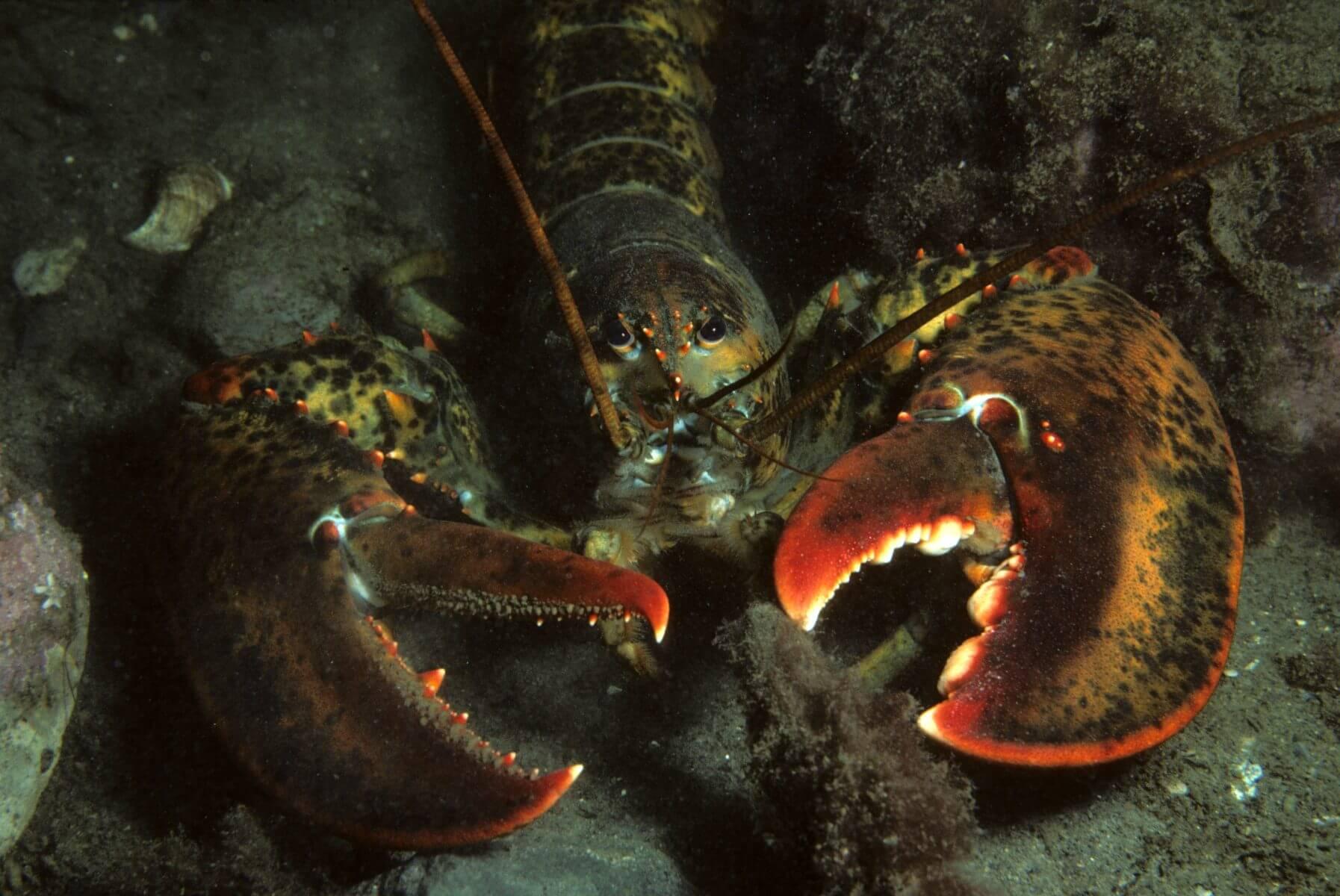
Deep beneath the cold waters of the North Atlantic lives one of the ocean’s most impressive crustaceans—the giant lobster. While most people imagine lobsters as seafood served at restaurants, these remarkable animals can grow to astonishing sizes and live far longer than many realize.
Among all known lobsters, the American lobster holds the record as the largest lobster species in the world. Some individuals have reached extraordinary dimensions, turning these creatures into legends of the sea.
Meet the Ocean’s Heavyweight
The American lobster (Homarus americanus) is found mainly along the Atlantic coast of North America. These powerful crustaceans inhabit rocky seabeds where they hide among crevices and search for food.
Most adult lobsters weigh only a few pounds, but under ideal conditions they continue growing throughout life because they shed their shells in a process called molting. Unlike many animals that stop growing after adulthood, lobsters can keep increasing in size for decades.
This unusual growth pattern has allowed a few exceptional individuals to become truly gigantic.
The Largest Lobster Ever Recorded
The largest documented lobster ever recorded weighed approximately 44 pounds (20 kilograms) and measured around 3.5 feet (over 1 meter) long.
Captured near Nova Scotia in 1977, this enormous American lobster became famous worldwide and remains one of the biggest verified specimens ever documented.
To put that into perspective, that lobster weighed about as much as a medium-sized dog.
Scientists believe reaching this size requires a rare combination of factors:
- Long lifespan
- Cold water conditions
- Abundant food
- Avoidance of predators and fishing pressure
Because lobsters grow slowly, reaching giant proportions may take several decades.
Why Lobsters Can Become So Large
Lobsters possess several fascinating biological traits that support their growth.
Their exoskeleton protects soft tissues but must be shed regularly. After molting, the new shell expands before hardening.
Cold environments also play a role. Lower temperatures slow metabolism and can contribute to longer lifespans.
Another advantage is their varied diet. Lobsters eat fish remains, mollusks, sea worms, crabs, and even plant material.
This adaptability allows them to survive across changing marine environments.
The Mystery of Lobster Aging
For years, stories circulated claiming lobsters never age.
Scientists now understand that lobsters do experience aging, but their biology differs from mammals. Some research suggests they maintain cellular repair abilities longer than many animals, helping explain their extended lifespan.
However, eventually energy demands, molting stress, and environmental challenges catch up.
Even so, a giant lobster may represent decades of survival in a difficult underwater world.
Gentle Giants of the Seafloor
Despite their intimidating claws, giant lobsters are not aggressive sea monsters.
They spend most of their time moving slowly across the seabed, hunting small prey or scavenging. Their claws serve different purposes—one often crushes while the other cuts.
These giants are an important part of marine ecosystems, helping recycle nutrients and maintain ecological balance.
Final Thoughts
The largest lobster ever discovered reminds us that the ocean still contains incredible surprises. Hidden beneath waves and rocky coastlines, these armored giants continue living quiet lives far from human attention.
The next time you hear the word “lobster,” imagine not a dinner plate—but a powerful sea creature that may have spent decades growing into one of the largest crustaceans on Earth.
Suggested Alt Text (for 6–7 images)
- Giant American lobster resting on the rocky ocean floor.
- Close-up of enormous lobster claws underwater.
- Fisherman displaying an unusually large lobster catch.
- Detailed view of a lobster’s shell and antennae.
- Large lobster emerging from a rocky seabed shelter.
- Underwater scene showing giant lobster in natural habitat.
- Comparison of giant lobster size beside an average lobster.