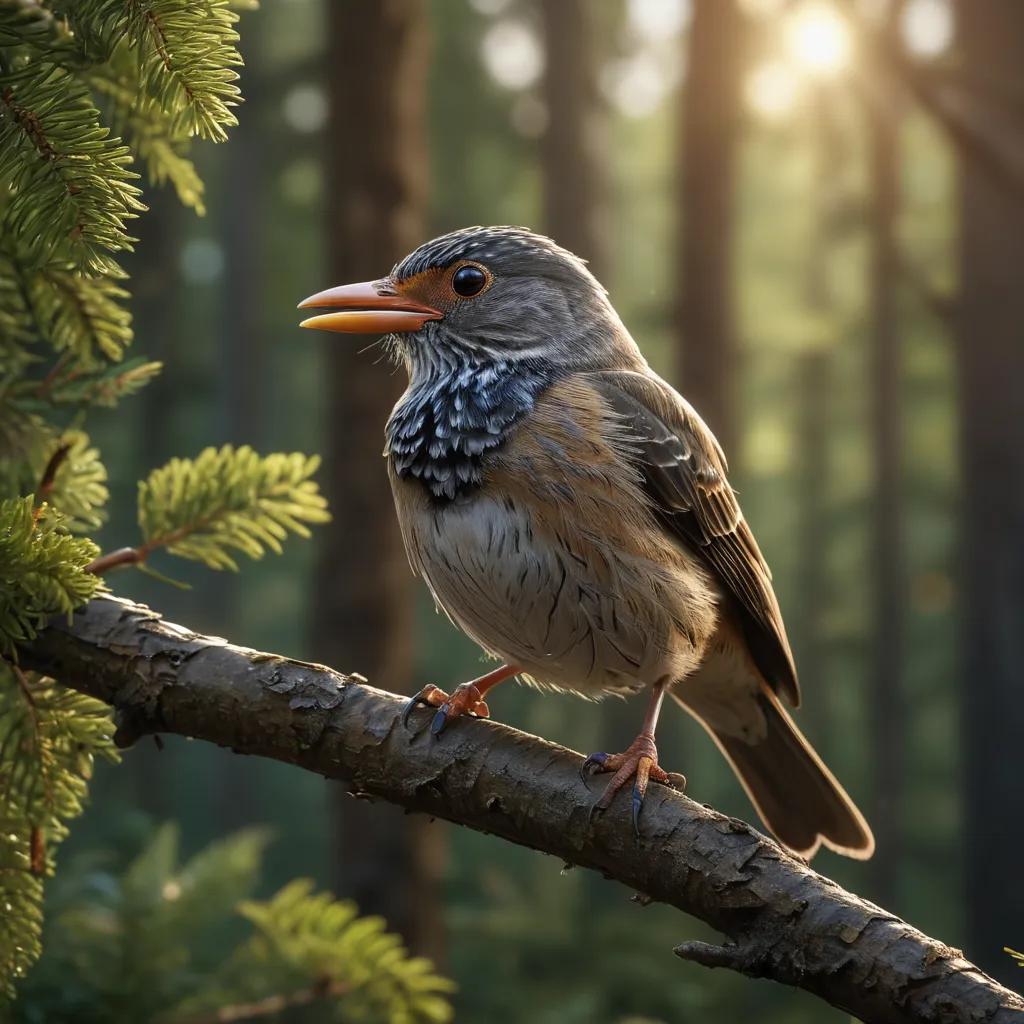
Endangered species are some of the rarest and most fascinating creatures on Earth. Because their populations are small and their habitats are constantly changing, these animals often experience unusual events and behaviors that scientists are still trying to understand. From changing gender to adopting new survival skills, endangered species can sometimes do things that seem almost unbelievable.
Here are seven strange things that can happen to endangered species.
1.Some Endangered Animals Can Change Their Gender
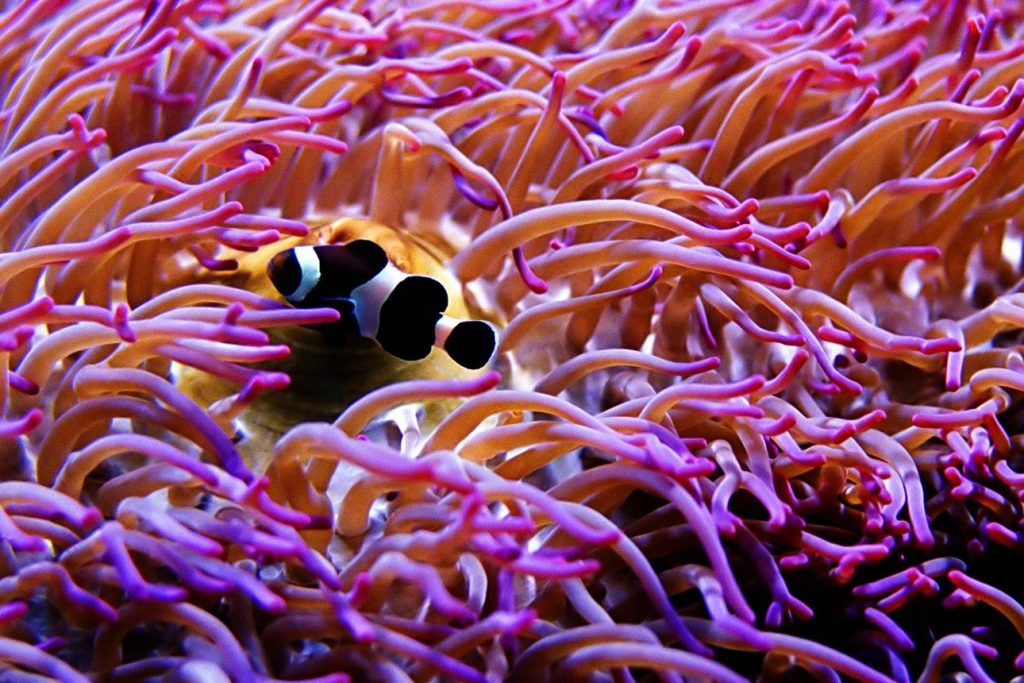
One of the strangest phenomena in nature is the ability of certain animals to change their sex. Among some fish species, including populations that face conservation concerns in certain regions, individuals can switch from male to female when needed.
This remarkable adaptation helps maintain breeding populations when mates become scarce. If the dominant female disappears, a male may transform into a female and take her place.
Scientists believe this ability increases the chances of survival for small populations and helps endangered groups continue reproducing despite declining numbers.
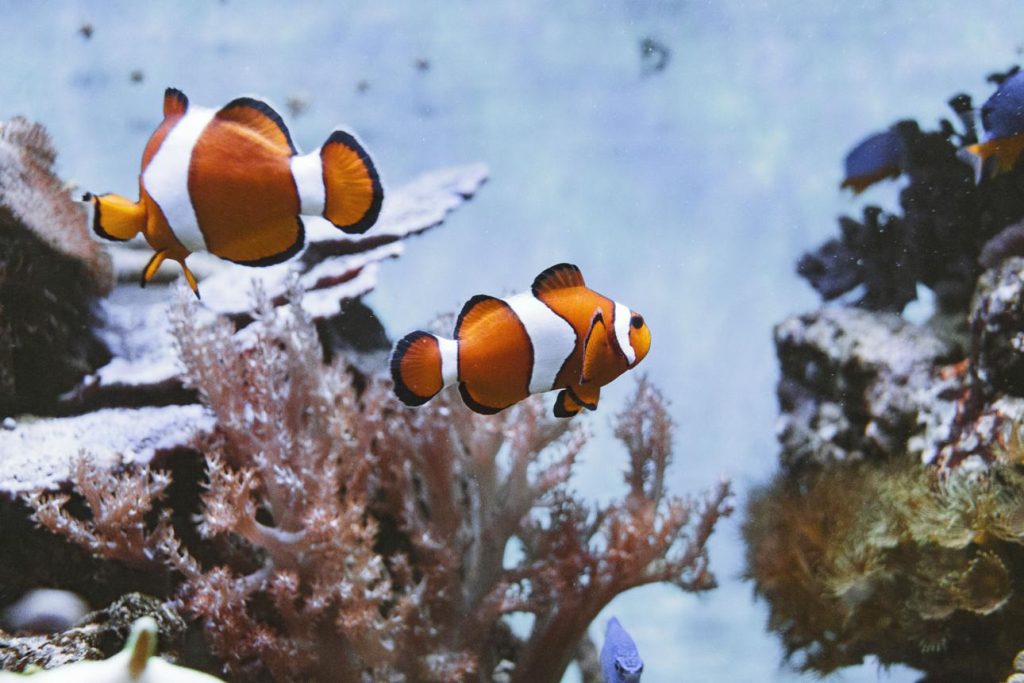
2.Rare Birds Sometimes Learn New Songs From Human Noise
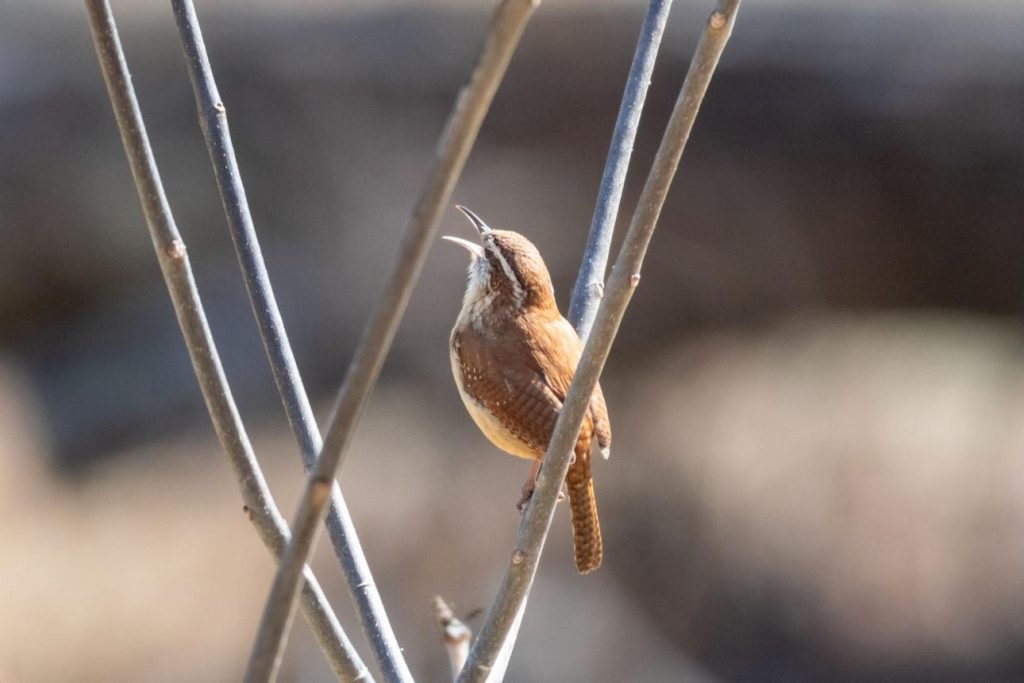
Many endangered bird species depend on songs to attract mates and defend territories. However, habitat loss and increasing human activity have created a surprising challenge.
Some birds have begun altering their songs to compete with traffic, machinery, and urban noise. Scientists have discovered that certain birds sing at higher pitches or different times of day to make themselves heard.
This unusual adaptation demonstrates how wildlife can respond to environmental changes in unexpected ways.
In some cases, young birds may even learn modified songs from older generations, creating entirely new vocal traditions.
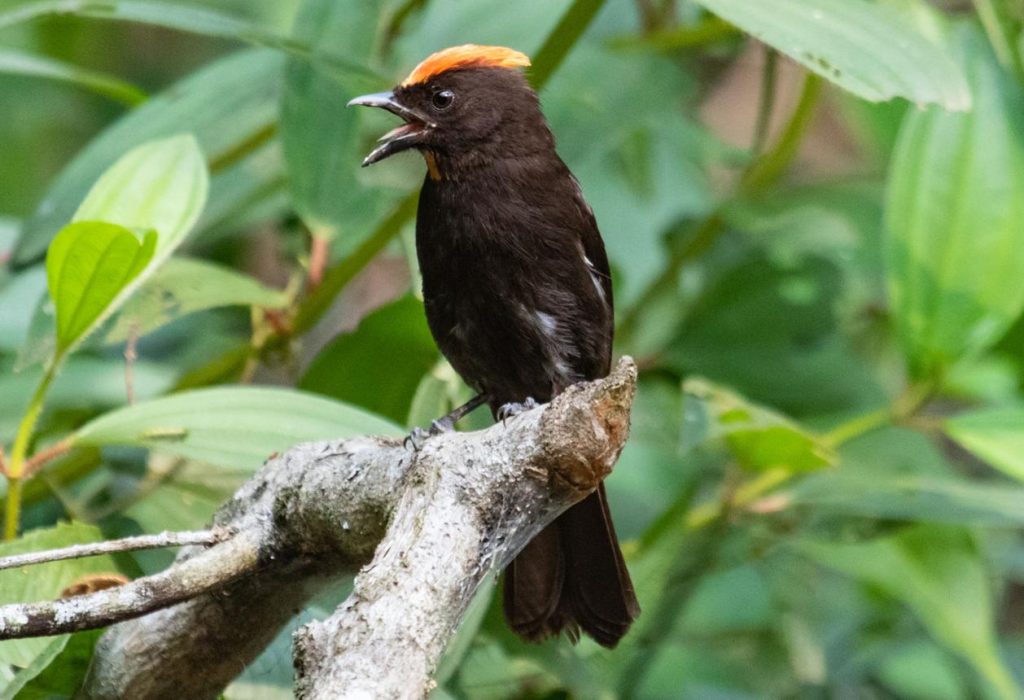
3.Endangered Species Can Become Nocturnal
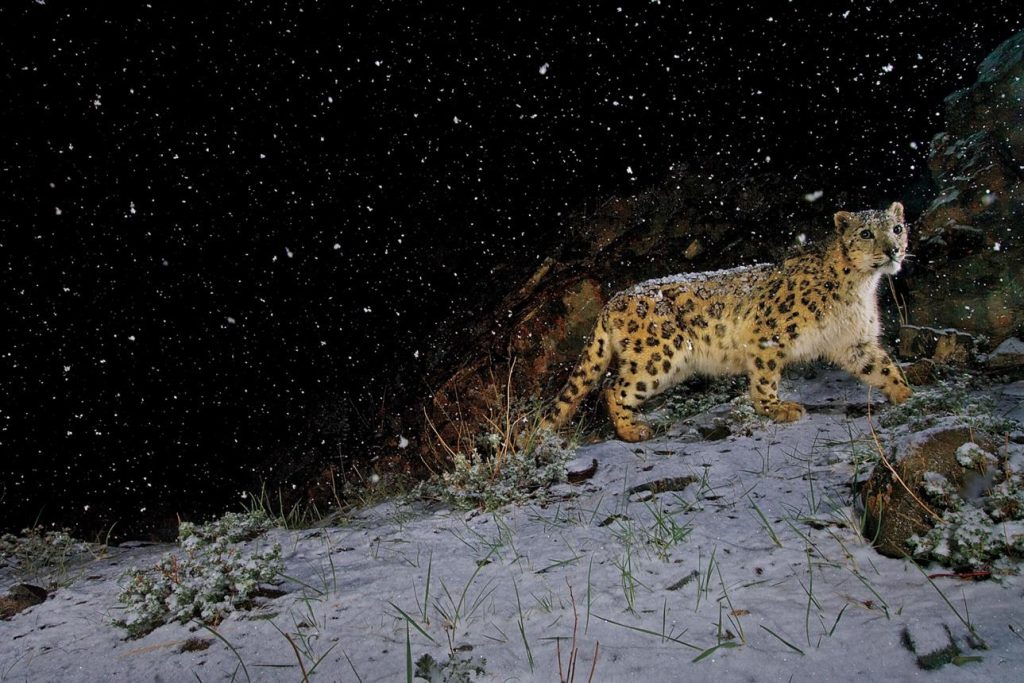
Animals that were once active during the day sometimes become creatures of the night.
As human populations expand into natural habitats, endangered species often encounter more people, vehicles, and development. To avoid these disturbances, some animals shift their activity patterns.
Researchers have observed endangered mammals becoming increasingly nocturnal, hunting and traveling under the cover of darkness rather than during daylight hours.
While this strategy helps them avoid danger, it can also affect feeding habits, social interactions, and reproduction.
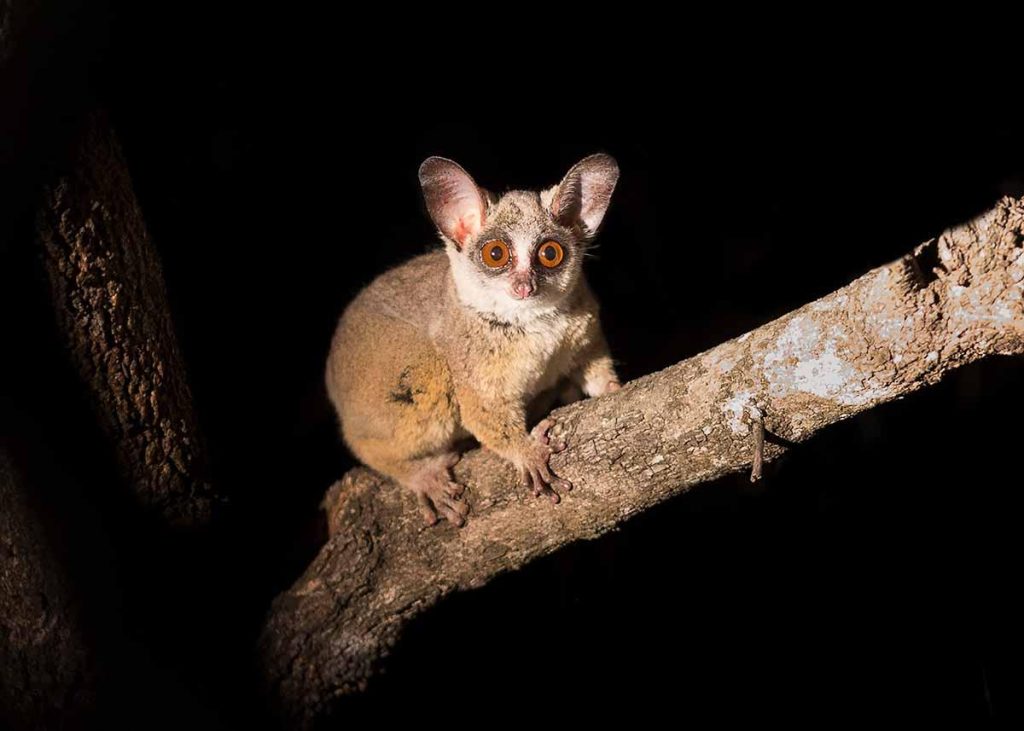
4.Some Animals Raise Babies That Aren’t Their Own
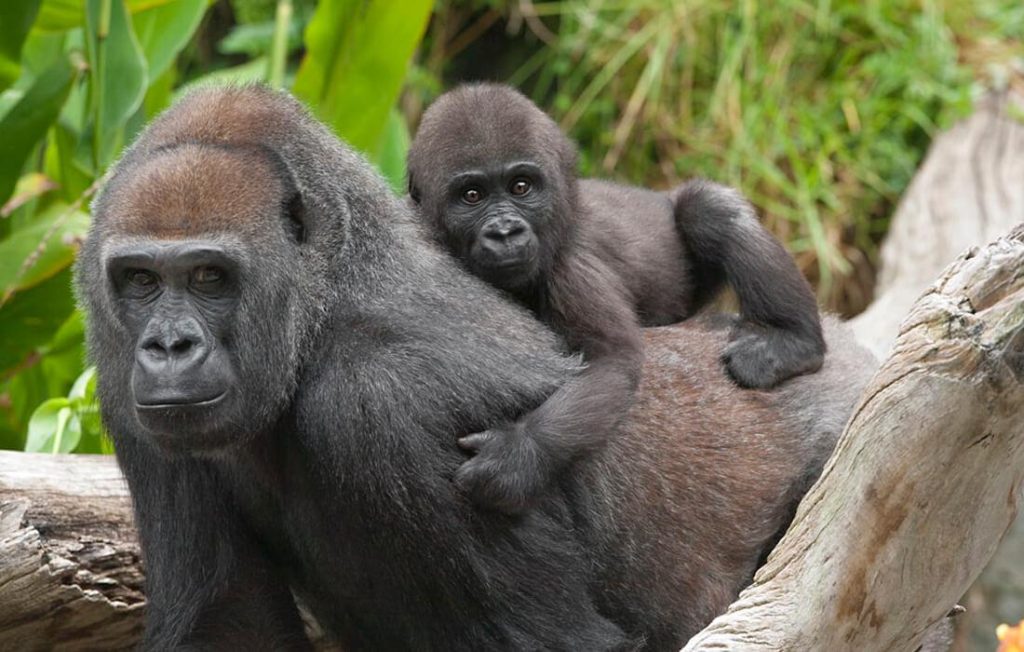
Adoption is not limited to humans.
Among endangered species, scientists have occasionally observed adults caring for orphaned young that are not their biological offspring.
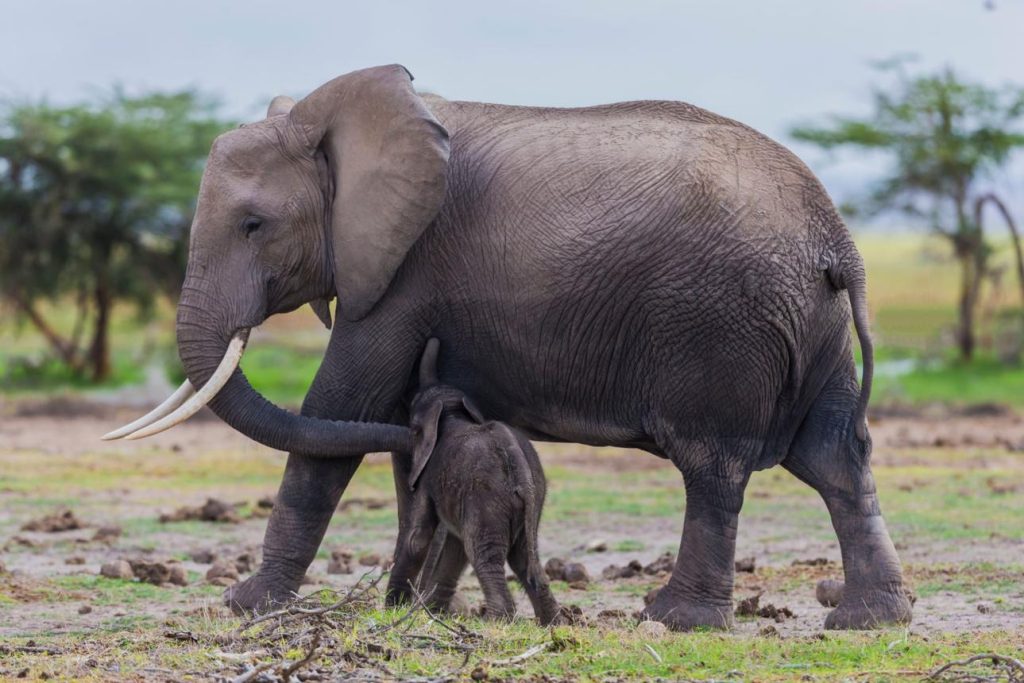
This behavior has been documented in various mammals, including primates and elephants. Adult animals may feed, protect, and nurture unrelated young after the loss of their parents.
Such acts increase the survival chances of vulnerable offspring and may help maintain population numbers when every individual matters.
For species on the brink of extinction, these unexpected acts of care can play an important role in conservation.
5.Endangered Animals Sometimes Forget Natural Survival Skills
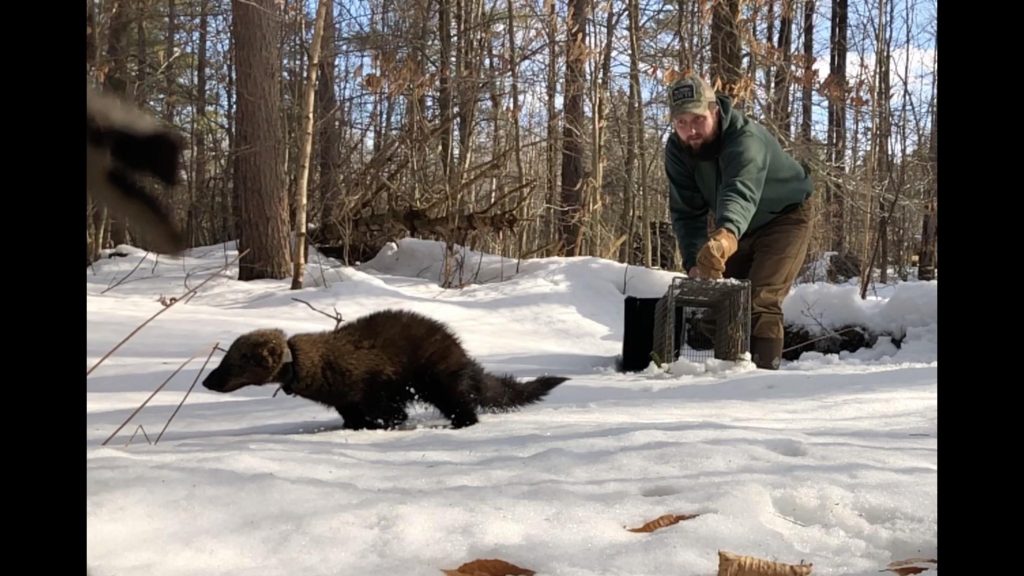
Conservation programs have successfully bred many endangered species in captivity. However, an unusual challenge sometimes arises.
Animals raised in protected environments may fail to learn important survival skills such as hunting, avoiding predators, or finding food.
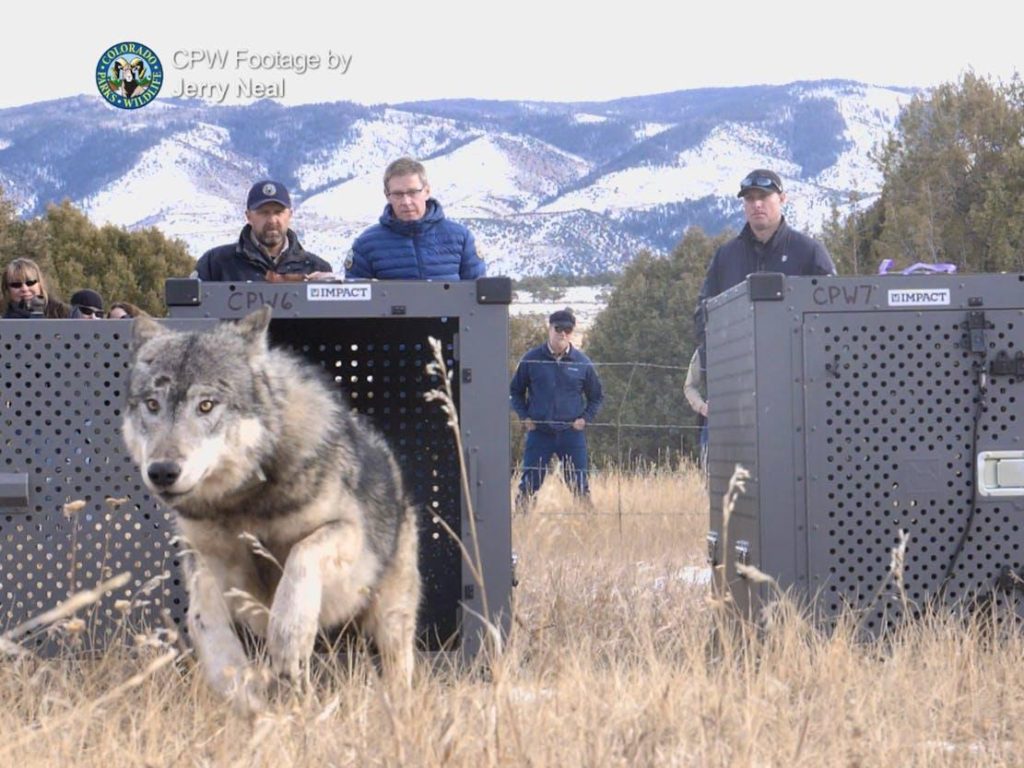
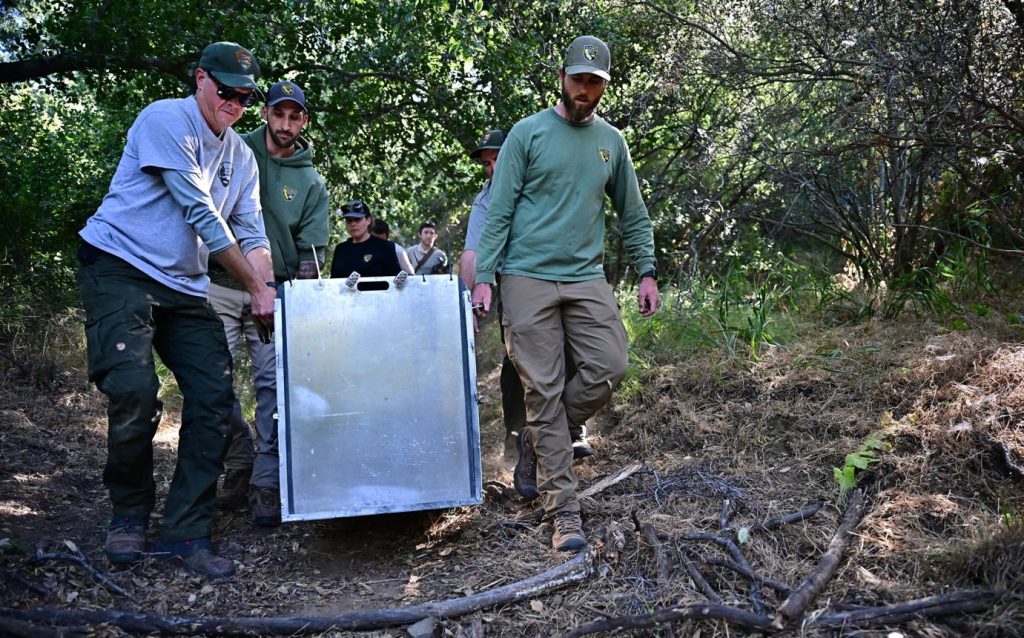
When reintroduced into the wild, these animals often require special training to help them adapt.
Conservationists may use simulated predators, natural feeding exercises, and social learning programs to prepare animals for life outside captivity.
This strange situation highlights how survival is not based solely on genetics but also on learned behavior.
6.Tiny Populations Can Develop Unusual Physical Traits
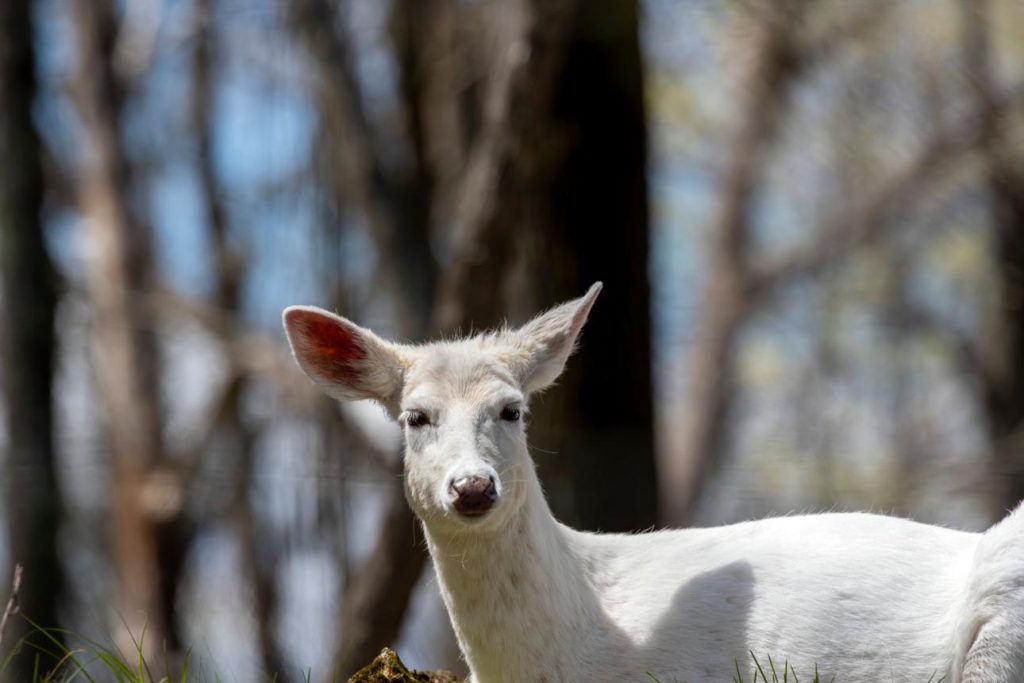
When animal populations become very small, genetic diversity decreases.
As a result, unusual physical characteristics may appear more frequently. Scientists sometimes observe rare color patterns, body shapes, or other distinctive traits in endangered populations.
While some changes are harmless, others can create health challenges or reduce survival rates.
Conservation programs often work to increase genetic diversity by carefully managing breeding populations and protecting habitat connections.
These efforts help ensure healthier future generations.
7.Endangered Species Can Learn to Use Human-Made Objects
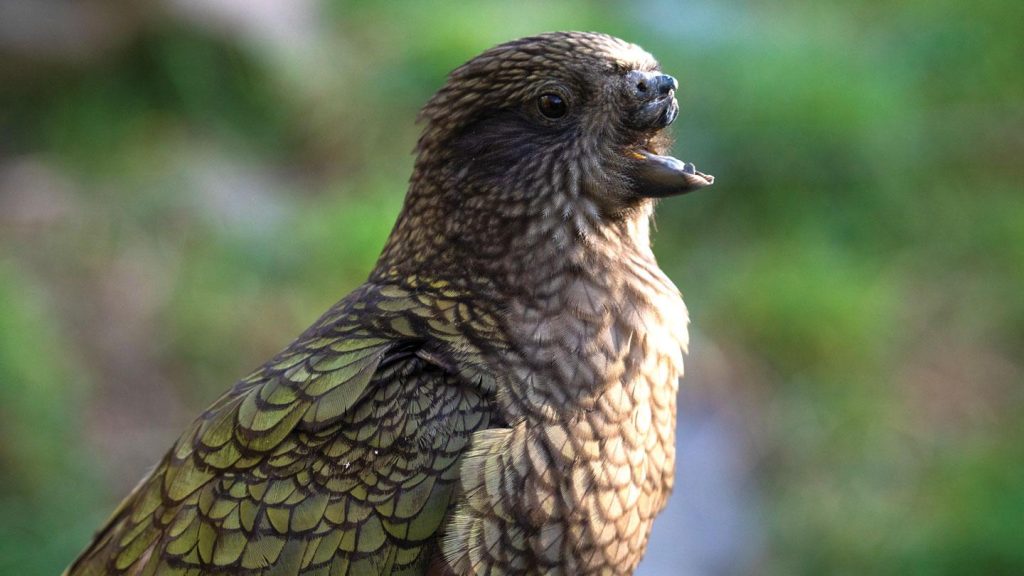
Some endangered animals have displayed remarkable intelligence by adapting to modern environments.
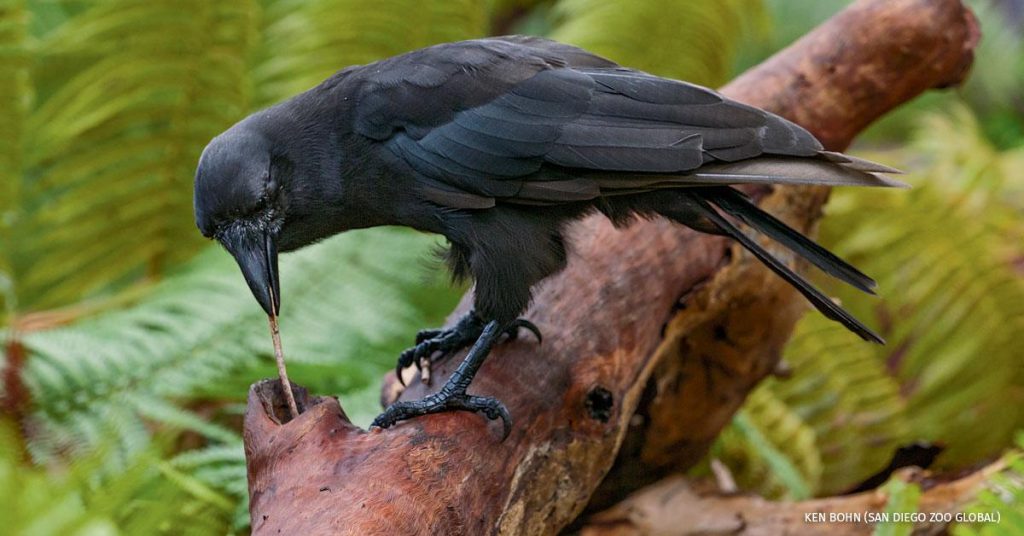
Researchers have observed certain species using human-made materials as tools, shelter components, or food-gathering aids.
Birds may incorporate wires or plastic into nests. Mammals may learn to open containers or navigate obstacles created by people.
These behaviors show how adaptable wildlife can be when faced with rapidly changing conditions.
Although such innovations may help animals survive, they also remind us of the growing influence humans have on ecosystems worldwide.
Why Protecting Endangered Species Matters
Endangered species are more than just rare animals. They are essential parts of ecosystems that help maintain nature’s balance. Every species plays a unique role, whether it spreads seeds, controls pests, pollinates plants, or supports food chains.
When endangered species disappear, entire ecosystems can suffer. Protecting these animals helps preserve biodiversity and ensures that future generations can continue to experience the incredible variety of life on Earth.
The strange behaviors and adaptations described above demonstrate just how resilient wildlife can be. Yet even the most adaptable species need healthy habitats and conservation support to survive.
By protecting endangered animals today, we help safeguard the natural world for tomorrow.
Leave a Reply