Tag: Animal facts

  • Unusual Families in the Wild: Animals That End Up Raising Someone Else’s Young

    Unusual Families in the Wild: Animals That End Up Raising Someone Else’s Young

    Image
    Image
    Image
    Image

    Unusual Families in the Wild: Animals That End Up Raising Someone Else’s Young

    Category

    Wildlife & Nature

    Introduction: When Nature Breaks Its Own Rules

    In the animal kingdom, parenthood is usually a straightforward affair. Mothers and fathers invest enormous effort into raising offspring that carry their genes, ensuring the survival of their family line. This basic principle is one of the foundations of evolution.

    Yet nature is rarely as simple as the textbooks suggest.

    Across the globe, scientists, wildlife photographers, and animal rescuers have documented astonishing cases in which animals raise babies that are not their own. Sometimes the adopted youngster belongs to the same species. In other situations, the foster child comes from an entirely different branch of the animal kingdom.

    These strange relationships challenge traditional ideas about animal behavior. Why would a fox care for an unrelated cub? Why would a cat protect ducklings? Why would a penguin devote energy to feeding a chick that does not belong to it?

    The answers reveal a fascinating world where instinct, circumstance, and social behavior combine to create some of nature’s most unexpected families.


    The Lost and the Found

    Life in the wild is dangerous, especially for newborn animals.

    Storms, predators, accidents, disease, and environmental changes can leave young animals orphaned within days of birth. Under normal circumstances, these youngsters face extremely low chances of survival.

    Occasionally, however, another adult steps into the role of caregiver.

    This substitute parent may provide food, warmth, protection, and guidance. While such arrangements are not common, they occur often enough to attract the attention of researchers.

    In many cases, the foster parent gains no obvious benefit from helping. Yet the behavior persists across numerous species, suggesting that nature’s parenting instincts can be remarkably flexible.


    The Cat That Thought Ducklings Were Kittens

    Domestic cats have produced some of the most surprising adoption stories ever recorded.

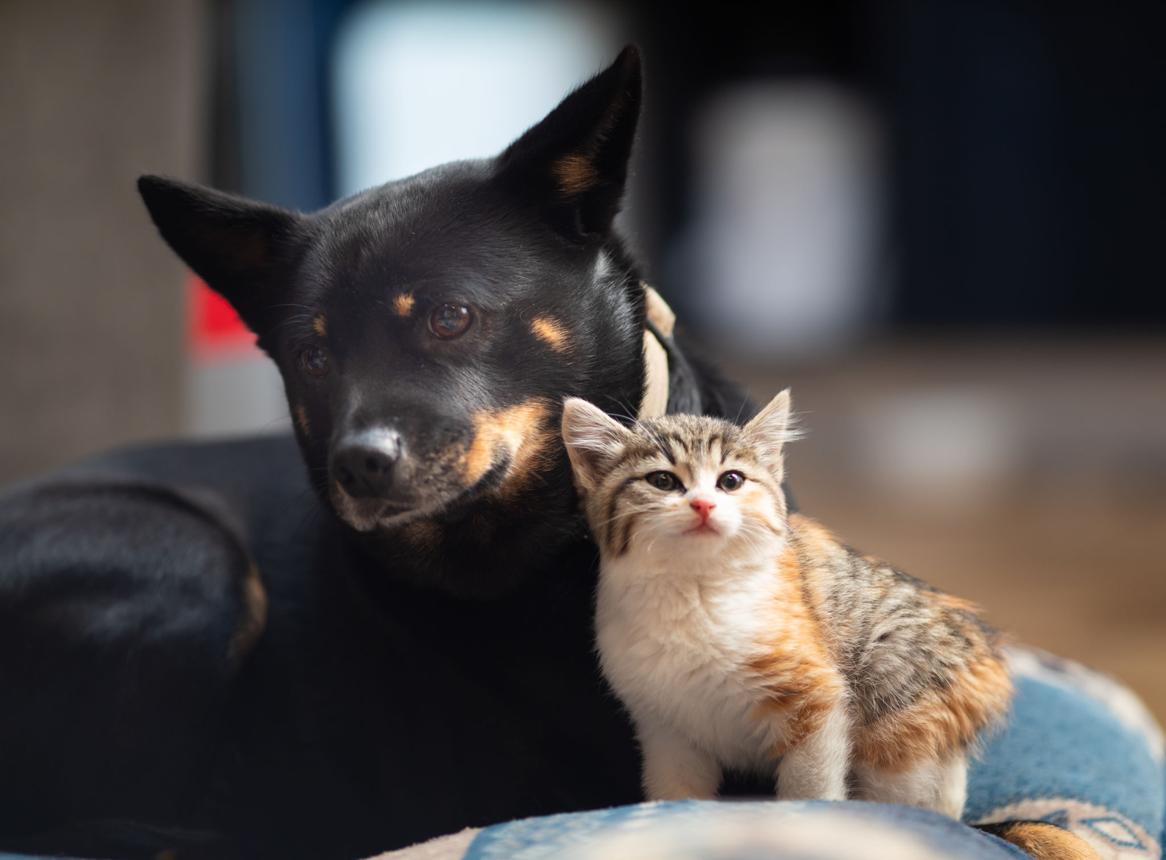
    Animal shelters and farms frequently report cases of mother cats caring for ducklings, chicks, rabbits, and squirrels. The adopted babies sleep alongside kittens, receive grooming, and remain under the cat’s protection.

    To human observers, the situation appears unusual because cats are natural predators of small birds and rodents.

    Scientists believe maternal hormones help explain this contradiction. During motherhood, the drive to nurture can become so strong that vulnerable young animals trigger protective responses instead of hunting behavior.

    The result is a family that seems to ignore the normal rules of predator and prey.


    Foster Parenting Among Sea Lions

    Marine mammals are known for complex social behavior, and sea lions provide an intriguing example.

    Researchers studying colonies have observed females nursing pups that were not genetically related to them. In crowded environments where mothers and offspring gather in large numbers, mix-ups can occur.

    Some orphaned pups have survived because unrelated females allowed them to feed alongside their own young.

    While not every sea lion accepts an unrelated pup, these cases demonstrate that caregiving can sometimes extend beyond biological family connections.

    For vulnerable youngsters, such acceptance can mean the difference between life and death.


    The Curious Friendship Between Baboons and Kittens

    Wildlife photographers occasionally capture images that seem almost impossible.

    One of the most remarkable involves baboons interacting gently with kittens or puppies.

    Although not true adoption in every case, some baboons have been observed carrying, grooming, and protecting young domestic animals. Researchers continue studying these interactions to understand their cause.

    Possible explanations include curiosity, social bonding, and nurturing instincts triggered by infant behavior.

    Regardless of the reason, the sight of a powerful primate caring for a tiny kitten remains one of nature’s most unexpected scenes.

    Image
    Image
    Image
    Image
    Image
    Image

    Why Baby Animals Look So Similar

    One reason foster parenting occurs may be surprisingly simple.

    Many baby animals share common physical features:

    • Large eyes
    • Rounded heads
    • Soft facial features
    • Small body size
    • High-pitched sounds

    These characteristics communicate vulnerability.

    Scientists refer to this collection of traits as infantile features, and they appear designed to attract adult attention.

    Because these signals are similar across many species, adults sometimes respond to unrelated youngsters in much the same way they would respond to their own offspring.

    This biological shortcut helps explain why cross-species adoption occasionally occurs.


    Penguins and Their Persistent Parenting Instincts

    Penguins are among the most dedicated parents in the bird world.

    Raising a chick in harsh polar conditions requires tremendous effort. Adults spend weeks protecting eggs, searching for food, and defending young from predators.

    Yet despite these challenges, some penguins care for unrelated chicks.

    Researchers have observed adults attempting to feed orphaned youngsters or adopting chicks after losing their own offspring.

    The behavior demonstrates the strength of parental instincts. Even when a biological connection is absent, the urge to nurture can remain active.


    Foxes That Accept Extra Cubs

    Foxes are generally known as attentive parents, but occasionally their family groups become larger than expected.

    Wildlife biologists have documented cases where female foxes care for cubs that are not their own. Some of these youngsters may have become separated from neighboring dens.

    Because young cubs require constant attention, adoption carries significant costs.

    Nevertheless, the behavior occasionally occurs, adding another example to nature’s growing list of foster families.


    Elephant Calves and Community Protection

    Few species demonstrate cooperative childcare better than elephants.

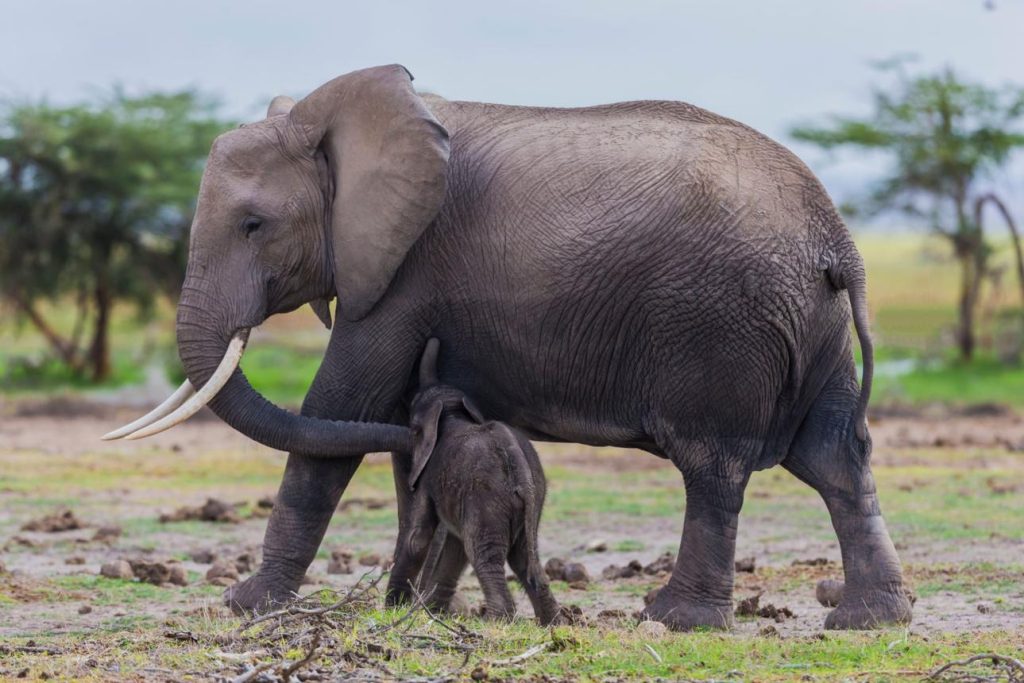
    Within an elephant herd, calves are surrounded by a network of caregivers. Aunts, sisters, and unrelated females often participate in supervision and protection.

    This support system becomes particularly important when a calf loses its mother.

    Other females frequently help the orphan remain integrated into the herd, reducing the risk of isolation.

    Such cooperation highlights the importance of social bonds in elephant society and provides one of the clearest examples of shared parenting in the wild.


    Birds That Raise Impostors

    Not every foster family forms voluntarily.

    Certain birds have evolved a strategy known as brood parasitism. Species such as cuckoos place their eggs inside the nests of other birds.

    The unsuspecting hosts incubate the eggs and later feed the chicks.

    In many cases, the foster chick grows much larger than the adults caring for it. Despite this obvious difference, the foster parents continue responding to its calls for food.

    This extraordinary deception demonstrates just how powerful parental instincts can be.

    Image
    Image
    Image
    Image
    Image

    The Balance Between Instinct and Choice

    Scientists continue debating how much of foster parenting results from instinct and how much stems from more complex social behavior.

    Hormones clearly play an important role. During periods of motherhood, animals become highly sensitive to signals from young offspring.

    However, social species often display additional flexibility. They form bonds, recognize group members, and cooperate in ways that cannot always be explained by simple instinct alone.

    The truth likely lies somewhere in between.

    Parenting behavior appears to emerge from a combination of biology, environment, and social experience.


    What Foster Families Teach Us About Nature

    Stories of animal adoption are more than charming curiosities.

    They reveal that nature is not governed solely by competition. Cooperation also plays a crucial role in survival.

    By studying foster parenting, researchers gain insight into the evolution of social behavior, communication, and caregiving. These observations help scientists understand how animal societies function and why cooperation can be beneficial.

    Most importantly, they remind us that the natural world is often far more complex than it appears.


    Conclusion

    From cats raising ducklings to sea lions nursing unrelated pups and elephants helping orphaned calves, examples of animals caring for young that are not their own can be found throughout the animal kingdom.

    Some cases arise from powerful maternal instincts. Others result from social cooperation, environmental circumstances, or simple chance. A few remain scientific mysteries.

    Together, these unusual families reveal a remarkable truth: parenting in nature is not always limited by genetics. Sometimes the need to protect and nurture extends beyond bloodlines, creating extraordinary relationships that continue to fascinate researchers and animal lovers alike.

    In a world often defined by survival and competition, these foster families show another side of nature—one built on care, tolerance, and unexpected connections.

  • The Foster Instinct: Amazing Animals That Raise Babies They Never Had

    The Foster Instinct: Amazing Animals That Raise Babies They Never Had

    Image
    Image
    Image
    Image
    Image
    Image
    Image

    The Foster Instinct: Why Some Animals Raise Babies That Aren’t Theirs

    Category

    Wildlife Behavior & Nature

    Introduction: A Mystery Hidden in the Animal World

    Every day in nature, millions of parents devote their lives to protecting and feeding their young. From tiny songbirds gathering insects to elephant mothers guarding calves, parental care is one of the most important behaviors in the animal kingdom.

    Yet scientists have discovered something puzzling.

    Some animals willingly care for babies that do not belong to them.

    Even more surprising, these adopted youngsters are sometimes members of entirely different species. A dog nurses kittens. A monkey protects a puppy. A bird spends months feeding a chick that was secretly placed in its nest by another species.

    These unusual cases challenge one of biology’s most basic assumptions: that parents should focus their efforts on their own offspring.

    Why does this happen? What causes an animal to become responsible for a youngster that carries none of its genes?

    The answers reveal a fascinating side of nature that is often overlooked.


    Parenting Without a Family Connection

    For many years, scientists assumed that animals raised their own offspring because doing so increased the chances of passing genes to future generations.

    While this explanation remains true in most situations, researchers now know that animal parenting is far more flexible than once believed.

    In some species, adults regularly care for unrelated youngsters. In others, unusual circumstances can trigger temporary adoption.

    Sometimes a young animal loses its biological parents. Sometimes a caregiver simply mistakes another baby for its own. In rare situations, powerful nurturing instincts appear to override normal behavior entirely.

    The result is a surprising collection of foster families found throughout the natural world.


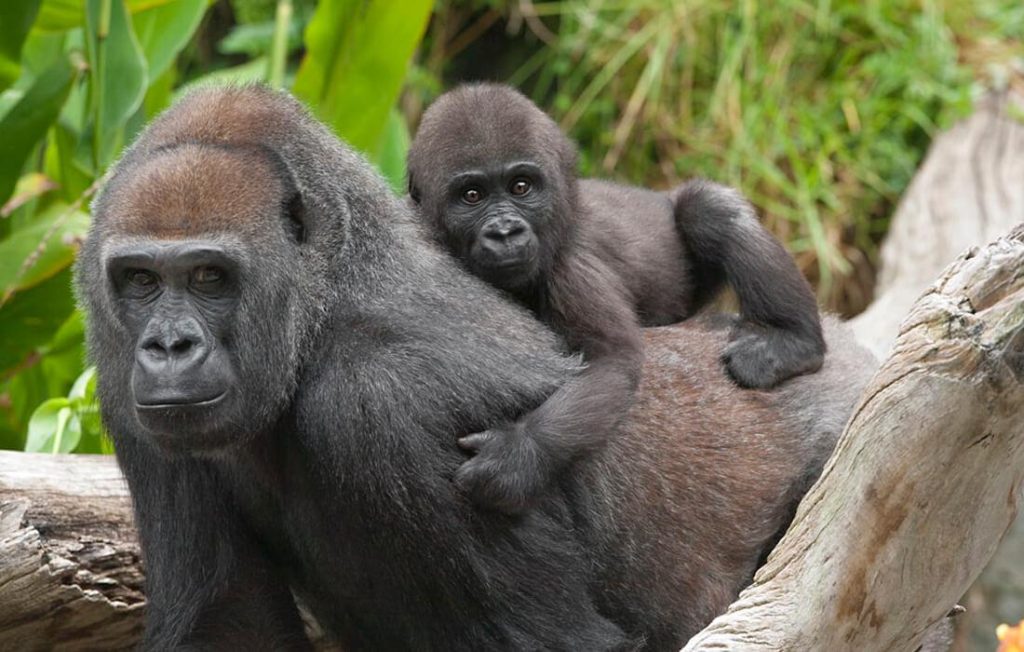
    The Gorilla That Became a Guardian

    Gorillas are often remembered for their size and strength, but researchers who study them frequently describe a very different side.

    Gorillas live in highly social groups and form strong bonds with one another. Adults often show remarkable patience toward infants and juveniles.

    In wildlife parks and rehabilitation centers, gorillas have occasionally displayed protective behavior toward smaller animals, including birds and orphaned mammals. Some have allowed vulnerable creatures to remain nearby without showing aggression.

    Although true adoption across species is uncommon, these interactions suggest that caregiving responses can extend beyond immediate family members.

    The image of a powerful gorilla acting as a guardian demonstrates how complex animal behavior can be.


    Dogs: The Champions of Cross-Species Adoption

    If there is one animal famous for accepting unrelated babies, it is the domestic dog.

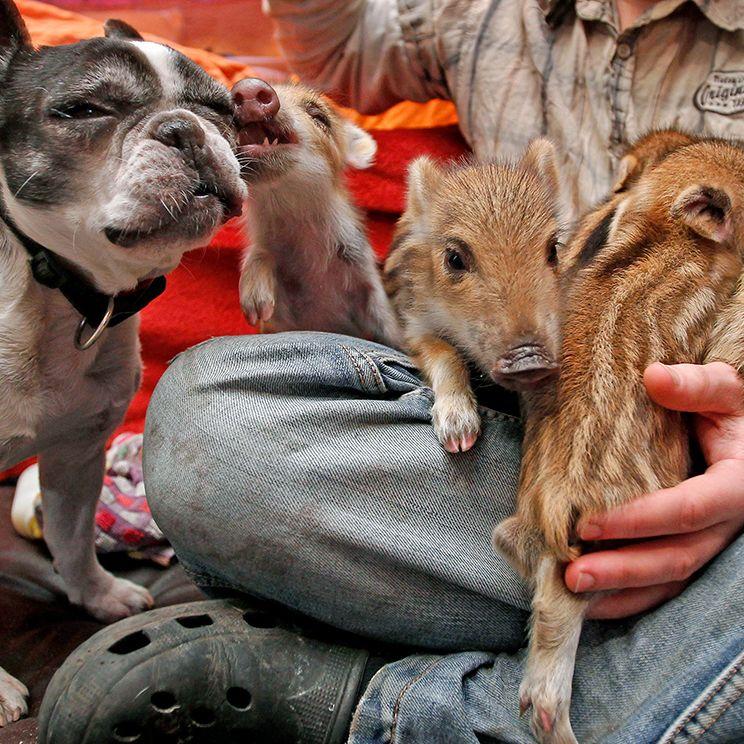
    Around the world, rescue centers have documented dogs raising kittens, piglets, squirrels, rabbits, and even fox cubs.

    Once maternal instincts are activated, many dogs appear willing to care for almost any helpless newborn.

    The adopted babies receive milk, warmth, protection, and companionship. Some grow up alongside puppies without any sign of conflict.

    Animal behavior experts believe dogs’ social flexibility plays a major role. Thousands of years of domestication may have strengthened their ability to form bonds beyond normal species boundaries.

    Few animals demonstrate the foster instinct as clearly as dogs.


    A Life Saved by the Herd

    For elephant calves, survival depends heavily on family support.

    Unlike many species, elephants raise young within a close-knit social network. Mothers receive assistance from sisters, cousins, and unrelated females.

    When a calf becomes orphaned, these relationships can become lifesaving.

    Researchers have observed herds surrounding vulnerable calves and providing ongoing protection. Older females may guide the youngster, defend it from threats, and help it remain connected to the group.

    This cooperative behavior helps explain why elephants have some of the strongest social structures in the animal kingdom.

    Rather than relying on a single caregiver, the entire herd contributes.

    Image
    Image
    Image
    Image

    The Strange Success of Nest Invaders

    Not every foster family forms by choice.

    Some birds have evolved a strategy that depends entirely on tricking other species into becoming parents.

    Cuckoos are perhaps the best-known example.

    Instead of building nests and raising chicks themselves, female cuckoos place their eggs inside the nests of other birds. The unsuspecting hosts incubate the eggs and later provide food for the chick.

    In many cases, the foster chick grows much larger than the adults caring for it.

    Yet the adoptive parents continue feeding it because its begging calls trigger powerful nurturing responses.

    This strange relationship represents one of nature’s most successful examples of deception.


    Monkeys and Their Unexpected Companions

    Across parts of Asia, wildlife photographers have captured remarkable images of monkeys carrying puppies.

    The behavior has been documented multiple times and continues to intrigue researchers.

    The monkeys groom the puppies, protect them from danger, and sometimes share food.

    Several explanations have been proposed. Puppies may resemble infant monkeys in important ways. Alternatively, young monkeys may simply enjoy social interaction with other animals.

    Whatever the reason, these unusual partnerships demonstrate how flexible social behavior can become.

    They also show that friendship and caregiving are not always restricted by species.


    Penguins in Search of Someone to Protect

    Penguins are known for their dedication to family life.

    However, breeding colonies can be chaotic places. Thousands of birds gather together, creating opportunities for confusion.

    Occasionally, chicks become separated from their parents.

    Researchers have observed adult penguins attempting to care for orphaned chicks or adopting youngsters after losing their own eggs.

    The behavior appears especially common when adults are already experiencing strong parental instincts.

    Even without a biological connection, the desire to protect and nurture remains.


    Capybaras: The Social Specialists

    Capybaras are often called the friendliest animals in the world.

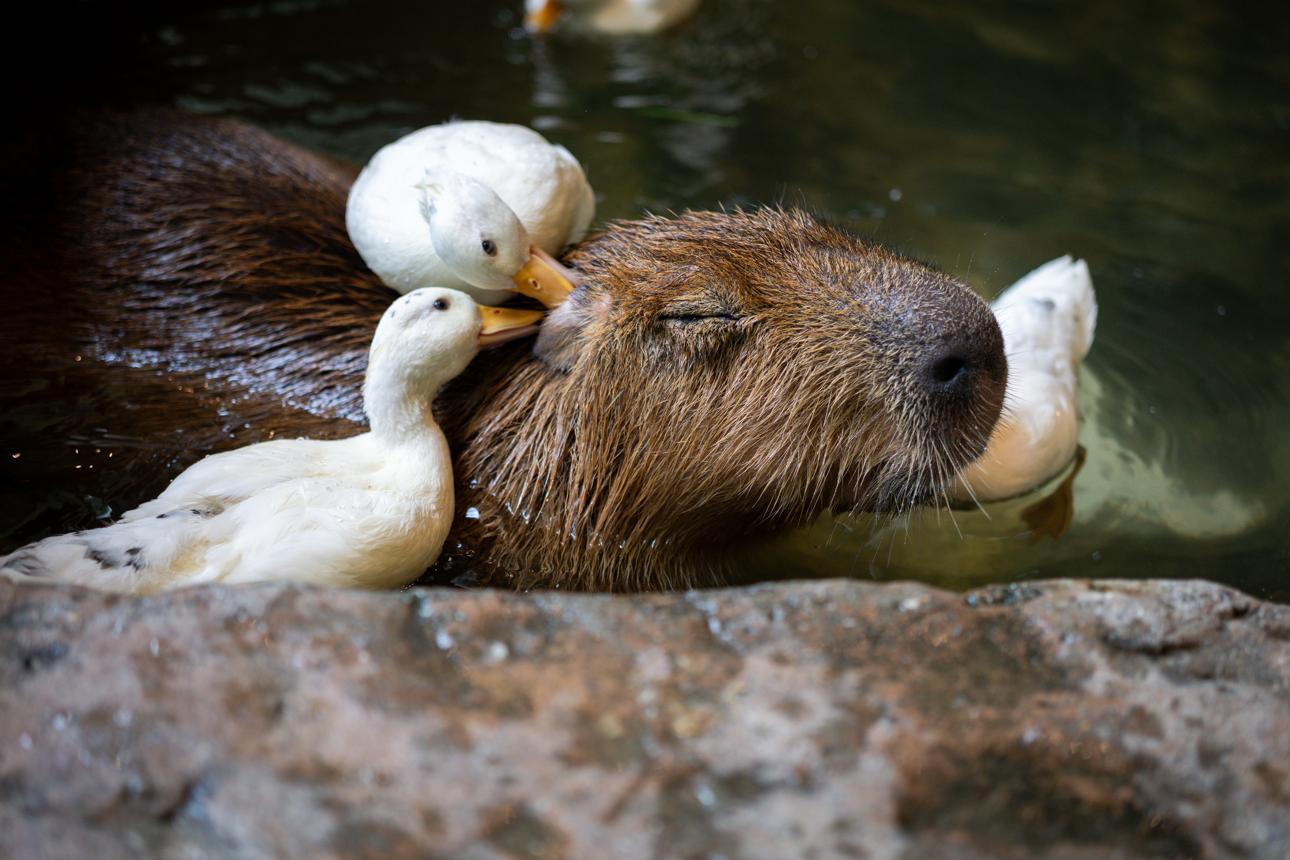
    These large rodents live in social groups and tolerate a remarkable variety of other species. Birds, ducks, monkeys, and small mammals frequently gather around them.

    Female capybaras sometimes participate in communal nursing, allowing multiple youngsters access to care.

    Although not every young animal belongs to them, adults may contribute to group childcare.

    This cooperative approach creates a safer environment for vulnerable offspring and highlights the advantages of social living.


    Why Baby Animals Trigger Protective Responses

    Scientists have identified several features that make babies difficult to ignore.

    Young animals often share:

    • Large eyes
    • Rounded faces
    • Small body size
    • Soft vocalizations
    • Clumsy movement

    These traits communicate vulnerability.

    When adults detect these signals, caregiving instincts may activate automatically.

    Because many species share similar infant characteristics, unrelated babies can sometimes trigger the same response as biological offspring.

    This helps explain why cross-species adoption occasionally occurs.

    Image
    Image
    Image
    Image

    Beyond Instinct: Do Emotions Matter?

    One of the most debated topics in animal science concerns emotions.

    Are animals capable of empathy?

    While researchers avoid making assumptions without evidence, studies increasingly suggest that many species possess sophisticated social awareness.

    Elephants respond to distressed companions. Dolphins assist injured group members. Primates maintain long-term friendships.

    These observations indicate that caregiving may involve more than simple instinct.

    Social relationships and emotional responses could influence how animals treat vulnerable youngsters.

    Although much remains unknown, evidence continues to challenge older views of animal behavior.


    The Evolutionary Value of Helping

    At first glance, caring for unrelated offspring appears costly.

    Food, energy, and protection all require effort.

    However, helping behavior can provide indirect benefits. Social groups become stronger. Young caregivers gain experience. Communities improve their overall survival chances.

    In cooperative species, assisting another youngster may ultimately benefit everyone.

    Evolution often rewards collaboration just as much as competition.


    Conclusion

    The stories of animals raising children that are not their own reveal one of nature’s most fascinating mysteries. From dogs nursing kittens to elephants protecting orphaned calves and penguins adopting lost chicks, foster parenting appears in many forms across the animal kingdom.

    Some cases result from powerful parental instincts. Others emerge through social cooperation or unusual circumstances. A few remain difficult for scientists to explain.

    Together, these remarkable examples show that family in nature is not always defined by genetics. Sometimes it is created through protection, care, and the willingness to help a vulnerable life survive.

    The foster instinct reminds us that the natural world is often far more compassionate—and far more surprising—than we expect.

    SEO Title

    The Foster Instinct: Amazing Animals That Raise Babies They Never Had

    Meta Description

    Discover incredible stories of animals raising babies that are not their own. Learn how dogs, elephants, gorillas, monkeys, penguins, and other species become foster parents.

    Tags

    Animals, Wildlife, Animal Behavior, Nature Facts, Foster Parenting, Animal Adoption, Cross Species Adoption, Wildlife Stories, Amazing Animals, Animal Kingdom, Parenting in Nature, Wildlife Education, Nature Wonders, Rare Animal Behavior

    Featured Image Alt Text

    Gorilla gently watching over a small orphaned animal in a wildlife sanctuary

    Additional Image Alt Texts

    1. Mother dog nursing adopted kittens beside her puppies
    2. Elephant herd protecting a young orphan calf in the savanna
    3. Monkey carrying an adopted puppy through a forest environment
    4. Penguin feeding a foster chick in a crowded colony
    5. Capybara resting among young animals in a social group
    6. Foster bird feeding a cuckoo chick inside a nest
    7. Mixed-species animal family showing unusual parenting behavior
  • Nature’s Unexpected Nannies: The Curious Cases of Animals Raising Someone Else’s Young

    Nature’s Unexpected Nannies: The Curious Cases of Animals Raising Someone Else’s Young

    Nature’s Unexpected Nannies: The Curious Cases of Animals Raising Someone Else’s Young

    Image
    Image
    Image
    Image
    Image
    Image

    Nature’s Unexpected Nannies: The Curious Cases of Animals Raising Someone Else’s Young

    Category

    Animals & Nature

    Introduction: Parenting Beyond Bloodlines

    When we think about parenting, we usually imagine mothers and fathers caring for their own offspring. In nature, this assumption seems even stronger. Raising young requires food, energy, protection, and time—valuable resources that wild animals cannot easily spare.

    Yet every year, wildlife researchers encounter stories that seem to break the rules of evolution. Predators nurture prey. Birds feed chicks that are not theirs. Mammals adopt babies from entirely different species. Some animals even risk their own survival to protect youngsters with no genetic connection to them.

    These unusual relationships challenge our understanding of animal behavior and reveal that nature is often far more complicated than the simple “survival of the fittest” narrative suggests.

    Let’s explore some of the most surprising examples of animals acting as foster parents and discover why these extraordinary relationships happen.


    The Hidden Side of Animal Parenthood

    Biologists once believed that animals primarily invested energy in offspring carrying their own genes. While this is generally true, research has shown that caregiving behavior is much more flexible than previously thought.

    Young animals share several characteristics regardless of species. They are small, vulnerable, dependent, and often produce distress calls. These signals can trigger caregiving instincts in adults, sometimes overriding normal behaviors such as competition or predation.

    The result is a collection of remarkable stories that seem almost unbelievable.


    A Predator That Refused to Hunt

    One of the most famous wildlife mysteries involves lionesses and antelope calves.

    In several documented cases across Africa, lionesses have been observed protecting baby antelopes instead of hunting them. Some have guarded the calves from hyenas and other predators while allowing them to remain nearby.

    Scientists remain fascinated by this behavior because it directly contradicts the lion’s role as a predator. Some researchers believe maternal hormones temporarily override hunting instincts, especially when the lioness has recently given birth or lost her own cubs.

    Although these unusual partnerships rarely last forever, they provide one of the most dramatic examples of cross-species caregiving ever observed.


    The Dogs That Adopt Everyone

    Domestic dogs may be among the most accepting foster parents in the animal kingdom.

    Animal shelters regularly report mother dogs caring for orphaned kittens, rabbits, piglets, and even wild animals brought into rehabilitation centers.

    Unlike many species, dogs often form strong social bonds with animals outside their own species. Once a puppy-like cry or vulnerable behavior triggers maternal instincts, some dogs begin treating the newcomer as part of their family.

    In rescue facilities, dogs have saved countless orphaned animals by providing warmth, milk, companionship, and protection.

    For many caretakers, these dogs become heroes without ever realizing it.


    The Curious Case of the Babysitting Capybara

    Capybaras are famous for their calm personalities and extraordinary tolerance toward other animals.

    These giant rodents often share space peacefully with birds, monkeys, rabbits, ducks, and numerous other species. Female capybaras commonly participate in group childcare, where multiple mothers help supervise and nurse young members of the group.

    Observers frequently joke that capybaras appear willing to babysit almost anyone.

    While most of these relationships occur within their own species, the capybara’s relaxed social nature often creates opportunities for unusual interspecies friendships that seem impossible among less tolerant animals.

    Image
    Image
    Image
    Image
    Image

    Birds That Become Victims of Parenthood

    Not all unusual parenting stories are voluntary.

    Certain bird species have evolved strategies that trick others into raising their young.

    The common cuckoo lays eggs inside the nests of unsuspecting host birds. When the chick hatches, foster parents feed and protect it as though it were their own offspring.

    In many cases, the foster birds work tirelessly for weeks without realizing they are caring for a completely unrelated chick.

    This strange arrangement represents one of nature’s most successful reproductive shortcuts.


    Penguins and the Power of Instinct

    Life in a penguin colony can be chaotic. Thousands of birds gather together, creating a noisy environment where chicks occasionally become separated from their parents.

    Researchers have documented cases where adult penguins adopt abandoned chicks and continue caring for them despite lacking any biological relationship.

    Some adults whose eggs failed to hatch appear especially likely to accept orphaned chicks.

    The behavior highlights the strength of parental instincts and demonstrates how caregiving can continue even when biological connections are absent.


    Orangutans and Their Gentle Nature

    Orangutans are among the most patient and nurturing primates on Earth.

    In wildlife rehabilitation centers, caretakers have observed orangutans displaying protective behavior toward smaller animals, including birds and mammals.

    Young orangutans are naturally curious and often interact gently with vulnerable creatures. Adult females spend years raising their offspring, developing parenting skills that may contribute to their nurturing tendencies.

    Although true adoption across species is rare, these interactions reveal a compassionate side of great apes that continues to intrigue scientists.


    When Gorillas Become Guardians

    Gorillas possess immense strength, yet they are often remarkably gentle.

    Several zoos and wildlife centers have reported cases of gorillas showing concern for injured animals sharing their environment. Some individuals have been observed watching over small creatures and allowing them to remain nearby without aggression.

    Because gorillas maintain strong family bonds, researchers believe their social intelligence may influence how they respond to vulnerable animals.

    These moments remind us that physical power and nurturing behavior are not mutually exclusive.


    The Ocean’s Unexpected Caregivers

    Marine mammals provide some of the most fascinating examples of adoption.

    Dolphins have been seen assisting calves that are not their own and helping injured animals stay afloat. Female whales occasionally care for orphaned calves, allowing them to remain close to the group.

    In the vastness of the ocean, survival often depends on cooperation. Social species benefit from maintaining strong group relationships, which may encourage caregiving behaviors toward unrelated young.

    These underwater acts of assistance reveal that foster parenting is not limited to land animals.

    Image
    Image
    Image
    Image
    Image

    Why Evolution Allows Such Behavior

    At first glance, raising unrelated offspring appears disadvantageous. Caring for another animal requires energy that could be spent on one’s own survival or reproduction.

    However, biology is rarely simple.

    Scientists have proposed several explanations:

    Strong Maternal Hormones

    Hormones associated with parenting can encourage nurturing behavior toward any vulnerable infant.

    Social Cooperation

    Helping young individuals may strengthen communities and improve overall group survival.

    Practice and Experience

    Young animals sometimes gain valuable parenting skills through caregiving.

    Recognition Errors

    Some species struggle to distinguish their own offspring from others.

    Emotional Complexity

    Many researchers now believe animals possess richer emotional lives than previously assumed.


    Lessons from Foster Families in Nature

    These extraordinary stories reveal something important about life on Earth.

    Nature is not governed solely by competition. Cooperation, tolerance, and caregiving also play crucial roles.

    Animals are often portrayed as creatures driven only by instinct, but countless observations suggest their behavior is more nuanced. Social bonds can cross family lines, species boundaries, and even predator-prey relationships.

    While scientists continue debating the exact motivations behind these behaviors, the outcomes remain remarkable.

    A lion protects a calf.

    A dog raises kittens.

    A penguin feeds an orphan.

    A dolphin helps a struggling youngster.

    Each story reminds us that nature is full of surprises.


    Conclusion

    The phenomenon of animals raising children that are not their own remains one of the most captivating subjects in wildlife science. Across forests, grasslands, oceans, and even urban environments, examples of foster parenting continue to emerge.

    Whether driven by hormones, instinct, empathy, or social cooperation, these acts reveal an often-overlooked side of the natural world. They challenge simplistic views of animal behavior and demonstrate that caregiving can appear in the most unexpected places.

    As research continues, we may discover that cross-species parenting is not merely a rare curiosity but a window into the deeper social and emotional lives of animals. These remarkable foster families remind us that survival in nature is sometimes about more than competition—it can also be about care, protection, and connection.

  • When Nature Becomes a Babysitter: The Strange World of Animals Raising Young That Aren’t Their Own

    When Nature Becomes a Babysitter: The Strange World of Animals Raising Young That Aren’t Their Own

    When Nature Becomes a Babysitter: The Strange World of Animals Raising Young That Aren’t Their Own

    Image
    Image
    Image
    Image
    Image

    When Nature Becomes a Babysitter: The Strange World of Animals Raising Young That Aren’t Their Own

    Category

    Animals & Wildlife

    Introduction

    In the wild, survival is often described as a constant struggle. Animals compete for food, territory, and mates while avoiding predators and harsh environmental conditions. Because raising offspring requires enormous energy and resources, biologists have long assumed that most animals focus exclusively on their own young.

    Yet nature repeatedly breaks its own rules.

    Around the world, researchers, wildlife photographers, and animal caretakers have witnessed astonishing cases of animals caring for babies that do not belong to them. Some adopt orphaned youngsters from the same species. Others go a step further, nurturing completely different animals that they would normally ignore—or even hunt.

    These unusual relationships reveal a side of the animal kingdom that many people rarely see. Instead of competition, we find cooperation. Instead of aggression, we see protection. And instead of strict biological boundaries, we discover surprising examples of cross-species caregiving.

    Let’s explore some of the strangest and most fascinating cases of animals becoming parents to children that are not their own.


    The Mystery of Adoption in the Wild

    For humans, adoption is often a conscious decision. Animals, however, do not think about adoption in the same way. Their behavior is driven by instincts, hormones, social bonds, and environmental circumstances.

    Scientists generally use the term “alloparenting” to describe situations where an animal cares for offspring that are not its own. This behavior appears in birds, mammals, fish, and even insects.

    Sometimes the relationship develops because a baby loses its biological parents. In other cases, an adult animal simply responds to the cries and vulnerability of a young creature.

    What makes these stories remarkable is that many of them seem to provide no obvious benefit to the caregiver.


    Capybaras: The Babysitters of South America

    Capybaras, the world’s largest rodents, have earned a reputation as some of the friendliest animals on Earth.

    In South America, wildlife observers often report seeing ducklings, birds, rabbits, and even monkeys resting near capybaras without fear. Female capybaras frequently care for young that are not biologically theirs, creating what researchers call communal nurseries.

    Several mothers may share responsibilities, allowing babies to move freely among the group. Any nursing female may allow another youngster to feed alongside her own offspring.

    This cooperative system increases survival rates and creates one of nature’s most peaceful parenting communities.


    Dogs That Become Foster Mothers

    Domestic dogs have repeatedly demonstrated an incredible willingness to raise orphaned animals from other species.

    Animal shelters around the world have documented mother dogs nursing kittens, piglets, fox cubs, and even baby squirrels. In many cases, the dog treats these newcomers exactly like her own puppies.

    One reason is that newborn mammals often produce similar sounds and scents. These signals can activate maternal instincts regardless of species.

    Once the bond forms, the foster mother may groom, protect, and comfort the adopted babies for months.

    For animal rescue organizations, dogs sometimes become lifesaving surrogate parents when biological mothers are unavailable.


    Monkeys and Their Unexpected Friendships

    Among primates, caregiving behavior can be surprisingly flexible.

    In several parts of Asia, monkeys have been observed adopting abandoned puppies. Photographs showing monkeys carrying puppies through villages have fascinated scientists and animal lovers alike.

    The monkeys often share food, protect the puppies from danger, and keep them close throughout the day.

    Researchers believe that infant-like features trigger nurturing responses in many primates. Large eyes, small bodies, and helpless behavior may encourage caregiving even when the young animal belongs to a different species.

    These unusual friendships can sometimes last for months or even years.

    Image
    Image
    Image
    Image
    Image

    Penguins That Accidentally Become Parents

    Penguin colonies are crowded environments filled with thousands of birds.

    During breeding season, confusion is common. Chicks sometimes wander away from their parents and become lost among neighboring families.

    Scientists studying penguin colonies have observed adults feeding and protecting unrelated chicks. In some cases, adults whose own eggs failed to hatch have attempted to adopt abandoned youngsters.

    These accidental adoptions may not always succeed, but they highlight how powerful parental instincts can be.

    For penguins, the urge to care for a vulnerable chick may occasionally outweigh the ability to recognize biological relationships.


    Elephant Compassion Beyond Family Lines

    Elephants are famous for their intelligence and emotional complexity.

    Wildlife researchers have documented elephants helping calves that are not part of their immediate family. Entire herds often work together to protect young members, regardless of direct parentage.

    More surprising are reports of elephants showing protective behavior toward animals of different species.

    In rare cases, elephants have been seen assisting injured animals or guarding vulnerable youngsters from predators.

    Although these situations do not always involve long-term adoption, they reveal a remarkable willingness to care for creatures outside their closest social circles.


    The Bird Species That Outsource Parenting

    Not all strange parenting stories involve generosity.

    Some birds have evolved a completely different strategy: convincing other species to raise their young.

    The cuckoo is perhaps the most famous example. Female cuckoos secretly lay eggs inside another bird’s nest. When the cuckoo chick hatches, it often receives food and care from foster parents who never realize they are raising an impostor.

    The foster birds invest weeks or months caring for a chick that is not genetically related to them.

    This unusual reproductive strategy is one of nature’s most successful forms of deception.


    Cats That Adopt Their Natural Prey

    Cats are skilled hunters, which makes certain adoption stories especially surprising.

    Animal shelters and farms occasionally report mother cats raising ducklings, chicks, rabbits, and squirrels.

    Once maternal instincts are activated, some cats appear to view vulnerable babies as dependents rather than prey.

    The adopted youngsters often sleep beside the cat, follow her movements, and receive the same grooming behavior given to kittens.

    These cases demonstrate how caregiving instincts can temporarily override hunting behavior.


    Why Do Animals Care for Unrelated Young?

    Scientists continue investigating this question, but several explanations have emerged.

    1. Hormonal Influences

    After giving birth, hormones can create strong nurturing responses. These biological changes may cause an adult to respond positively to almost any infant.

    2. Social Cooperation

    In highly social species, helping young animals can strengthen group survival.

    3. Learning Opportunities

    Young females sometimes gain parenting experience by helping care for babies before having offspring of their own.

    4. Mistaken Recognition

    Animals do not always correctly identify which offspring belong to them.

    5. Emotional Responses

    Increasing evidence suggests some animals experience forms of empathy and social attachment more complex than previously believed.

    Image
    Image
    Image
    Image
    Image

    Insects Have Foster Parents Too

    Strange parenting is not limited to mammals and birds.

    Certain ant species care for larvae that are not their own. Some even unknowingly raise the young of parasitic species that infiltrate their colonies.

    Worker ants devote enormous effort to feeding and protecting these larvae, often without recognizing the difference.

    This behavior demonstrates that caregiving can emerge in highly organized insect societies as well.


    What These Stories Tell Us About Nature

    For many years, people viewed animal behavior through a simple lens: survival and reproduction.

    Modern research paints a more complicated picture.

    Animals form friendships, cooperate with unrelated individuals, mourn losses, and sometimes care for young that offer no direct genetic benefit.

    While scientists remain cautious about comparing animal emotions to human emotions, evidence increasingly suggests that social bonds play a major role in the lives of many species.

    The stories of foster parenting and cross-species adoption challenge traditional assumptions about what motivates animal behavior.


    The Most Surprising Lesson

    Perhaps the most surprising lesson is that compassion—or at least behaviors resembling compassion—appears more widespread in nature than once believed.

    A dog nursing abandoned kittens.

    A monkey carrying a puppy.

    A capybara surrounded by unrelated youngsters.

    A penguin feeding an orphaned chick.

    Each example reminds us that the animal kingdom cannot be reduced to simple rules.

    Nature is filled with exceptions, and some of its most extraordinary moments occur when creatures choose care over conflict.


    Conclusion

    Animals raising young that are not their own remains one of the most fascinating behaviors in wildlife science. Whether driven by instinct, social cooperation, hormones, or emotional bonds, these acts reveal a surprisingly nurturing side of nature.

    From mammals and birds to insects and marine animals, examples of foster parenting appear across the animal kingdom. Some relationships last only a few days, while others continue for months or years.

    As researchers continue studying these remarkable behaviors, one thing becomes increasingly clear: the bonds between living creatures are often more flexible, complex, and extraordinary than we imagine.

    The next time you think of nature as a world defined only by competition, remember the animals that became parents to babies that were never their own.

  • Strange Stories About Animals During Reproduction: Nature’s Most Bizarre Parenting and Mating Mysteries

    Strange Stories About Animals During Reproduction: Nature’s Most Bizarre Parenting and Mating Mysteries

    Strange Stories About Animals During Reproduction: Nature’s Most Bizarre Parenting and Mating Mysteries

    Wildlife reproduction is one of nature’s most fascinating spectacles. While many animals follow familiar patterns of courtship, mating, and raising offspring, others have evolved behaviors so unusual that they seem almost unbelievable. From males that become pregnant to creatures that sacrifice themselves for their young, the animal kingdom is filled with astonishing reproductive stories that challenge our understanding of life.

    These strange reproductive strategies have evolved over millions of years, helping species survive in harsh environments, avoid predators, and ensure the continuation of their genetic legacy. Some involve elaborate dances and displays, while others require incredible physical transformations or acts of extreme devotion.

    In this article, we’ll explore some of the most remarkable and unusual reproductive stories in the natural world.


    Figure 1: Male Seahorse Carrying Developing Babies

    Image
    Image
    Image
    Image
    Image
    Image
    Image

    The Seahorse: The Male Gets Pregnant

    Among all known vertebrates, seahorses have one of the strangest reproductive systems. In a role reversal rarely seen in nature, the female deposits her eggs into a special brood pouch located on the male’s abdomen.

    The male then fertilizes the eggs internally and carries them for several weeks. During this time, the pouch functions much like a mammalian uterus, supplying oxygen, nutrients, and protection to the developing embryos.

    When the babies are ready, the male undergoes intense muscular contractions, releasing dozens or even hundreds of tiny seahorses into the surrounding water.

    This remarkable adaptation allows females to begin producing a new batch of eggs while the male incubates the current offspring, increasing reproductive efficiency.

    Caption: Male seahorses are among the few animals in the world where fathers become pregnant and give birth.


    Figure 2: Anglerfish Males Become Permanent Parasites

    Image
    Image
    Image
    Image
    Image
    Image

    The Anglerfish’s Permanent Marriage

    Deep within the ocean’s darkness lives one of nature’s strangest couples.

    Male anglerfish are tiny compared to females. Finding a mate in the vast deep sea is incredibly difficult, so evolution developed an unusual solution.

    When a male encounters a female, he bites her body and permanently attaches himself. Over time, his tissues fuse with hers. Eventually, the male loses many of his organs and becomes essentially a living sperm-producing appendage connected to the female’s bloodstream.

    Some females may carry multiple attached males simultaneously.

    This bizarre arrangement guarantees reproductive success whenever the female is ready to produce eggs.

    Caption: Male anglerfish permanently fuse to females, creating one of the strangest reproductive partnerships on Earth.


    Figure 3: Octopus Mothers Sacrifice Everything for Their Eggs

    Image
    Image
    Image
    Image
    Image
    Image

    The Ultimate Maternal Sacrifice

    Many octopus species display extraordinary dedication to their offspring.

    After laying thousands of eggs, a female octopus often spends months guarding them continuously. During this period, she cleans the eggs, protects them from predators, and circulates fresh water over them to provide oxygen.

    What makes this story extraordinary is that many mothers stop eating entirely during the incubation period.

    As their energy reserves diminish, they become increasingly weak. By the time the eggs hatch, the mother often dies from starvation and exhaustion.

    Scientists consider this one of the most dramatic examples of parental sacrifice in the animal kingdom.

    Caption: Octopus mothers may spend months protecting their eggs without eating, ultimately sacrificing their lives for their offspring.


    Figure 4: Bowerbirds Build Romantic Architecture

    Image
    Image
    Image
    Image
    Image
    Image
    Image

    Nature’s Master Interior Designers

    Not all reproductive stories involve physical sacrifice. Some involve remarkable creativity.

    Male bowerbirds of Australia and New Guinea build elaborate structures called bowers to attract females. These are not nests but decorative display arenas.

    Males spend weeks collecting colorful objects such as flowers, shells, berries, feathers, and even pieces of plastic. They carefully arrange these items according to color and size to create visually appealing displays.

    Some species even use perspective tricks that make their structures appear larger or more symmetrical.

    Females inspect multiple bowers before choosing a mate. The quality of the display often determines reproductive success.

    Caption: Male bowerbirds attract mates by constructing elaborate decorative structures filled with colorful objects.


    Figure 5: Red-Sided Garter Snakes Form Massive Mating Balls

    Image
    Image
    Image
    Image
    Image

    The Giant Snake Mating Swarms

    Each spring in parts of Canada, one of nature’s most unusual gatherings occurs.

    After emerging from winter dens, thousands of red-sided garter snakes congregate for mating. Numerous males surround a single female, creating what scientists call a “mating ball.”

    These writhing masses can contain dozens or even hundreds of snakes twisting around one another.

    The competition among males is intense, and females often move slowly under the weight of the crowd surrounding them.

    This extraordinary reproductive event attracts wildlife enthusiasts and researchers from around the world.

    Caption: Massive mating balls form when hundreds of male garter snakes compete for a single female.


    Figure 6: Emperor Penguins Share Parenting Duties

    Image
    Image
    Image
    Image
    Image
    Image

    Fathers That Endure the Antarctic Winter

    The reproductive strategy of emperor penguins is one of the harshest in nature.

    After laying a single egg, the female transfers it carefully to the male. She then journeys to the ocean to feed while the father remains behind.

    For approximately two months, the male balances the egg on top of his feet beneath a warm brood pouch.

    During this time, temperatures may drop below -40°C (-40°F), and winds can exceed 150 kilometers per hour.

    The fathers survive by huddling together for warmth and fasting until the females return.

    This cooperative parenting strategy allows the species to breed successfully in one of Earth’s most extreme environments.

    Caption: Male emperor penguins incubate eggs throughout the brutal Antarctic winter while females hunt at sea.


    Figure 7: Surinam Toad Babies Grow Inside Their Mother’s Back

    Image
    Image
    Image
    Image
    Image

    A Living Nursery on the Mother’s Skin

    The Surinam toad possesses one of the strangest reproductive methods among amphibians.

    During mating, the male presses fertilized eggs onto the female’s back. Her skin then grows around each egg, creating individual pockets where embryos develop safely.

    Weeks later, fully formed young toads emerge directly from the mother’s back.

    This unusual adaptation provides protection from predators and environmental hazards during development.

    For many observers, it is among the most astonishing reproductive phenomena found in nature.

    Caption: Young Surinam toads develop within specialized pockets embedded in their mother’s skin.


    Why Do Animals Evolve Such Strange Reproductive Behaviors?

    Although these reproductive strategies may appear bizarre, each evolved because it increased survival and reproductive success.

    Natural selection rewards behaviors that help animals:

    • Protect offspring from predators.
    • Increase mating opportunities.
    • Improve survival in harsh environments.
    • Ensure fertilization occurs successfully.
    • Reduce competition among young.

    Over millions of years, these pressures have produced an incredible variety of solutions, from male pregnancy in seahorses to permanent mating partnerships in anglerfish.


    Conclusion

    The animal kingdom continually reminds us that there is no single path to reproductive success. Nature has experimented with countless strategies, resulting in some truly extraordinary behaviors.

    Whether it’s a pregnant father, a self-sacrificing octopus mother, a snake mating ball, or a toad that grows babies in its back, each story demonstrates the remarkable creativity of evolution.

    These strange reproductive adaptations highlight the diversity of life on Earth and reveal how far species will go to ensure the next generation survives. As scientists continue studying wildlife around the globe, new discoveries will undoubtedly uncover even more astonishing reproductive mysteries waiting to be told.


  • Strange Stories About Animals During Child Rearing: Nature’s Most Surprising Parents

    Strange Stories About Animals During Child Rearing: Nature’s Most Surprising Parents

    Strange Stories About Animals During Child Rearing: Nature’s Most Surprising Parents

    Image
    Image
    Image
    Image

    Strange Stories About Animals During Child Rearing: Nature’s Most Surprising Parents

    When people think of parenting, they usually imagine human families caring for children. However, the animal kingdom is filled with astonishing examples of mothers and fathers raising their young in ways that seem almost unbelievable. From fathers that carry babies on their backs to mothers that feed their offspring with specialized milk, nature has developed countless strategies to ensure survival.

    Scientists have spent decades studying animal parenting behaviors, and many discoveries reveal that animals can be remarkably devoted, intelligent, and even self-sacrificing when caring for their offspring. Some species protect their young with extraordinary courage, while others use bizarre methods that appear strange to human observers.

    Here are some of the most fascinating and unusual stories about animals during child rearing.


    1. Emperor Penguins: Fathers That Endure the Antarctic Winter

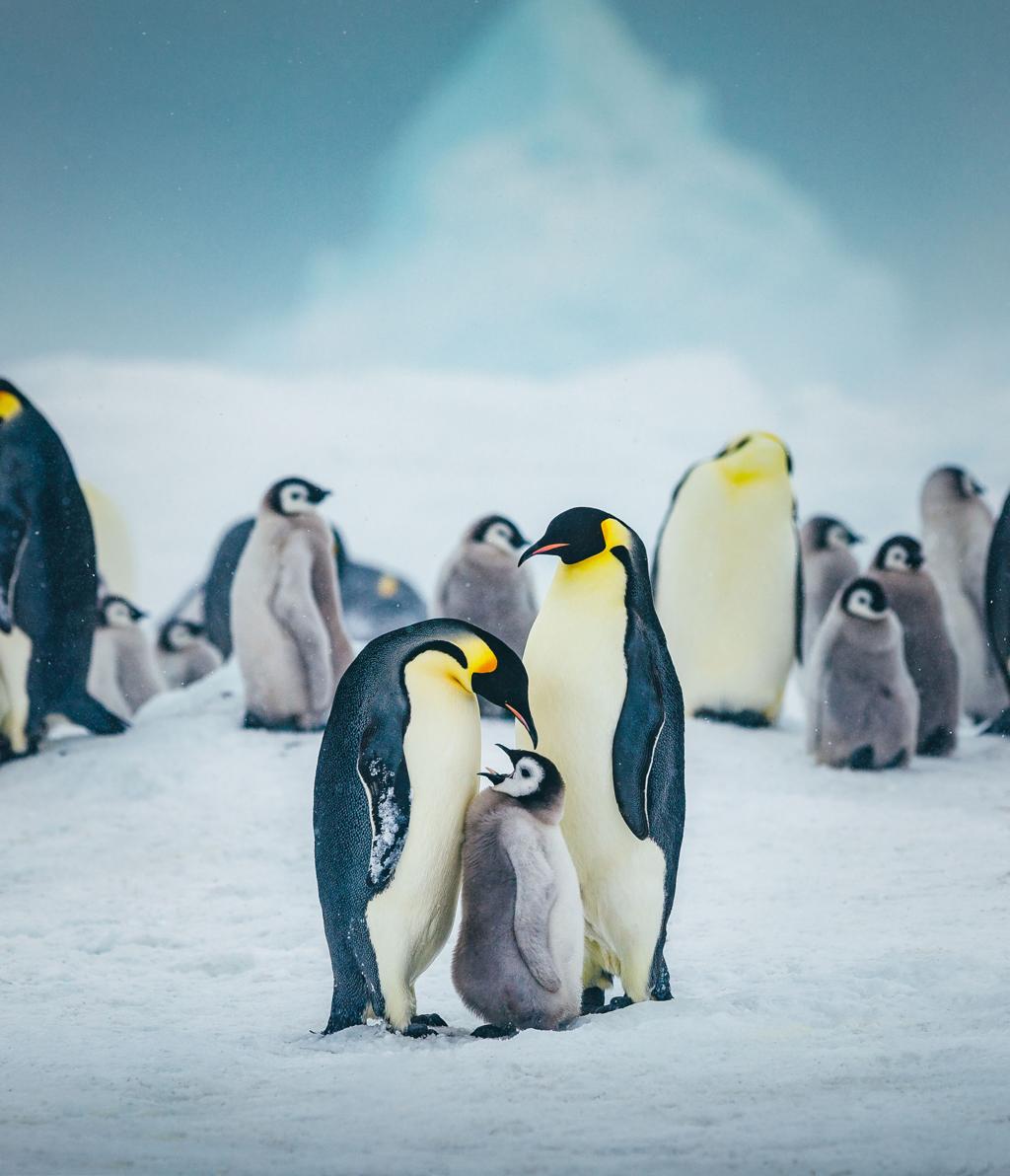
    Image 1: Emperor Penguin Father Protecting His Chick

    Alt Text: Emperor penguin father balancing a chick on his feet during a harsh Antarctic winter.

    Image
    Image
    Image
    Image
    Image
    Image
    Image

    One of the most extraordinary parenting stories belongs to the emperor penguin. After laying a single egg, the mother transfers it carefully to the father and then leaves for the ocean to feed.

    The father remains behind during one of the harshest winters on Earth. For more than two months, he balances the egg on his feet beneath a warm fold of skin called a brood pouch. During this time, temperatures can drop below -40°C (-40°F), and winds may exceed 160 kilometers per hour.

    The male penguin does not eat while protecting the egg. Instead, he survives on stored body fat, losing a significant portion of his weight. If the egg touches the ice for even a few minutes, the developing chick could die.

    This remarkable act of endurance makes emperor penguin fathers among the most dedicated parents in the animal kingdom.


    2. Crocodile Mothers Carry Babies in Their Mouths

    Image 2: Crocodile Mother Transporting Hatchlings

    Alt Text: Nile crocodile mother gently carrying newly hatched babies inside her mouth.

    Image
    Image
    Image
    Image
    Image

    Crocodiles may appear fierce and dangerous, but they display surprisingly gentle parenting behavior.

    After laying eggs in a nest, the mother guards them for months. When the babies are ready to hatch, they make chirping sounds from inside the eggs. Hearing these calls, the mother carefully digs open the nest.

    She then gathers the tiny hatchlings in her massive jaws and transports them to nearby water. Although her bite is powerful enough to crush bones, she handles her babies with incredible precision and care.

    Researchers have observed crocodile mothers protecting their offspring from predators for weeks after hatching. This unexpected tenderness contrasts sharply with their fearsome reputation.


    3. Poison Dart Frogs: Tiny Fathers With Big Responsibilities

    Image 3: Poison Dart Frog Carrying Tadpoles

    Alt Text: Colorful poison dart frog transporting tadpoles on its back through a rainforest.

    Image
    Image
    Image
    Image
    Image
    Image

    In the tropical rainforests of Central and South America, poison dart frogs demonstrate an unusual parenting strategy.

    After eggs hatch into tadpoles, the father carefully allows the young to climb onto his back. He then carries them one at a time through dense forest vegetation.

    The journey often leads to tiny pools of water collected inside plants. Each tadpole is deposited in its own miniature nursery to reduce competition.

    Some species go even further. The mother periodically visits these pools and lays unfertilized eggs for the tadpoles to eat. This specialized feeding behavior ensures that the developing young receive enough nutrients to survive.


    4. Sea Otters Never Let Their Babies Drift Away

    Image 4: Sea Otter Mother Holding a Pup

    Alt Text: Sea otter mother floating on her back while holding her baby pup.

    Image
    Image
    Image
    Image
    Image
    Image
    Image

    Sea otters spend much of their lives floating in coastal waters, and raising young in such an environment presents unique challenges.

    A sea otter mother is intensely devoted to her pup. She carries the baby on her chest, wraps it in kelp to keep it from drifting away, and spends countless hours grooming its fur.

    Young pups cannot immediately survive on their own. Their thick fur helps them float, but they depend entirely on their mothers for food and protection.

    Researchers have documented mothers sacrificing their own feeding opportunities to care for their offspring. Some remain almost constantly attentive for months, ensuring their pups learn critical survival skills.


    5. Elephants Mourn and Protect Their Calves

    Image 5: Elephant Family Protecting a Calf

    Alt Text: African elephant herd surrounding and protecting a young calf on the savanna.

    Image
    Image
    Image
    Image
    Image
    Image
    Image

    Elephants are among the most intelligent animals on Earth, and their parenting behaviors are equally impressive.

    A calf is not raised solely by its mother. Instead, female relatives known as “allomothers” assist with protection, guidance, and care. This cooperative system creates a supportive environment for young elephants.

    Calves remain dependent on adults for many years. During this period, they learn migration routes, social behaviors, and survival skills.

    Perhaps most touching is the emotional connection elephants appear to have with their offspring. Scientists have observed mothers staying near injured calves, helping them stand, and displaying signs of distress when a calf dies.

    These observations suggest a deep level of social and emotional investment rarely seen in the animal kingdom.


    6. Orangutans Have the Longest Childhoods After Humans

    Image 6: Orangutan Mother Teaching Her Infant

    Alt Text: Orangutan mother and infant sitting together in a tropical rainforest canopy.

    Image
    Image
    Image
    Image

    Orangutans are known for having one of the longest childhood periods of any animal.

    A young orangutan may remain with its mother for seven to eight years. During this time, the mother teaches essential skills such as finding food, building nests, identifying safe plants, and navigating the forest.

    The bond between mother and infant is extremely strong. Young orangutans spend years observing and copying their mother’s behavior.

    Because orangutans live in complex forest environments, this extended learning period is necessary for survival. Without their mother’s guidance, many would struggle to acquire the knowledge needed to thrive independently.


    7. Wolves Raise Puppies as a Team

    Image 7: Wolf Pack Caring for Young Pups

    Alt Text: Gray wolf pack gathered around young pups at a den entrance.

    Image
    Image
    Image
    Image
    Image
    Image
    Image

    Wolves demonstrate one of the most cooperative parenting systems among mammals.

    When puppies are born, the entire pack contributes to their care. Older siblings, aunts, uncles, and other pack members help guard, feed, and teach the young.

    Adult wolves often regurgitate food for growing pups and protect them from threats. This collective effort greatly increases the chances of survival.

    As puppies mature, they learn hunting techniques, communication skills, and social rules through interactions with multiple pack members.

    The wolf family structure highlights how cooperation can be just as important as individual parental care.


    Why Animal Parenting Matters

    Studying animal parenting behaviors helps scientists understand the evolution of family structures, social bonds, and survival strategies.

    Many species invest enormous amounts of time and energy into raising offspring because successful reproduction is essential for the continuation of the species. The methods they use may differ dramatically, but the goal remains the same: ensuring the next generation survives.

    Animal parenting also reminds us that complex caregiving behaviors are not unique to humans. Across forests, oceans, deserts, and polar regions, countless species display dedication, sacrifice, and cooperation when raising their young.

    Some carry babies on their backs. Others protect eggs through brutal winters. Some teach skills for years before allowing offspring to become independent.

    These remarkable stories reveal that the natural world is filled with parents willing to go to extraordinary lengths for their children.

    Conclusion

    The animal kingdom contains countless examples of strange, fascinating, and inspiring parenting behaviors. Emperor penguin fathers brave Antarctic storms, crocodile mothers gently transport hatchlings in their mouths, poison dart frogs act as dedicated chauffeurs, and sea otters keep their babies safe while floating in the ocean.

    Elephants nurture calves through family cooperation, orangutans spend years teaching life skills, and wolves rely on teamwork to raise healthy pups.

    Together, these stories demonstrate that parenting in nature is often far more complex and remarkable than many people realize. Whether through sacrifice, intelligence, protection, or cooperation, animals continue to surprise scientists with the extraordinary ways they care for the next generation.

  • How Alligators Survive While Frozen: One of Nature’s Strangest Winter Survival Tricks

    How Alligators Survive While Frozen: One of Nature’s Strangest Winter Survival Tricks

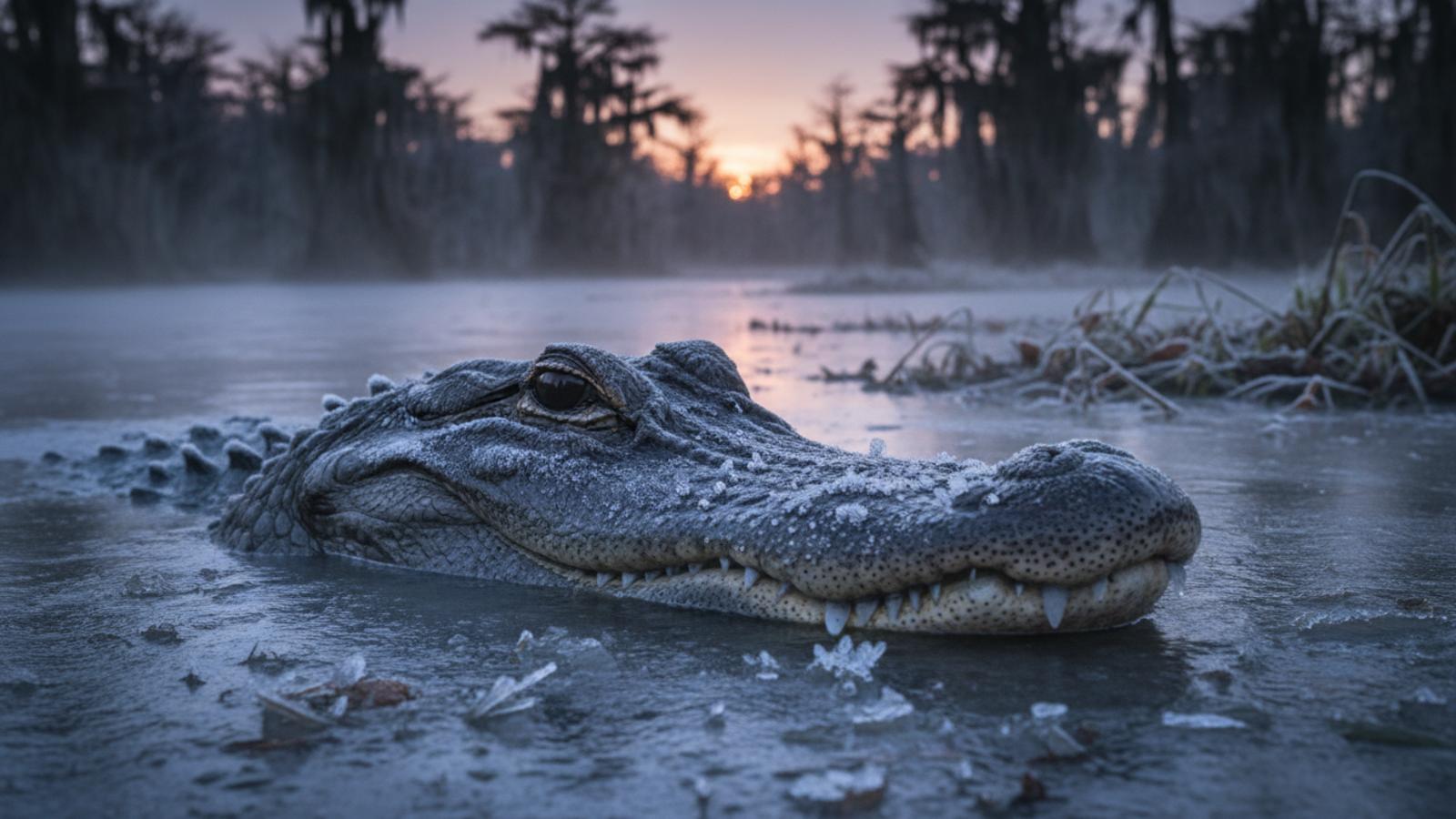
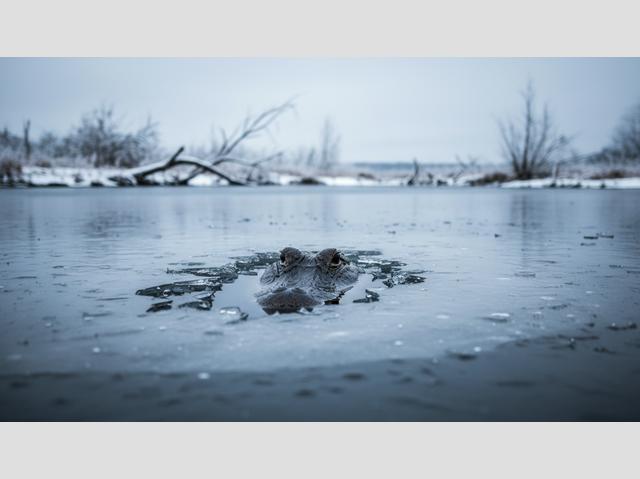
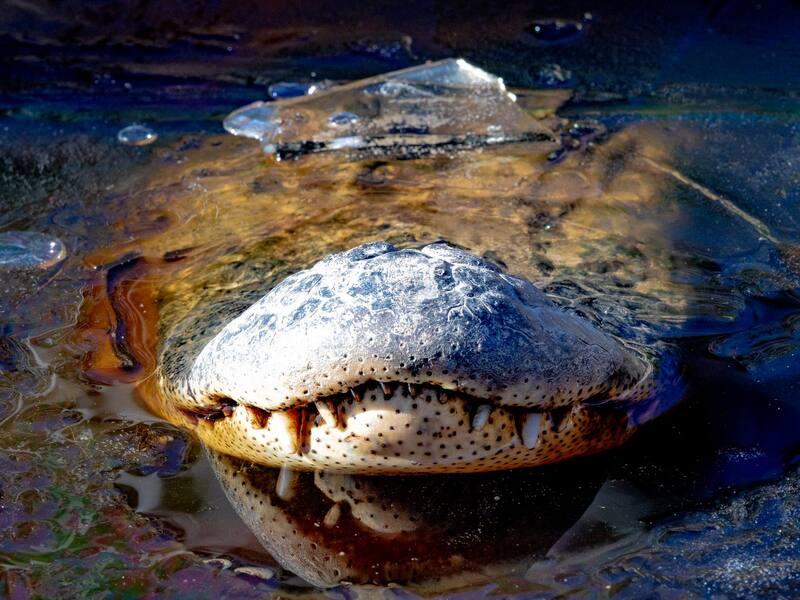
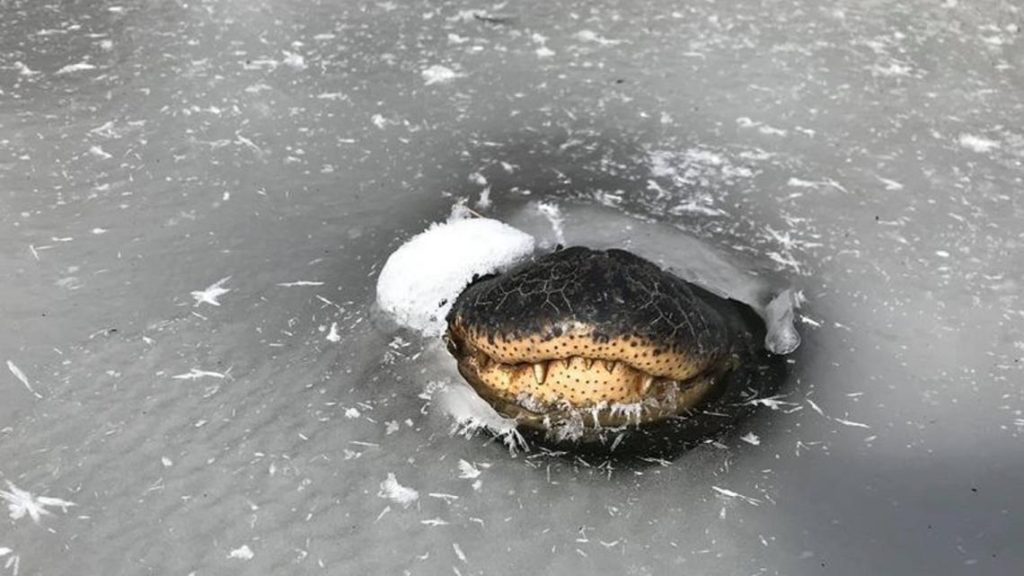
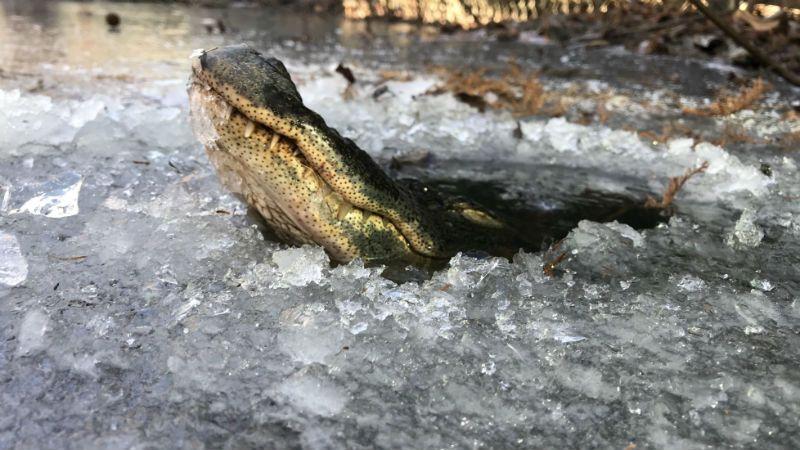
    When people think of alligators, they usually imagine powerful reptiles basking in the warm sun of swamps, rivers, and wetlands. These ancient predators are often associated with hot, humid climates, making it difficult to imagine them surviving freezing temperatures. Yet every winter, images and videos emerge showing alligators trapped in ice with only their snouts visible above the frozen surface. To many observers, these animals appear frozen solid and seemingly lifeless.

    The reality is even more fascinating than it looks.

    Alligators possess one of the most remarkable cold-weather survival strategies in the animal kingdom. Rather than fleeing from winter weather, they have evolved a unique ability to endure periods of extreme cold by dramatically slowing down their bodies and entering a state that helps them survive until temperatures rise again.

    This incredible adaptation has fascinated scientists, wildlife experts, and animal lovers around the world. Understanding how alligators survive freezing conditions provides valuable insight into reptile biology, evolution, and the extraordinary ways animals adapt to challenging environments.

    The Surprising Relationship Between Alligators and Cold Weather

    The American alligator is primarily found throughout the southeastern United States, particularly in wetlands, marshes, rivers, lakes, and swamps. Although these regions are known for warm temperatures, winter cold snaps occasionally occur, especially in northern parts of the alligator’s range.

    Unlike mammals and birds, alligators are ectothermic animals, commonly referred to as cold-blooded. This means they cannot internally regulate their body temperature the way humans can. Instead, their body temperature depends largely on the surrounding environment.

    Because of this, cold weather presents a significant challenge. As temperatures drop, an alligator’s metabolism slows dramatically. Movement becomes sluggish, digestion slows, and overall activity decreases.

    For most of the year, this is not a problem. However, when temperatures fall below freezing and water bodies begin turning to ice, survival becomes much more complicated.

    What Happens When the Water Freezes?

    As winter temperatures approach freezing levels, alligators begin preparing for the cold. They seek deeper sections of ponds, marshes, and wetlands where water temperatures remain more stable.

    However, during particularly severe cold spells, even these waters may freeze at the surface.

    Rather than panicking or attempting to leave, alligators use a strategy that has amazed scientists and wildlife observers alike. Before the surface completely freezes, they position themselves in shallow water with the tip of their snout extending above the surface.

    As the ice forms, the snout remains exposed while the rest of the body becomes submerged beneath the frozen layer.

    To an observer, it may look as though the alligator has become trapped in ice. In reality, the animal has carefully positioned itself to maintain access to air while entering a low-energy survival state.

    This behavior allows the reptile to continue breathing even while surrounded by freezing conditions.

    The Science Behind Brumation

    Many people compare this frozen state to hibernation, but reptiles actually undergo a different process known as brumation.

    Brumation is a period of dormancy experienced by reptiles during cold weather. While it shares similarities with hibernation, there are important differences.

    During brumation, an alligator’s metabolism slows significantly. Heart rate decreases, energy consumption drops, and movement becomes minimal. The animal conserves precious energy reserves while waiting for environmental conditions to improve.

    Unlike hibernating mammals, reptiles in brumation may occasionally become active during warmer periods. If temperatures temporarily rise, an alligator might move around before returning to its dormant state when cold weather returns.

    This flexibility helps them respond to changing environmental conditions while conserving energy during extended cold periods.

    Why the Snout Is So Important

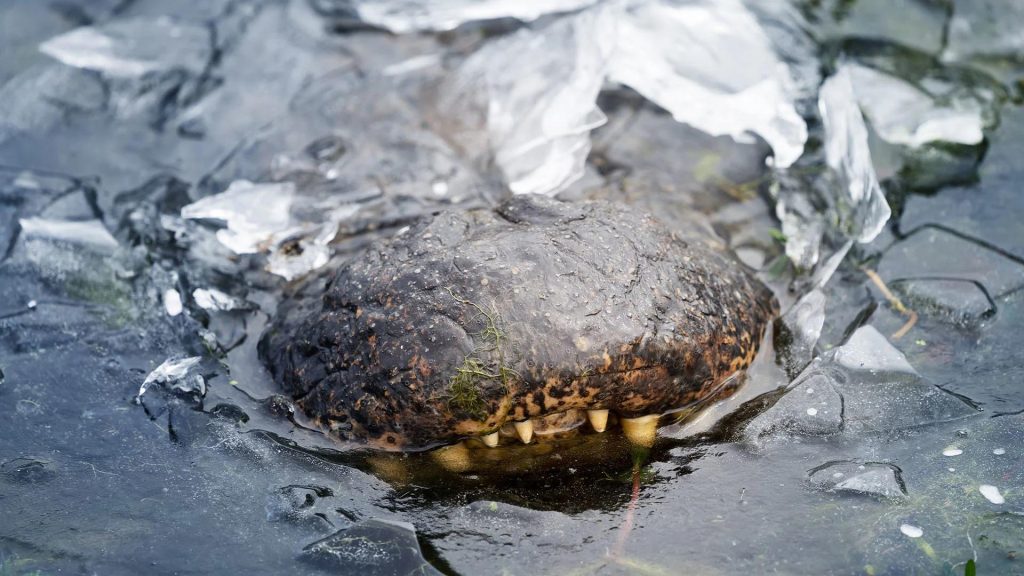
    The most recognizable feature of a frozen alligator is its snout sticking out of the ice.

    This position serves a critical purpose.

    Like all reptiles, alligators require oxygen to survive. By keeping their nostrils above the frozen surface, they maintain access to air even when the surrounding water is covered by ice.

    The snout effectively acts as a breathing tube.

    Without this adaptation, an alligator trapped beneath a frozen layer could face serious difficulties obtaining oxygen. Positioning the snout before freezing occurs ensures the animal can continue breathing throughout the cold spell.

    This behavior demonstrates a remarkable awareness of environmental changes and highlights the evolutionary adaptations that have helped alligators survive for millions of years.

    How Long Can Alligators Remain Frozen?

    One of the most common questions people ask is how long an alligator can survive in these conditions.

    The answer depends on several factors, including temperature, ice thickness, water depth, and the overall health of the animal.

    In many cases, alligators can remain in their brumation state for days or even weeks if necessary. Because their metabolism slows dramatically, their energy requirements become extremely low.

    Once temperatures rise and ice begins melting, the animals gradually become more active.

    Observers have documented alligators appearing almost motionless during freezing weather, only to resume normal behavior once warmer temperatures return.

    This remarkable resilience allows them to survive conditions that might seem impossible for a reptile.

    An Ancient Survival Strategy

    Alligators belong to a lineage that dates back more than 200 million years. Their ancestors lived during the age of dinosaurs and survived multiple environmental changes throughout Earth’s history.

    The ability to endure cold temperatures likely played an important role in their long-term survival.

    Natural selection favored individuals capable of tolerating occasional cold periods. Over countless generations, behaviors such as brumation and strategic positioning during freezing weather became highly effective survival tools.

    Today, modern alligators continue to benefit from these ancient adaptations.

    Their success serves as a reminder that survival is not always about strength or aggression. Sometimes, the ability to slow down, conserve energy, and patiently endure difficult conditions is the key to long-term survival.

    Where Has This Behavior Been Observed?

    Some of the most famous observations have occurred in wildlife parks and wetlands located in North Carolina.

    During unusually cold winters, wildlife staff have documented alligators maintaining breathing holes through frozen surfaces by keeping their snouts exposed.

    Videos and photographs of these events frequently attract worldwide attention because they appear almost unbelievable.

    Many viewers assume the animals are frozen solid or even dead. In reality, the alligators are carefully managing their survival during extreme weather.

    Researchers continue studying these behaviors to better understand how reptiles respond to changing climates and environmental challenges.

    What Climate Change Could Mean for Alligators

    Climate change may influence alligator populations in several ways.

    Warmer average temperatures could expand suitable habitats into regions that were previously too cold. At the same time, unpredictable weather patterns may produce unusual cold snaps that challenge local populations.

    Scientists are monitoring how alligators adapt to changing environmental conditions. Understanding their responses helps researchers predict how wetland ecosystems may evolve in the future.

    Because alligators are considered important apex predators, their health often reflects the overall condition of the ecosystems they inhabit.

    Studying their winter survival strategies provides valuable information about environmental resilience and adaptation.

    Why This Survival Trick Fascinates Scientists

    The image of an alligator frozen in ice captures attention because it challenges common assumptions about reptiles.

    Most people associate reptiles with warmth and sunshine. Seeing one survive freezing conditions seems almost contradictory.

    Yet this phenomenon demonstrates the incredible adaptability of life on Earth.

    Through a combination of behavioral intelligence, physiological adaptation, and evolutionary history, alligators have developed a strategy that allows them to endure harsh winters that might otherwise prove fatal.

    Their ability to slow their metabolism, conserve energy, and maintain access to oxygen showcases one of nature’s most effective survival mechanisms.

    Conclusion

    The sight of an alligator seemingly frozen in ice is one of the most extraordinary wildlife phenomena in North America. Although it may appear alarming, the animal is actually employing a highly effective survival strategy that has evolved over millions of years.

    By entering a state of brumation, reducing energy consumption, and positioning its snout above the ice for breathing, the alligator can survive freezing temperatures that would otherwise threaten its survival.

    This remarkable adaptation highlights the resilience of one of Earth’s oldest reptile lineages and reminds us that nature often possesses solutions far more ingenious than we might imagine.

    The next time you see a photograph of an alligator with its snout sticking through a frozen pond, remember that you are witnessing an ancient survival technique—one that has helped these incredible reptiles endure for millions of years.

  • 7 Strange Things That Can Happen to Endangered Species

    7 Strange Things That Can Happen to Endangered Species

    Endangered species are some of the rarest and most fascinating creatures on Earth. Because their populations are small and their habitats are constantly changing, these animals often experience unusual events and behaviors that scientists are still trying to understand. From changing gender to adopting new survival skills, endangered species can sometimes do things that seem almost unbelievable.

    Here are seven strange things that can happen to endangered species.

    1.Some Endangered Animals Can Change Their Gender

    One of the strangest phenomena in nature is the ability of certain animals to change their sex. Among some fish species, including populations that face conservation concerns in certain regions, individuals can switch from male to female when needed.

    This remarkable adaptation helps maintain breeding populations when mates become scarce. If the dominant female disappears, a male may transform into a female and take her place.

    Scientists believe this ability increases the chances of survival for small populations and helps endangered groups continue reproducing despite declining numbers.

    2.Rare Birds Sometimes Learn New Songs From Human Noise

    Many endangered bird species depend on songs to attract mates and defend territories. However, habitat loss and increasing human activity have created a surprising challenge.

    Some birds have begun altering their songs to compete with traffic, machinery, and urban noise. Scientists have discovered that certain birds sing at higher pitches or different times of day to make themselves heard.

    This unusual adaptation demonstrates how wildlife can respond to environmental changes in unexpected ways.

    In some cases, young birds may even learn modified songs from older generations, creating entirely new vocal traditions.

    3.Endangered Species Can Become Nocturnal

    Animals that were once active during the day sometimes become creatures of the night.

    As human populations expand into natural habitats, endangered species often encounter more people, vehicles, and development. To avoid these disturbances, some animals shift their activity patterns.

    Researchers have observed endangered mammals becoming increasingly nocturnal, hunting and traveling under the cover of darkness rather than during daylight hours.

    While this strategy helps them avoid danger, it can also affect feeding habits, social interactions, and reproduction.

    4.Some Animals Raise Babies That Aren’t Their Own

    Adoption is not limited to humans.

    Among endangered species, scientists have occasionally observed adults caring for orphaned young that are not their biological offspring.

    This behavior has been documented in various mammals, including primates and elephants. Adult animals may feed, protect, and nurture unrelated young after the loss of their parents.

    Such acts increase the survival chances of vulnerable offspring and may help maintain population numbers when every individual matters.

    For species on the brink of extinction, these unexpected acts of care can play an important role in conservation.

    5.Endangered Animals Sometimes Forget Natural Survival Skills

    Conservation programs have successfully bred many endangered species in captivity. However, an unusual challenge sometimes arises.

    Animals raised in protected environments may fail to learn important survival skills such as hunting, avoiding predators, or finding food.

    When reintroduced into the wild, these animals often require special training to help them adapt.

    Conservationists may use simulated predators, natural feeding exercises, and social learning programs to prepare animals for life outside captivity.

    This strange situation highlights how survival is not based solely on genetics but also on learned behavior.

    6.Tiny Populations Can Develop Unusual Physical Traits

    When animal populations become very small, genetic diversity decreases.

    As a result, unusual physical characteristics may appear more frequently. Scientists sometimes observe rare color patterns, body shapes, or other distinctive traits in endangered populations.

    While some changes are harmless, others can create health challenges or reduce survival rates.

    Conservation programs often work to increase genetic diversity by carefully managing breeding populations and protecting habitat connections.

    These efforts help ensure healthier future generations.

    7.Endangered Species Can Learn to Use Human-Made Objects

    Some endangered animals have displayed remarkable intelligence by adapting to modern environments.

    Researchers have observed certain species using human-made materials as tools, shelter components, or food-gathering aids.

    Birds may incorporate wires or plastic into nests. Mammals may learn to open containers or navigate obstacles created by people.

    These behaviors show how adaptable wildlife can be when faced with rapidly changing conditions.

    Although such innovations may help animals survive, they also remind us of the growing influence humans have on ecosystems worldwide.

    Why Protecting Endangered Species Matters

    Endangered species are more than just rare animals. They are essential parts of ecosystems that help maintain nature’s balance. Every species plays a unique role, whether it spreads seeds, controls pests, pollinates plants, or supports food chains.

    When endangered species disappear, entire ecosystems can suffer. Protecting these animals helps preserve biodiversity and ensures that future generations can continue to experience the incredible variety of life on Earth.

    The strange behaviors and adaptations described above demonstrate just how resilient wildlife can be. Yet even the most adaptable species need healthy habitats and conservation support to survive.

    By protecting endangered animals today, we help safeguard the natural world for tomorrow.

  • 5 Strange and Amazing Things That Can Happen to Monkeys

    5 Strange and Amazing Things That Can Happen to Monkeys

    1. Monkeys Can Become Expert Thieves

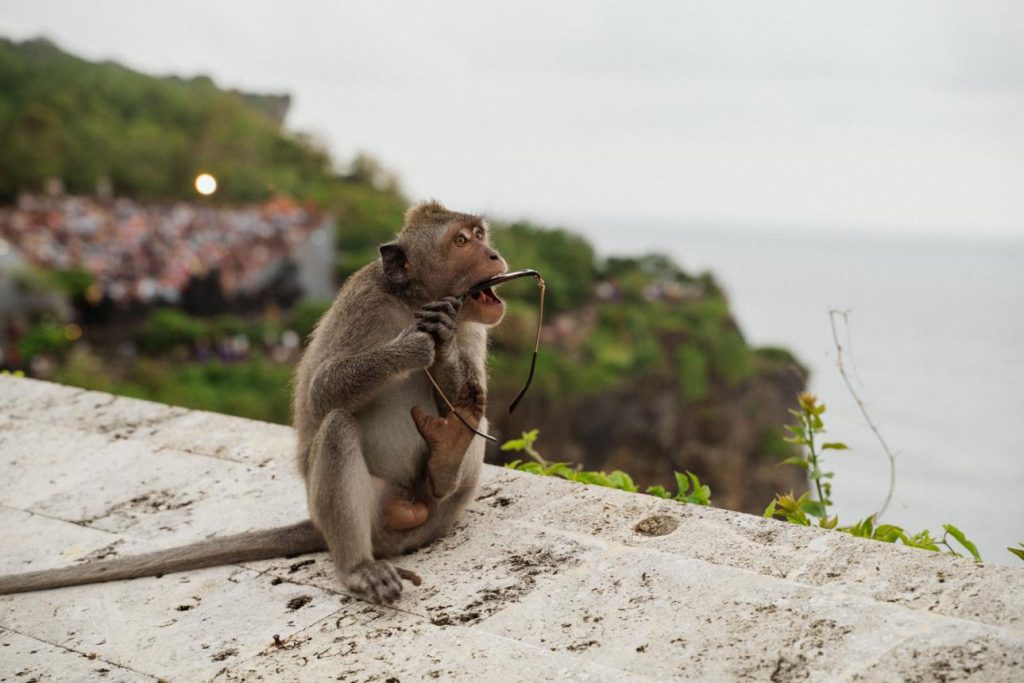
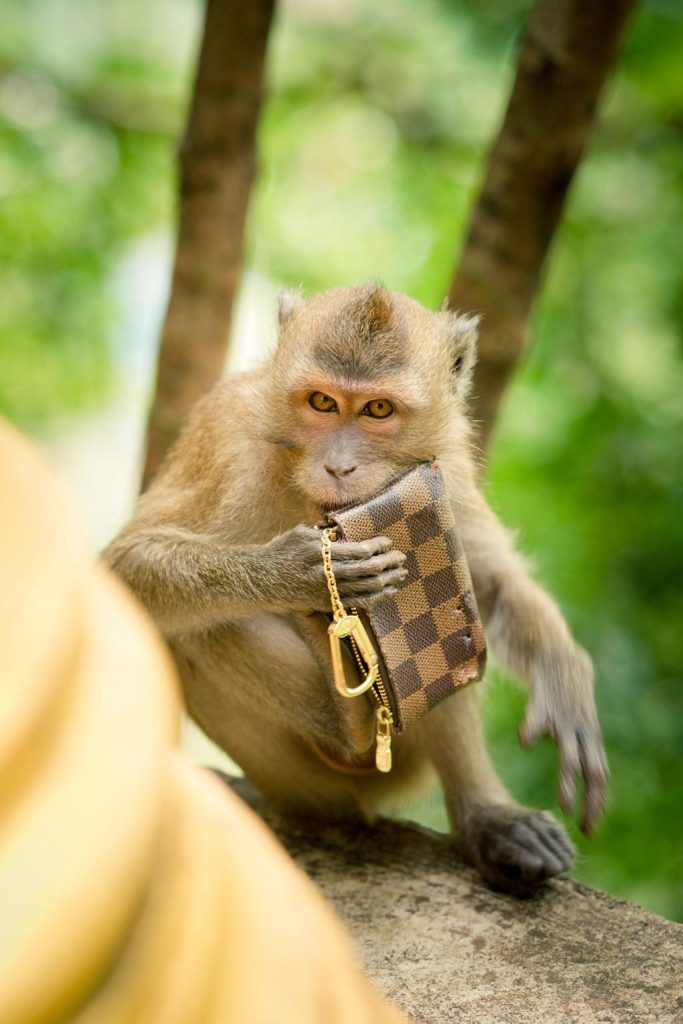
    In some tourist areas, monkeys have learned that stolen items can be exchanged for food. Certain groups of macaques will snatch sunglasses, hats, or even phones from visitors. They then wait for people to offer food in return for the stolen item. Researchers have observed that some monkeys become surprisingly skilled at choosing valuable objects to steal.

    2.Some Monkeys Wash Their Food Before Eating It

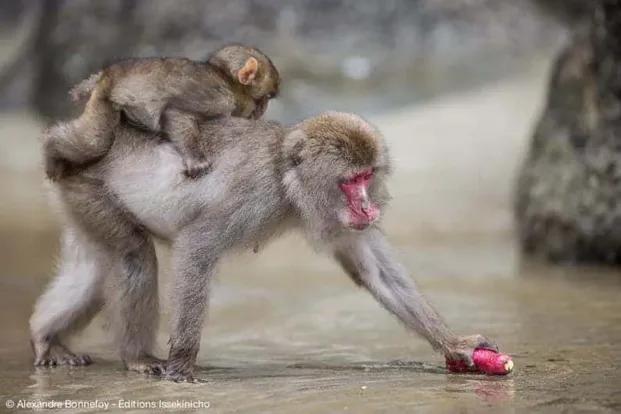
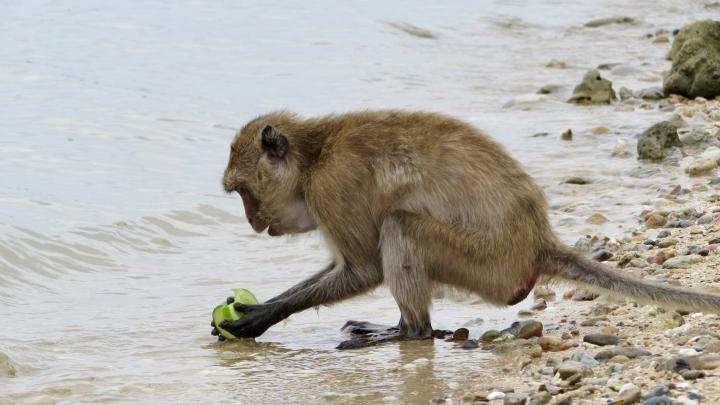
    The Japanese Macaque is famous for an unusual habit discovered in the 1950s. A young monkey started washing sandy sweet potatoes in water before eating them. Other monkeys copied the behavior, and soon it spread through the troop. This is considered one of the best examples of cultural learning in wild animals.

    3.Monkeys Can Use Stone Tools

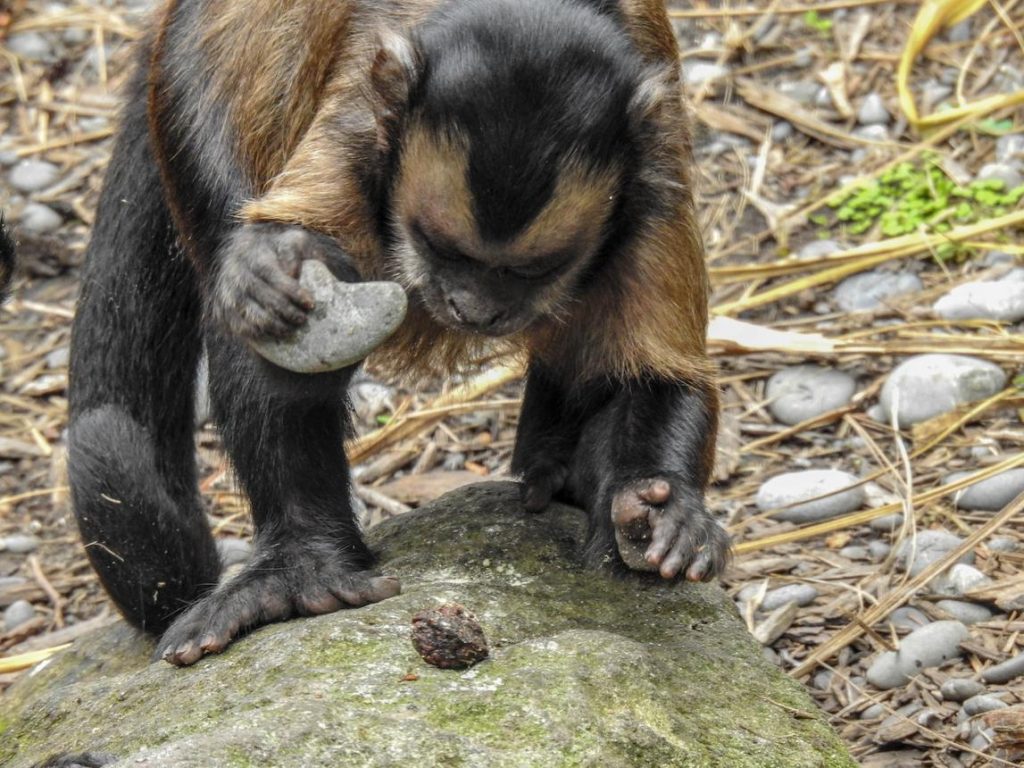
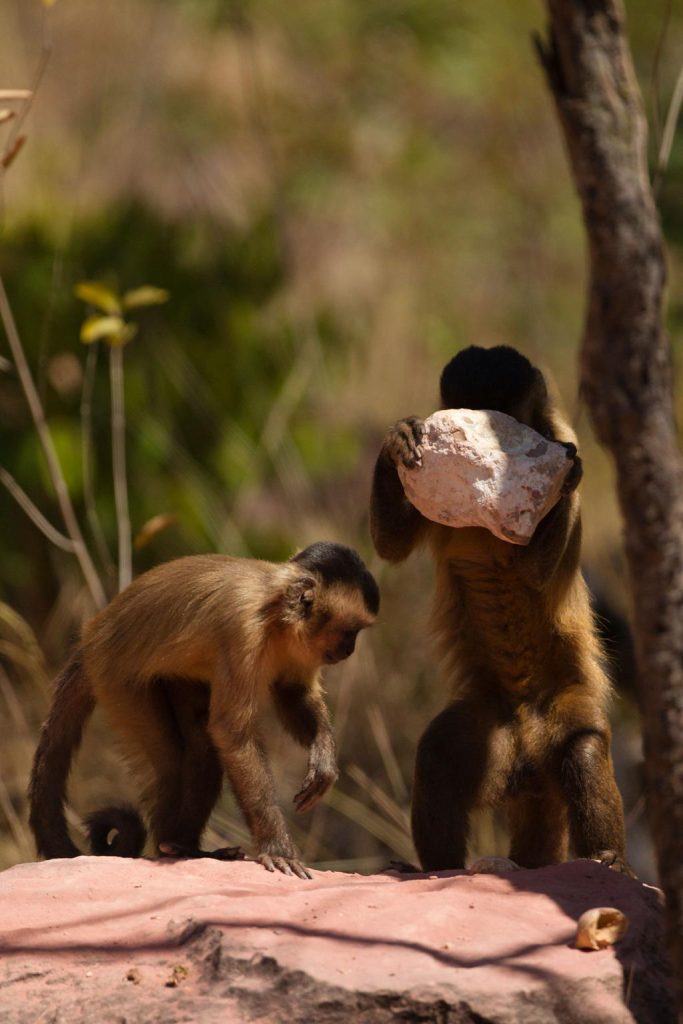
    Some monkeys have learned to use rocks as tools. Wild capuchin monkeys place hard nuts on flat stones and crack them open with another stone. Young monkeys spend years practicing before mastering the technique, much like children learning a new skill.

    4.Monkeys Sometimes Adopt Other Animals

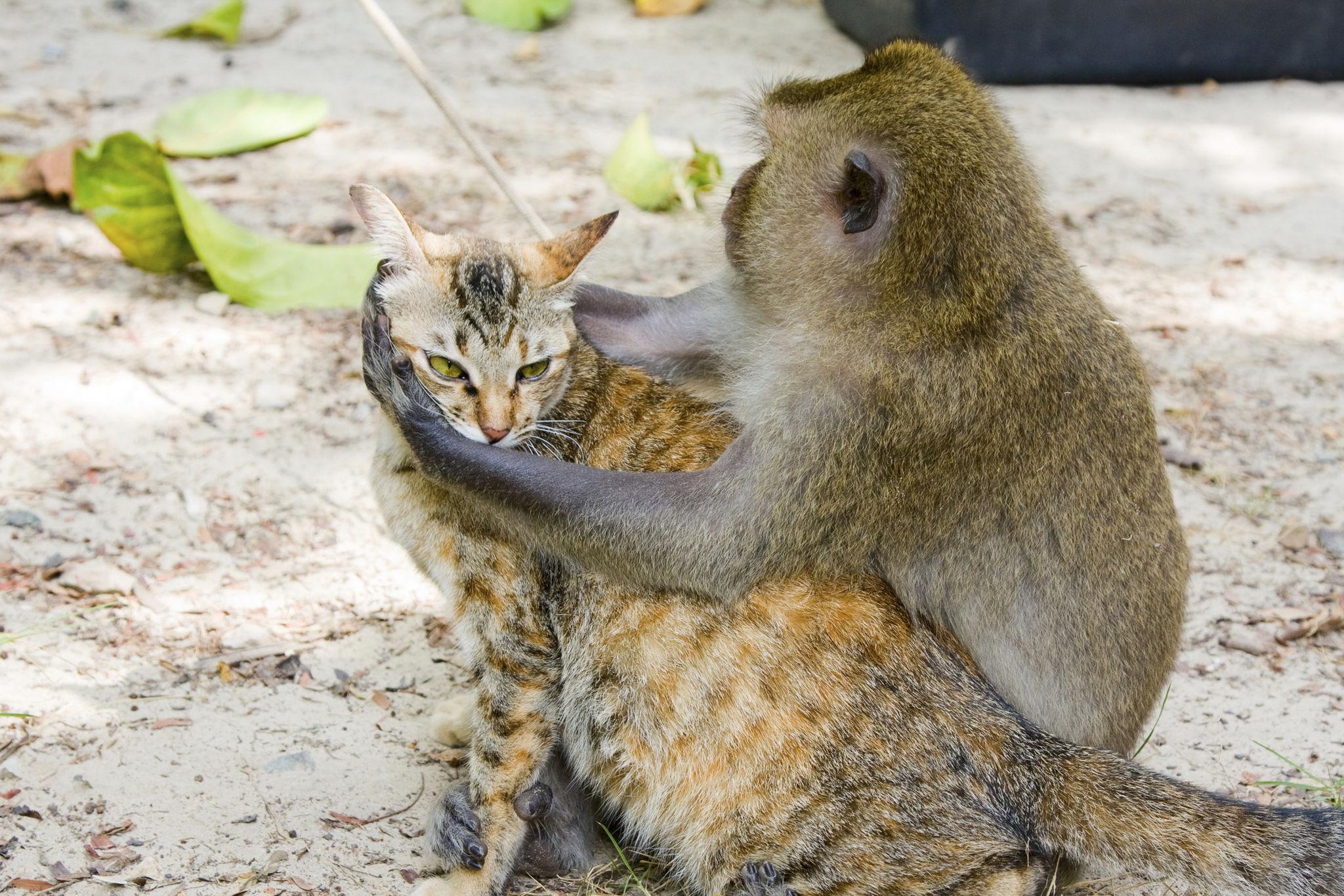
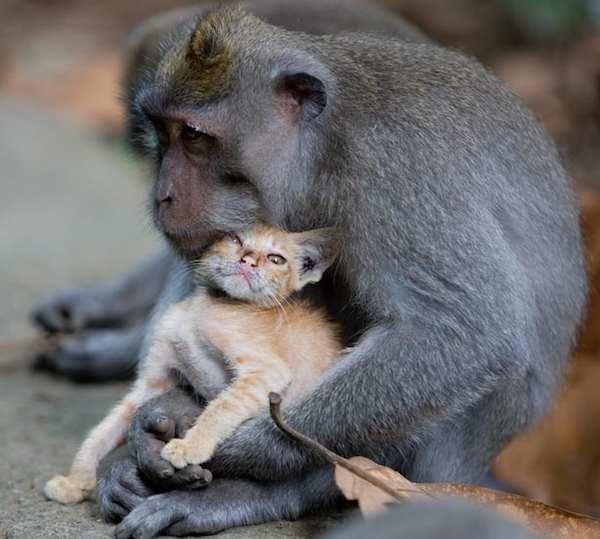
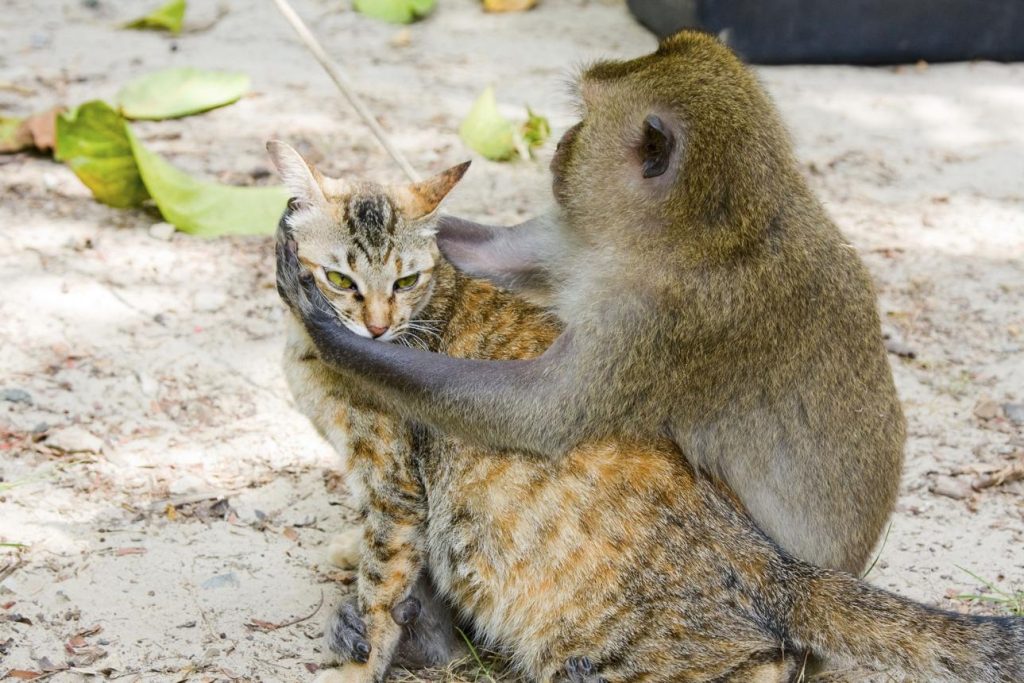
    There have been surprising reports of monkeys caring for abandoned kittens and other small animals. In some cases, monkeys have been observed grooming, protecting, and carrying these animals as if they were members of their own family. Scientists are still studying why this unusual behavior occurs.

    5.Some Monkeys Have Blue Faces

    The Mandrill is one of the most colorful mammals on Earth. Adult males develop bright blue and red facial markings that become more vivid as they grow stronger and healthier. These striking colors help them attract mates and communicate with other monkeys.

    Conclusion

    Monkeys are intelligent, adaptable animals capable of surprising behaviors. They can wash food, use tools, adopt other animals, become skilled thieves, and even display brilliant colors. These remarkable traits show just how fascinating and complex the monkey world can be.