Category: Reptiles

  • Giants in Tiny Mouths: Incredible Animals That Swallow Prey Larger Than Themselves

    Giants in Tiny Mouths: Incredible Animals That Swallow Prey Larger Than Themselves

    Giants in Tiny Mouths: Incredible Animals That Swallow Prey Larger Than Themselves


    Image
    Image
    Image
    Image

    Introduction

    Nature is full of surprising feats, but few are as astonishing as watching an animal consume something that appears far too large to fit inside its body. In the animal kingdom, size does not always determine what can become a meal. Some predators possess flexible jaws, expandable stomachs, stretchy skin, and specialized hunting techniques that allow them to swallow prey that seems impossibly oversized.

    From giant snakes engulfing mammals to deep-sea fish capable of swallowing animals larger than their own bodies, evolution has produced remarkable adaptations that challenge our understanding of physical limits. These extraordinary feeding strategies help animals survive in environments where food may be scarce, competition is intense, or opportunities for hunting are unpredictable.

    This article explores some of the most fascinating creatures known for eating prey much larger than themselves and reveals the biological secrets that make these astonishing meals possible.


    1. Pythons: Masters of Extreme Eating

    Image
    Image
    Image
    Image

    When people think about animals swallowing oversized meals, pythons often come to mind first.

    Unlike mammals, snakes do not chew their food. Instead, they swallow prey whole. What makes pythons extraordinary is their ability to consume animals weighing nearly as much as they do.

    Their jaws are not fused together like human jaws. Instead, multiple flexible ligaments connect the bones, allowing the mouth to stretch around enormous prey. During feeding, the snake alternates the movement of each side of its jaw, gradually pulling the prey inward.

    Researchers have documented large pythons swallowing:

    • Deer
    • Wild pigs
    • Antelope
    • Monkeys
    • Crocodiles

    After such a massive meal, a python may not need to eat again for weeks or even months. Its metabolism dramatically increases during digestion, helping break down bones, muscle, and organs.

    One of the most remarkable aspects is that the snake’s internal organs temporarily adjust to accommodate the huge meal, making pythons among nature’s most impressive eating machines.


    2. Gulper Eels: Deep-Sea Creatures With Expandable Mouths

    Far below the ocean’s surface lives one of the strangest predators on Earth—the gulper eel.

    Its body is relatively thin, but its mouth is enormous. The eel’s jaw can expand into a gigantic pouch resembling a pelican’s throat sac.

    In the deep ocean, food is scarce. A meal may not appear for days or weeks. Because opportunities are rare, gulper eels evolved the ability to swallow prey larger than themselves whenever the chance arises.

    Their mouths open incredibly wide, while their stomachs stretch dramatically after feeding. Scientists believe this adaptation increases survival in one of the harshest environments on the planet.

    The sight of a gulper eel with its giant mouth fully extended is so unusual that it resembles a creature from science fiction rather than a real animal.


    3. Frog Versus Snake: Unexpected Predator Success

    Image
    Image
    Image
    Image

    Frogs are often viewed as prey animals, yet some species can be surprisingly aggressive hunters.

    Large frogs, especially bullfrogs, have been observed swallowing snakes, birds, rodents, and even other frogs. In many cases, the prey appears far too large to fit inside the frog’s mouth.

    The secret lies in their flexible jaws and powerful swallowing muscles. Once prey is captured, frogs use their eyes to assist in pushing food toward the throat. Their eyeballs actually retract downward into the skull during swallowing, helping force food into the digestive tract.

    This unusual adaptation allows certain frogs to tackle prey far larger than most people would imagine.

    Wildlife photographers occasionally capture astonishing scenes of frogs slowly swallowing snakes almost equal to their own body length, creating some of nature’s most surprising feeding encounters.


    4. Pelicans: More Than Just Fish Catchers

    Most people recognize pelicans by the huge pouch hanging beneath their beaks. While they commonly eat fish, their feeding behavior can be much more dramatic.

    A pelican’s pouch can expand enormously, allowing it to scoop large volumes of water and prey simultaneously. Sometimes pelicans attempt to swallow surprisingly large fish that barely fit inside their throats.

    There have even been reports of pelicans consuming:

    • Ducks
    • Pigeons
    • Small seabirds
    • Large fish nearly half their body size

    The pouch functions like a giant net. Once prey is trapped, water drains away while the animal remains inside.

    Their expandable throat and highly flexible neck allow pelicans to process meals that appear impossible when compared to the size of their heads.


    5. Goliath Groupers: Ocean Ambush Giants

    Image
    Image
    Image
    Image
    Image
    Image

    The goliath grouper is one of the largest reef fish in the world. Despite its already impressive size, it is famous for swallowing prey astonishingly quickly.

    Groupers use a feeding method called suction feeding. When attacking, they rapidly open their mouths, creating a powerful vacuum that pulls prey inward.

    This strategy allows them to consume:

    • Large fish
    • Stingrays
    • Crustaceans
    • Small sharks

    The entire event often lasts less than a second.

    Divers frequently describe watching a grouper inhale a large fish as though it vanished into thin air. The predator’s huge mouth and expandable stomach make these oversized meals possible.


    6. African Rock Pythons and Their Record-Breaking Meals

    While all large pythons are impressive eaters, African rock pythons have earned particular attention for their extraordinary appetite.

    These snakes have been documented consuming prey that includes:

    • Antelope
    • Warthogs
    • Large birds
    • Young crocodiles

    The process may take hours. During feeding, the snake slowly works its jaws around the prey while maintaining its grip using backward-pointing teeth.

    After swallowing a very large meal, the snake’s body may become dramatically enlarged. Digestion can continue for several weeks as powerful stomach acids dissolve even hard skeletal material.

    This ability enables the python to survive long periods without another successful hunt.


    7. The Black Swallower: A Tiny Fish With Giant Ambitions

    Perhaps no animal better represents extreme feeding than the black swallower.

    This deep-sea fish measures only a few inches long, yet it can consume prey several times its own size.

    Scientists have recovered black swallowers containing fish so large that the prey extended far beyond the predator’s body.

    How is this possible?

    The fish possesses:

    • Highly flexible jaws
    • Expandable stomach walls
    • Stretchable skin
    • Loosely connected bones

    When food opportunities arise in the deep ocean, the black swallower takes full advantage, even if the prey appears impossibly oversized.

    Occasionally, the meal is so large that the predator cannot digest it fast enough, illustrating the extreme risks associated with this feeding strategy.


    Why Evolution Favors Oversized Meals

    At first glance, swallowing enormous prey seems dangerous. However, there are significant advantages.

    Energy Efficiency

    Capturing one large meal may provide more energy than hunting many small prey items.

    Scarce Food Environments

    Deep-sea animals often encounter food rarely. Eating a massive meal whenever possible improves survival.

    Reduced Competition

    Animals capable of consuming oversized prey can exploit food sources unavailable to smaller competitors.

    Longer Survival Between Hunts

    Large meals provide energy reserves that may last for weeks or months.

    These benefits help explain why oversized feeding strategies evolved independently in many unrelated animal groups.


    The Risks of Eating Too Much

    While impressive, swallowing huge prey carries serious dangers.

    Some risks include:

    • Choking
    • Digestive failure
    • Increased vulnerability to predators
    • Reduced mobility
    • Internal injuries

    A snake with a giant meal inside may move very slowly. A deep-sea fish that swallows excessive prey may be unable to digest it before decomposition begins.

    Nature rewards bold feeding behavior, but it also imposes strict limits.


    Conclusion

    The ability to swallow prey larger than oneself ranks among the most extraordinary adaptations in the animal kingdom. Whether it is a python engulfing a deer, a frog consuming a snake, a pelican swallowing an oversized fish, or a deep-sea black swallower attempting a meal several times its own size, these animals demonstrate how evolution can produce seemingly impossible solutions to survival challenges.

    Their remarkable jaws, expandable stomachs, and specialized feeding strategies remind us that nature often operates beyond human expectations. Every oversized meal represents millions of years of evolutionary refinement, transforming ordinary predators into some of the most astonishing hunters on Earth.

    The next time you encounter wildlife footage of a snake, fish, or bird swallowing an enormous meal, remember that what appears impossible is simply another example of nature’s endless creativity.
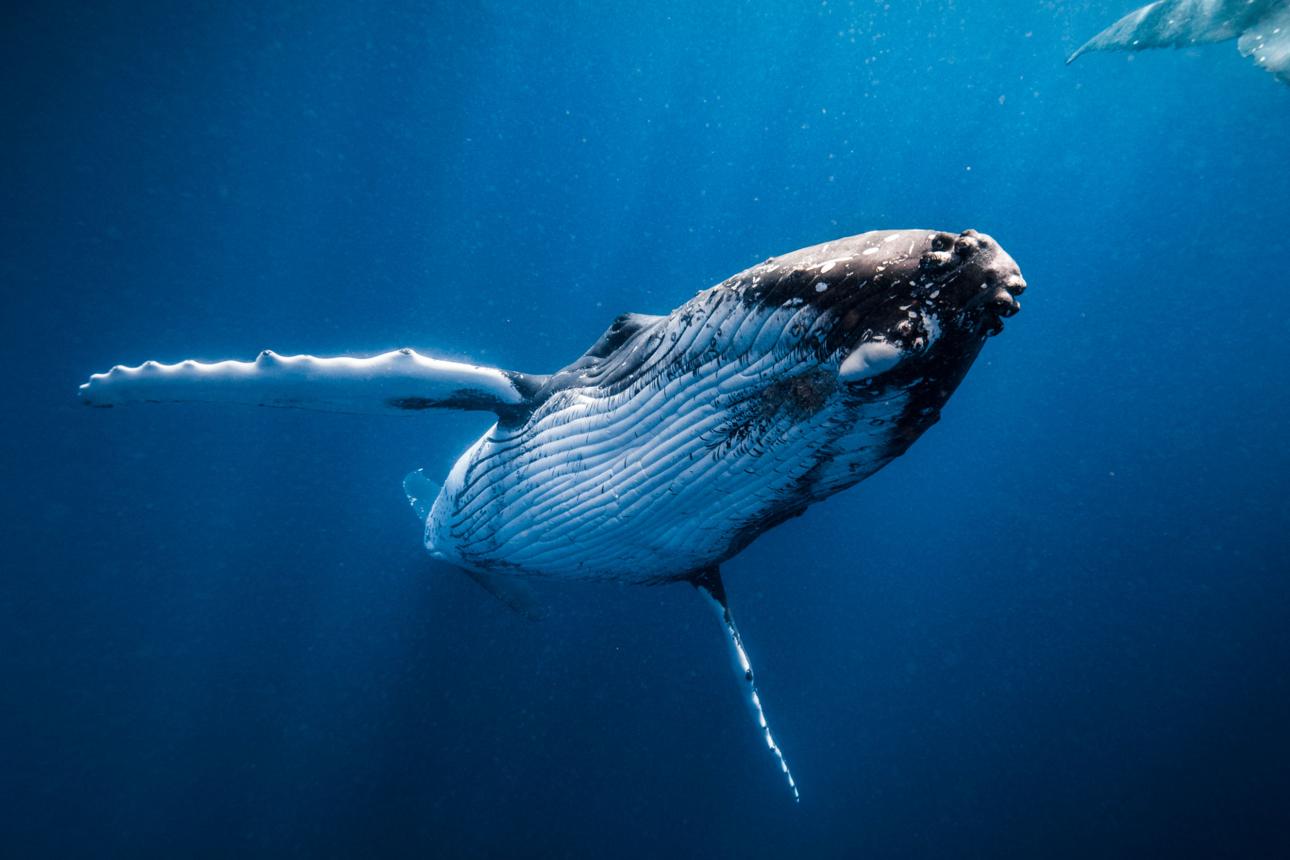

  • Whales Communicate Across Vast Distances

    Whales Communicate Across Vast Distances

    Whales That Talk Across Oceans: The Incredible Science of Long-Distance Whale Communication

    Close up of humpback whales swimming below the surface of the open blue ocean

    In the deep blue silence of the ocean, whales are carrying on conversations that can travel farther than most people imagine. While humans rely mainly on sight and speech in air, whales evolved in a world where sound is the fastest and most effective way to share information. Some whale calls can travel for hundreds of miles through seawater, allowing animals separated by vast distances to remain connected.

    blue whale - Kids | Britannica Kids | Homework Help

    This ability has fascinated scientists for decades. Whale songs are not random noises — they are structured, patterned, and often repeated. Some species produce haunting melodies that can last for hours. Others emit low-frequency pulses powerful enough to cross entire ocean basins under the right conditions.

    Pria Ini Rekam Suara Lolongan Paus Bungkuk Paling Keras di Hawaii | kumparan.com

    Understanding how whales communicate reveals not only the physics of sound underwater, but also the social complexity of these giant marine mammals. Their voices help them navigate, find food, maintain family bonds, and possibly even share cultural traditions.

    Why Sound Travels So Far Underwater

    Sound behaves very differently in water than in air. Seawater is denser and transmits sound waves more efficiently, allowing low-frequency sounds to travel extremely long distances with relatively little loss of energy.

    The SOFAR Channel

    One important reason is a layer in the ocean called the SOFAR channel (Sound Fixing and Ranging channel). In this zone, changes in temperature and pressure cause sound waves to bend and become trapped, allowing them to travel across enormous distances.

    Blue whales, the largest animals on Earth, produce calls at very low frequencies — sometimes below the range of human hearing. These sounds can travel hundreds or even thousands of miles through the ocean under favorable conditions.

    Why Low Frequencies Matter

    Lower-frequency sounds generally travel farther than higher-frequency ones because they lose less energy over distance. That is why whale calls often sound deep and resonant.

    The Famous Songs of Humpback Whales

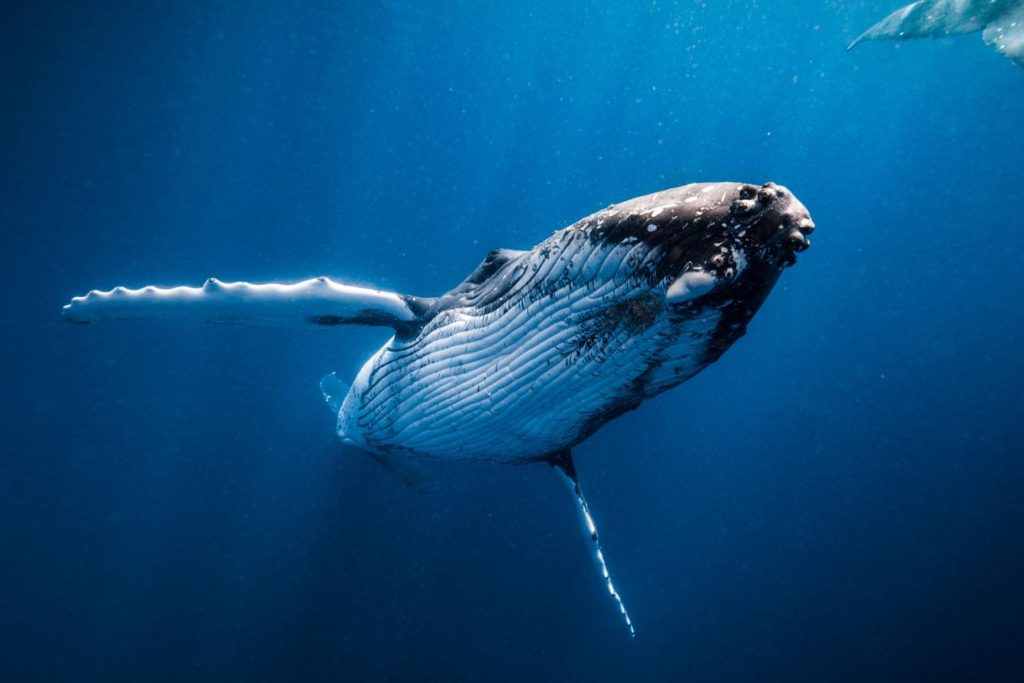
    Humpback whale behaviour dancing beneath the surface of the open blue ocean

    Humpback whales are perhaps the most famous singers in the animal kingdom. Male humpbacks produce elaborate songs that can last from 10 to 20 minutes and are repeated for hours at a time.

    Structure and Patterns

    These songs are highly organized. They contain themes, phrases, and repeating patterns, almost like musical compositions. Researchers have discovered that whales within the same population often sing very similar versions of a song.

    Songs Can Change Over Time

    Even more remarkable, humpback songs evolve. New variations spread through populations over months or years, creating what some scientists describe as a form of cultural transmission. In certain regions, entire whale populations have been observed gradually adopting a completely new song pattern introduced by neighboring groups.

    Why Do They Sing?

    Scientists believe humpback songs are primarily associated with breeding behavior, especially attracting mates or competing with other males. However, the full purpose is still being studied.

    Blue Whales: Voices That Span Oceans

    Surprise Discovery Shows Blue Whales Have Been Mating With Another Species : ScienceAlert

    Blue whales communicate using some of the lowest-frequency sounds known in the animal kingdom. Their calls are powerful, long-lasting, and capable of traveling extraordinary distances.

    Deep, Long-Distance Calls

    These calls often consist of deep moans, pulses, and rumbles. Because they are so low in frequency, humans may feel them more than hear them without specialized equipment.

    Possible Functions

    Researchers believe blue whales use these calls to:

    1. Maintain contact across vast ocean distances
    2. Coordinate movement during migration
    3. Locate potential mates
    4. Share information about feeding areas

    Imagine trying to stay connected with another animal hundreds of miles away in the open ocean. For blue whales, low-frequency sound makes that possible.

    Orcas and Complex Social Communication

    What Is a Group of Orcas Called? Not a School or a Squad But A... | HowStuffWorks

    Orcas, or killer whales, use a very different communication style from humpbacks and blue whales. Instead of long songs, they produce a rich variety of whistles, clicks, and pulsed calls.

    Distinct Dialects

    Different orca pods often have unique vocal dialects, almost like regional accents. Members of a pod learn these call patterns from one another, reinforcing social identity and group cohesion.

    Echolocation

    Orcas also use echolocation clicks to navigate and hunt. By listening to the echoes that bounce back from objects and prey, they can build an acoustic picture of their surroundings even in dark or murky water.

    This combination of social calls and echolocation makes orcas one of the most acoustically sophisticated marine mammals.

    How Scientists Study Whale Communication

    Studying whale sounds is challenging because the ocean is vast, deep, and often difficult to access. Researchers use several specialized tools to listen to whales.

    Hydrophones

    Underwater microphones called hydrophones record whale sounds. These devices can be attached to buoys, ships, autonomous underwater vehicles, or even placed on the seafloor for long-term monitoring.

    Tagging and Tracking

    Scientists sometimes attach temporary acoustic tags to whales. These tags record sounds produced by the whale as well as surrounding ocean noise, helping researchers connect vocal behavior with movement and social interactions.

    Acoustic Mapping

    By comparing recordings from multiple hydrophones, researchers can estimate where calls originate and how far they travel. This helps reveal migration routes, population distribution, and communication range.

    The Problem of Ocean Noise

    Waste shipments - Environment - European Commission

    Modern oceans are much noisier than they were a century ago. Shipping traffic, industrial activity, naval sonar, and offshore development all contribute to underwater noise pollution.

    This noise can interfere with whale communication in several ways:

    1. Masking: Background noise makes it harder for whales to hear one another.
    2. Reduced Range: Calls may not travel as far because they are drowned out by human-made sounds.
    3. Behavioral Changes: Whales may change the timing, pitch, or volume of their calls to compensate.

    Some studies suggest whales may call louder in noisy environments, similar to humans raising their voices in a crowded room. However, this adaptation may come with energetic costs and may not fully solve the problem.

    Reducing ocean noise is increasingly recognized as an important part of marine conservation.

    Whale Communication and Culture

    One of the most exciting discoveries in recent decades is that whale communication may reflect forms of culture.

    In humpbacks, song changes can spread socially through populations. In orcas, vocal dialects are passed from generation to generation within family groups. These patterns suggest that whales learn from one another rather than relying solely on instinct.

    This challenges older assumptions that culture is uniquely human. Instead, whales appear capable of maintaining shared traditions, vocal identities, and socially transmitted behaviors over time.

    Migration, Family Bonds, and Navigation

    Whale communication is not only about mating or social identity. It also plays practical roles in survival.

    Migration

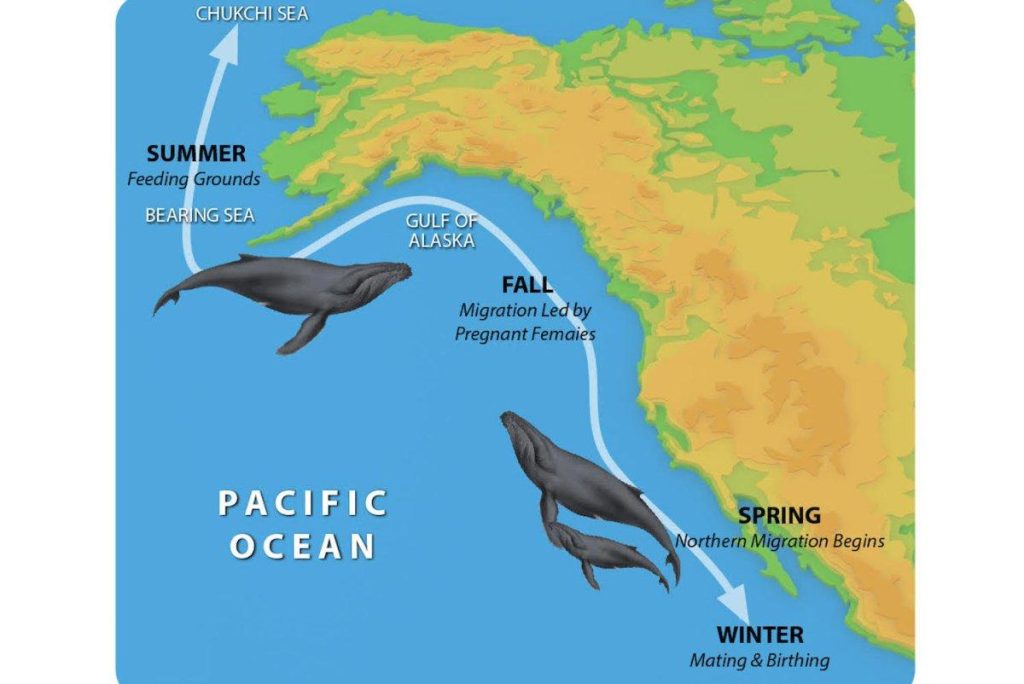
    Many whale species migrate thousands of miles between feeding and breeding grounds. Acoustic signals may help individuals maintain contact during these journeys or coordinate movement within groups.

    Family Connections

    Mothers and calves use calls to stay connected, especially in noisy or low-visibility conditions. Losing contact in the open ocean could be dangerous for a young whale.

    Navigation

    Some researchers are investigating whether whales use acoustic cues from the environment — such as echoes from seafloor features or distant sounds — as part of navigation. The ocean is not acoustically empty; it contains a complex landscape of natural sounds.

    Can Whales Talk to Each Other Across Oceans?

    Steve Backshall och valarna: Valarnas förflyttning | UR Play

    The phrase “whales communicating across oceans” is partly poetic and partly scientific reality.

    Under ideal conditions, some low-frequency whale calls can travel enormous distances, potentially across large sections of ocean basins. However, this does not mean whales are having detailed conversations across entire oceans in real time.

    Communication range depends on:

    • Water temperature and pressure
    • Ocean depth
    • Background noise
    • Call frequency and intensity
    • Weather and sea conditions

    Even so, the distances involved are extraordinary compared with most terrestrial animals. Few creatures on Earth can project their voices through such immense spaces.

    Why This Matters

    Whale communication is more than a scientific curiosity. It helps researchers monitor whale populations, understand migration patterns, and identify critical habitats.

    Passive acoustic monitoring can detect whales even when they are not visible, making it a powerful tool for conservation. By listening to the ocean, scientists can track endangered species, study population trends, and assess the impact of human activity.
    Whale songs also remind us that the ocean is an acoustic world. What seems silent from above is filled with messages, echoes, and long-distance signals exchanged by animals that have adapted to life in the sea over millions of years.

    Conclusion

    Whales communicate across astonishing distances using sound perfectly adapted for underwater life. Humpback whales sing evolving songs, blue whales send deep calls across vast stretches of ocean, and orcas maintain complex social dialects and echolocation systems.

    Their communication depends on the unique physics of seawater, especially the ability of low-frequency sounds to travel far through the ocean. At the same time, increasing human-made noise threatens to disrupt these ancient acoustic networks.

    Studying whale communication has transformed our understanding of marine mammals. It reveals animals with sophisticated social lives, learned traditions, and voices powerful enough to connect across the open sea.

  • Sea Turtles Carry Entire Ecosystems on Their Shells

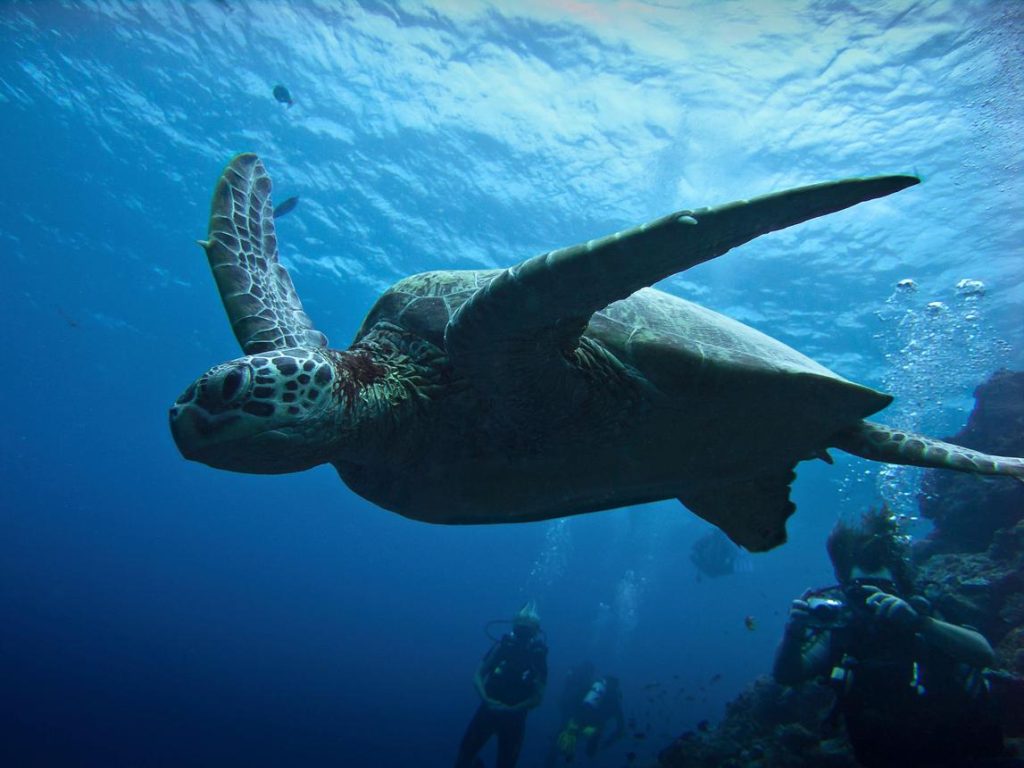
    Sea Turtles Carry Entire Ecosystems on Their Shells

    The world’s oceans are filled with extraordinary relationships between animals, plants, and microscopic organisms. Among the most fascinating of these natural partnerships is one that travels thousands of miles across the sea every year. It involves sea turtles—ancient marine reptiles that have existed for more than 100 million years—and the surprising communities of organisms that live on their shells.

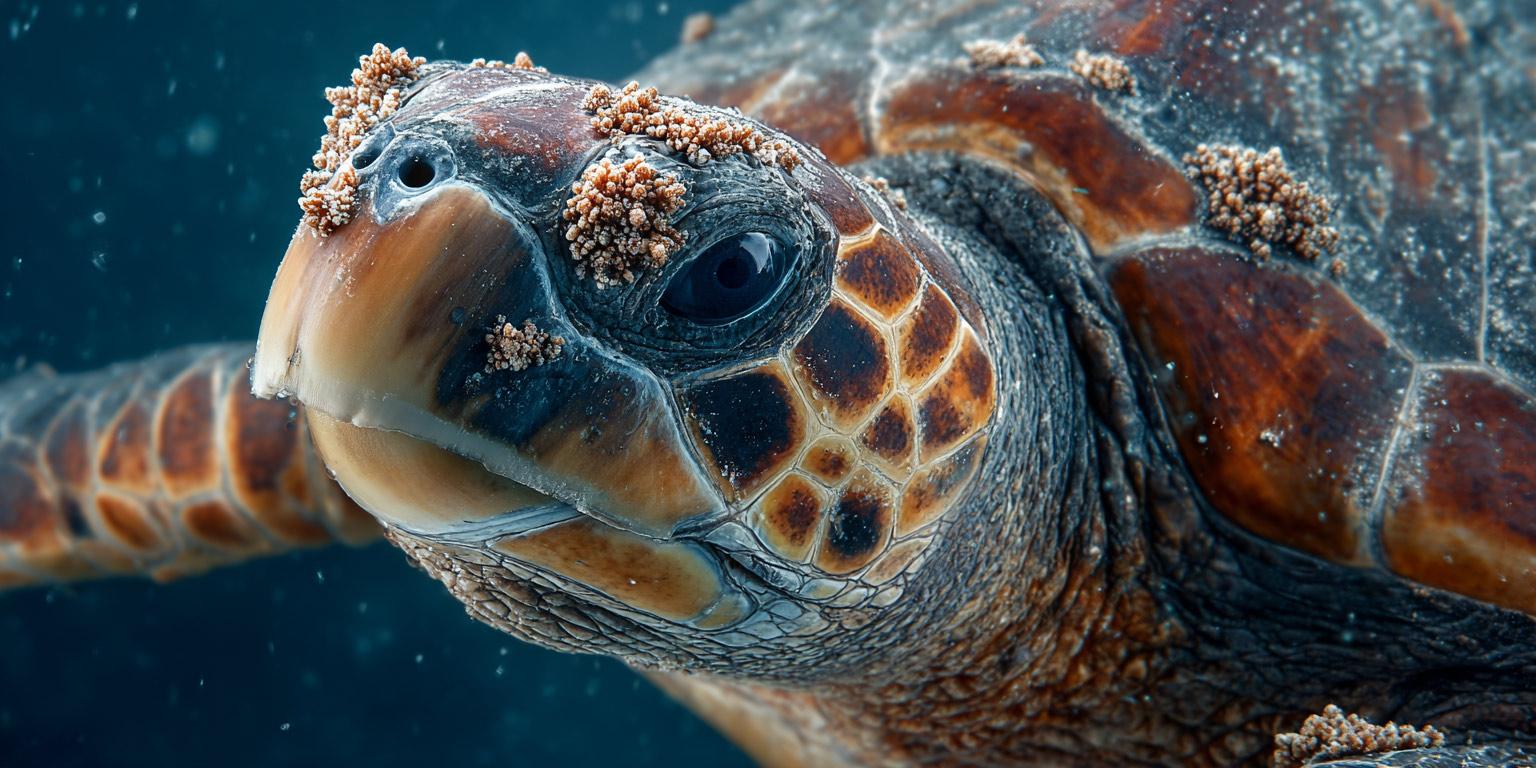
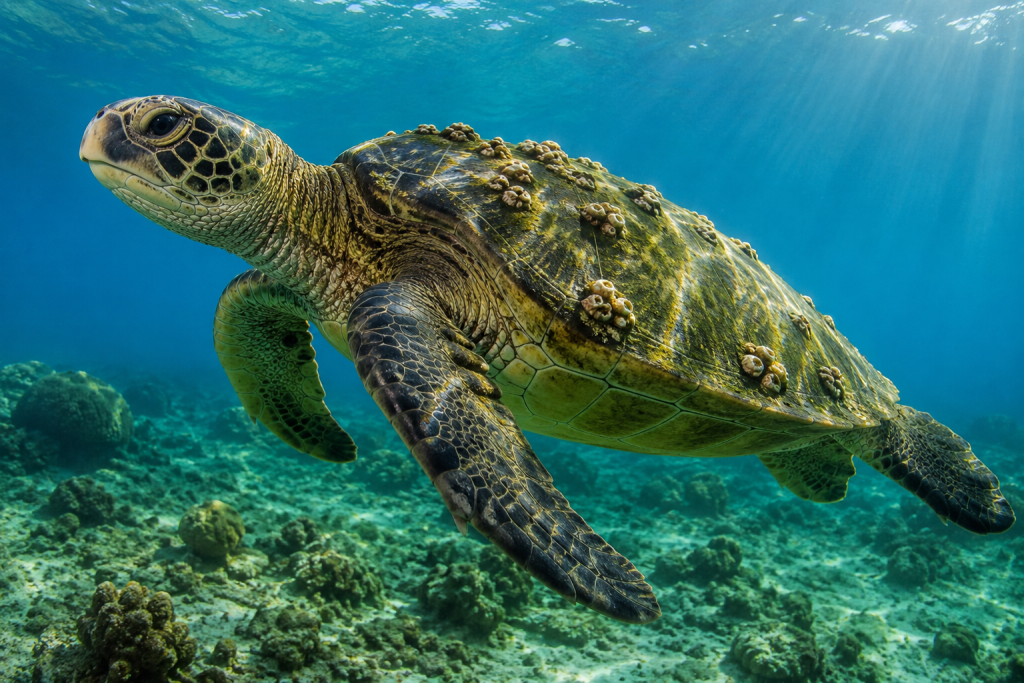
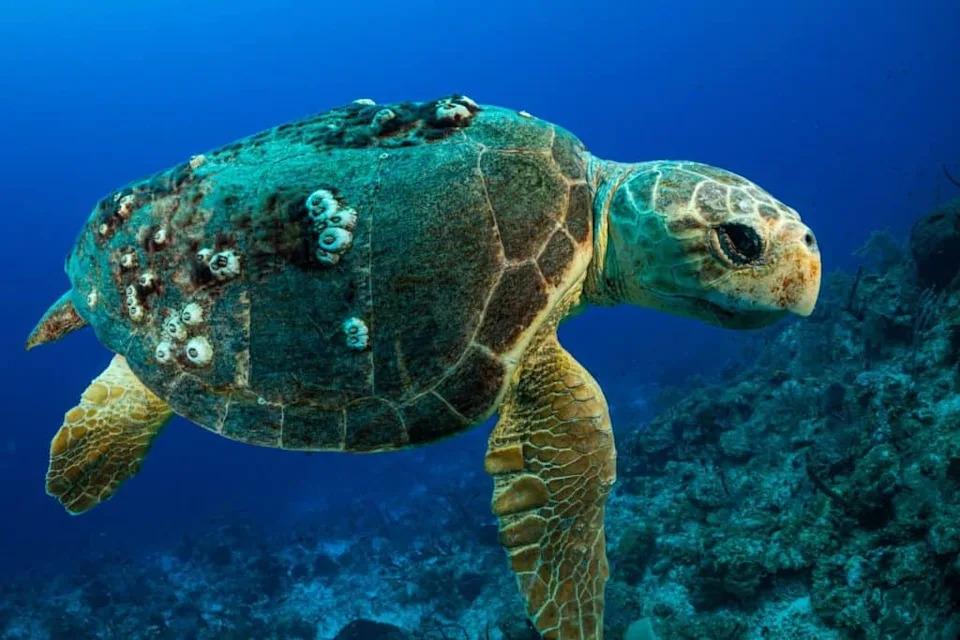
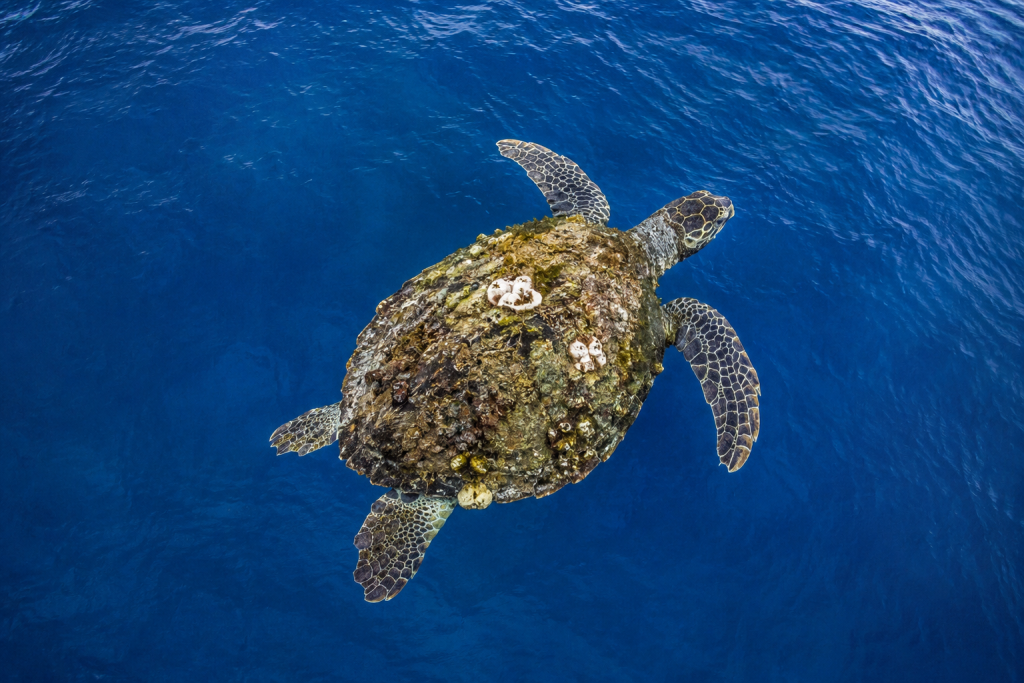
    To the casual observer, a sea turtle may appear to be swimming alone through the ocean. However, a closer look often reveals an entirely different story. Many sea turtles carry a diverse collection of marine hitchhikers including barnacles, algae, crustaceans, worms, mollusks, and microscopic organisms. Together, these creatures form miniature ecosystems that travel wherever the turtle goes.

    Scientists sometimes describe sea turtles as “living islands” because their shells provide a habitat for numerous species. These floating communities create one of the most remarkable examples of interconnected life in marine environments.

    Understanding how sea turtles support entire ecosystems reveals not only the complexity of ocean life but also the critical role these reptiles play in maintaining marine biodiversity.

    Ancient Travelers of the Ocean

    Sea turtles are among the oldest surviving reptile groups on Earth. Their ancestors swam in prehistoric oceans alongside dinosaurs.

    Today, seven species of sea turtles inhabit oceans around the world. These include the Green Sea Turtle, Loggerhead Sea Turtle, Hawksbill Sea Turtle, Leatherback Sea Turtle, Olive Ridley Sea Turtle, Kemp’s Ridley Sea Turtle, and Flatback Sea Turtle.

    Many of these species undertake incredible migrations. Some travel thousands of miles between feeding grounds and nesting beaches.

    Throughout these journeys, their shells become ideal surfaces for other marine organisms seeking a place to live.

    Unlike rocks, reefs, or the ocean floor, sea turtles are constantly moving. This mobility creates unique opportunities for marine species that attach themselves to the turtles and benefit from transportation through different environments.

    The result is a mobile ecosystem unlike anything else in the ocean.

    Why Turtle Shells Make Perfect Homes

    The shell of a sea turtle may seem like an unusual place to live, but for many marine organisms, it offers several important advantages.

    First, the shell provides a hard surface in an environment where suitable attachment sites can sometimes be limited.

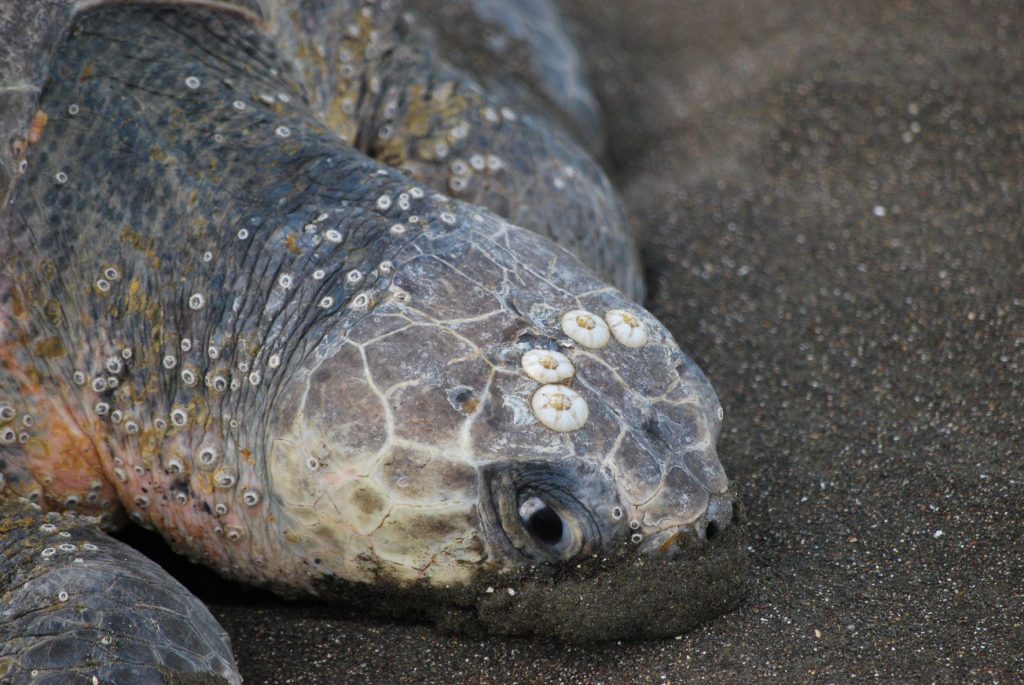
    Many marine organisms require solid structures to anchor themselves. Barnacles, for example, permanently attach to hard surfaces during their adult lives. A turtle shell provides exactly the kind of stable foundation they need.

    Second, the constant movement of the turtle exposes attached organisms to fresh water currents rich in oxygen and nutrients.

    As the turtle swims, water continuously flows across the shell, bringing microscopic food particles and improving living conditions for filter-feeding species.

    Third, the turtle’s migration allows hitchhiking organisms to access regions of the ocean they might never reach on their own.

    In effect, the turtle functions as a transportation system, carrying entire communities across vast distances.

    Barnacles: The Most Famous Turtle Hitchhikers

    Among the many creatures found on sea turtle shells, barnacles are perhaps the most recognizable.

    Barnacles are small crustaceans related to crabs and lobsters. During their early life stages, they drift freely through the ocean as larvae. Eventually, they settle onto a hard surface and remain attached for the rest of their lives.

    Sea turtles often provide ideal attachment sites.

    Researchers have identified multiple species of barnacles that specialize in living on sea turtles. Some even appear to prefer turtle shells over other surfaces.

    Barnacles benefit from constant access to moving water, which delivers plankton and organic particles that serve as food.

    Most barnacles cause little harm to healthy adult turtles when present in moderate numbers. However, extremely heavy infestations can increase drag and make swimming more difficult.

    Despite this potential drawback, barnacles remain one of the most common and fascinating members of the turtle shell ecosystem.

    Algae and Tiny Marine Forests

    Barnacles are only part of the story.

    Many sea turtles also carry algae growing directly on their shells. These algae create tiny underwater gardens that support additional organisms.

    The rough surfaces created by barnacles and shell irregularities provide excellent locations for algae to establish themselves.

    Over time, these algae patches may attract small invertebrates seeking food or shelter.

    Scientists have observed tiny shrimp, copepods, worms, and other organisms living among these miniature plant communities.

    What begins as a simple layer of algae can eventually become a complex habitat supporting multiple species.

    In this way, a turtle shell can resemble a miniature coral reef traveling through the open ocean.

    The Hidden World of Microorganisms

    While barnacles and algae are easy to see, much of the turtle shell ecosystem remains invisible to the naked eye.

    Microscopic organisms form an important component of these communities.

    Bacteria, diatoms, protozoans, and other microorganisms colonize shell surfaces, creating biofilms that serve as the foundation for larger ecological interactions.

    These microscopic communities help recycle nutrients and support food webs involving larger organisms.

    Researchers studying turtle shells have discovered surprisingly diverse microbial populations that vary depending on habitat, species, age, and migration patterns.

    Each turtle effectively carries its own microscopic world.

    This hidden biodiversity highlights how even seemingly simple surfaces can host complex ecological networks.

    Do These Hitchhikers Help or Harm the Turtle?

    One of the most interesting questions scientists ask is whether shell-dwelling organisms benefit or harm sea turtles.

    The answer is not always straightforward.

    In many cases, the relationship appears relatively neutral. The attached organisms gain shelter and transportation, while the turtle experiences little noticeable effect.

    However, excessive growth can become problematic.

    Large numbers of barnacles may increase hydrodynamic drag, requiring the turtle to expend more energy while swimming.

    Heavy accumulations can also indicate poor health in some turtles. Sick or weakened individuals may spend less time grooming themselves or moving through environments that naturally remove attached organisms.

    On the other hand, some researchers believe certain shell organisms may provide minor benefits by removing organic debris or participating in complex ecological interactions.

    The relationship likely varies depending on species, environmental conditions, and the overall health of the turtle.

    Sea Turtles as Ecosystem Engineers

    Scientists often use the term “ecosystem engineer” to describe organisms that create, modify, or maintain habitats used by other species.

    Beavers, for example, alter landscapes by building dams.

    Corals create reefs that support thousands of marine organisms.

    Sea turtles may also function as ecosystem engineers in a unique way.

    By providing mobile habitat space, they enable species interactions that might not otherwise occur.

    Their shells serve as platforms where diverse organisms can colonize, feed, reproduce, and disperse across large geographic areas.

    This role contributes to biodiversity and ecological connectivity throughout marine ecosystems.

    Even though the habitat exists on the back of a single animal, its ecological importance can be surprisingly significant.

    The Role of Migration in Species Distribution

    Sea turtle migrations play a major role in shaping the communities that live on their shells.

    As turtles move between coastal feeding areas and distant nesting beaches, they transport attached organisms across hundreds or thousands of miles.

    This movement may help distribute certain species into new environments.

    Barnacles, algae, and microorganisms can potentially expand their geographic ranges through these journeys.

    In some cases, researchers use shell-dwelling species to learn more about turtle migration routes.

    The types of organisms found on a turtle may provide clues about where it has traveled and which habitats it has visited.

    This makes turtle shells valuable tools for marine ecological research.

    Conservation Implications

    Understanding turtle shell ecosystems adds another reason to protect sea turtles.

    All seven sea turtle species face significant conservation challenges, including habitat loss, pollution, climate change, accidental fishing capture, and illegal harvesting.

    When a sea turtle population declines, the effects extend beyond the turtles themselves.

    Entire communities of associated organisms may also be affected.

    Protecting sea turtles therefore helps preserve not only a single species but also the diverse ecosystems they support.

    Conservation efforts focused on nesting beaches, marine protected areas, and sustainable fishing practices benefit a wide range of marine life connected to sea turtles.

    Their role as living habitats demonstrates how deeply interconnected ocean ecosystems truly are.

    What Scientists Are Still Discovering

    Despite decades of research, scientists continue uncovering new information about turtle shell ecosystems.

    Advanced DNA analysis techniques are revealing previously unknown microbial species.

    Improved underwater observation methods allow researchers to study interactions among shell-dwelling organisms in greater detail.

    Every year, new discoveries highlight the complexity of these miniature ecosystems.

    Researchers increasingly recognize that sea turtles serve not only as important marine reptiles but also as mobile biodiversity hotspots.

    The more scientists study these relationships, the clearer it becomes that sea turtle shells represent some of the most unique habitats in the ocean.

    Conclusion

    Sea turtles are far more than graceful ocean travelers. Their shells support diverse communities of organisms that transform them into living islands moving through the sea.

    Barnacles, algae, microorganisms, crustaceans, and countless other species rely on these ancient reptiles for habitat and transportation. Together, they form intricate ecosystems that demonstrate the remarkable interconnectedness of marine life.

    This extraordinary relationship reminds us that even a single animal can play a vital role in supporting biodiversity. Every sea turtle swimming across the ocean may be carrying an entire community of life on its back.

    As scientists continue exploring these mobile ecosystems, sea turtles remain powerful symbols of the complexity, beauty, and wonder of the natural world. Protecting them helps preserve not only an iconic marine species but also the hidden ecosystems that travel wherever they go.

  • Albino Reptiles: Nature’s Rare and Mysterious White Wonders

    Albino Reptiles: Nature’s Rare and Mysterious White Wonders

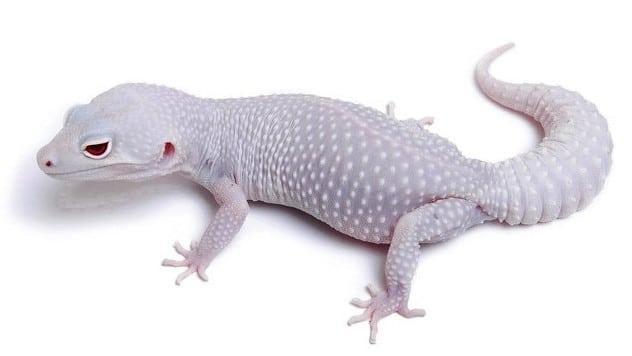
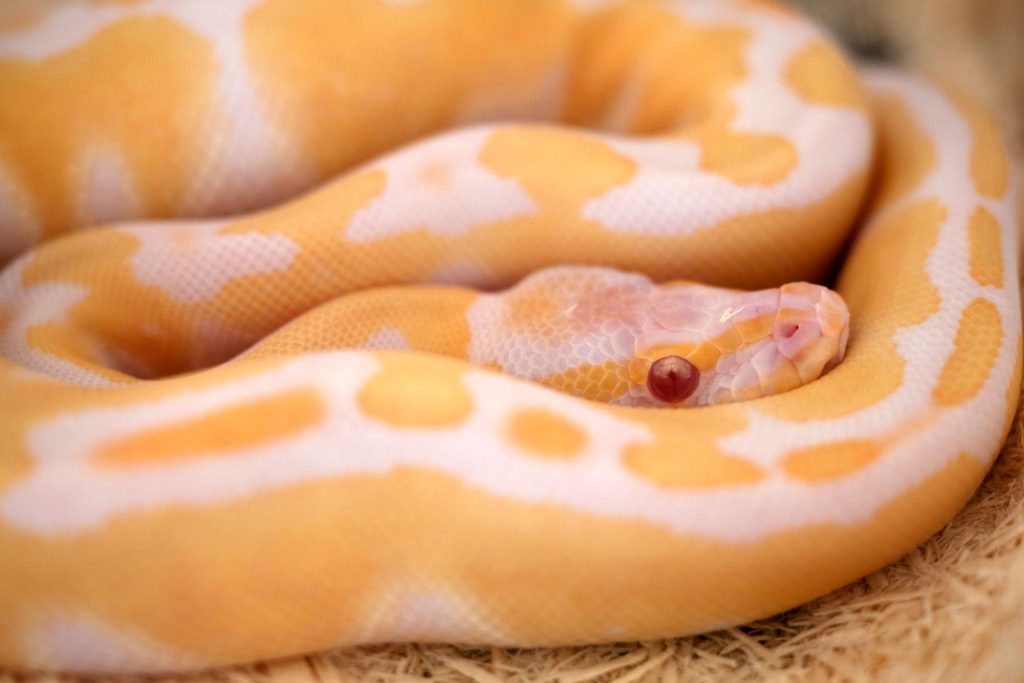
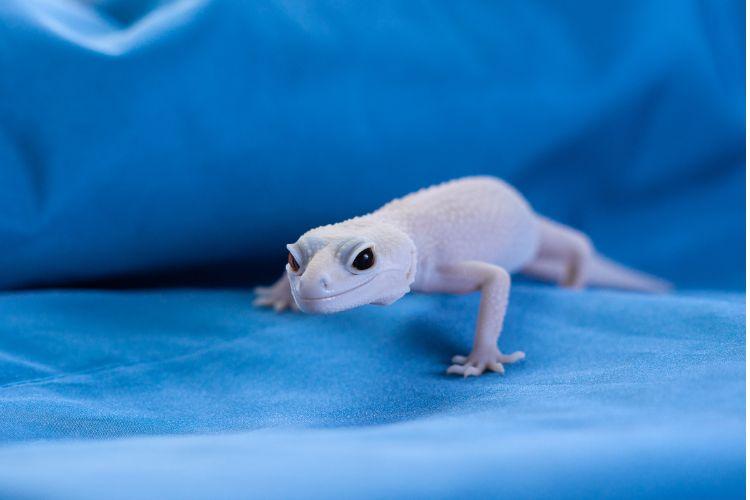
    Among the countless reptiles that inhabit our planet, few are as visually striking as albino reptiles. Their pale white, yellow, pink, or cream-colored bodies often appear almost unreal compared to the darker colors typically associated with snakes, lizards, turtles, and crocodilians. Because of their unusual appearance, albino reptiles attract fascination from scientists, wildlife photographers, reptile enthusiasts, and zoo visitors alike.

    However, albinism is much more than an unusual color variation. It is a rare genetic condition that affects how an animal produces pigment, creating both advantages and significant challenges for survival in the wild. While some albino reptiles become famous attractions in zoos and wildlife parks, many face difficult lives due to increased vulnerability to predators, sunlight, and environmental pressures.

    Understanding albino reptiles offers a fascinating glimpse into genetics, evolution, and biodiversity. These rare animals remind us that nature sometimes produces extraordinary variations that challenge our expectations of how wildlife should look.

    What Is Albinism?

    Albinism is a genetic condition that results in little or no production of melanin, the pigment responsible for coloration in skin, scales, eyes, hair, and feathers across many animal species.

    In reptiles, melanin helps create darker colors such as black, brown, and gray. When a reptile inherits specific genetic mutations that interfere with melanin production, the result can be partial or complete albinism.

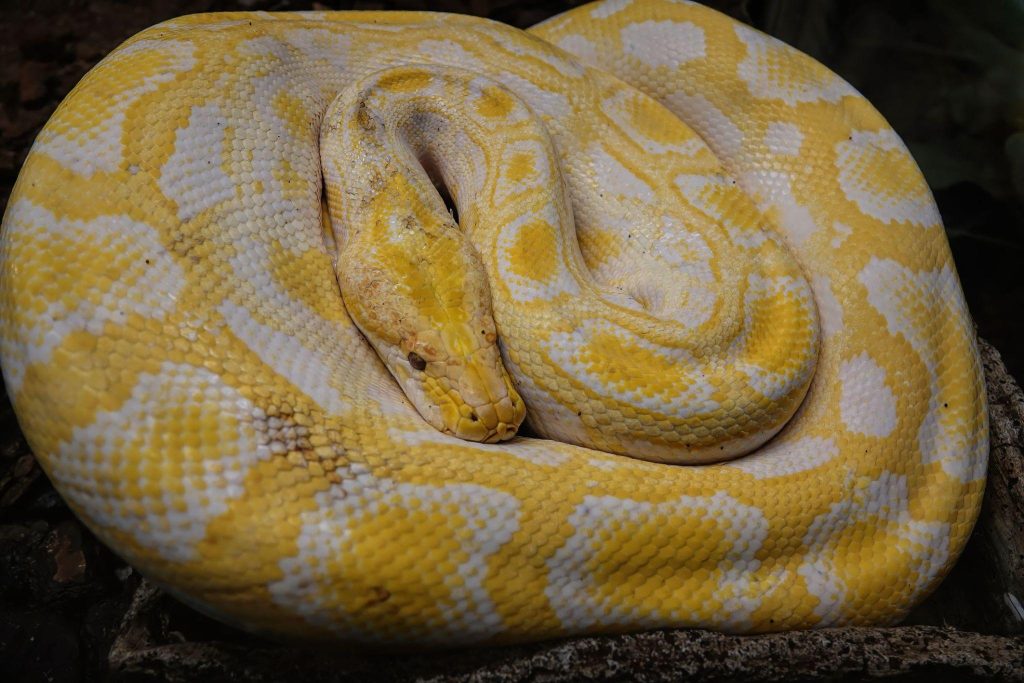
    Albino python with bright yellow and white scales coiled on a branch
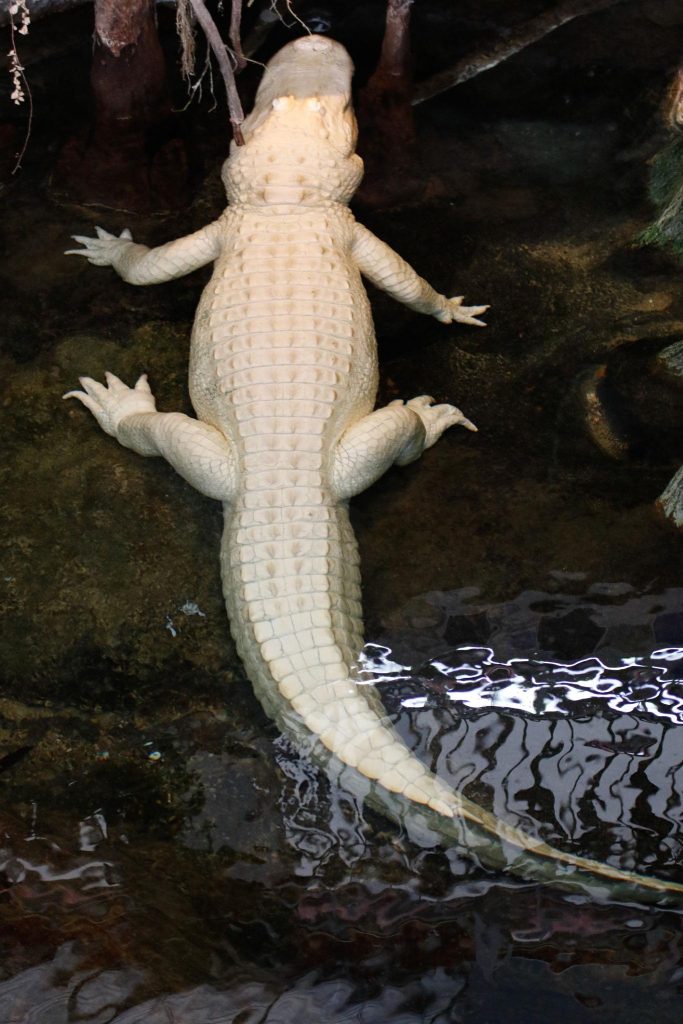
Rare albino crocodile resting near water with pale white skin and pink eyes
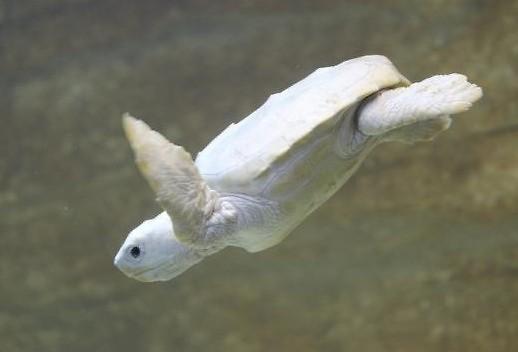
Albino turtle swimming underwater showing its light-colored shell and body
White albino gecko climbing a natural rock surface
Albino snake in a forest habitat displaying unique pigmentation
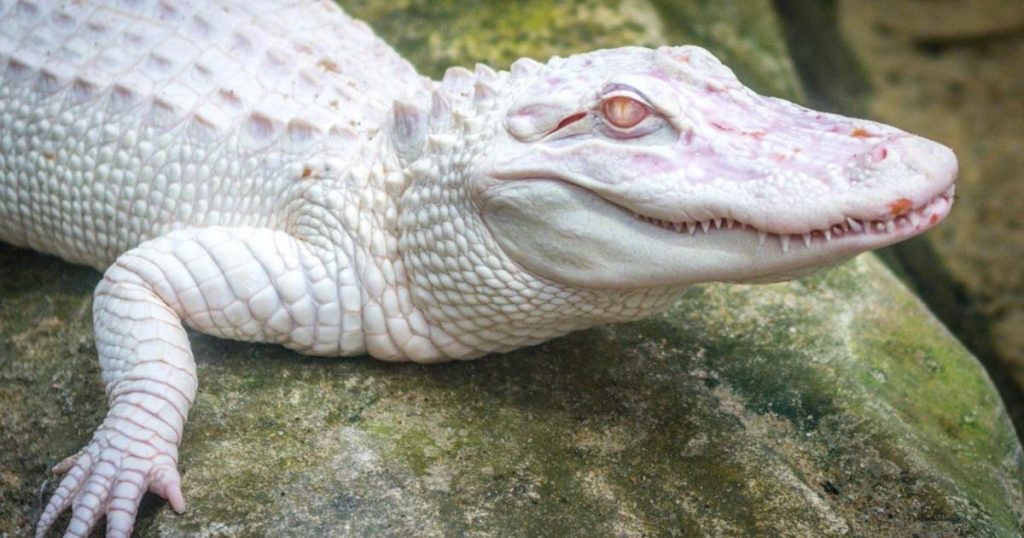
Rare albino alligator with white skin basking near a wetland
Albino lizard close-up highlighting its pale scales and red eyes

    Because melanin is missing, underlying pigments become more visible. This often gives albino reptiles their distinctive white, yellow, orange, cream, or pink appearance.

    One of the most recognizable characteristics of albinism is the eye color. Many albino animals have pink or red eyes because blood vessels become visible through the lack of pigmentation in the iris.

    Although albinism occurs in many animal groups, including mammals, birds, fish, and amphibians, it remains relatively rare in reptiles.

    How Rare Are Albino Reptiles?

    The exact frequency varies among species, but albinism is generally considered uncommon in wild reptile populations.

    Many estimates suggest that naturally occurring albinism may appear in only one out of several thousand individuals. In some species, the occurrence may be even rarer.

    The rarity of albino reptiles is one reason they generate so much attention when discovered. News stories frequently emerge when researchers, hikers, or wildlife photographers encounter an albino snake, turtle, or crocodile in the wild.

    Unfortunately, the same characteristics that make these reptiles visually remarkable also make survival more difficult.

    Because they stand out against natural backgrounds, albino reptiles are often easier for predators to spot. Their bright coloration reduces their ability to camouflage, a critical survival strategy for many reptile species.

    As a result, relatively few albino reptiles survive long enough to reach adulthood in the wild.

    Albino Snakes: The Most Famous Examples

    Perhaps the best-known albino reptiles are snakes.

    Albino pythons, corn snakes, king snakes, rat snakes, and boas are commonly featured in wildlife exhibits and reptile collections due to their stunning coloration.

    Without dark pigments, albino snakes often display vivid yellow, orange, white, and pink patterns that appear almost artistic. These colors can be especially dramatic in species that naturally possess complex scale markings.

    In captivity, selective breeding has increased the number of albino snake varieties available to reptile enthusiasts. Breeders have developed numerous color morphs that highlight different combinations of genetic traits.

    In the wild, however, albino snakes face substantial challenges. Their bright appearance makes them highly visible to predators such as birds of prey, mammals, and larger reptiles.

    For ambush predators that depend on remaining hidden while hunting, a lack of camouflage can significantly reduce hunting success as well.

    The Incredible Rarity of Albino Crocodiles and Alligators

    Among the rarest albino reptiles are crocodilians, including crocodiles and alligators.

    Albino alligators are exceptionally uncommon. Wildlife experts estimate that only a handful of true albino alligators exist worldwide.

    These animals possess striking white bodies combined with pink eyes. Their appearance often draws thousands of visitors to zoos and conservation centers fortunate enough to house them.

    The challenges facing albino crocodilians are severe. Young alligators and crocodiles rely heavily on camouflage to avoid predators and ambush prey. Without natural coloration, survival rates in the wild are dramatically reduced.

    Additionally, their sensitive skin and eyes are particularly vulnerable to sunlight.

    Because of these factors, many albino crocodilians that reach adulthood do so under protected conditions in wildlife facilities.

    Their rarity has made them symbols of both genetic diversity and conservation awareness.

    Albino Turtles: Living Gems of the Water

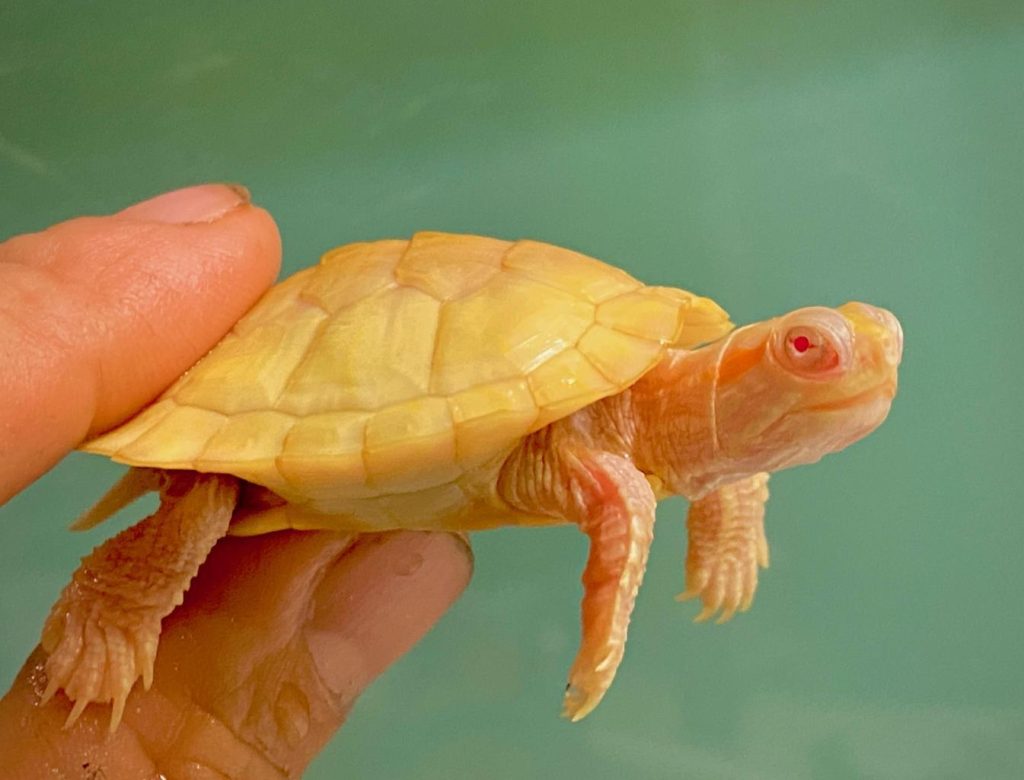
    Albino turtles are among the most beautiful reptiles ever documented.

    Their shells often display pale cream, ivory, yellow, or white coloration. Combined with pink or red eyes, their appearance can seem almost magical.

    Sea turtles, freshwater turtles, and tortoises have all occasionally produced albino individuals.

    For aquatic species, survival can be especially difficult. Young turtles rely on camouflage during their vulnerable early years. Bright coloration may increase the likelihood of predation by birds, fish, and mammals.

    Despite these challenges, rare albino turtles occasionally survive to adulthood, becoming important subjects for scientific research.

    Researchers study these individuals to better understand genetics, developmental biology, and the effects of pigmentation on survival.

    Why Albino Reptiles Often Have Vision Problems

    One of the lesser-known effects of albinism involves eyesight.

    Melanin plays an important role in the development and function of the eyes. When melanin is absent, visual impairments frequently occur.

    Many albino reptiles experience reduced visual acuity, increased sensitivity to bright light, and difficulties focusing.

    This can affect their ability to hunt, navigate, and detect predators.

    For species that rely heavily on vision, these disadvantages can further reduce survival chances in natural environments.

    In captivity, caretakers often provide shaded habitats and carefully controlled lighting conditions to minimize stress on albino animals.

    These accommodations help compensate for the challenges associated with light sensitivity.
    Sunlight: A Hidden Threat

    Most reptiles spend considerable time basking in sunlight to regulate body temperature.

    For albino reptiles, however, sunlight presents a unique challenge.

    Melanin helps protect tissues from ultraviolet radiation. Without adequate pigmentation, albino reptiles may be more susceptible to skin damage caused by prolonged sun exposure.

    As a result, many albino individuals naturally seek shaded environments more frequently than their normally pigmented counterparts.

    Wildlife experts often observe albino reptiles spending less time exposed to direct sunlight.

    In managed environments, keepers carefully monitor UV exposure while ensuring reptiles still receive the light necessary for healthy metabolism and calcium regulation.

    Balancing these needs requires specialized care.

    Scientific Value of Albino Reptiles

    Although albino reptiles are visually fascinating, their importance extends far beyond appearance.

    Scientists use albino individuals to study genetics, inheritance patterns, pigmentation processes, and evolutionary biology.

    Research involving albinism has contributed significantly to our understanding of how genes influence physical traits.

    By examining albino reptiles, researchers can identify specific genetic mutations responsible for pigmentation loss and investigate how these mutations affect other biological systems.

    These studies have implications not only for wildlife biology but also for broader fields such as medicine and genetics.

    Every albino reptile represents an opportunity to learn more about how living organisms develop and adapt.

    Conservation and Public Awareness

    Albino reptiles often become ambassadors for wildlife conservation.

    Their unusual appearance attracts public attention, creating opportunities to educate people about reptile diversity, habitat protection, and environmental stewardship.

    Many zoos and conservation centers use albino reptiles as educational tools to teach visitors about genetics and biodiversity.

    These animals help demonstrate that genetic variation exists throughout nature and that even rare individuals play important roles within ecosystems.

    By generating curiosity and interest, albino reptiles encourage greater appreciation for wildlife and the need to protect natural habitats.

    The Future of Albino Reptile Research

    As genetic technology continues advancing, scientists are gaining new insights into the mechanisms behind albinism.

    Modern DNA analysis allows researchers to identify specific mutations with greater precision than ever before.

    Future studies may reveal additional information about how pigmentation affects behavior, health, reproduction, and survival.

    Conservation programs may also benefit from improved understanding of genetic diversity within reptile populations.

    Although albino reptiles remain rare, they continue to provide valuable opportunities for scientific discovery.

    Their existence reminds us that nature constantly produces extraordinary variations that expand our understanding of life on Earth.

    Conclusion

    Albino reptiles are among the most remarkable animals found in nature. Their striking white, yellow, and pink coloration captures attention immediately, but their true significance extends far beyond appearance.

    From albino snakes and turtles to the incredibly rare albino alligators and crocodiles, these animals offer valuable insights into genetics, evolution, and biodiversity. While their lack of pigmentation creates significant survival challenges, it also provides scientists with unique opportunities to study the biological foundations of color and adaptation.

    Whether encountered in the wild, a zoo, or a conservation center, albino reptiles serve as powerful reminders of nature’s diversity and unpredictability. They demonstrate that even rare genetic variations can reveal important lessons about the natural world.

    As research continues, these extraordinary reptiles will undoubtedly remain symbols of scientific curiosity, conservation, and the endless wonders of life on Earth.

  • 7 Strange Things That Can Happen to Marine Life

    7 Strange Things That Can Happen to Marine Life

    Marine life is filled with mysteries that often seem stranger than science fiction. Beneath the ocean’s surface, animals have evolved extraordinary adaptations that allow them to survive in one of Earth’s most challenging environments. Some marine creatures can glow in the dark, change shape and color in seconds, survive extreme depths, or travel thousands of miles across open oceans.

    Scientists continue to discover remarkable behaviors and unusual biological traits in marine animals every year. These strange phenomena not only help animals survive but also reveal how diverse and complex life beneath the waves can be.

    In this article, we’ll explore seven strange things that can happen to marine life and discover why these incredible adaptations have fascinated researchers and ocean enthusiasts around the world.

    1.Some Marine Animals Glow in Complete Darkness

    One of the most spectacular phenomena in the ocean is bioluminescence. This natural ability allows living organisms to produce light through chemical reactions inside their bodies.

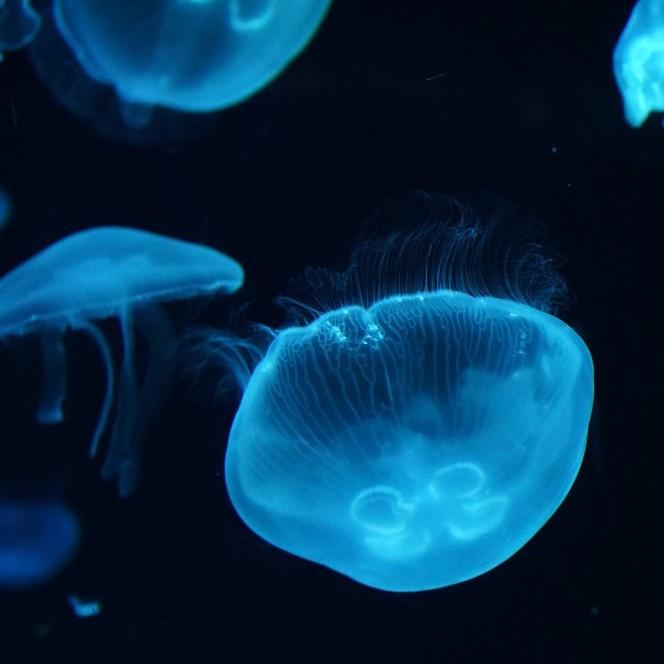
    Thousands of marine species possess this ability, including jellyfish, squid, fish, shrimp, and microscopic plankton. In the deep sea, where sunlight never reaches, bioluminescence becomes an essential survival tool.

    Some creatures use their glow to attract prey. Others use it to communicate with potential mates or confuse predators. Certain squid species can even adjust the brightness of their light to blend perfectly with the faint light coming from above, making them nearly invisible to predators below.

    Perhaps the most magical example occurs when bioluminescent plankton illuminate ocean waves at night. Beaches around the world occasionally glow with brilliant blue light as waves crash against the shore, creating a breathtaking natural display.

    This glowing ability may seem strange, but for many marine animals, it is simply part of everyday life.

    2.Octopuses Can Instantly Disappear

    Octopuses are among the most intelligent creatures in the ocean, and their camouflage abilities are truly extraordinary.

    Unlike most animals that rely on fixed colors or patterns, octopuses can change both the color and texture of their skin within seconds. Specialized cells called chromatophores allow them to rapidly alter their appearance.

    An octopus resting on a sandy seabed may become pale and smooth. Move it onto a rocky reef, and it can quickly adopt darker colors and rough textures that resemble surrounding rocks.

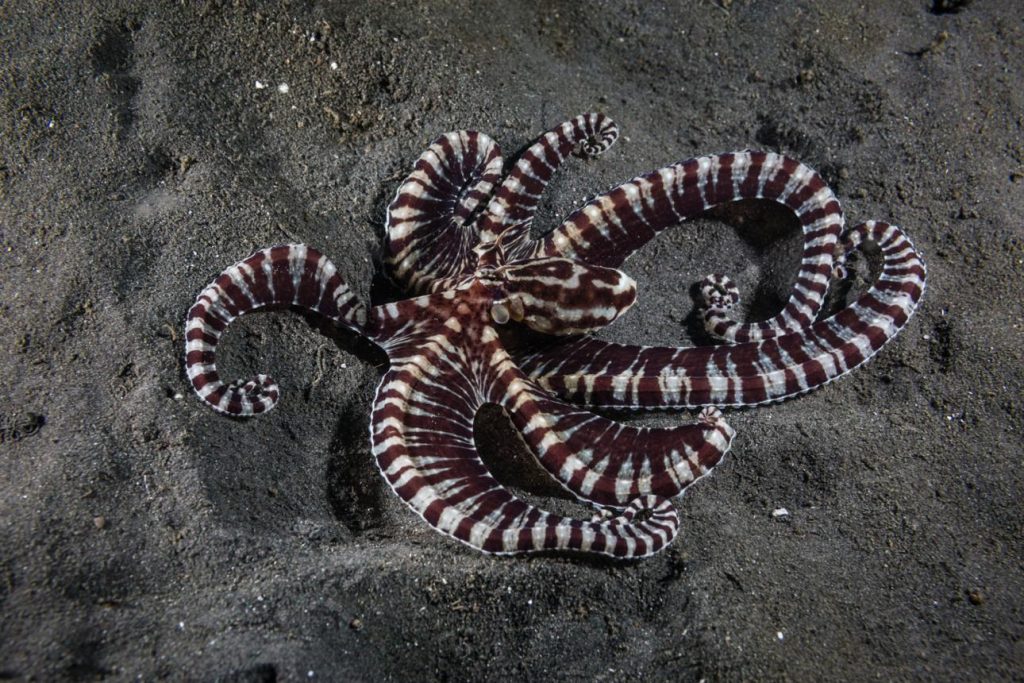
    Some species take camouflage even further. The mimic octopus can imitate the appearance and movements of entirely different animals, including lionfish, sea snakes, and flatfish.

    This remarkable ability helps octopuses avoid predators and sneak up on prey, making them some of the most effective masters of disguise in the animal kingdom.

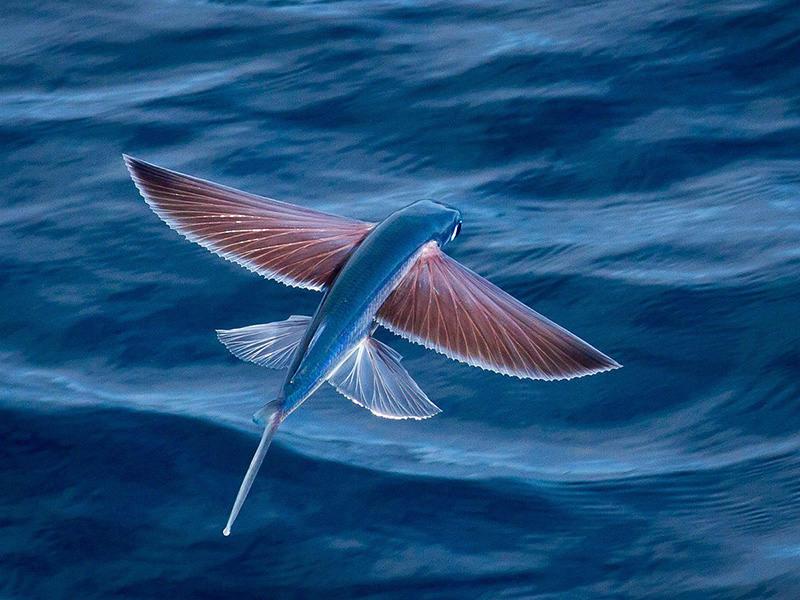
    3.Fish Can Actually Fly

    At first glance, the idea of a flying fish sounds impossible. Yet several species have evolved the ability to glide above the ocean’s surface.

    Flying fish do not truly fly like birds. Instead, they launch themselves out of the water at high speed and spread their enlarged pectoral fins like wings.

    Using this technique, they can glide for hundreds of feet before returning to the sea. Some species can remain airborne for nearly a minute under ideal conditions.

    Scientists believe this unusual adaptation evolved primarily as a defense against predators such as tuna, dolphins, and larger fish.

    When threatened, a flying fish can burst from the water and escape into the air, often surprising both predators and observers alike.

    Watching dozens of flying fish glide across the ocean surface is one of the most unusual sights in marine nature.

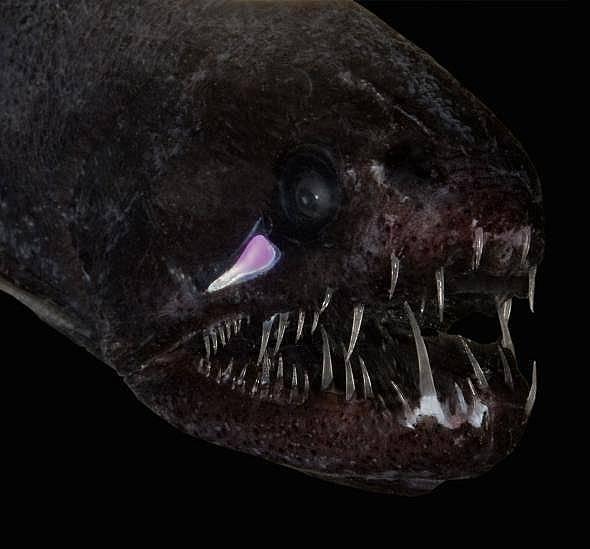
    4.Deep-Sea Creatures Can Survive Crushing Pressure

    The deepest parts of the ocean represent one of the harshest environments on Earth.

    At depths of several miles below the surface, pressure becomes immense. Temperatures are near freezing, and complete darkness dominates the environment.

    Yet many marine animals thrive under these conditions.

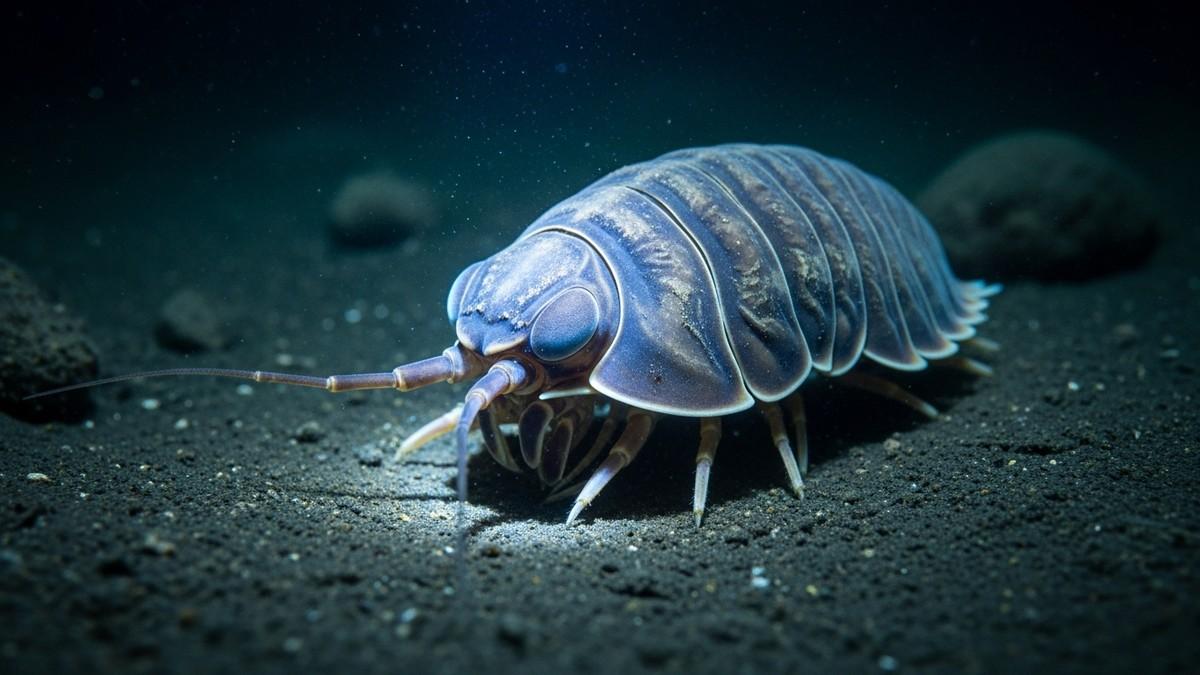
    Deep-sea fish, giant isopods, tube worms, and numerous other species have evolved unique biological adaptations that allow them to withstand pressures hundreds of times greater than what humans experience at sea level.

    Some deep-sea animals possess flexible bodies with fewer air-filled spaces, preventing them from being crushed. Others rely on specialized proteins that continue functioning under extreme pressure.

    Many of these creatures look alien compared to familiar marine animals, which is why deep-sea explorations often reveal some of the strangest organisms ever discovered.

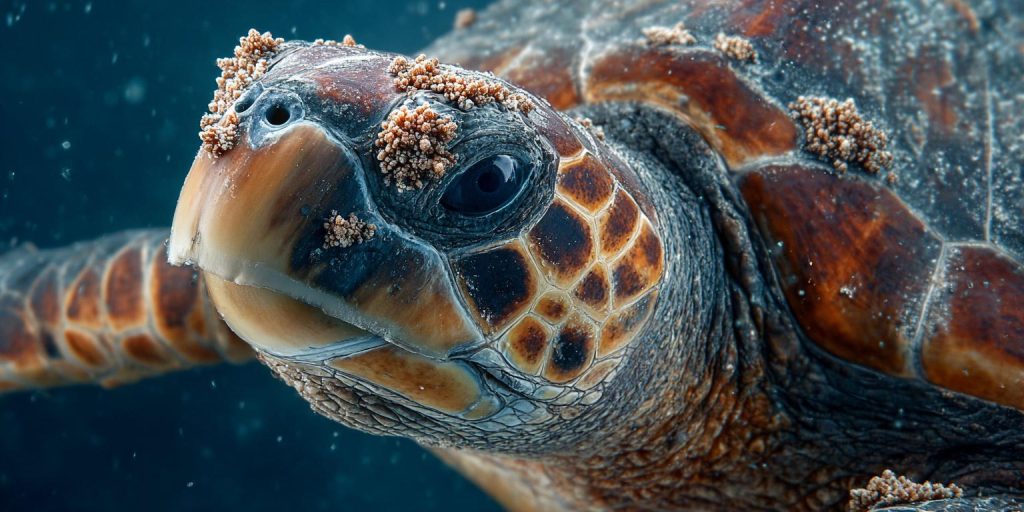
    5.Sea Turtles Carry Entire Ecosystems on Their Shells

    Sea turtles spend much of their lives traveling through oceans, sometimes covering thousands of miles during migration.

    During these journeys, their shells often become home to a variety of marine organisms.

    Barnacles, algae, small crustaceans, and other organisms attach themselves to turtle shells and live there for extended periods. In some cases, dozens of species may be found on a single turtle.

    This creates what scientists sometimes describe as a miniature ecosystem traveling through the ocean.

    Although a moderate number of hitchhikers usually causes little harm, excessive growth can increase drag and make swimming more difficult for turtles.

    The sight of a sea turtle carrying an entire community of marine life demonstrates just how interconnected ocean ecosystems can be.

    5.Some Fish Change Gender During Their Lifetime

    Among the strangest biological phenomena in the ocean is sequential hermaphroditism—the ability of some fish to change sex during their lifetime.

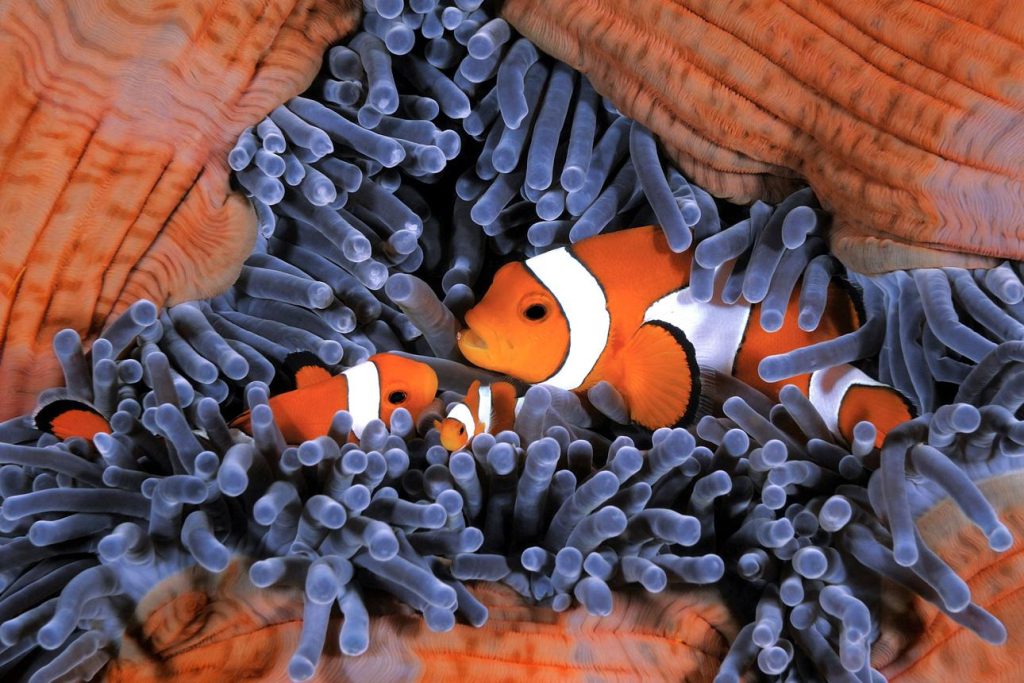
    Clownfish provide one of the most famous examples. Groups of clownfish typically contain a dominant breeding female. If she dies, the largest male can transform into a female and assume her role.

    Other species perform the opposite transition, beginning life as females and later becoming males.

    This remarkable flexibility helps maintain stable breeding populations and improves reproductive success in environments where finding mates can be challenging.

    While such transformations may seem extraordinary to humans, they are a normal and highly effective survival strategy for many marine species.

    7.Whales Communicate Across Vast Distances

    Whales are famous for their haunting songs, but the scale of their communication is truly astonishing.

    Sound travels much farther through water than through air. As a result, whale calls can travel for hundreds or even thousands of miles under the right conditions.

    Species such as humpback whales produce complex songs that may last for hours. These vocalizations are believed to play important roles in communication, navigation, and mating behavior.

    Researchers have discovered that whale songs can evolve over time, with entire populations gradually adopting new patterns and melodies.

    This means that whales may share cultural behaviors across large ocean regions, a phenomenon once thought unique to humans and a few other highly intelligent animals.

    The idea that whales can communicate across vast stretches of ocean remains one of the most fascinating aspects of marine life.

    Conclusion

    The ocean remains one of the least explored places on Earth, and marine animals continue to surprise scientists with their incredible adaptations. From glowing jellyfish and shape-shifting octopuses to flying fish and gender-changing reef species, marine life demonstrates that nature is capable of astonishing innovation.

    These strange phenomena are not merely curiosities—they are survival strategies developed over millions of years of evolution. Every unusual behavior helps an animal thrive in an environment that is constantly changing and often unforgiving.

    As researchers continue exploring the world’s oceans, there is little doubt that even more remarkable discoveries await. The deeper we look beneath the waves, the more we realize that the ocean is home to some of the strangest and most extraordinary forms of life on our planet.

    SEO Title: 7 Strange Things That Can Happen to Marine Life

    Meta Description: Discover 7 amazing and unusual things that can happen to marine life, from glowing ocean creatures and flying fish to gender-changing species and whales that communicate across vast distances.