The world’s oceans are filled with extraordinary relationships between animals, plants, and microscopic organisms. Among the most fascinating of these natural partnerships is one that travels thousands of miles across the sea every year. It involves sea turtles—ancient marine reptiles that have existed for more than 100 million years—and the surprising communities of organisms that live on their shells.
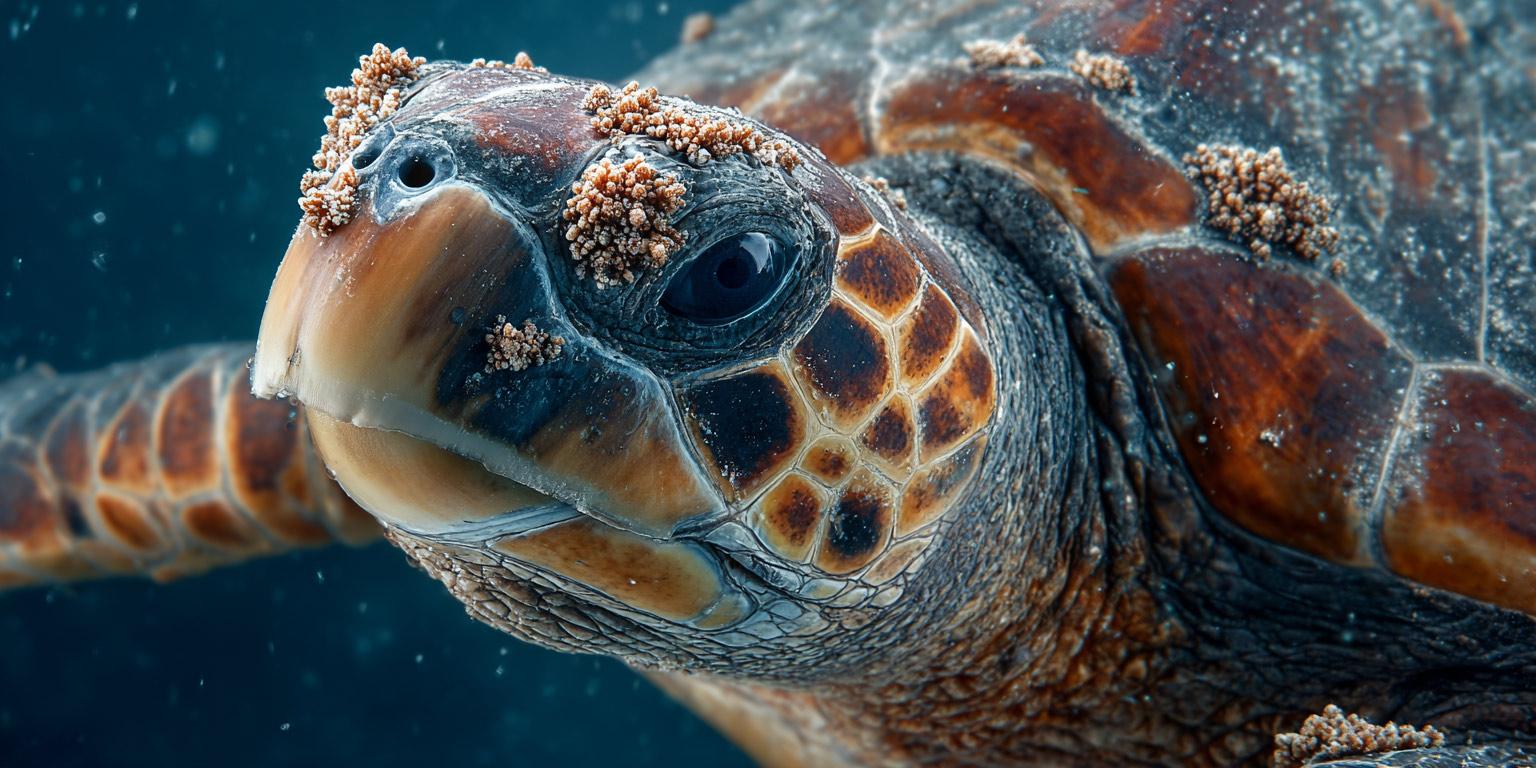
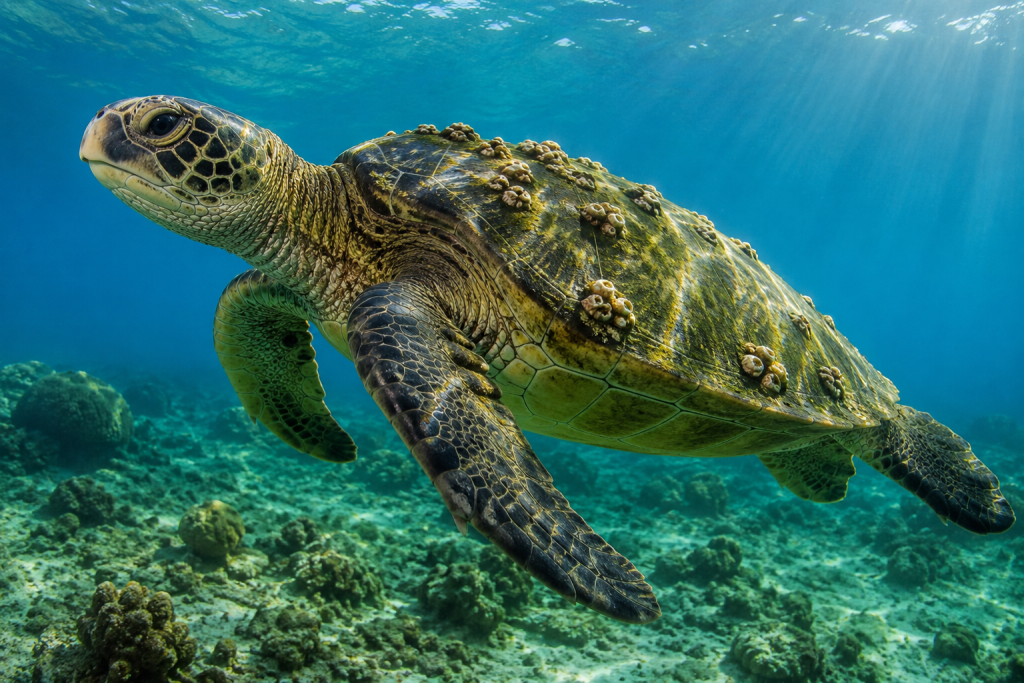
To the casual observer, a sea turtle may appear to be swimming alone through the ocean. However, a closer look often reveals an entirely different story. Many sea turtles carry a diverse collection of marine hitchhikers including barnacles, algae, crustaceans, worms, mollusks, and microscopic organisms. Together, these creatures form miniature ecosystems that travel wherever the turtle goes.
Scientists sometimes describe sea turtles as “living islands” because their shells provide a habitat for numerous species. These floating communities create one of the most remarkable examples of interconnected life in marine environments.
Understanding how sea turtles support entire ecosystems reveals not only the complexity of ocean life but also the critical role these reptiles play in maintaining marine biodiversity.
Ancient Travelers of the Ocean
Sea turtles are among the oldest surviving reptile groups on Earth. Their ancestors swam in prehistoric oceans alongside dinosaurs.
Today, seven species of sea turtles inhabit oceans around the world. These include the Green Sea Turtle, Loggerhead Sea Turtle, Hawksbill Sea Turtle, Leatherback Sea Turtle, Olive Ridley Sea Turtle, Kemp’s Ridley Sea Turtle, and Flatback Sea Turtle.
Many of these species undertake incredible migrations. Some travel thousands of miles between feeding grounds and nesting beaches.
Throughout these journeys, their shells become ideal surfaces for other marine organisms seeking a place to live.
Unlike rocks, reefs, or the ocean floor, sea turtles are constantly moving. This mobility creates unique opportunities for marine species that attach themselves to the turtles and benefit from transportation through different environments.
The result is a mobile ecosystem unlike anything else in the ocean.
Why Turtle Shells Make Perfect Homes
The shell of a sea turtle may seem like an unusual place to live, but for many marine organisms, it offers several important advantages.
First, the shell provides a hard surface in an environment where suitable attachment sites can sometimes be limited.
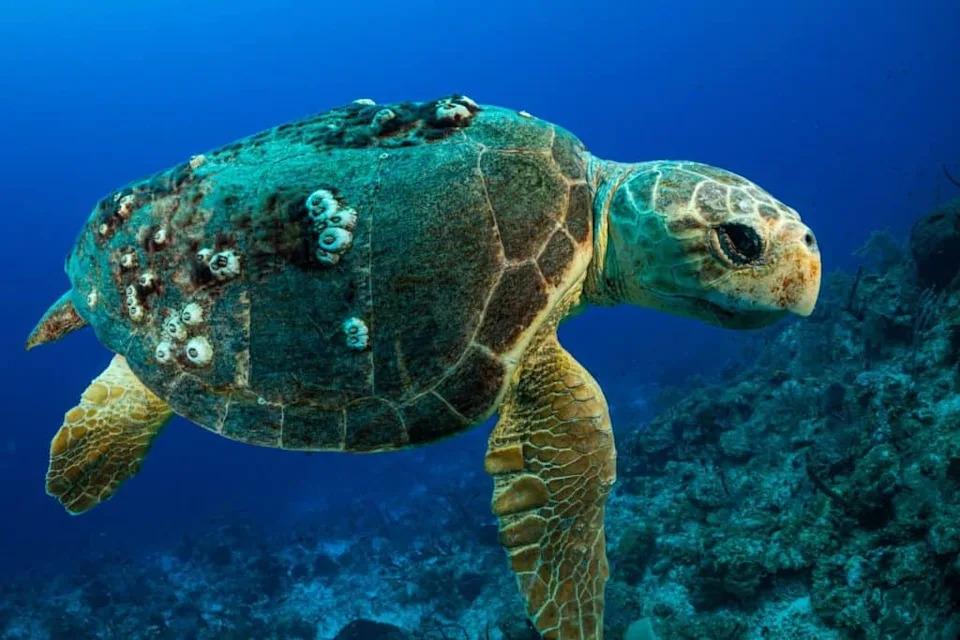
Many marine organisms require solid structures to anchor themselves. Barnacles, for example, permanently attach to hard surfaces during their adult lives. A turtle shell provides exactly the kind of stable foundation they need.
Second, the constant movement of the turtle exposes attached organisms to fresh water currents rich in oxygen and nutrients.
As the turtle swims, water continuously flows across the shell, bringing microscopic food particles and improving living conditions for filter-feeding species.
Third, the turtle’s migration allows hitchhiking organisms to access regions of the ocean they might never reach on their own.
In effect, the turtle functions as a transportation system, carrying entire communities across vast distances.
Barnacles: The Most Famous Turtle Hitchhikers
Among the many creatures found on sea turtle shells, barnacles are perhaps the most recognizable.
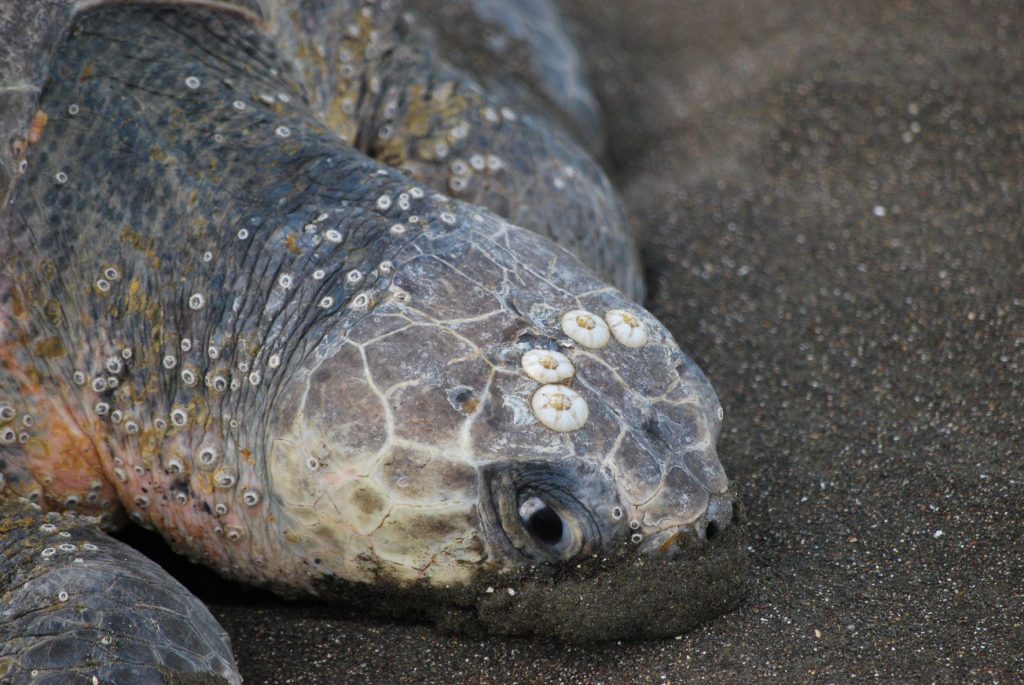
Barnacles are small crustaceans related to crabs and lobsters. During their early life stages, they drift freely through the ocean as larvae. Eventually, they settle onto a hard surface and remain attached for the rest of their lives.
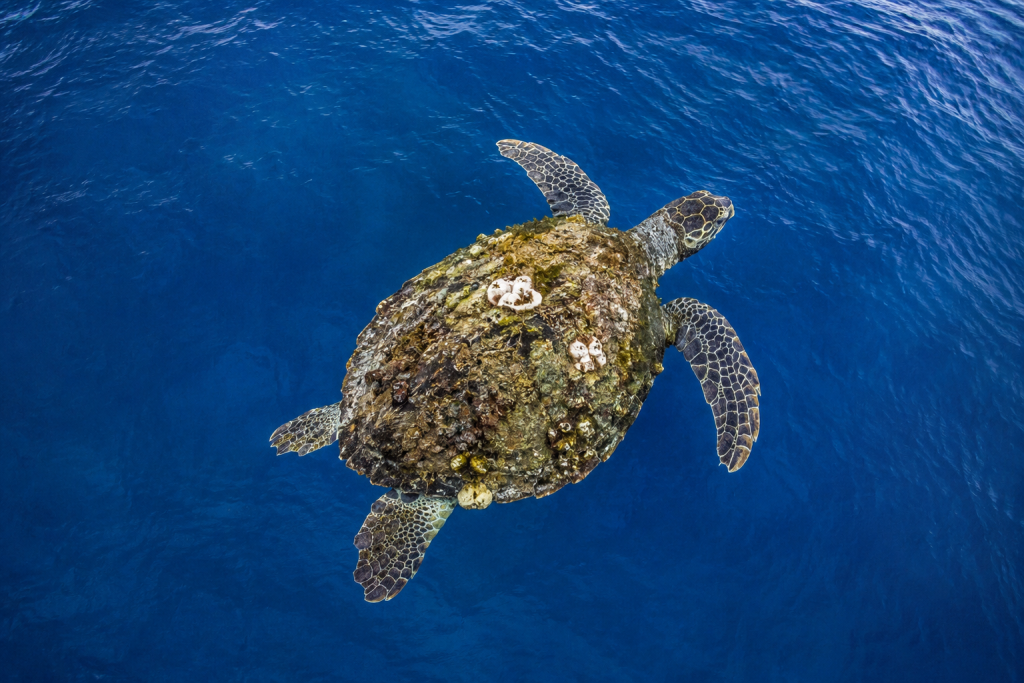
Sea turtles often provide ideal attachment sites.
Researchers have identified multiple species of barnacles that specialize in living on sea turtles. Some even appear to prefer turtle shells over other surfaces.
Barnacles benefit from constant access to moving water, which delivers plankton and organic particles that serve as food.
Most barnacles cause little harm to healthy adult turtles when present in moderate numbers. However, extremely heavy infestations can increase drag and make swimming more difficult.
Despite this potential drawback, barnacles remain one of the most common and fascinating members of the turtle shell ecosystem.
Algae and Tiny Marine Forests
Barnacles are only part of the story.
Many sea turtles also carry algae growing directly on their shells. These algae create tiny underwater gardens that support additional organisms.
The rough surfaces created by barnacles and shell irregularities provide excellent locations for algae to establish themselves.
Over time, these algae patches may attract small invertebrates seeking food or shelter.
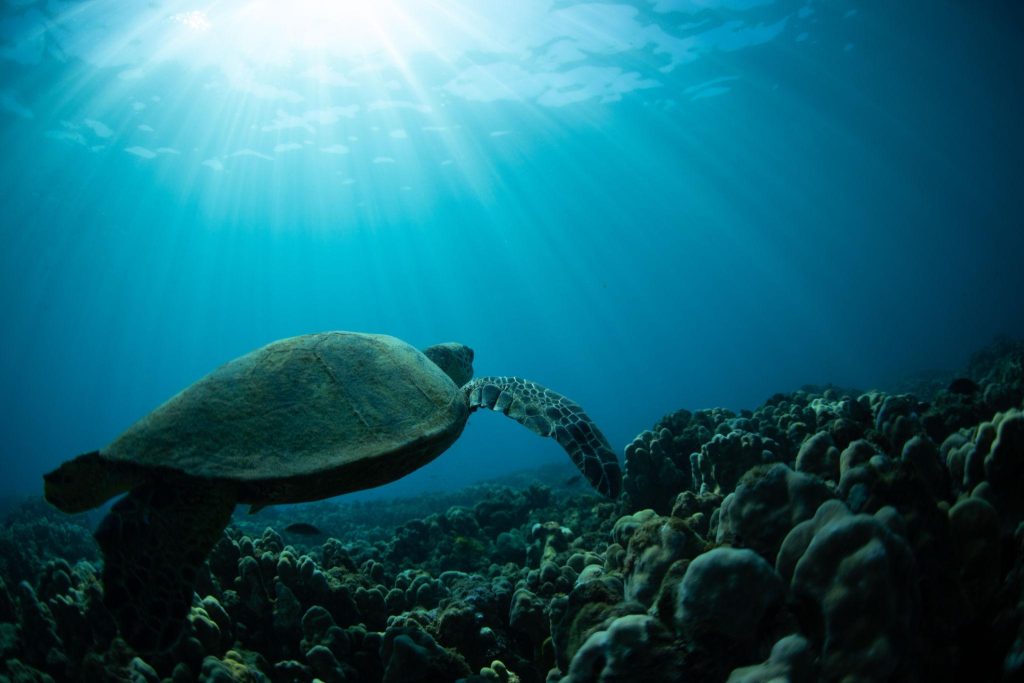
Scientists have observed tiny shrimp, copepods, worms, and other organisms living among these miniature plant communities.
What begins as a simple layer of algae can eventually become a complex habitat supporting multiple species.
In this way, a turtle shell can resemble a miniature coral reef traveling through the open ocean.
The Hidden World of Microorganisms
While barnacles and algae are easy to see, much of the turtle shell ecosystem remains invisible to the naked eye.
Microscopic organisms form an important component of these communities.
Bacteria, diatoms, protozoans, and other microorganisms colonize shell surfaces, creating biofilms that serve as the foundation for larger ecological interactions.
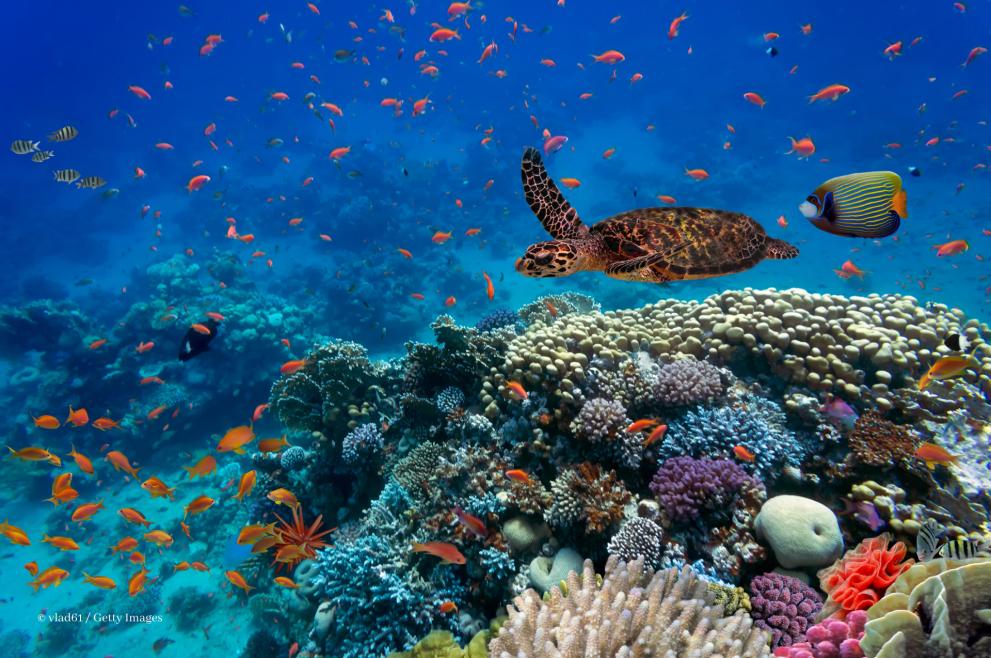
These microscopic communities help recycle nutrients and support food webs involving larger organisms.
Researchers studying turtle shells have discovered surprisingly diverse microbial populations that vary depending on habitat, species, age, and migration patterns.
Each turtle effectively carries its own microscopic world.
This hidden biodiversity highlights how even seemingly simple surfaces can host complex ecological networks.
Do These Hitchhikers Help or Harm the Turtle?
One of the most interesting questions scientists ask is whether shell-dwelling organisms benefit or harm sea turtles.
The answer is not always straightforward.
In many cases, the relationship appears relatively neutral. The attached organisms gain shelter and transportation, while the turtle experiences little noticeable effect.
However, excessive growth can become problematic.
Large numbers of barnacles may increase hydrodynamic drag, requiring the turtle to expend more energy while swimming.
Heavy accumulations can also indicate poor health in some turtles. Sick or weakened individuals may spend less time grooming themselves or moving through environments that naturally remove attached organisms.
On the other hand, some researchers believe certain shell organisms may provide minor benefits by removing organic debris or participating in complex ecological interactions.
The relationship likely varies depending on species, environmental conditions, and the overall health of the turtle.
Sea Turtles as Ecosystem Engineers
Scientists often use the term “ecosystem engineer” to describe organisms that create, modify, or maintain habitats used by other species.
Beavers, for example, alter landscapes by building dams.
Corals create reefs that support thousands of marine organisms.
Sea turtles may also function as ecosystem engineers in a unique way.
By providing mobile habitat space, they enable species interactions that might not otherwise occur.
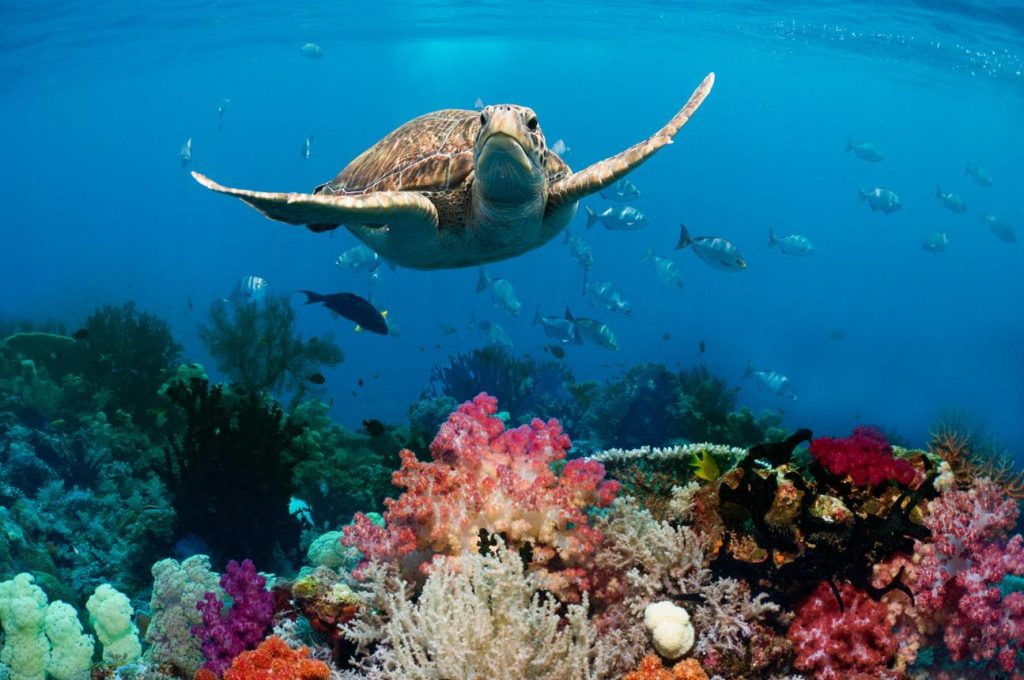
Their shells serve as platforms where diverse organisms can colonize, feed, reproduce, and disperse across large geographic areas.
This role contributes to biodiversity and ecological connectivity throughout marine ecosystems.
Even though the habitat exists on the back of a single animal, its ecological importance can be surprisingly significant.
The Role of Migration in Species Distribution
Sea turtle migrations play a major role in shaping the communities that live on their shells.
As turtles move between coastal feeding areas and distant nesting beaches, they transport attached organisms across hundreds or thousands of miles.
This movement may help distribute certain species into new environments.
Barnacles, algae, and microorganisms can potentially expand their geographic ranges through these journeys.
In some cases, researchers use shell-dwelling species to learn more about turtle migration routes.
The types of organisms found on a turtle may provide clues about where it has traveled and which habitats it has visited.
This makes turtle shells valuable tools for marine ecological research.
Conservation Implications
Understanding turtle shell ecosystems adds another reason to protect sea turtles.
All seven sea turtle species face significant conservation challenges, including habitat loss, pollution, climate change, accidental fishing capture, and illegal harvesting.
When a sea turtle population declines, the effects extend beyond the turtles themselves.
Entire communities of associated organisms may also be affected.
Protecting sea turtles therefore helps preserve not only a single species but also the diverse ecosystems they support.
Conservation efforts focused on nesting beaches, marine protected areas, and sustainable fishing practices benefit a wide range of marine life connected to sea turtles.
Their role as living habitats demonstrates how deeply interconnected ocean ecosystems truly are.
What Scientists Are Still Discovering
Despite decades of research, scientists continue uncovering new information about turtle shell ecosystems.
Advanced DNA analysis techniques are revealing previously unknown microbial species.
Improved underwater observation methods allow researchers to study interactions among shell-dwelling organisms in greater detail.
Every year, new discoveries highlight the complexity of these miniature ecosystems.
Researchers increasingly recognize that sea turtles serve not only as important marine reptiles but also as mobile biodiversity hotspots.
The more scientists study these relationships, the clearer it becomes that sea turtle shells represent some of the most unique habitats in the ocean.
Conclusion
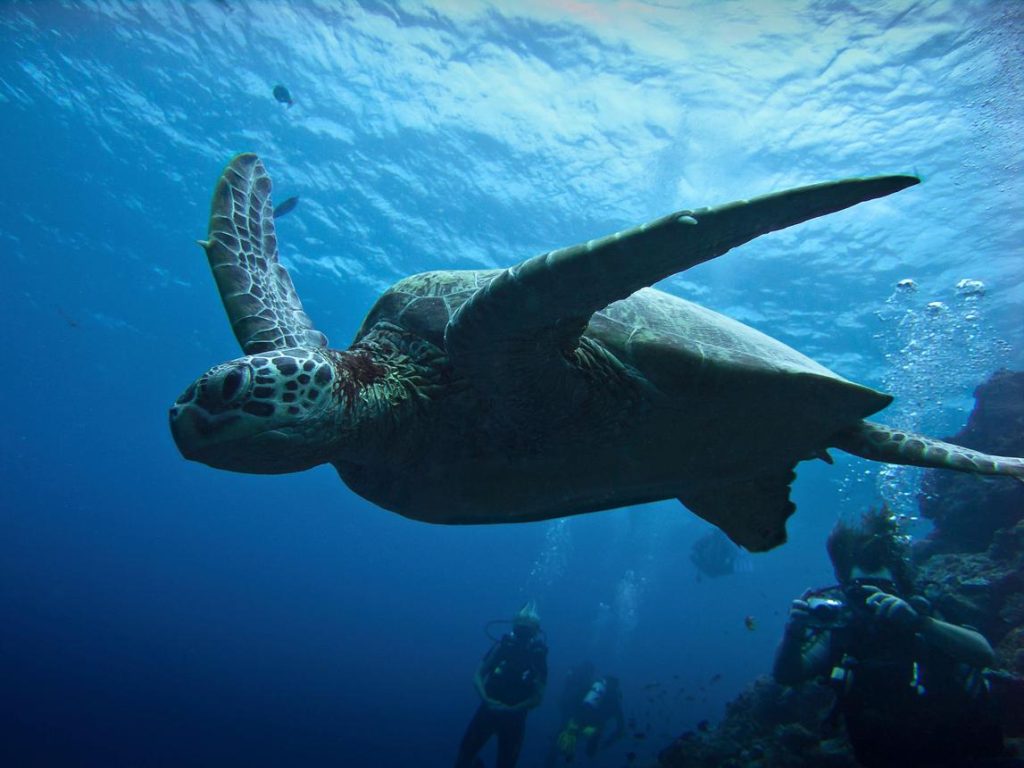
Sea turtles are far more than graceful ocean travelers. Their shells support diverse communities of organisms that transform them into living islands moving through the sea.
Barnacles, algae, microorganisms, crustaceans, and countless other species rely on these ancient reptiles for habitat and transportation. Together, they form intricate ecosystems that demonstrate the remarkable interconnectedness of marine life.
This extraordinary relationship reminds us that even a single animal can play a vital role in supporting biodiversity. Every sea turtle swimming across the ocean may be carrying an entire community of life on its back.
As scientists continue exploring these mobile ecosystems, sea turtles remain powerful symbols of the complexity, beauty, and wonder of the natural world. Protecting them helps preserve not only an iconic marine species but also the hidden ecosystems that travel wherever they go.
Leave a Reply