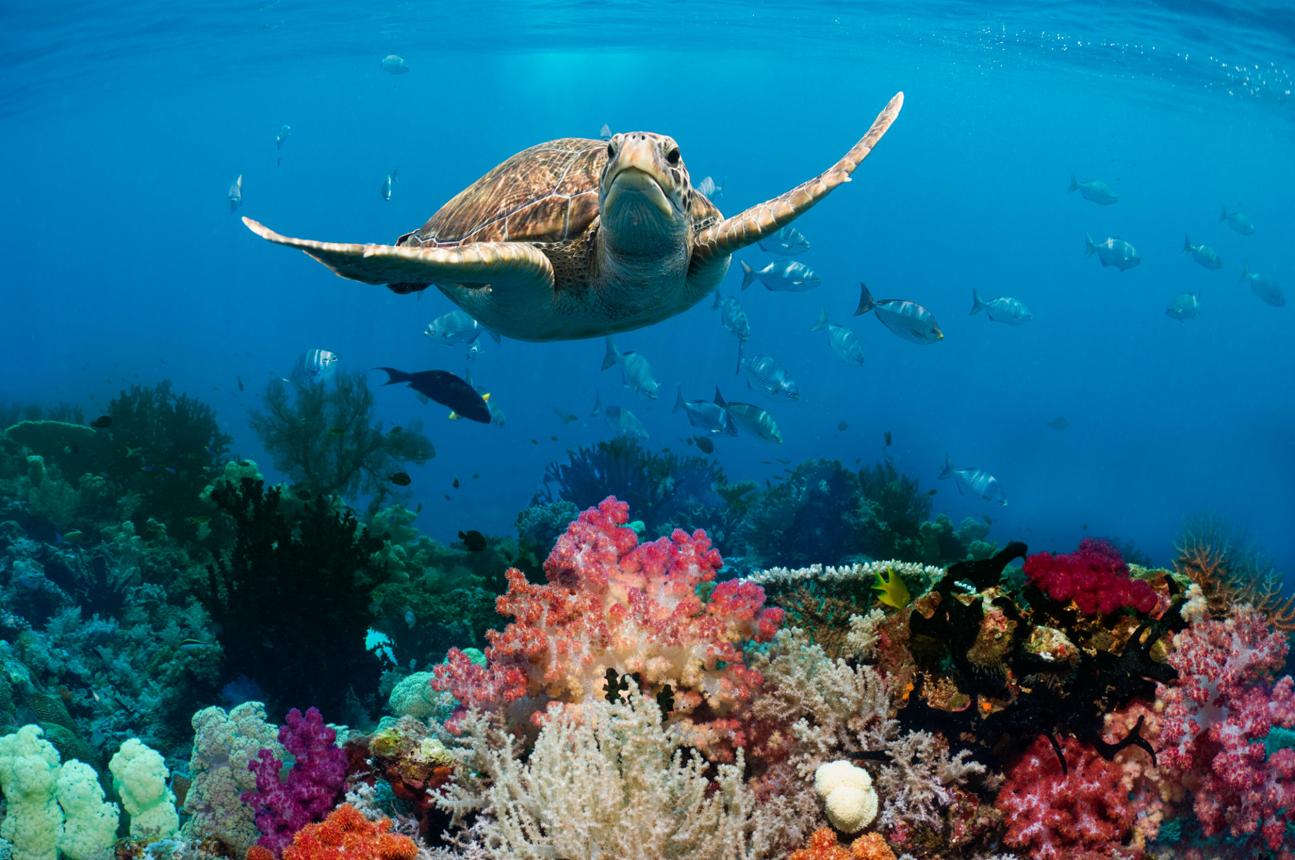
Sea Turtles Carry Entire Ecosystems on Their Shells: Nature’s Living Island


Meta Title: Sea Turtles Carry Entire Ecosystems on Their Shells: Nature’s Living Islands
Meta Description: Discover how sea turtles become floating habitats for algae, barnacles, crabs, and other marine creatures, creating entire ecosystems on their shells.
Focus Keyword: Sea Turtles Carry Entire Ecosystems on Their Shells
Sea Turtles Carry Entire Ecosystems on Their Shells
The world’s oceans are filled with incredible wonders, but few are as fascinating as the hidden communities that live on sea turtles. These ancient reptiles have roamed Earth’s oceans for more than 100 million years, surviving the extinction of dinosaurs and adapting to changing marine environments. Yet one of their most remarkable roles has only recently gained greater scientific attention: sea turtles act as living habitats, carrying entire ecosystems on their shells.
To many people, a sea turtle appears to be a solitary traveler gliding through the ocean. However, a closer look reveals a bustling world of tiny organisms attached to its shell and skin. Algae, barnacles, worms, crabs, and even small fish may rely on these turtles as mobile homes. Scientists often describe sea turtles as “living islands” because they provide shelter and transportation for numerous marine species.
This extraordinary relationship demonstrates how interconnected life in the ocean truly is. Every sea turtle supports a miniature ecosystem that can influence biodiversity, nutrient cycling, and species distribution across vast stretches of ocean.
Image 1: Sea Turtle Covered with Marine Life
Alt Text: Green sea turtle swimming with barnacles and algae growing on its shell in the ocean.
What Lives on a Sea Turtle’s Shell?


The organisms that live on sea turtles are known as epibionts, meaning creatures that live on the surface of another living organism. Sea turtles provide a stable and mobile platform where these species can attach, grow, and survive.
Common inhabitants include:
Barnacles
Barnacles are among the most recognizable hitchhikers found on sea turtles. These crustaceans cement themselves to the turtle’s shell and spend their lives filtering tiny food particles from the water.
Algae
Various algae species grow on turtle shells, forming green or brown patches. These algae benefit from exposure to sunlight while traveling through nutrient-rich waters.
Small Crabs
Some crab species seek refuge among barnacles and shell crevices. The turtle provides protection while transporting them to new feeding areas.
Marine Worms
Several worm species inhabit cracks and spaces on the turtle’s shell. They contribute to the diversity of the miniature ecosystem.
Tiny Mollusks
Snails and other mollusks occasionally settle on turtle shells, benefiting from a constantly moving habitat.
Together, these organisms form surprisingly complex communities that can contain dozens of different species.
Why Sea Turtles Are Like Floating Islands
Scientists often compare sea turtles to islands because they create habitat space where none would otherwise exist.
In the open ocean, hard surfaces are relatively rare. Many marine organisms need something solid to attach themselves to. A turtle’s shell offers exactly that opportunity.
Unlike rocks or reefs, however, sea turtles travel thousands of miles during migration. As they move, they carry their passengers across entire ocean basins. This transportation allows marine species to disperse to new environments they might never reach on their own.
A single turtle can effectively function as a moving ecosystem, connecting distant habitats and promoting biodiversity throughout the ocean.
Image 2: Barnacles Attached to a Turtle Shell
Alt Text: Close-up view of barnacles attached to the shell of a sea turtle.
A Mobile Home for Marine Species
One of the most fascinating aspects of these ecosystems is mobility.
Most marine organisms remain in one location for much of their lives. Barnacles, for example, generally stay fixed wherever they settle. By attaching to a sea turtle, they gain access to an ever-changing environment.
As turtles travel through:
- Coastal lagoons
- Coral reefs
- Open ocean waters
- Seagrass meadows
- Feeding grounds
- Nesting beaches
their passengers experience multiple ecosystems.
This mobility can increase access to food, improve survival chances, and help species colonize new regions.
Some researchers have documented sea turtles carrying more than 100 different species simultaneously, highlighting the ecological importance of these marine travelers.
How the Relationship Benefits Marine Life


For the organisms living on turtles, the benefits are significant.
Transportation
Many species gain free transportation over vast distances.
Access to Food
Movement through productive waters increases feeding opportunities.
Protection
The turtle’s large body can provide a measure of safety from predators.
Reproduction Opportunities
Some species encounter new populations and habitats that may improve breeding success.
The turtle effectively acts as both shelter and vehicle, supporting species that might otherwise struggle to survive.
Does This Harm the Sea Turtle?
In most cases, the relationship is relatively harmless.
Small numbers of barnacles and algae generally have little impact on healthy sea turtles. However, problems can arise when large quantities accumulate.
Excessive growth may:
- Increase drag while swimming
- Reduce swimming efficiency
- Add extra weight
- Indicate underlying health issues
Scientists often monitor the amount of marine growth on turtles as an indicator of overall health. Healthy turtles frequently maintain lower levels of buildup because they are active swimmers and regularly shed skin.
When turtles become injured, sick, or weakened, larger numbers of organisms may accumulate on their shells.
Image 3: Sea Turtle Swimming Through Clear Water
Alt Text: Healthy sea turtle gliding through tropical ocean waters with minimal shell growth.
Sea Turtles Help Spread Biodiversity
One reason scientists are fascinated by turtle ecosystems is their role in spreading biodiversity.
As sea turtles migrate between feeding and nesting grounds, they transport attached organisms to new regions. This movement helps distribute species across large geographic areas.
Some turtle species travel thousands of miles annually, including:
- Green sea turtles
- Loggerhead turtles
- Leatherback turtles
- Hawksbill turtles
- Olive ridley turtles
These migrations create opportunities for marine organisms to reach distant habitats.
In ecological terms, sea turtles function as vectors of dispersal, helping maintain genetic diversity and ecosystem connectivity throughout the oceans.
Ancient Travelers with Modern Importance
Sea turtles have existed for more than 100 million years. During that time, countless marine species evolved alongside them.
The relationships between turtles and their epibionts likely developed over millions of years. These ancient partnerships illustrate how species adapt to take advantage of available resources.
Modern research continues to uncover new organisms living on sea turtles. Every year, scientists discover additional examples of species using turtles as habitats.
The more researchers study these ecosystems, the more complex and interconnected they appear.
The Threats Facing These Living Ecosystems


The decline of sea turtle populations threatens not only the turtles themselves but also the ecosystems they support.
Major threats include:
Plastic Pollution
Plastic waste can be mistaken for food, causing injury or death.
Fishing Gear
Entanglement in fishing nets remains a significant danger.
Climate Change
Rising temperatures affect nesting beaches and hatchling survival.
Habitat Destruction
Coastal development can damage important nesting and feeding areas.
Illegal Harvesting
In some regions, turtles and their eggs are still illegally collected.
When a sea turtle population declines, the numerous species that depend on turtles as habitats may also be affected.
Protecting turtles therefore helps preserve entire communities of marine life.
Image 4: Conservation Efforts Protecting Sea Turtles
Alt Text: Marine conservation workers monitoring sea turtles on a protected beach.
What Scientists Are Learning Today
Advanced underwater photography and genetic analysis are allowing scientists to study turtle ecosystems in unprecedented detail.
Researchers now examine:
- Species diversity on turtle shells
- Migration patterns
- Ecosystem connectivity
- Ocean health indicators
- Climate change impacts
Some studies suggest that the composition of organisms living on a turtle’s shell can reveal information about where that turtle has traveled.
In this way, turtle ecosystems provide valuable clues about ocean conditions and marine biodiversity.
Why Sea Turtles Matter More Than Ever
Sea turtles are often celebrated for their beauty and ancient history, but their ecological role extends far beyond their own survival.
Each turtle acts as:
- A habitat
- A transport system
- A biodiversity hotspot
- A connector between ecosystems
- A contributor to ocean health
Without sea turtles, many marine relationships that have evolved over millions of years could disappear.
Their presence helps maintain the complexity and resilience of ocean ecosystems around the globe.
Image 5: Sea Turtle as a Living Island
Alt Text: Large sea turtle carrying algae and barnacles while swimming above a coral reef.
Conclusion
Sea turtles are far more than graceful ocean travelers. They are living islands that support entire ecosystems on their shells. Barnacles, algae, worms, crabs, and numerous other organisms depend on these ancient reptiles for transportation, shelter, and survival.
By carrying diverse communities across vast ocean distances, sea turtles help maintain biodiversity and connect marine habitats around the world. Their ecological importance reaches far beyond what most people see when they encounter a turtle swimming through the sea.
As conservation efforts continue, protecting sea turtles means safeguarding not only an iconic marine species but also the countless smaller creatures that call these remarkable animals home. Every sea turtle represents a thriving miniature ecosystem—a reminder that even a single animal can play a vital role in the health of our planet’s oceans.
Leave a Reply