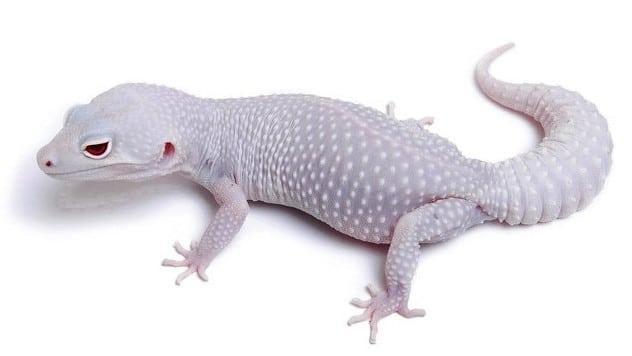
Among the countless reptiles that inhabit our planet, few are as visually striking as albino reptiles. Their pale white, yellow, pink, or cream-colored bodies often appear almost unreal compared to the darker colors typically associated with snakes, lizards, turtles, and crocodilians. Because of their unusual appearance, albino reptiles attract fascination from scientists, wildlife photographers, reptile enthusiasts, and zoo visitors alike.
However, albinism is much more than an unusual color variation. It is a rare genetic condition that affects how an animal produces pigment, creating both advantages and significant challenges for survival in the wild. While some albino reptiles become famous attractions in zoos and wildlife parks, many face difficult lives due to increased vulnerability to predators, sunlight, and environmental pressures.
Understanding albino reptiles offers a fascinating glimpse into genetics, evolution, and biodiversity. These rare animals remind us that nature sometimes produces extraordinary variations that challenge our expectations of how wildlife should look.
What Is Albinism?
Albinism is a genetic condition that results in little or no production of melanin, the pigment responsible for coloration in skin, scales, eyes, hair, and feathers across many animal species.
In reptiles, melanin helps create darker colors such as black, brown, and gray. When a reptile inherits specific genetic mutations that interfere with melanin production, the result can be partial or complete albinism.
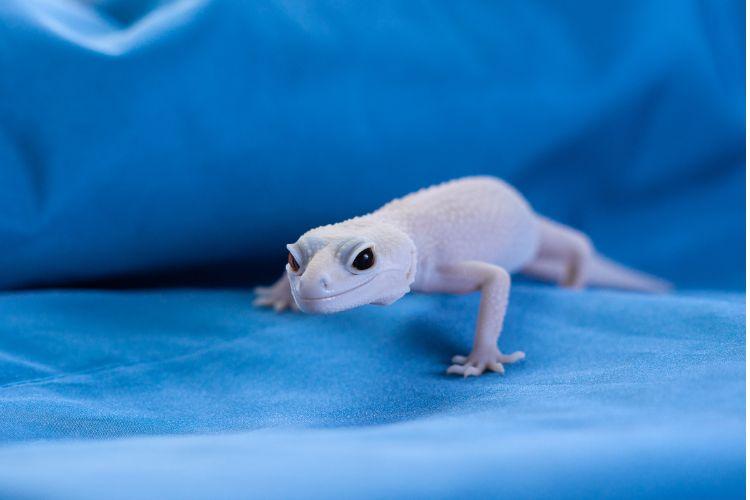
Because melanin is missing, underlying pigments become more visible. This often gives albino reptiles their distinctive white, yellow, orange, cream, or pink appearance.
One of the most recognizable characteristics of albinism is the eye color. Many albino animals have pink or red eyes because blood vessels become visible through the lack of pigmentation in the iris.
Although albinism occurs in many animal groups, including mammals, birds, fish, and amphibians, it remains relatively rare in reptiles.
How Rare Are Albino Reptiles?
The exact frequency varies among species, but albinism is generally considered uncommon in wild reptile populations.
Many estimates suggest that naturally occurring albinism may appear in only one out of several thousand individuals. In some species, the occurrence may be even rarer.
The rarity of albino reptiles is one reason they generate so much attention when discovered. News stories frequently emerge when researchers, hikers, or wildlife photographers encounter an albino snake, turtle, or crocodile in the wild.
Unfortunately, the same characteristics that make these reptiles visually remarkable also make survival more difficult.
Because they stand out against natural backgrounds, albino reptiles are often easier for predators to spot. Their bright coloration reduces their ability to camouflage, a critical survival strategy for many reptile species.
As a result, relatively few albino reptiles survive long enough to reach adulthood in the wild.
Albino Snakes: The Most Famous Examples
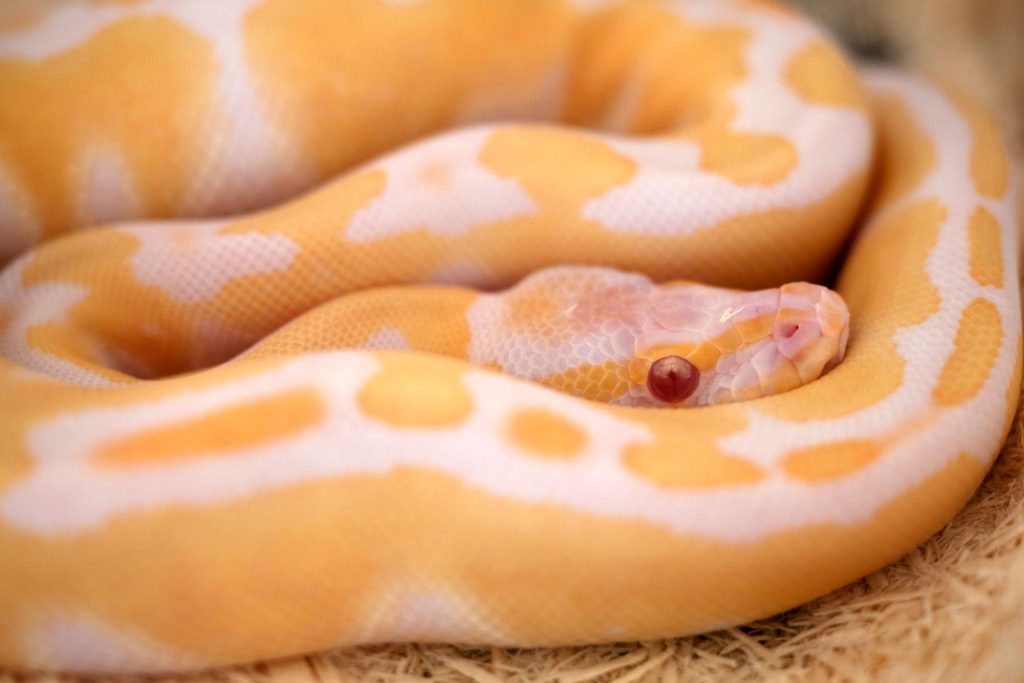
Perhaps the best-known albino reptiles are snakes.
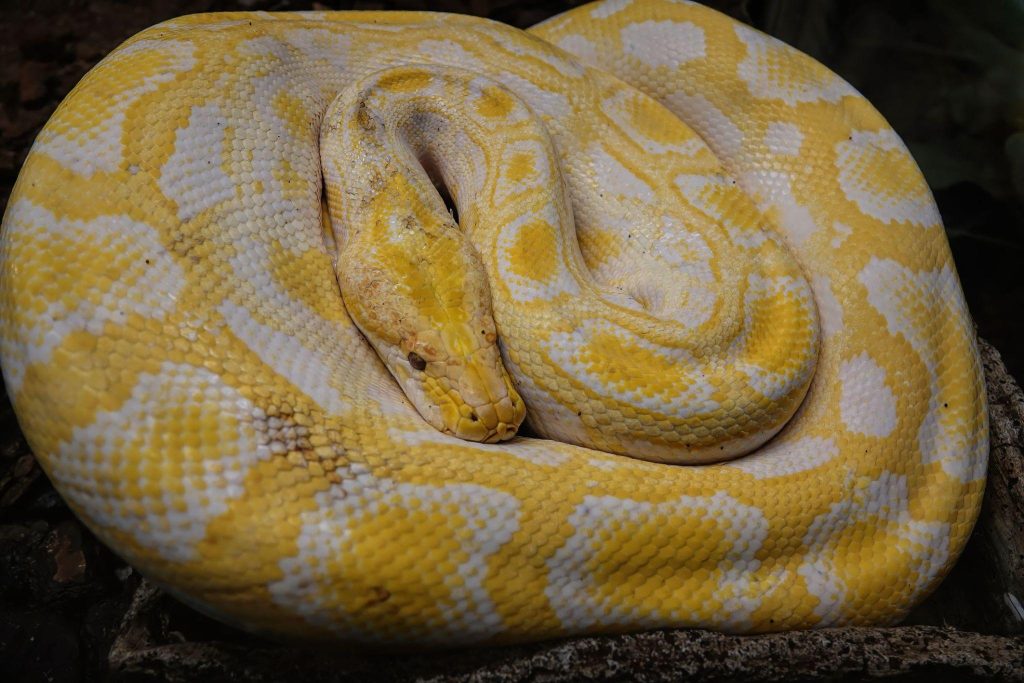
Albino pythons, corn snakes, king snakes, rat snakes, and boas are commonly featured in wildlife exhibits and reptile collections due to their stunning coloration.
Without dark pigments, albino snakes often display vivid yellow, orange, white, and pink patterns that appear almost artistic. These colors can be especially dramatic in species that naturally possess complex scale markings.
In captivity, selective breeding has increased the number of albino snake varieties available to reptile enthusiasts. Breeders have developed numerous color morphs that highlight different combinations of genetic traits.
In the wild, however, albino snakes face substantial challenges. Their bright appearance makes them highly visible to predators such as birds of prey, mammals, and larger reptiles.
For ambush predators that depend on remaining hidden while hunting, a lack of camouflage can significantly reduce hunting success as well.
The Incredible Rarity of Albino Crocodiles and Alligators
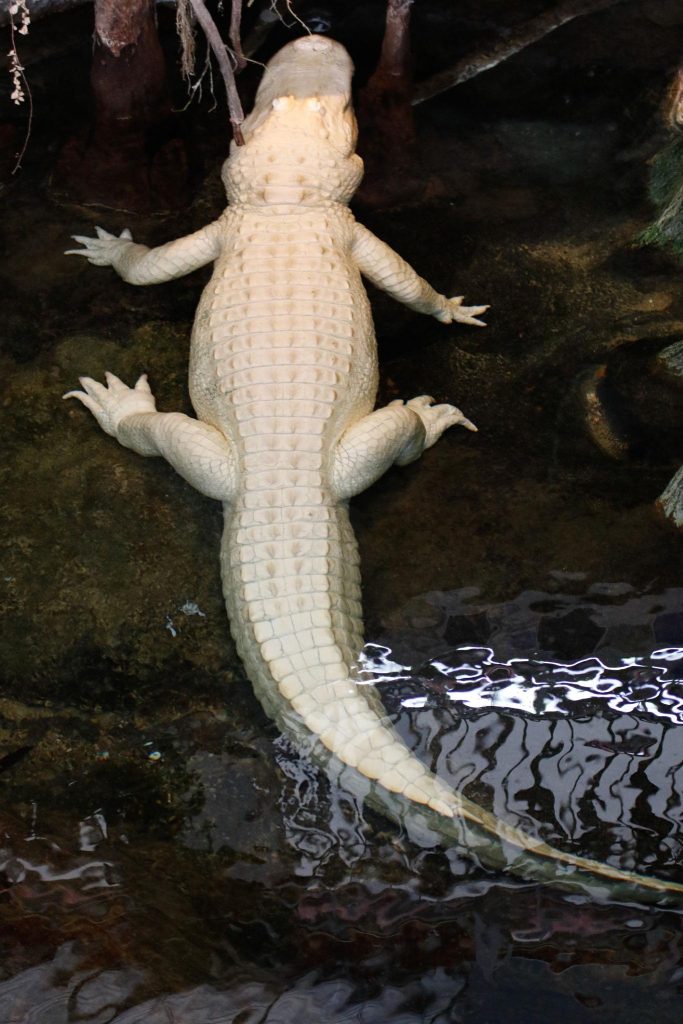
Among the rarest albino reptiles are crocodilians, including crocodiles and alligators.
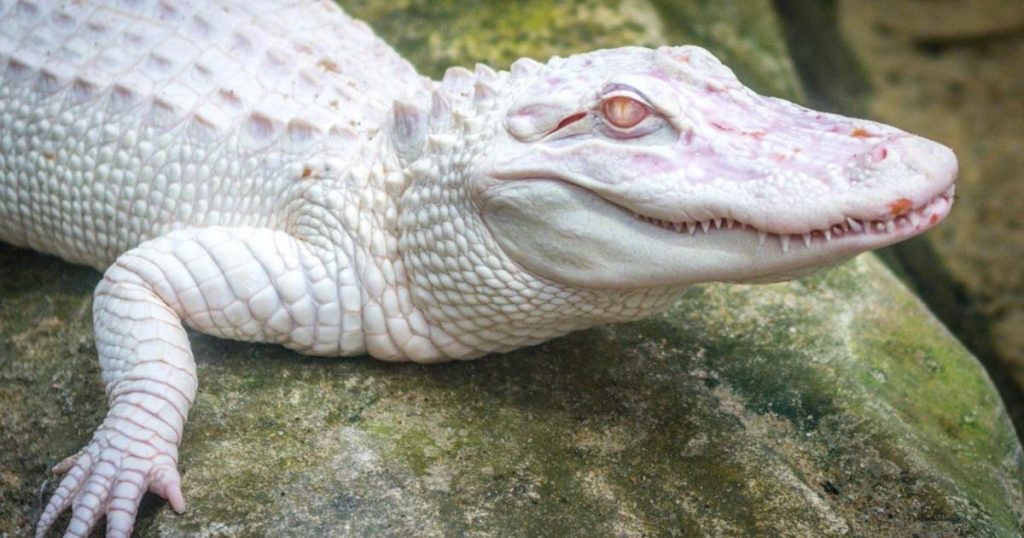
Albino alligators are exceptionally uncommon. Wildlife experts estimate that only a handful of true albino alligators exist worldwide.
These animals possess striking white bodies combined with pink eyes. Their appearance often draws thousands of visitors to zoos and conservation centers fortunate enough to house them.
The challenges facing albino crocodilians are severe. Young alligators and crocodiles rely heavily on camouflage to avoid predators and ambush prey. Without natural coloration, survival rates in the wild are dramatically reduced.
Additionally, their sensitive skin and eyes are particularly vulnerable to sunlight.
Because of these factors, many albino crocodilians that reach adulthood do so under protected conditions in wildlife facilities.
Their rarity has made them symbols of both genetic diversity and conservation awareness.
Albino Turtles: Living Gems of the Water
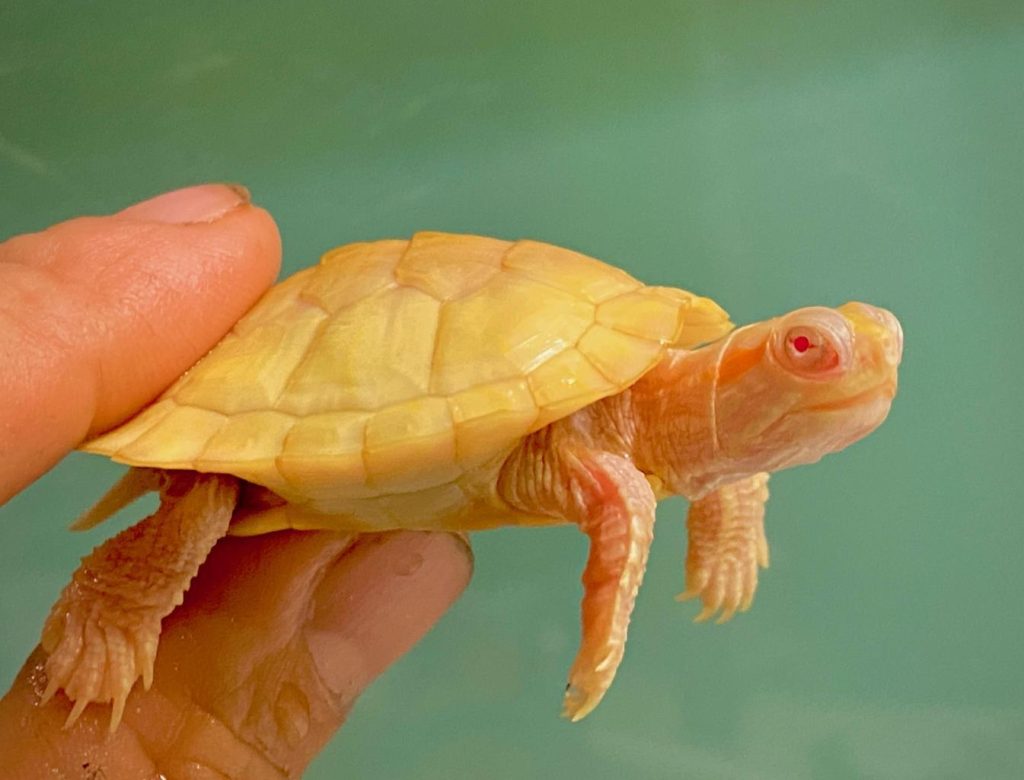
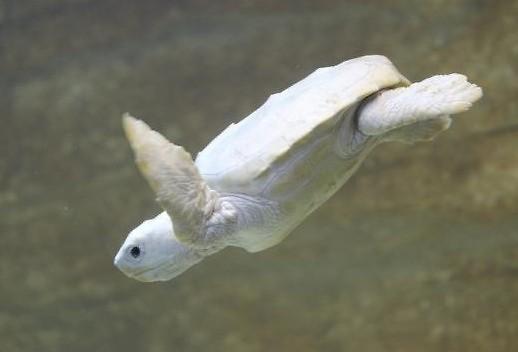
Albino turtles are among the most beautiful reptiles ever documented.
Their shells often display pale cream, ivory, yellow, or white coloration. Combined with pink or red eyes, their appearance can seem almost magical.
Sea turtles, freshwater turtles, and tortoises have all occasionally produced albino individuals.
For aquatic species, survival can be especially difficult. Young turtles rely on camouflage during their vulnerable early years. Bright coloration may increase the likelihood of predation by birds, fish, and mammals.
Despite these challenges, rare albino turtles occasionally survive to adulthood, becoming important subjects for scientific research.
Researchers study these individuals to better understand genetics, developmental biology, and the effects of pigmentation on survival.
Why Albino Reptiles Often Have Vision Problems
One of the lesser-known effects of albinism involves eyesight.
Melanin plays an important role in the development and function of the eyes. When melanin is absent, visual impairments frequently occur.
Many albino reptiles experience reduced visual acuity, increased sensitivity to bright light, and difficulties focusing.
This can affect their ability to hunt, navigate, and detect predators.
For species that rely heavily on vision, these disadvantages can further reduce survival chances in natural environments.
In captivity, caretakers often provide shaded habitats and carefully controlled lighting conditions to minimize stress on albino animals.
These accommodations help compensate for the challenges associated with light sensitivity.
Sunlight: A Hidden Threat
Most reptiles spend considerable time basking in sunlight to regulate body temperature.
For albino reptiles, however, sunlight presents a unique challenge.
Melanin helps protect tissues from ultraviolet radiation. Without adequate pigmentation, albino reptiles may be more susceptible to skin damage caused by prolonged sun exposure.
As a result, many albino individuals naturally seek shaded environments more frequently than their normally pigmented counterparts.
Wildlife experts often observe albino reptiles spending less time exposed to direct sunlight.
In managed environments, keepers carefully monitor UV exposure while ensuring reptiles still receive the light necessary for healthy metabolism and calcium regulation.
Balancing these needs requires specialized care.
Scientific Value of Albino Reptiles
Although albino reptiles are visually fascinating, their importance extends far beyond appearance.
Scientists use albino individuals to study genetics, inheritance patterns, pigmentation processes, and evolutionary biology.
Research involving albinism has contributed significantly to our understanding of how genes influence physical traits.
By examining albino reptiles, researchers can identify specific genetic mutations responsible for pigmentation loss and investigate how these mutations affect other biological systems.
These studies have implications not only for wildlife biology but also for broader fields such as medicine and genetics.
Every albino reptile represents an opportunity to learn more about how living organisms develop and adapt.
Conservation and Public Awareness
Albino reptiles often become ambassadors for wildlife conservation.
Their unusual appearance attracts public attention, creating opportunities to educate people about reptile diversity, habitat protection, and environmental stewardship.
Many zoos and conservation centers use albino reptiles as educational tools to teach visitors about genetics and biodiversity.
These animals help demonstrate that genetic variation exists throughout nature and that even rare individuals play important roles within ecosystems.
By generating curiosity and interest, albino reptiles encourage greater appreciation for wildlife and the need to protect natural habitats.
The Future of Albino Reptile Research
As genetic technology continues advancing, scientists are gaining new insights into the mechanisms behind albinism.
Modern DNA analysis allows researchers to identify specific mutations with greater precision than ever before.
Future studies may reveal additional information about how pigmentation affects behavior, health, reproduction, and survival.
Conservation programs may also benefit from improved understanding of genetic diversity within reptile populations.
Although albino reptiles remain rare, they continue to provide valuable opportunities for scientific discovery.
Their existence reminds us that nature constantly produces extraordinary variations that expand our understanding of life on Earth.
Conclusion
Albino reptiles are among the most remarkable animals found in nature. Their striking white, yellow, and pink coloration captures attention immediately, but their true significance extends far beyond appearance.
From albino snakes and turtles to the incredibly rare albino alligators and crocodiles, these animals offer valuable insights into genetics, evolution, and biodiversity. While their lack of pigmentation creates significant survival challenges, it also provides scientists with unique opportunities to study the biological foundations of color and adaptation.
Whether encountered in the wild, a zoo, or a conservation center, albino reptiles serve as powerful reminders of nature’s diversity and unpredictability. They demonstrate that even rare genetic variations can reveal important lessons about the natural world.
As research continues, these extraordinary reptiles will undoubtedly remain symbols of scientific curiosity, conservation, and the endless wonders of life on Earth.
Leave a Reply