Strange Stories About Animals During Child Rearing: Nature’s Most Unusual Parents
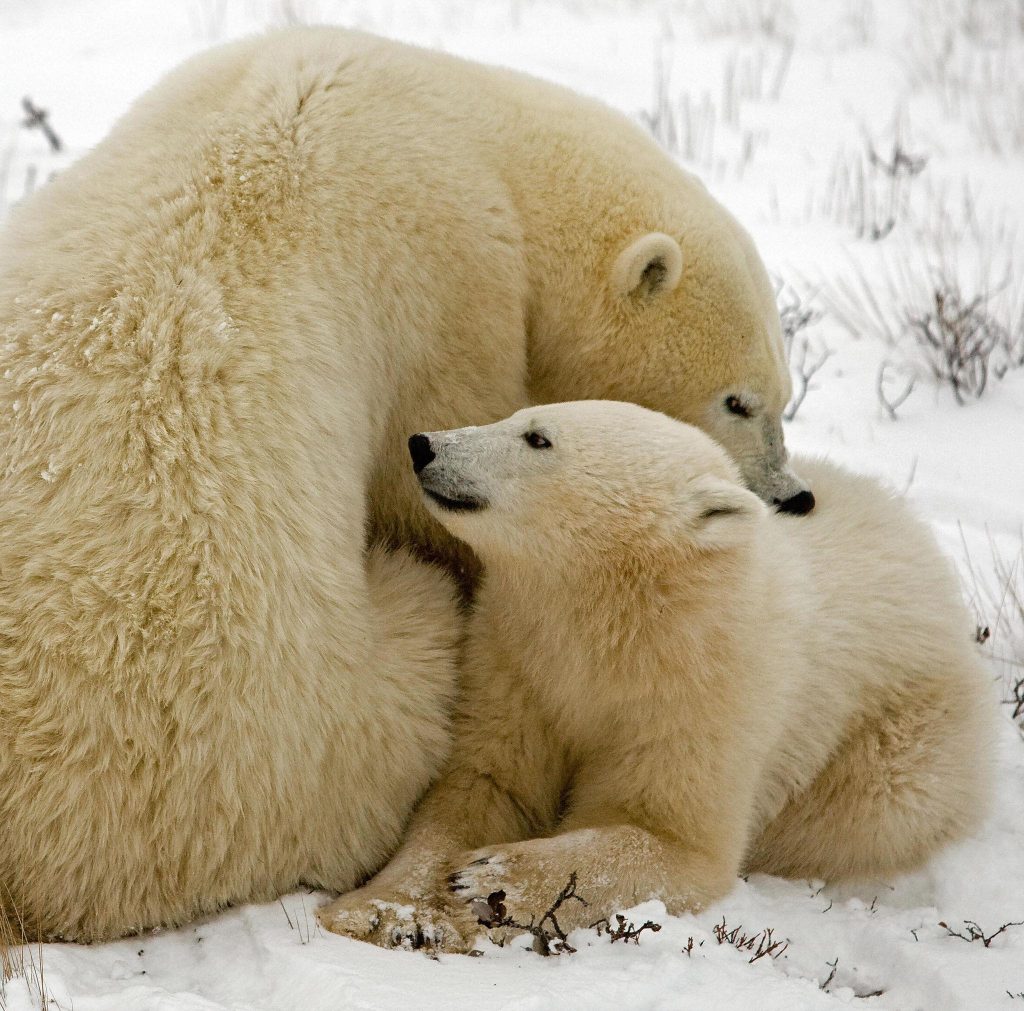
The animal kingdom is filled with remarkable stories of survival, adaptation, and family life. While many people focus on hunting behaviors or migration patterns, some of the most fascinating wildlife stories involve the way animals raise their young. Across the world, different species have evolved unique parenting strategies that can seem strange, surprising, and even unbelievable.
Some fathers become pregnant. Some mothers carry babies for years. Others rely on entire communities to help raise offspring. These unusual child-rearing methods demonstrate the incredible diversity of life on Earth and highlight the lengths animals will go to ensure the survival of the next generation.
Here are seven extraordinary stories about animal parenting that reveal nature at its most surprising.
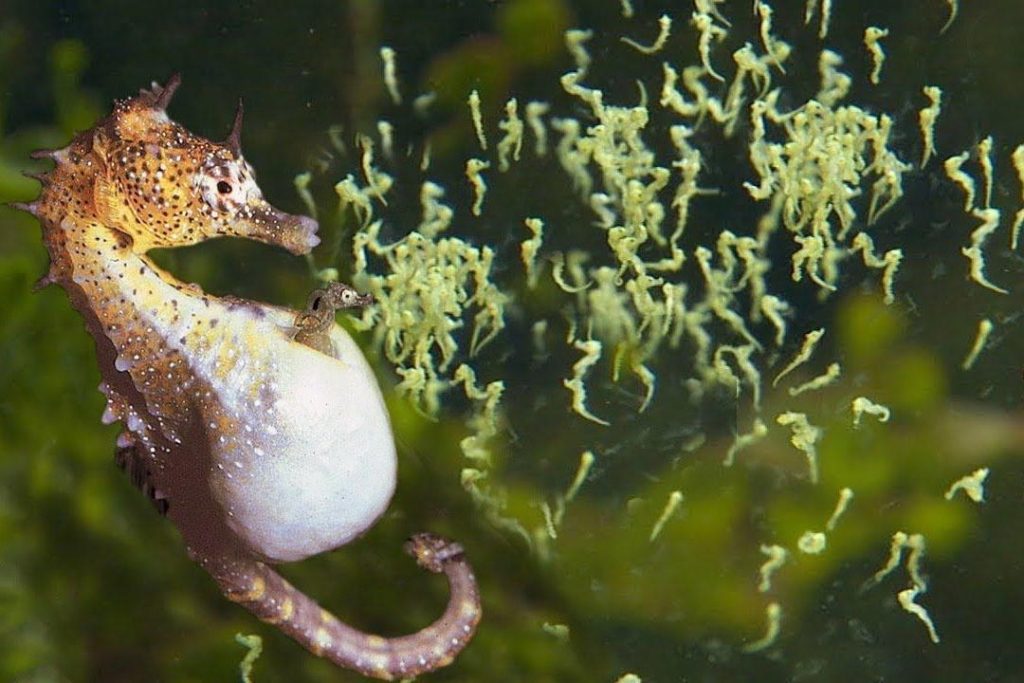
1. Male Seahorses Are the Ones That Get Pregnant
Image 1
Alt Text: Male seahorse carrying developing babies inside a brood pouch underwater.
One of the strangest parenting stories in nature belongs to seahorses. Unlike almost every other animal species, it is the father—not the mother—who becomes pregnant.
After an elaborate courtship dance, the female deposits her eggs into a special pouch on the male’s abdomen. The father then fertilizes the eggs and carries them inside his brood pouch for several weeks.
During this period, the male carefully regulates oxygen levels, salt concentration, and nutrients for the developing embryos. In many ways, the pouch functions similarly to a mammalian placenta.
When the babies are fully developed, the father experiences powerful contractions and releases dozens or even hundreds of miniature seahorses into the ocean. Although most will not survive, the father’s unique role in reproduction remains one of nature’s most extraordinary examples of parental care.
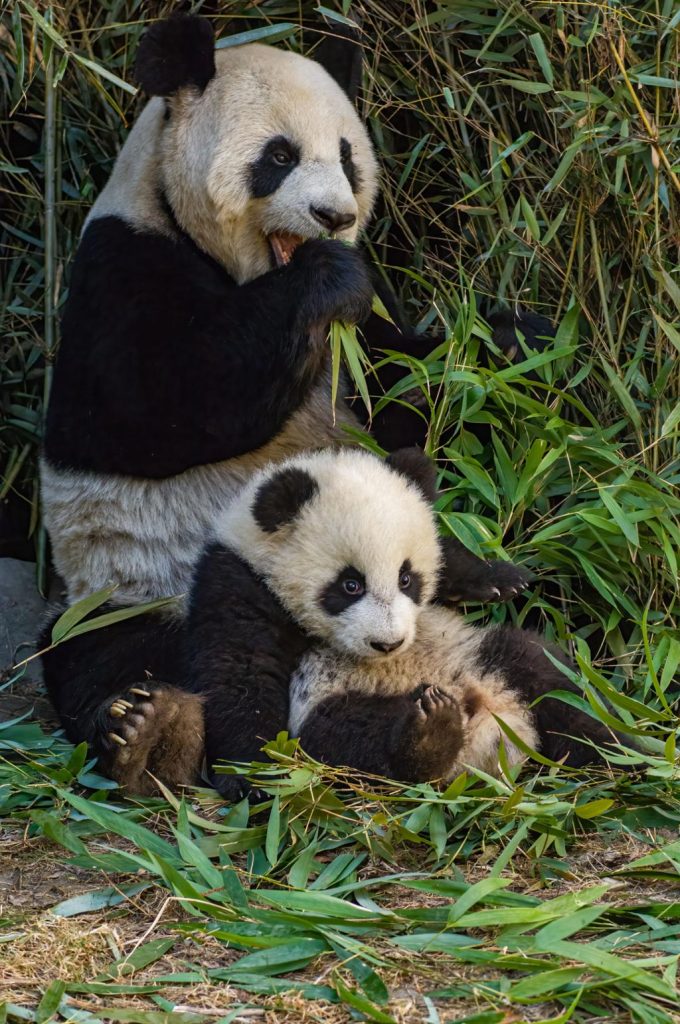
2. Giant Panda Mothers Raise Tiny Cubs
Image 2
Alt Text: Giant panda mother gently holding a newborn cub in a forest habitat.
Giant pandas give birth to some of the smallest newborns relative to their body size among mammals. A newborn panda may weigh only about 100 grams, while its mother can weigh more than 100 kilograms.
This means the cub is roughly 1/900th of its mother’s weight. For comparison, a human baby is much larger relative to its mother.
When a cub is born, it is pink, nearly hairless, blind, and completely helpless. The mother spends weeks holding, warming, and feeding the tiny newborn almost constantly.
If twins are born, raising both can be extremely difficult in the wild. Conservation programs often assist panda mothers in caring for twin cubs to improve survival rates.
The enormous size difference between mother and baby makes panda parenting one of nature’s most unusual family stories.
3. Jacana Fathers Raise the Entire Family
Image 3
Alt Text: Male jacana bird walking across lily pads while guiding young chicks.
In many bird species, mothers play the primary parenting role. Jacanas, however, turn this pattern upside down.
These tropical birds live around wetlands and floating vegetation. Females are larger, more aggressive, and may mate with several males. After laying eggs, the female often leaves most parenting responsibilities to the father.
The male incubates the eggs, protects the nest, and cares for the chicks after they hatch. He constantly watches for predators and helps guide the young through their wetland habitat.
One of the most amazing behaviors occurs when danger approaches. The father may pick up tiny chicks beneath his wings and run across floating vegetation, carrying them to safety.
This unusual reversal of traditional parental roles makes jacanas among the most fascinating bird parents in the world.
4. Meerkats Teach Their Young How to Hunt
Image 4
Alt Text: Adult meerkat teaching a young pup how to handle prey in the desert.
Many animals rely on instinct, but meerkats actively teach their offspring.
Living in the deserts of southern Africa, meerkats face numerous challenges, including venomous scorpions and dangerous predators. Young pups must quickly learn survival skills.
Adult meerkats gradually introduce hunting lessons. At first, they bring dead prey to the pups. Later, they provide injured prey that still moves but poses less danger. Eventually, young meerkats learn to capture and handle live prey independently.
Researchers consider this one of the clearest examples of teaching behavior in non-human animals. Adults modify their actions specifically to help young individuals learn new skills.
This educational approach helps ensure that meerkat pups become successful hunters as they mature.
5. Koalas Carry Their Babies Everywhere
Image 5
Alt Text: Koala mother carrying a joey on her back while climbing a eucalyptus tree.
Koalas spend most of their lives in eucalyptus trees, and raising a baby in such an environment presents unique challenges.
A newborn koala, called a joey, is tiny and underdeveloped at birth. It immediately crawls into its mother’s pouch, where it continues developing for several months.
After leaving the pouch, the joey rides on its mother’s back almost everywhere she goes. The mother carefully climbs trees while carrying her growing offspring.
One particularly unusual aspect of koala parenting involves diet. To help the joey digest eucalyptus leaves, the mother provides a specialized substance containing beneficial microbes. These microbes help establish the digestive system needed for processing the toxic compounds found in eucalyptus.
Without this assistance, young koalas would struggle to survive on their species’ specialized diet.
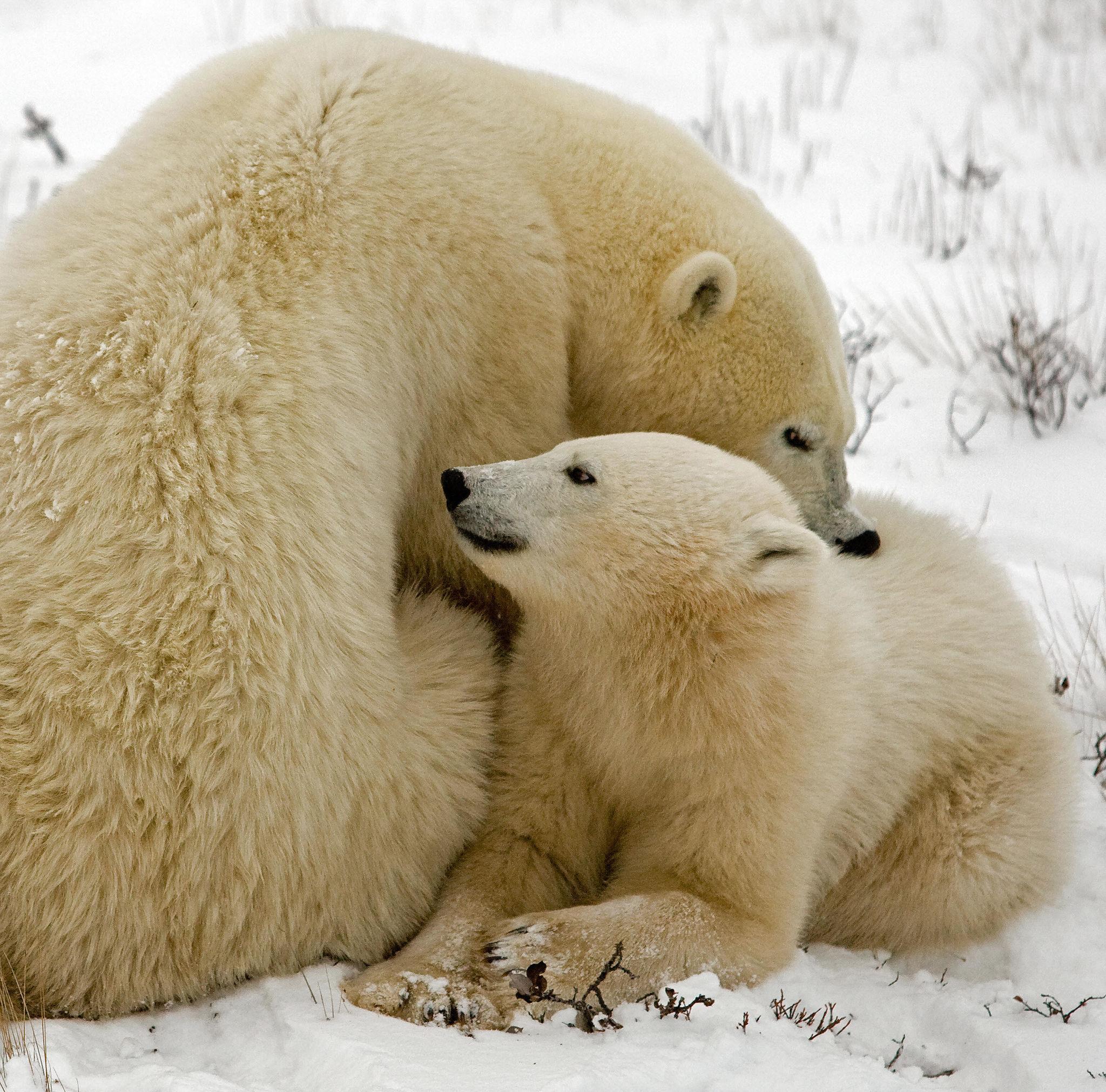
6. Polar Bear Mothers Fast for Months
Image 6
Alt Text: Polar bear mother emerging from a snow den with two young cubs.
Polar bears live in one of Earth’s harshest environments. Their parenting strategy is equally extreme.
Pregnant females dig snow dens before winter arrives. Inside these insulated shelters, they give birth to tiny cubs during the coldest months of the year.
Throughout this period, the mother rarely eats. Instead, she survives on fat reserves accumulated before entering the den. For several months, she nurses and protects her cubs while enduring prolonged fasting.
When spring arrives, the mother emerges with her young and begins teaching them how to navigate the Arctic environment. The cubs stay with her for more than two years, learning essential survival skills.
This remarkable sacrifice highlights the extraordinary commitment required to raise young in such a challenging habitat.
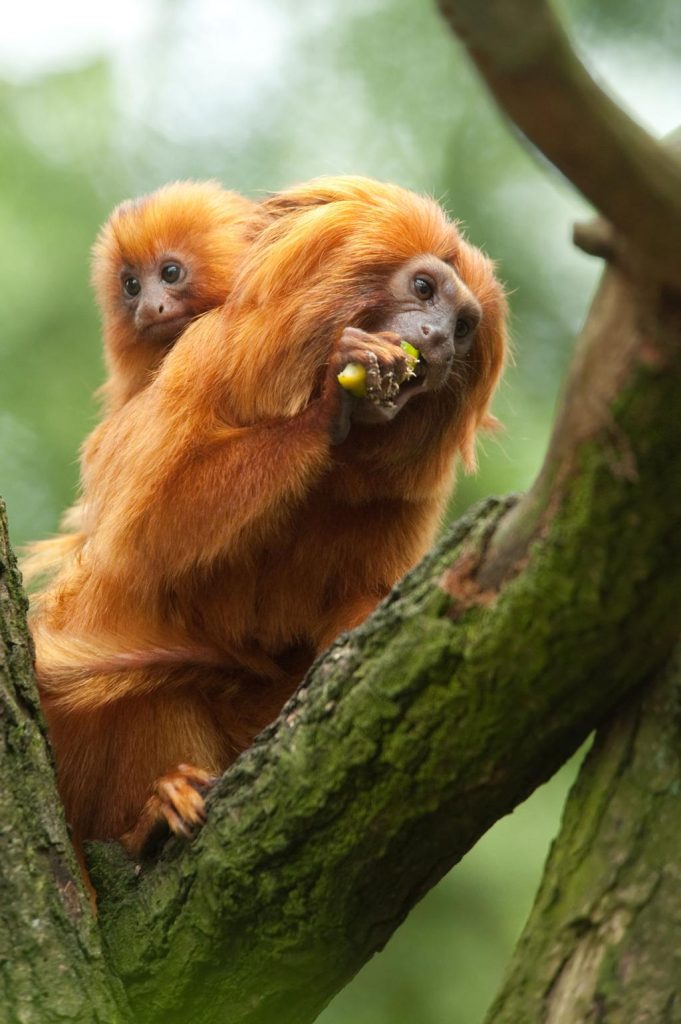
7. Golden Lion Tamarins Share Parenting Duties
Image 7
Alt Text: Golden lion tamarin father carrying infant twins through a tropical forest.
Golden lion tamarins are small primates native to Brazil’s Atlantic Forest. Unlike many mammals, both parents play active roles in raising offspring.
These monkeys often give birth to twins, creating a demanding workload for the family. To help the mother conserve energy, the father carries the infants for much of the day.
The babies cling to his back while he moves through the forest searching for food. The father returns them to the mother primarily for nursing.
Other family members may also assist with childcare. Older siblings frequently help transport and protect the infants, creating a cooperative parenting system.
This teamwork increases the chances of survival and demonstrates how social cooperation can benefit young animals.
Why Strange Parenting Behaviors Evolved
Animal parenting strategies develop through evolution. Each behavior increases the likelihood that offspring will survive long enough to reproduce.
In some species, fathers provide most of the care. In others, mothers invest enormous amounts of energy and resources. Some animals rely on teaching, while others depend on community support.
Environmental conditions also shape parenting methods. Animals living in harsh climates often provide extended protection, while species facing high predation rates may emphasize vigilance and cooperation.
Although these behaviors may seem unusual from a human perspective, each represents an effective solution to the challenges of raising young in a particular habitat.
Conclusion
Nature is full of extraordinary parenting stories. Male seahorses become pregnant, jacana fathers carry chicks beneath their wings, meerkats teach hunting lessons, and polar bear mothers endure months without food to protect their cubs.
Pandas nurture tiny newborns, koalas provide specialized digestive assistance, and golden lion tamarins rely on teamwork to raise infants successfully.
These remarkable examples remind us that parenting takes many forms throughout the natural world. Whether through sacrifice, cooperation, teaching, or protection, animals continue to reveal surprising and inspiring ways of caring for the next generation.
Their stories not only deepen our understanding of wildlife but also highlight the incredible diversity of life on our planet.
Leave a Reply