Blog

  • The Wildest Parenting Experiments in Nature: Animal Families That Rewrite the Rules

    The Wildest Parenting Experiments in Nature: Animal Families That Rewrite the Rules

    Image
    Image
    Image
    Image

    The Wildest Parenting Experiments in Nature: Animal Families That Rewrite the Rules

    Parenting in the natural world is far more diverse than most people imagine. While some species follow familiar patterns of nurturing and protection, others have evolved astonishing methods that seem to defy common sense. In many cases, survival depends not on strength or speed, but on creative solutions to the challenges of raising young.

    Some parents carry babies in unusual places. Others construct giant structures before a single egg is laid. Certain animals teach escape tactics, while others form lifelong support networks that extend far beyond childhood.

    These behaviors are not random oddities. They are the result of millions of years of adaptation, each one fine-tuned to help offspring survive in a particular environment.

    The following stories showcase some of the most remarkable child-rearing strategies found anywhere in the animal kingdom.


    The Fish Fathers Who Stop Eating for Their Children

    Figure 1

    Alt Text: Male sea catfish carrying developing eggs safely inside its mouth underwater.

    In the warm coastal waters of tropical regions, some sea catfish fathers make an extraordinary sacrifice.

    After spawning, the male collects a large cluster of fertilized eggs and stores them inside his mouth. The eggs are often surprisingly large, taking up most of the available space.

    For weeks, the father protects them from predators, strong currents, and environmental hazards.

    The challenge is that eating becomes nearly impossible.

    Many mouthbrooding sea catfish lose significant body weight because they spend so much time safeguarding their offspring instead of feeding themselves.

    Only when the young fish are fully developed does the father release them into the surrounding water.

    His willingness to endure hunger demonstrates the remarkable lengths some parents will go to ensure their offspring survive.


    The Bird Chicks That Learn to Climb Before They Learn to Fly

    Figure 2

    Alt Text: Young hoatzin chick climbing tree branches near a river in the Amazon rainforest.

    Deep within the wetlands of South America lives one of the world’s strangest birds: the hoatzin.

    Hoatzin chicks possess a surprising feature rarely seen in modern birds—functional claws on their wings.

    When danger threatens, young birds can drop from the nest into the water below. Instead of relying on flight, they use their clawed wings to climb vegetation and return to safety.

    Parents continue feeding and protecting them during this vulnerable period.

    Scientists believe this unusual adaptation offers a valuable escape route from predators such as snakes and monkeys.

    Few young birds in the world possess such a remarkable survival skill.


    Cheetah Mothers Raise Future Hunters Alone

    Figure 3

    Alt Text: Cheetah mother leading several cubs across an African grassland.

    Life is especially challenging for cheetah cubs.

    Unlike lions, cheetahs do not benefit from the protection of a pride. A mother must raise her young almost entirely on her own.

    For many months, she teaches stalking techniques, hunting strategies, and predator awareness.

    One of the most fascinating aspects of cheetah parenting involves practical lessons. Mothers sometimes release captured prey so cubs can practice chasing and capturing it themselves.

    These exercises help transform inexperienced youngsters into capable hunters.

    The process resembles a carefully planned training program rather than simple parental protection.


    Building a Nursery the Size of a Small Car

    Figure 4

    Alt Text: Male Australian brush turkey standing beside a massive nesting mound made of leaves and soil.

    Some parents care for young after birth. Australian brush turkeys invest heavily before the eggs even hatch.

    The male spends months constructing a gigantic mound from leaves, soil, and organic material.

    These structures can reach several meters across and weigh several tons.

    As plant matter decomposes, heat is generated naturally. The mound functions as a giant incubator, maintaining temperatures suitable for egg development.

    The father constantly monitors conditions and adjusts the structure by adding or removing material.

    Few animals demonstrate such impressive engineering skills in preparation for parenthood.


    Whale Mothers and the Longest Classroom on Earth

    Figure 5

    Alt Text: Sperm whale mother swimming alongside her calf in the deep ocean.

    The ocean can be a difficult place for a newborn whale.

    For sperm whales, learning begins immediately after birth.

    Young calves remain close to their mothers for years, absorbing information about migration routes, feeding grounds, communication signals, and social behavior.

    Female relatives often participate as well. Groups of related females cooperate to protect calves while mothers dive to great depths in search of food.

    Researchers have compared these family groups to extended learning communities.

    The ocean becomes a classroom where survival knowledge is passed from one generation to the next.


    Tiny Monkeys, Giant Parenting Commitments

    Figure 6

    Alt Text: Emperor tamarin father carrying twin infants through a rainforest canopy.

    Emperor tamarins may be small primates, but their parenting efforts are enormous.

    Twin births are common, creating a significant burden for mothers.

    To address this challenge, fathers become heavily involved from the beginning. Infants spend much of their time riding on the backs of adult males.

    Brothers, sisters, and other relatives frequently assist as well.

    The result is a highly cooperative childcare system in which responsibility is shared among multiple family members.

    This teamwork allows the group to successfully raise offspring in the demanding environment of the tropical forest.


    A Marsupial Childhood Spent Above the Forest Floor

    Figure 7

    Alt Text: Tree kangaroo mother carrying a young joey while resting in a rainforest tree.

    Tree kangaroos represent an unusual blend of familiar and surprising parenting behaviors.

    Like other marsupials, mothers give birth to extremely small young that continue developing inside a pouch.

    What makes tree kangaroos unique is their arboreal lifestyle.

    The mother must navigate branches, leap between trees, and forage in elevated rainforest habitats while carrying a growing joey.

    As the youngster matures, it gradually begins exploring the canopy but remains dependent on maternal guidance.

    Learning to move safely among the treetops is essential for survival, making the mother’s role particularly important during early development.


    Why Extreme Parenting Evolves

    Every environment creates different challenges for offspring.

    Animals living in oceans face threats different from those encountered in forests or deserts. Some species struggle with predators. Others must deal with limited food, harsh weather, or complex social systems.

    Because of these pressures, parenting strategies evolve in countless directions.

    Some parents emphasize teaching. Others prioritize protection, transportation, engineering, or cooperation.

    The incredible variety of solutions found in nature demonstrates the flexibility of evolution when faced with a common problem.


    The Hidden Cost of Raising Young

    Although animal parenting often appears inspiring, it frequently comes at a significant cost.

    Parents may sacrifice energy reserves, increase exposure to predators, or delay future reproduction.

    A mouthbrooding fish may go weeks without eating. A cheetah mother spends months hunting for growing cubs. A brush turkey invests enormous effort constructing a nesting mound.

    These sacrifices highlight the importance of offspring survival in the evolutionary process.

    Without successful child rearing, even the strongest species cannot persist.


    Family Life Beyond Human Society

    One of the most surprising discoveries in modern biology is how widespread complex parenting behaviors are.

    Scientists have documented teaching, cooperation, communication, babysitting, and even cultural learning among various animal groups.

    These behaviors reveal that family life is not exclusive to humans.

    Across the natural world, animals invest tremendous resources in helping the next generation navigate a dangerous and unpredictable environment.

    Their methods may differ dramatically, but the underlying goal remains the same.


    Conclusion

    The animal kingdom is filled with parenting stories that challenge our expectations.

    Sea catfish fathers endure weeks of fasting while protecting eggs. Hoatzin chicks climb trees using wing claws. Cheetah mothers provide hunting lessons, and brush turkeys construct enormous incubators before offspring even hatch.

    Sperm whales transform oceans into classrooms, emperor tamarins rely on cooperative childcare, and tree kangaroos guide young through life high in the rainforest canopy.

    Together, these examples demonstrate that successful parenting is one of nature’s greatest achievements. Through sacrifice, innovation, teamwork, and education, animal families have evolved remarkable strategies that continue to fascinate scientists and wildlife enthusiasts around the world.

    The next time you think of parenting, remember that somewhere in nature, a fish is fasting for its young, a bird is climbing with wing claws, and a whale is teaching lessons beneath the waves.
  • Raising the Wild: Seven Animal Parenting Tales That Sound Too Strange to Be True

    Raising the Wild: Seven Animal Parenting Tales That Sound Too Strange to Be True

    Image
    Image
    Image
    Image

    Raising the Wild: Seven Animal Parenting Tales That Sound Too Strange to Be True

    The journey from newborn to independent adult is one of the most dangerous stages in an animal’s life. In many species, only a small fraction of offspring survive long enough to reproduce. To overcome these odds, animals have evolved some of the most creative, surprising, and occasionally bizarre parenting strategies found anywhere in nature.

    While predators, migration, and adaptation often receive the spotlight in wildlife documentaries, parental care is equally fascinating. Some parents transform parts of their bodies into nurseries. Others build elaborate homes, assign babysitters, or spend years teaching their young how to survive.

    These unusual stories reveal that successful parenting isn’t limited to one approach. Across the globe, animals have developed extraordinary solutions to the universal challenge of raising the next generation.

    Let’s explore seven remarkable examples.


    1. The Frog That Turns Its Voice Sac Into a Nursery

    Figure 1

    Alt Text: Male Darwin’s frog carrying developing tadpoles inside its vocal sac.

    Most frogs lay eggs and leave them behind. Darwin’s frog takes a dramatically different route.

    Native to the forests of Chile and Argentina, this small amphibian practices one of the strangest forms of parental care ever discovered.

    After the eggs hatch, the father collects the tiny tadpoles and stores them inside his vocal sac—the flexible pouch normally used for calling.

    Inside this living nursery, the developing young remain protected while continuing their growth. They receive moisture, shelter, and safety from predators.

    Weeks later, fully formed froglets emerge directly from the father’s mouth.

    Scientists consider this one of the most unusual childcare adaptations in the entire animal kingdom.


    2. Burrowing Owls Raise Families Underground

    Figure 2

    Alt Text: Burrowing owl standing at the entrance of an underground nest with young chicks nearby.

    Most owls prefer tree cavities or elevated nesting sites. Burrowing owls break the rules.

    These small owls live in underground tunnels, often using abandoned burrows originally dug by mammals such as prairie dogs or ground squirrels.

    The subterranean environment provides protection from harsh weather and many predators.

    Parents work tirelessly to supply food to growing chicks. Insects, rodents, and small reptiles are regularly delivered to the nest.

    Young owls spend weeks inside the burrow before venturing outside. During this period, parents constantly monitor the area for threats.

    The sight of an owl family living beneath the ground makes these birds unique among their relatives.


    3. Clownfish Fathers Become Dedicated Egg Guardians

    Figure 3

    Alt Text: Male clownfish carefully tending eggs attached to a coral reef surface.

    The colorful clownfish is famous for its partnership with sea anemones, but its parenting behavior is equally impressive.

    After the female lays eggs on a cleaned surface near the anemone, the male takes charge of childcare.

    His responsibilities include cleaning the eggs, removing damaged ones, and fanning them with water to ensure a constant oxygen supply.

    The father remains vigilant around the clock.

    Predators seeking an easy meal often target fish eggs, but clownfish fathers aggressively defend the nest.

    This level of commitment significantly improves the survival chances of the developing offspring.


    4. Meerkats Appoint Babysitters

    Figure 4

    Alt Text: Adult meerkat standing guard while young pups remain near the burrow.

    Meerkat societies operate with remarkable organization.

    When adult group members leave to search for food, some individuals remain behind to watch over the pups. These designated babysitters sacrifice feeding opportunities to protect the young.

    The role can last for hours.

    Babysitters guard the burrow entrance, respond to danger signals, and ensure that vulnerable pups remain safe.

    This cooperative system allows the colony to function efficiently while maintaining high levels of offspring protection.

    Few mammals demonstrate such a structured approach to childcare.


    5. Weaver Birds Build Homes Designed for Safety

    Figure 5

    Alt Text: Intricately woven weaver bird nest hanging from a tree branch.

    In the animal kingdom, parenting often begins before offspring arrive.

    Weaver birds are famous for constructing elaborate hanging nests that resemble woven baskets.

    Using grass strips and plant fibers, males carefully create structures designed to protect future chicks from predators and harsh weather.

    Many nests include narrow entrance tunnels that make access difficult for snakes and other threats.

    Once eggs are laid, both parents focus on maintaining the nest and feeding hatchlings.

    The engineering skill displayed by these birds demonstrates how architecture can play an important role in successful child rearing.


    6. Bonobo Mothers Invest in Lifelong Relationships

    Figure 6

    Alt Text: Bonobo mother interacting closely with her young offspring in a forest environment.

    Among primates, few family bonds are as enduring as those found in bonobos.

    Young bonobos remain closely connected to their mothers for many years. Even after reaching adulthood, males often benefit from maternal support.

    Mothers help offspring navigate social relationships, gain access to resources, and establish status within the group.

    Researchers have observed that maternal influence can continue well beyond childhood.

    This extended support system differs from the shorter parental investment seen in many other species and highlights the importance of social learning.


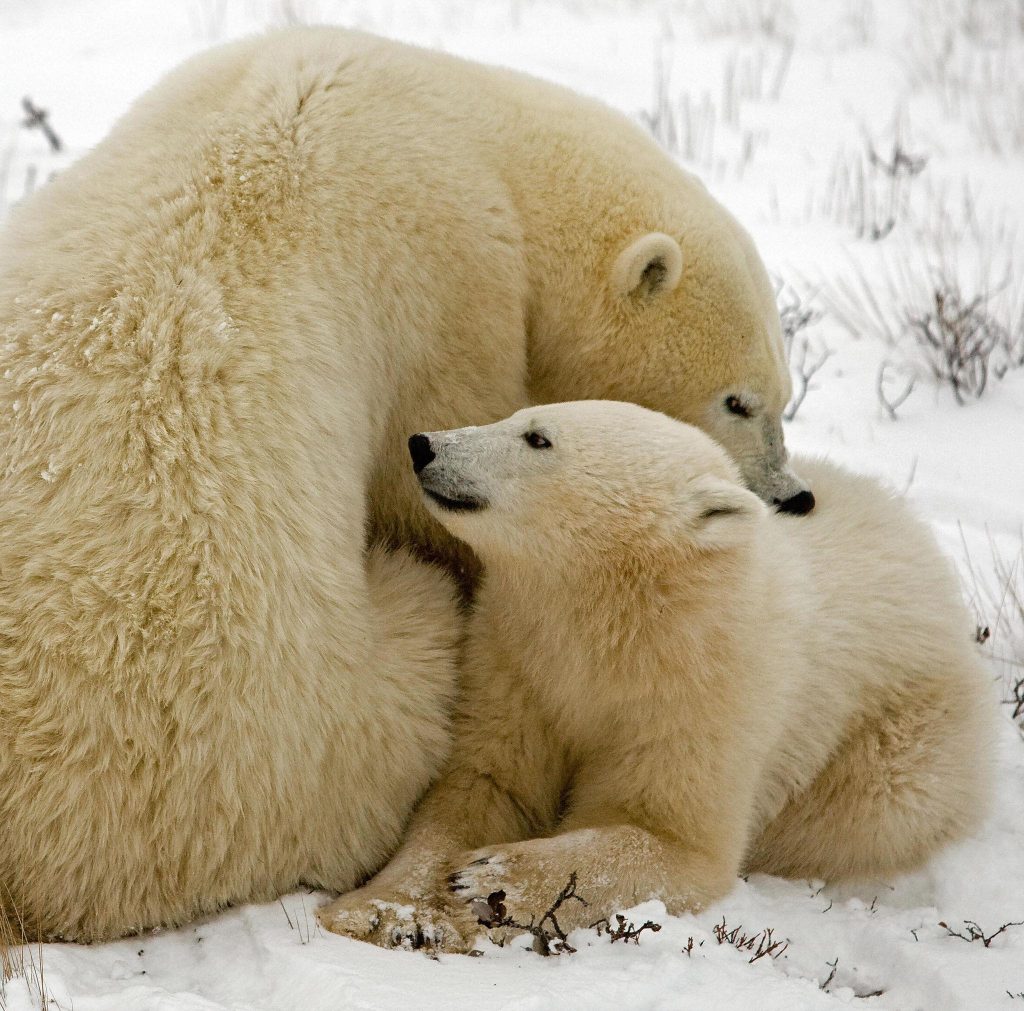
    7. Polar Bear Mothers Teach Survival in a Frozen World

    Figure 7

    Alt Text: Polar bear cub following its mother across Arctic sea ice.

    For a polar bear cub, survival depends heavily on learning.

    After emerging from a winter den, cubs begin an intensive educational period under their mother’s guidance.

    She teaches them how to travel across sea ice, identify prey opportunities, conserve energy, and respond to environmental challenges.

    The Arctic is one of Earth’s most unforgiving habitats. Mistakes can be fatal.

    As a result, cubs remain with their mother for more than two years, absorbing critical knowledge through observation and experience.

    This prolonged training period helps prepare young bears for an independent life in the far north.


    More Than Instinct: The Science Behind Animal Parenting

    For many years, scientists assumed that animal parenting relied entirely on instinct. Modern research has revealed a more nuanced picture.

    Numerous species modify their behavior according to circumstances. Parents may adjust feeding rates, increase protection during periods of danger, or change teaching strategies based on offspring needs.

    Some animals display forms of learning, communication, and cooperation that were once thought to be uniquely human.

    These discoveries continue to expand our understanding of intelligence and social behavior across the animal kingdom.


    Different Environments, Different Parenting Solutions

    There is no universal formula for raising young.

    Species living underground face different challenges than those living in oceans, forests, deserts, or polar regions.

    As environments change, parenting strategies evolve to match local conditions.

    Underground nests protect owl chicks from exposure. Vocal-sac nurseries shield frog larvae from predators. Arctic lessons prepare bear cubs for survival on ice.

    Each method represents a highly specialized response to the demands of a particular habitat.


    Why These Stories Matter

    Understanding animal parenting helps scientists protect wildlife populations.

    Many species depend on specific nesting sites, social structures, or learning opportunities to raise offspring successfully.

    When habitats are damaged or populations decline, these systems can be disrupted.

    Conservation efforts therefore focus not only on protecting individual animals but also on preserving the conditions necessary for successful reproduction and child rearing.

    The future of many species depends on maintaining these remarkable family traditions.


    Conclusion

    Nature has produced an astonishing variety of parenting strategies.

    Darwin’s frogs transform vocal sacs into nurseries. Burrowing owls raise families beneath the ground. Clownfish fathers carefully tend eggs. Meerkats appoint babysitters, while weaver birds become master architects.

    Bonobo mothers maintain lifelong relationships with offspring, and polar bears devote years to teaching survival skills.

    These stories remind us that parenting is one of evolution’s greatest achievements. Across every continent and habitat, animals have developed creative ways to protect, educate, and nurture the next generation.

    Their efforts reveal a powerful truth: in the wild, successful parenting can be just as extraordinary as any migration, hunt, or adaptation found in nature.

  • Nature’s Most Unexpected Nannies: Seven Astonishing Animal Child-Rearing Stories You’ve Probably Never Heard

    Nature’s Most Unexpected Nannies: Seven Astonishing Animal Child-Rearing Stories You’ve Probably Never Heard

    Image
    Image
    Image
    Image
    Image
    Image
    Image

    Nature’s Most Unexpected Nannies: Seven Astonishing Animal Child-Rearing Stories You’ve Probably Never Heard

    When people imagine wildlife parenting, they often picture a bird feeding chicks or a lioness protecting her cubs. Yet beyond these familiar scenes lies a world of parenting behaviors so unusual that they seem almost unbelievable.

    Across deserts, oceans, forests, and frozen coastlines, animals have evolved extraordinary ways of caring for their young. Some transport water across vast distances. Others create living nurseries with their own bodies. Certain species rely on entire communities to raise a single generation.

    These strange childcare strategies are not random quirks. They are survival solutions shaped by millions of years of evolution. Each behavior reflects a unique answer to one of nature’s most important challenges: ensuring that the next generation survives.

    Here are seven remarkable stories that reveal just how inventive animal parenting can be.


    Living Daycare Underground: The Cooperative World of Banded Mongooses

    Figure 1

    Alt Text: Adult banded mongooses guarding and caring for a group of young pups near a burrow.

    In the grasslands of eastern and southern Africa, banded mongooses have developed a childcare system that resembles a community daycare center.

    Instead of each mother raising her own pups separately, multiple females often give birth at nearly the same time. The newborns are placed together in a shared underground den where they form a giant nursery.

    What makes this system extraordinary is the role of adult helpers. Older siblings and unrelated adults frequently assist with feeding, protection, and supervision.

    As the pups grow, individual adults often become dedicated escorts, accompanying specific youngsters on daily adventures outside the den. These guardians teach foraging skills, protect against predators, and even share food.

    Researchers have found that this cooperative system significantly improves survival rates. In essence, an entire social network contributes to raising the next generation.


    A Bird That Delivers Water Instead of Food

    Figure 2

    Alt Text: Male sandgrouse flying across a desert carrying water in specialized belly feathers.

    Most bird parents bring food to their chicks. Sandgrouse, however, perform an even more remarkable service.

    These desert-dwelling birds inhabit some of the driest environments on Earth. Water sources may be dozens of kilometers away from nesting sites.

    To solve this challenge, male sandgrouse fly long distances to watering holes. Their specially adapted belly feathers absorb and trap water like a sponge.

    After soaking themselves, the birds return to the nest carrying precious liquid within their plumage.

    When they arrive, thirsty chicks drink directly from the damp feathers.

    This unusual transportation system allows young birds to survive in landscapes where water is extremely scarce.


    The Frozen Nursery of Harp Seals

    Figure 3

    Alt Text: Harp seal mother nursing a white-coated newborn pup on Arctic sea ice.

    Life begins under difficult circumstances for harp seals.

    Each year, mothers gather on drifting sea ice in the North Atlantic and Arctic regions to give birth. The pups arrive with fluffy white coats that help camouflage them against snow and ice.

    The most surprising aspect of harp seal parenting is its intensity.

    For approximately twelve days, mothers focus almost entirely on nursing their offspring. Their milk is exceptionally rich in fat, allowing pups to gain weight at an astonishing rate.

    By the end of this short period, the young seals have doubled or even tripled their body mass.

    The mother then leaves, and the pup must begin an independent journey toward survival.

    Although brief, this concentrated investment gives the youngster a crucial advantage in one of the planet’s harshest environments.


    The Mammal Ruled by a Queen

    Figure 4

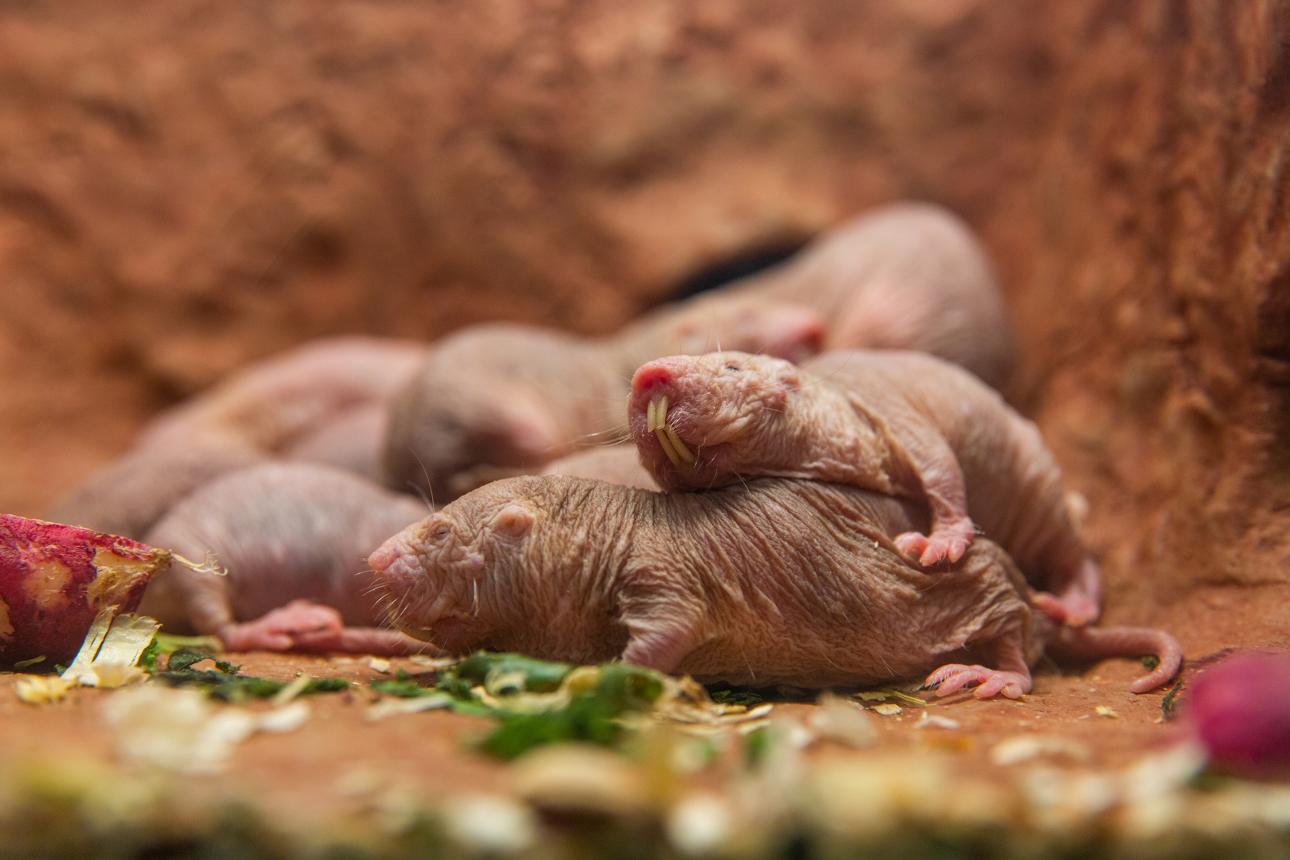
    Alt Text: Naked mole rat colony inside underground tunnels caring for newborn pups.

    Among mammals, few societies are stranger than those of naked mole rats.

    Living underground in large colonies, these unusual rodents organize themselves in a way that resembles ants or bees.

    Only one female—the queen—typically reproduces. The rest of the colony helps care for her offspring.

    Workers clean the nesting chamber, transport pups, gather food, and defend the tunnel system. Some individuals spend much of their lives helping raise siblings rather than producing offspring of their own.

    This cooperative breeding system is extremely rare among mammals.

    By functioning as a unified community, naked mole rats create a highly efficient environment for raising young beneath the soil of East Africa.


    Babies Carried in a Mouth-Sized Shelter

    Figure 5

    Alt Text: African cichlid fish protecting dozens of baby fry inside its mouth underwater.

    Many fish release eggs and never see their offspring again. Certain cichlid species take a dramatically different approach.

    After spawning, the parent gathers eggs into its mouth, where they remain protected throughout development.

    The story does not end once the young hatch.

    Tiny fry continue using the parent’s mouth as a portable shelter. Whenever danger appears, the babies rush back inside, disappearing within seconds.

    Observers have witnessed dozens of young fish crowding into the parent’s mouth simultaneously.

    This remarkable behavior transforms an ordinary feeding organ into a highly effective mobile nursery.


    Gibbons and the Art of Slow Parenting

    Figure 6

    Alt Text: Gibbon mother carrying her infant through the rainforest canopy.

    Modern life often celebrates speed, but gibbons demonstrate the value of patience.

    These tree-dwelling primates inhabit the forests of Southeast Asia and invest heavily in long-term parental care.

    A gibbon infant remains closely attached to its mother for years. During this time, it learns movement techniques, communication calls, feeding habits, and social behaviors.

    Navigating the forest canopy requires incredible agility. Youngsters must master swinging between branches, judging distances, and maintaining balance high above the ground.

    This education cannot be rushed.

    By dedicating years to teaching essential skills, gibbon parents prepare offspring for a challenging life among the treetops.


    The Amphibian With a Built-In Nursery

    Figure 7

    Alt Text: Young Surinam toads emerging from pockets in their mother’s back.

    The Surinam toad may possess one of the strangest parenting adaptations in the animal kingdom.

    After mating, fertilized eggs become embedded within the skin on the female’s back. Over time, the surrounding tissue forms protective chambers around each developing embryo.

    The young remain safely enclosed for weeks as they transform from embryos into miniature toads.

    Eventually, fully formed offspring emerge directly from openings in the mother’s skin.

    The process looks almost unbelievable, yet it provides exceptional protection during early development.

    Instead of leaving eggs exposed to predators, the mother effectively carries an entire nursery on her back.


    Why Nature Invented So Many Parenting Styles

    There is no universal formula for raising young in the animal kingdom.

    Species face different challenges depending on where they live and how they survive. Desert birds must solve water shortages. Arctic mammals confront extreme cold. Social rodents rely on teamwork. Forest primates prioritize learning complex skills.

    As a result, evolution produces diverse solutions.

    Some species invest heavily in protection. Others focus on nourishment, transportation, teaching, or community support. Every strategy represents a balance between energy expenditure and survival benefits.

    What appears strange from a human perspective often makes perfect sense within a particular ecological context.


    Childcare Beyond Instinct

    Scientists once believed that many animal parenting behaviors were purely instinctive. Modern research paints a more complex picture.

    In numerous species, adults adjust their behavior based on environmental conditions, social circumstances, and the needs of their offspring.

    Some animals teach. Others cooperate. Many communicate in sophisticated ways with their young.

    These discoveries continue to reshape our understanding of intelligence and family life in the natural world.


    Conclusion

    The story of animal parenting is far more diverse than most people realize.

    Banded mongooses operate communal nurseries. Sandgrouse transport water across deserts. Harp seals deliver intense bursts of nourishment. Naked mole rats rely on colony-wide childcare. Cichlids transform their mouths into shelters. Gibbons devote years to education, while Surinam toads literally carry developing offspring within their skin.

    Each strategy reflects a unique solution to the challenge of survival.

    Together, these extraordinary stories reveal a simple truth: throughout nature, raising the next generation often requires remarkable creativity. Whether through teamwork, sacrifice, innovation, or patience, animal parents continue to demonstrate some of the most fascinating behaviors found anywhere in the living world.

  • Strange Stories About Animals During Child Rearing: Incredible Parenting Behaviors in the Wild

    Strange Stories About Animals During Child Rearing: Incredible Parenting Behaviors in the Wild

    Image
    Image
    Image
    Image
    Image
    Image
    Image

    Strange Stories About Animals During Child Rearing: Incredible Parenting Behaviors in the Wild

    The natural world is filled with astonishing examples of parental care. While many animals simply lay eggs or give birth and leave their offspring to survive on their own, others invest extraordinary amounts of time, energy, and even personal sacrifice into raising their young.

    From fish that carry babies in their mouths to primates that spend years teaching survival skills, the diversity of parenting strategies in nature is truly remarkable. Scientists continue to discover behaviors that challenge long-held assumptions about animal intelligence, social bonds, and family life.

    Some species rely on teamwork. Others depend on remarkable physical adaptations. A few use parenting methods so unusual that they seem almost impossible.

    Here are some of the strangest and most fascinating stories about animals during child rearing.


    1. Orangutan Mothers Raise Children for Nearly a Decade

    Figure 1

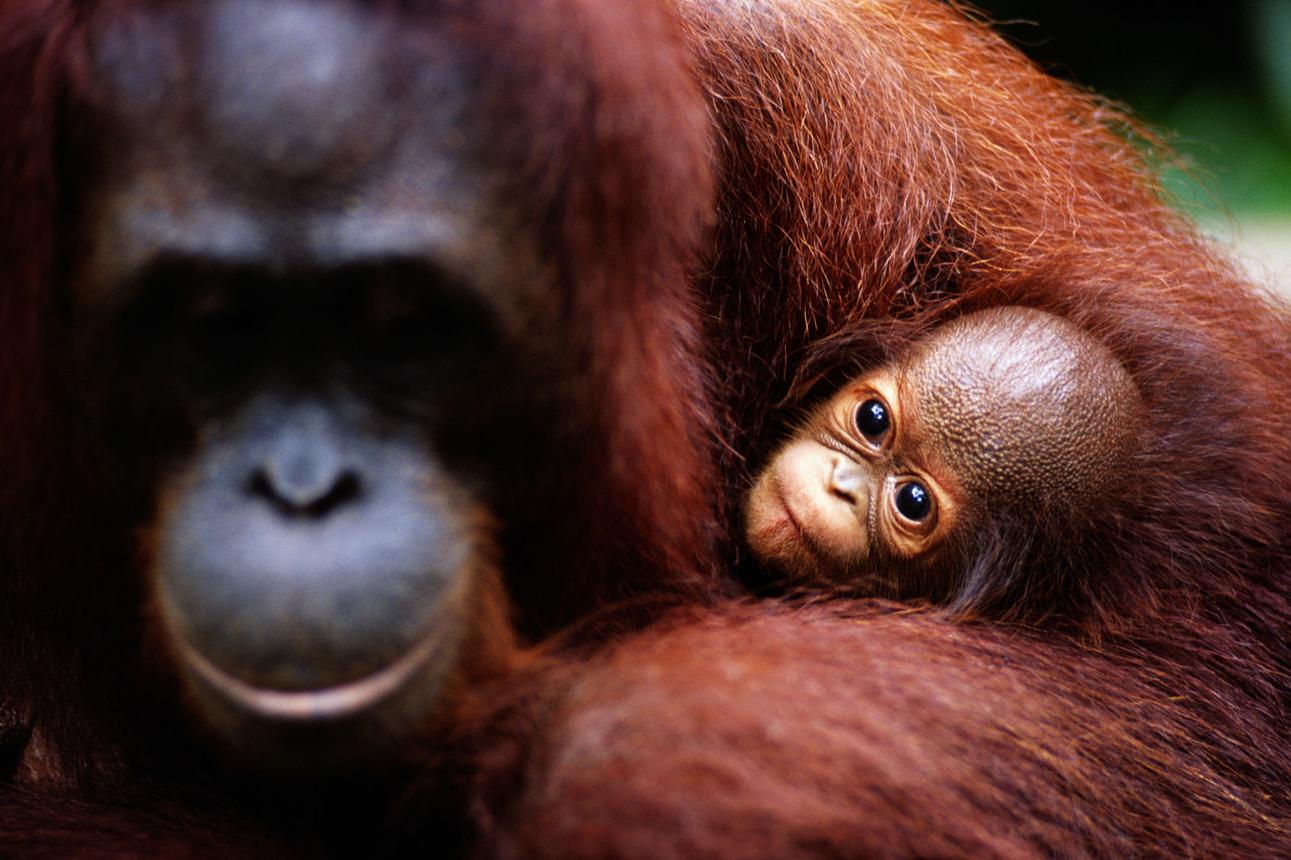
    Alt Text: Bornean orangutan mother carrying her young infant through a tropical rainforest canopy.

    Among all animals, orangutans have one of the longest childhoods outside humans.

    Young orangutans remain closely attached to their mothers for seven to nine years. During this time, they learn hundreds of survival skills that are essential for life in the rainforest.

    The mother teaches her offspring how to find seasonal fruits, identify edible plants, build sleeping nests high in trees, avoid predators, and navigate complex forest environments.

    Unlike many animals that rely mostly on instinct, orangutans depend heavily on learning.

    Because rainforest life is so challenging, young orangutans need years of instruction before becoming independent. This lengthy educational process makes orangutan mothers some of the most dedicated teachers in the animal kingdom.


    2. Cichlid Fish Turn Their Mouths into Nurseries

    Figure 2

    Alt Text: Female cichlid fish protecting baby fry inside her mouth underwater.

    Many fish provide little or no care for their offspring. Cichlids are a remarkable exception.

    Certain species practice a behavior known as mouthbrooding. After eggs are fertilized, one parent—often the mother—collects them inside the mouth.

    The eggs remain protected there while they develop.

    Even after hatching, tiny fry continue using the parent’s mouth as a safe shelter whenever danger approaches. At the first sign of a predator, dozens of babies may rush back inside.

    This unusual parenting strategy dramatically improves survival rates by providing a mobile refuge during the most vulnerable stage of life.


    3. Grebe Birds Give Their Chicks a Free Ride

    Figure 3

    Alt Text: Grebe parent swimming across a lake with chicks riding on its back.

    Grebes are aquatic birds found on lakes and wetlands around the world.

    Shortly after hatching, grebe chicks begin riding on their parents’ backs. The adults carefully transport them across open water while searching for food.

    The chicks often tuck themselves between the parent’s wings, remaining hidden and protected.

    This behavior reduces exposure to predators, prevents exhaustion, and helps young birds stay warm.

    Even more surprisingly, parents continue feeding the chicks while carrying them.

    The image of tiny birds riding on a parent’s back has become one of the most charming examples of childcare in the natural world.


    4. Elephant “Babysitters” Help Raise Calves

    Figure 4

    Alt Text: Young elephant calf surrounded by protective adult females in a herd.

    Elephants live in highly social family groups where parenting responsibilities are often shared.

    In addition to the mother, other females within the herd help care for calves. These helpers are known as allomothers.

    Allomothers may guard young elephants, assist them when crossing difficult terrain, and intervene when danger threatens.

    For first-time mothers, experienced relatives provide valuable support.

    Researchers believe this cooperative childcare system contributes significantly to the success of elephant populations. It also allows young females to gain parenting experience before having calves of their own.

    This shared approach to raising young is one of the most advanced forms of social childcare among mammals.


    5. Tasmanian Devils Compete for a Place in Mom’s Pouch

    Figure 5

    Alt Text: Tasmanian devil mother with tiny joeys developing inside her pouch.

    Tasmanian devils have a parenting challenge unlike almost any other mammal.

    A female may give birth to twenty or thirty tiny newborns at once. However, she possesses only four nipples inside her pouch.

    The newborns must race to reach the pouch immediately after birth. Once a baby attaches to a nipple, it may remain there for months.

    Because there are far more newborns than available feeding positions, only a few survive.

    Although this process seems harsh, it ensures that the strongest offspring receive the resources needed for healthy development.

    The competition begins almost immediately after birth, making Tasmanian devil parenting one of nature’s most unusual survival stories.


    6. Honey Bees Employ Dedicated Nursery Workers

    Figure 6

    Alt Text: Worker honey bees caring for larvae inside a honeycomb nursery.

    Honey bee colonies operate with remarkable efficiency, especially when caring for young.

    Specialized worker bees known as nurse bees are responsible for feeding and maintaining developing larvae.

    These workers inspect each larval cell, provide food, regulate temperature, and remove waste.

    Young larvae receive a nutrient-rich substance called royal jelly. Future queen bees receive even larger amounts, allowing them to develop differently from ordinary workers.

    Unlike most animals, parental care is not provided directly by parents but by thousands of related colony members.

    This collective childcare system has helped honey bees become one of the world’s most successful insect groups.


    7. Arctic Fox Parents Work Around the Clock

    Figure 7

    Alt Text: Arctic fox parents standing near a den with several playful pups.

    Life in the Arctic is difficult, especially for young animals.

    Arctic fox parents must raise pups in an environment characterized by freezing temperatures, limited food, and long periods of darkness.

    Both parents participate actively in childcare. While one adult guards the den, the other hunts for food.

    Foxes may travel many kilometers each day searching for prey to feed their growing family.

    The pups spend weeks inside the den before venturing outside. During this period, parents remain highly vigilant against predators such as wolves and birds of prey.

    The teamwork displayed by Arctic fox families is essential for survival in one of Earth’s harshest habitats.


    Why Animal Parenting Can Be So Different

    Animal parenting strategies evolve in response to environmental pressures.

    Species living in dangerous habitats often invest heavily in protection. Animals with complex diets or behaviors may devote years to teaching offspring. Social species frequently benefit from cooperative childcare.

    Each strategy reflects a balance between costs and benefits.

    Providing extensive parental care requires energy and time, but it often increases the chances that offspring will survive long enough to reproduce.

    Over millions of years, natural selection has shaped parenting behaviors that match the specific challenges faced by each species.


    Surprising Lessons From Animal Families

    Scientists studying animal parenting have discovered that many behaviors once considered uniquely human are widespread throughout nature.

    Teaching, cooperation, communication, adoption, and long-term family relationships occur in numerous species.

    Elephants support one another’s calves. Orangutans spend years educating offspring. Birds transport chicks on their backs, and fish carry babies in their mouths.

    These examples reveal that successful parenting takes many forms.

    Although animals differ greatly from humans, they often face similar challenges when raising the next generation.


    The Importance of Protecting Animal Families

    Conservation efforts frequently focus on protecting adult animals, but safeguarding family groups is equally important.

    When habitats are destroyed or populations decline, parenting behaviors can be disrupted.

    Species that rely on long learning periods, cooperative care, or specialized nesting sites may struggle to reproduce successfully.

    Protecting breeding grounds, migration routes, and social structures helps ensure that future generations can continue these remarkable parenting traditions.

    Understanding animal childcare also deepens our appreciation for the complexity of wildlife and the importance of preserving biodiversity.


    Conclusion

    The animal kingdom contains countless examples of extraordinary parenting. Orangutan mothers spend years teaching survival skills, cichlid fish carry babies inside their mouths, and grebe birds transport chicks on their backs.

    Elephants rely on cooperative babysitters, Tasmanian devils face intense competition for pouch space, honey bees employ dedicated nursery workers, and Arctic foxes work tirelessly to raise pups in one of the world’s toughest environments.

    These fascinating stories remind us that parenting is one of nature’s most powerful forces. Whether through sacrifice, cooperation, protection, or education, animals have evolved countless ways to help their young survive.

    Their remarkable efforts continue to inspire scientists and wildlife enthusiasts while revealing the incredible diversity of life on Earth.

  • Tiny Babies, Huge Challenges: The Hardest Childhoods in the Animal Kingdom

    Tiny Babies, Huge Challenges: The Hardest Childhoods in the Animal Kingdom

    Strange Stories About Animals During Child Rearing: Nature’s Most Extraordinary Parenting Secrets

    Parenting is one of the most important challenges in the animal kingdom. Every species faces the same fundamental problem: how to help the next generation survive long enough to reproduce. Over millions of years, evolution has produced some astonishing solutions.

    While many animals follow familiar parenting patterns, others have developed behaviors so unusual that they seem almost impossible. Some fathers become full-time caregivers. Some mothers carry babies in unexpected places. Others rely on entire communities to raise offspring.

    These remarkable stories reveal just how creative nature can be when it comes to protecting and nurturing young animals.

    Let’s explore some of the strangest examples of child rearing found anywhere on Earth.


    1. The Surinam Toad Carries Babies Inside Her Back

    Figure 1

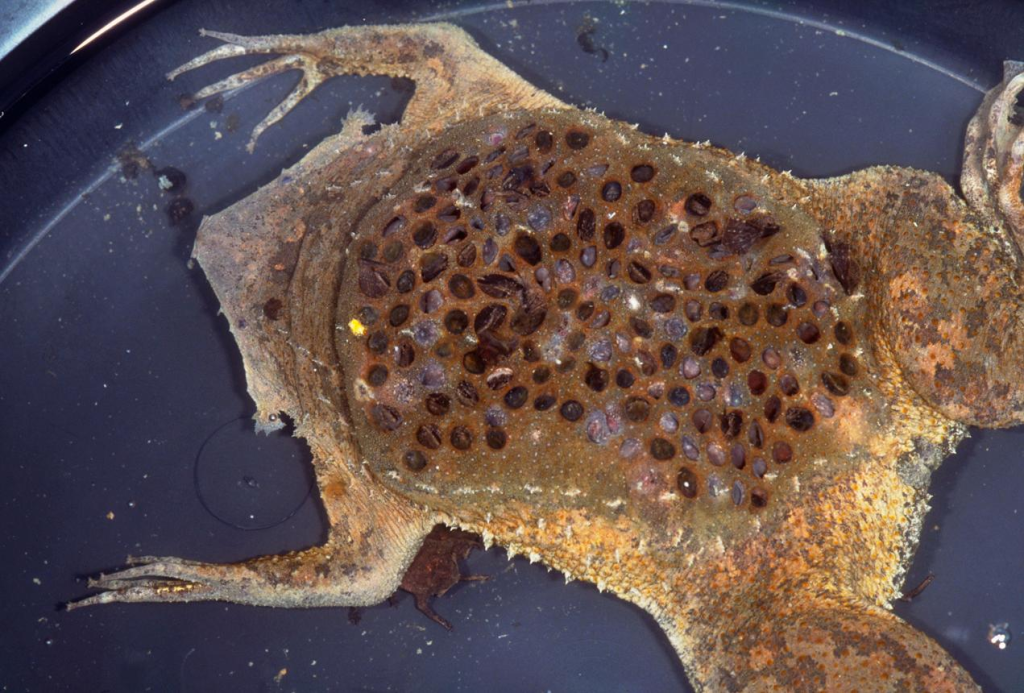
    Alt Text: Female Surinam toad with developing young embedded in pockets on her back.

    One of the strangest parenting stories in the animal kingdom belongs to the Surinam toad of South America.

    Unlike most frogs and toads, this species does not simply lay eggs and leave them behind. During reproduction, the male helps place fertilized eggs onto the female’s back.

    Over time, the skin grows around each egg, creating dozens of individual pockets. The developing young remain safely embedded inside the mother’s back for several months.

    Inside these tiny chambers, the embryos continue growing until they become fully formed young toads.

    Eventually, miniature toads emerge from the mother’s skin and enter the surrounding water.

    The unusual sight of babies literally growing inside pockets on their mother’s back makes the Surinam toad one of nature’s most bizarre parents.


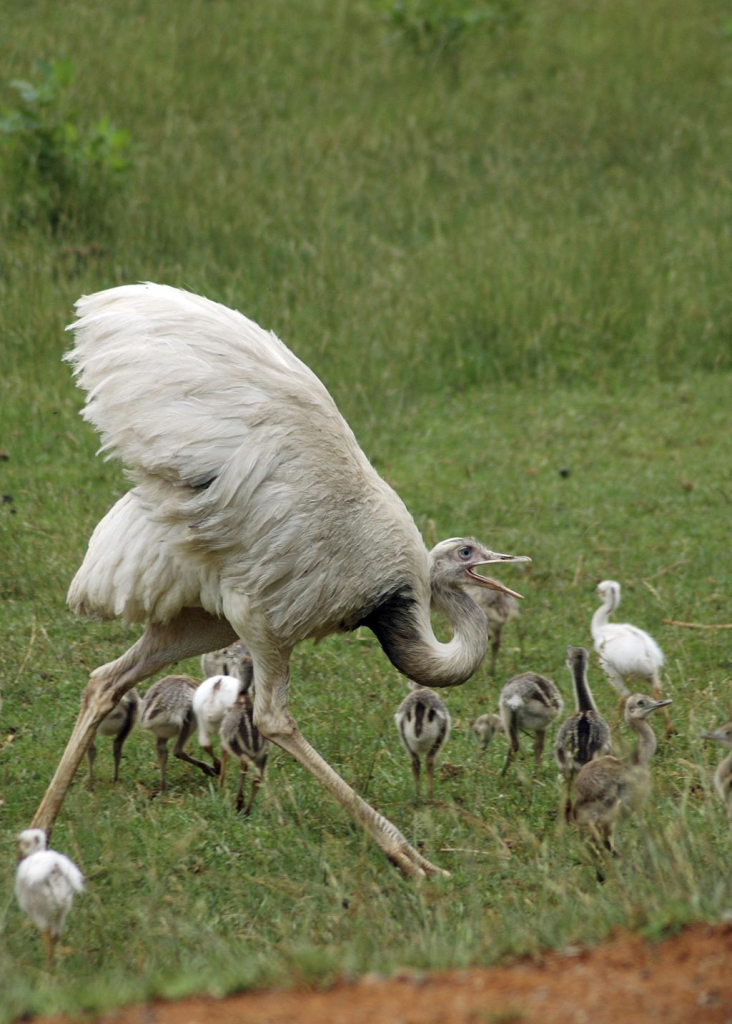
    2. Male Rheas Become Single Fathers

    Figure 2

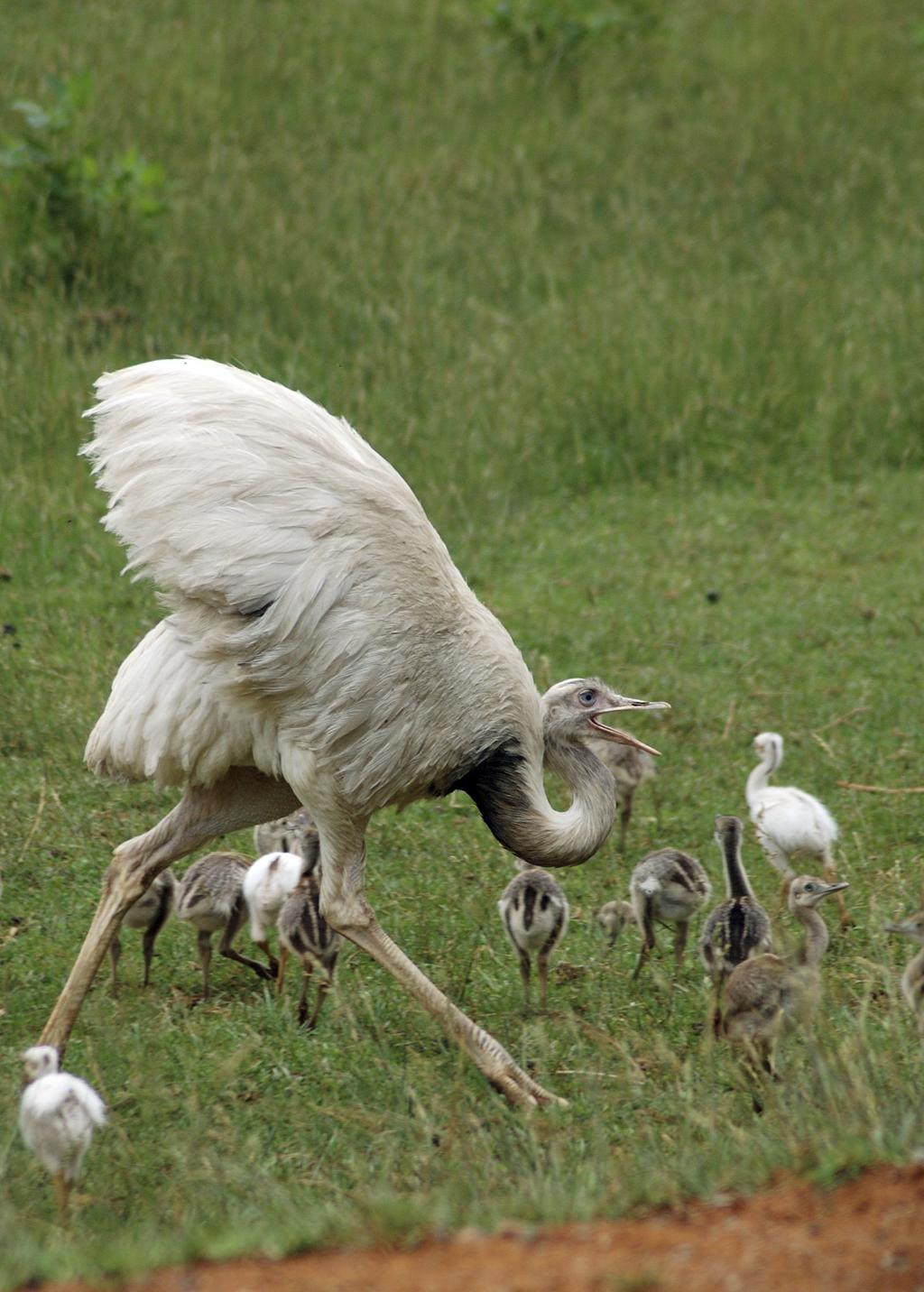
    Alt Text: Male rhea bird walking across grassland while leading a large group of chicks.

    In many bird species, mothers play a major role in raising offspring. Rheas, large flightless birds from South America, follow a very different approach.

    After mating with multiple females, the male builds a nest and gathers eggs from several partners. Once the eggs are laid, the females often leave.

    The father takes over completely.

    He incubates the eggs for several weeks, rarely leaving the nest. After the chicks hatch, he becomes their sole protector and guide.

    A single father may care for dozens of chicks at once. He aggressively defends them against predators and teaches them how to find food.

    This unusual parenting system makes rheas one of the few animals where fathers perform nearly all childcare duties.


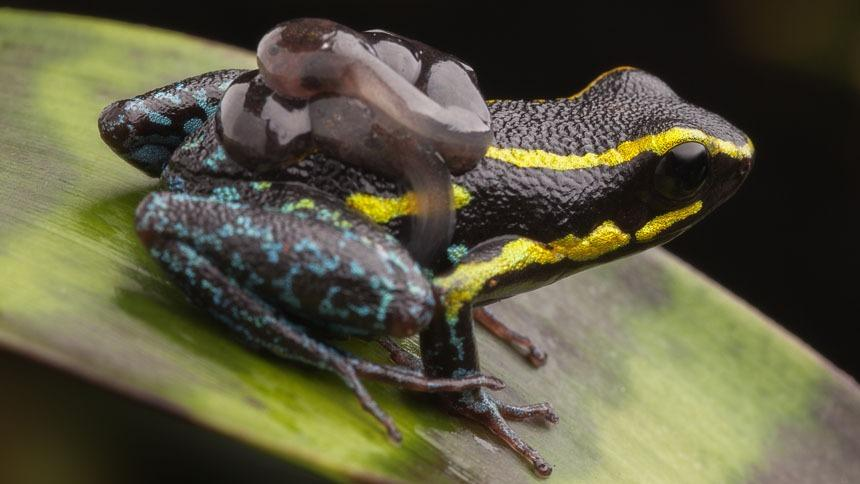
    3. Poison Frogs Give Each Tadpole Its Own Nursery

    Figure 3

    Alt Text: Poison frog carrying a tadpole on its back through a tropical rainforest.

    Certain poison frogs from Central and South America display extraordinary dedication to their young.

    After eggs hatch, one parent carefully transports the tadpoles on its back. The journey may require climbing trees and navigating dense rainforest vegetation.

    Instead of placing all tadpoles in the same pond, the parent deposits each one into a separate pool of water held inside plant leaves.
    These miniature pools act as private nurseries.

    In some species, the mother regularly visits each tadpole and lays unfertilized eggs as food.

    This remarkable level of personalized care is rare among amphibians and demonstrates an impressive commitment to offspring survival.


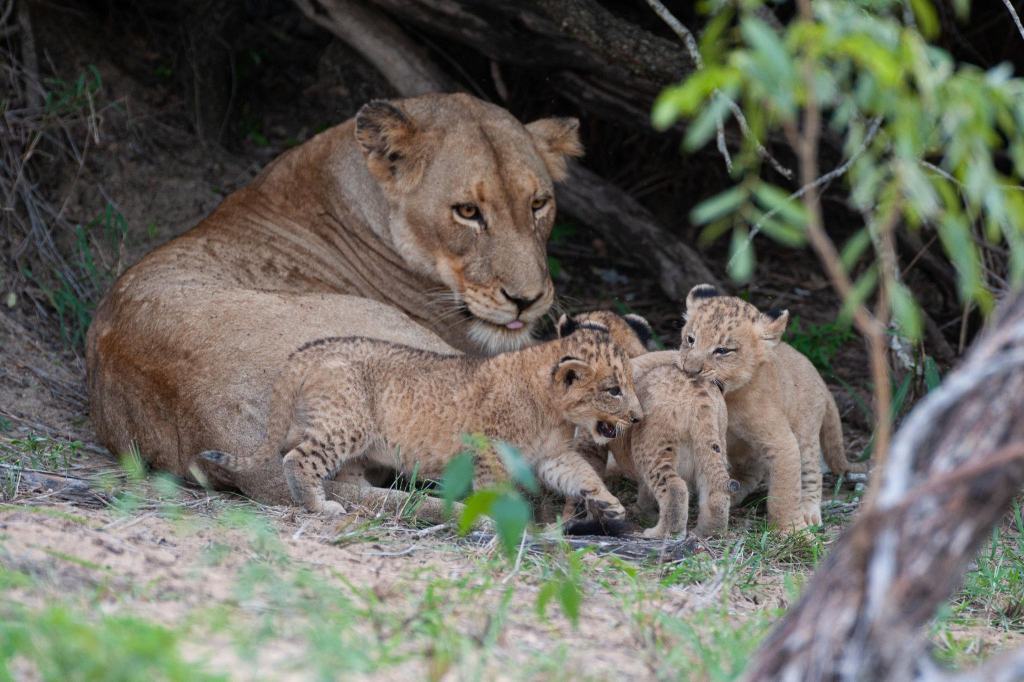
    4. Lionesses Raise Cubs Together

    Figure 4

    Alt Text: Several lionesses resting together while watching over young cubs.

    Lions have developed one of the most cooperative parenting systems among large predators.

    Female lions living in the same pride often give birth around the same time. Instead of raising cubs separately, they frequently share responsibilities.

    Mothers may nurse one another’s cubs and take turns guarding the young.

    This communal approach provides several advantages. Cubs receive protection from multiple adults and benefit from increased access to milk and supervision.

    If one mother is hunting, another may watch over the entire group of youngsters.

    The result is a childcare system that resembles a cooperative nursery.


    5. Pigeons Produce “Milk” for Their Babies

    Figure 5

    Alt Text: Adult pigeon feeding crop milk to a young chick inside a nest.

    Many people are surprised to learn that pigeons produce a milk-like substance.

    After chicks hatch, both parents generate a nutrient-rich secretion known as crop milk. Unlike mammalian milk, this material is produced within the crop, a specialized section of the digestive system.

    The substance contains proteins, fats, and beneficial nutrients essential for rapid growth.

    Parents feed crop milk directly to their chicks during the first days of life.

    Without this unique food source, young pigeons would struggle to survive.

    The ability of both male and female pigeons to produce milk-like nourishment makes them highly unusual among birds.


    6. Leafcutter Ant Colonies Raise Young Collectively

    Figure 6

    Alt Text: Leafcutter ant workers caring for larvae inside an underground colony.

    Leafcutter ants demonstrate one of nature’s most advanced examples of collective childcare.

    Within a colony, thousands or even millions of individuals work together to raise young.

    Worker ants carefully transport larvae, clean them, protect them, and regulate environmental conditions within the nest.

    Different groups specialize in different tasks. Some gather leaves, others cultivate fungus gardens, and others focus entirely on childcare.

    The queen lays eggs, but worker ants handle most parental responsibilities.

    This highly organized system allows colonies to raise enormous numbers of offspring successfully.

    It also demonstrates how social cooperation can replace traditional family-based parenting.


    7. Black-Backed Jackals Form Strong Family Teams

    Figure 7

    Alt Text: Black-backed jackal parents standing near a den with young pups.

    Black-backed jackals of Africa are known for forming strong pair bonds and highly cooperative family units.

    Unlike many predators, both parents actively participate in raising pups.

    The father provides food, guards the den, and protects the family from danger. As pups grow, older siblings may also assist with childcare.

    Young jackals learn important survival skills through observation and play.

    The combined effort of multiple family members significantly improves the pups’ chances of survival.

    This teamwork highlights the benefits of shared parenting in challenging environments.


    Why Strange Parenting Behaviors Evolved

    The diversity of parenting strategies found in animals reflects the incredible variety of environments and challenges they face.

    Some species live in habitats filled with predators. Others must cope with harsh climates, limited food supplies, or complex social structures.

    Natural selection favors behaviors that increase offspring survival.

    As a result, animals have evolved solutions ranging from carrying babies inside skin pockets to producing specialized food and creating cooperative childcare networks.

    What may seem unusual to humans often represents an elegant evolutionary adaptation.


    The Importance of Parenting in Animal Survival

    For many species, raising offspring requires enormous investments of time and energy.

    Parents may sacrifice feeding opportunities, risk exposure to predators, or devote months or years to teaching young animals essential skills.

    These efforts improve survival rates and ensure that valuable genetic traits continue into future generations.

    Scientists increasingly recognize that successful parenting plays a critical role in shaping animal behavior, social systems, and population dynamics.

    The remarkable diversity of parental care strategies demonstrates how important child rearing is throughout the natural world.


    Lessons From Nature’s Parents

    Studying animal parenting provides insights far beyond wildlife biology.

    Researchers learn about cooperation, communication, learning, and social organization by observing how animals raise their young.

    Whether it is a poison frog delivering food to individual tadpoles or a lioness caring for another mother’s cubs, these behaviors reveal sophisticated solutions to common challenges.

    They also remind us that nurturing and protection are not uniquely human traits.

    Across the planet, animals display extraordinary dedication to the next generation.


    Conclusion

    The animal kingdom contains countless examples of strange and fascinating parenting behaviors. Surinam toads carry babies in their backs, male rheas become single fathers, and poison frogs transport tadpoles to individual nurseries.

    Lionesses cooperate to raise cubs, pigeons produce milk-like food, leafcutter ants operate massive childcare systems, and black-backed jackals rely on teamwork to raise healthy pups.

    These extraordinary stories reveal the creativity of evolution and the remarkable lengths animals will go to ensure their offspring survive.

    Whether through sacrifice, cooperation, protection, or innovation, animal parents continue to amaze scientists and wildlife enthusiasts alike. Their stories offer a fascinating glimpse into one of nature’s most important and enduring responsibilities: raising the next generation.

  • Nature’s Most Overprotective Parents: Extraordinary Animal Childcare Stories

    Nature’s Most Overprotective Parents: Extraordinary Animal Childcare Stories

    Strange Stories About Animals During Child Rearing: The Weirdest Parenting Behaviors in Nature

    Nature is full of extraordinary parenting stories that often seem stranger than fiction. While many animals simply lay eggs or give birth and move on, others invest enormous time, energy, and even personal risk into raising their young. Across oceans, forests, grasslands, and polar regions, animals have evolved unique child-rearing strategies that help ensure the survival of the next generation.

    Some parents carry babies everywhere they go. Others seal themselves inside nests for months. A few species even allow fathers to take on responsibilities usually associated with mothers. These remarkable behaviors demonstrate the incredible diversity of life on Earth and reveal how far animals will go to protect their offspring.

    Let’s explore some of the most fascinating and unusual stories about animal parenting.

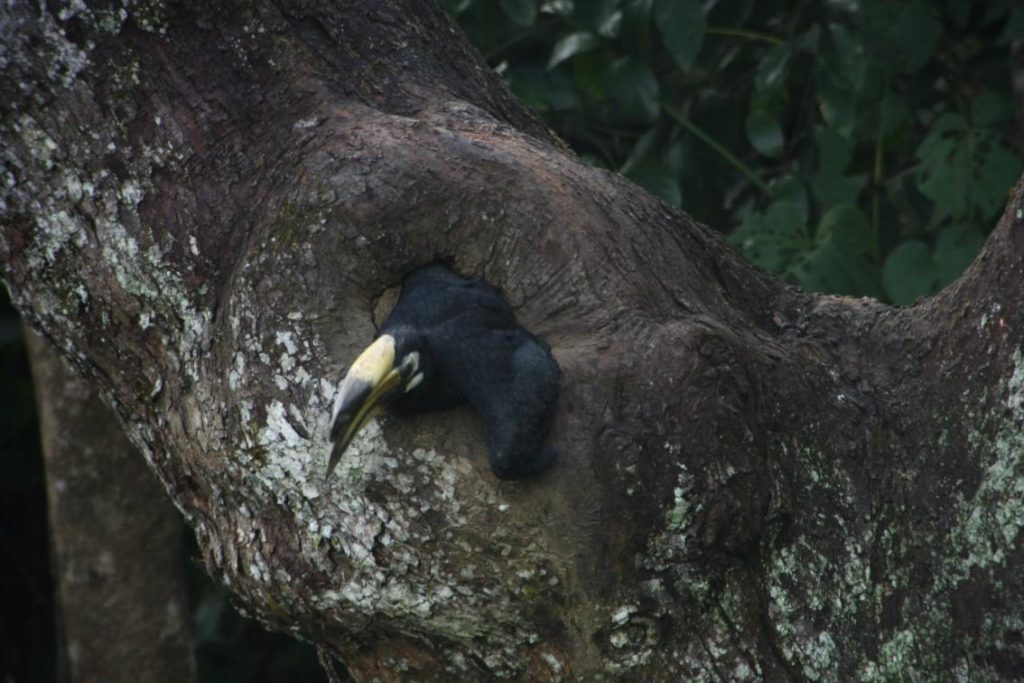
    1. Hornbill Mothers Seal Themselves Inside a Tree

    Figure 1

    Alt Text: Female hornbill bird peeking through a narrow opening in a sealed tree nest while feeding chicks.

    One of the strangest parenting strategies in the bird world belongs to hornbills.

    When breeding season arrives, the female enters a natural cavity inside a tree trunk. The male then helps seal the entrance using mud, fruit pulp, and droppings. Eventually, only a narrow slit remains open.

    Inside this secure chamber, the female lays eggs and raises her chicks. She remains trapped for weeks or even months while incubating eggs and caring for hatchlings.

    The male becomes the sole provider during this period. He repeatedly visits the nest opening and passes food through the tiny slit.

    This unusual arrangement protects the vulnerable family from predators such as snakes and monkeys. Although it seems extreme, the strategy has proven highly successful for many hornbill species.


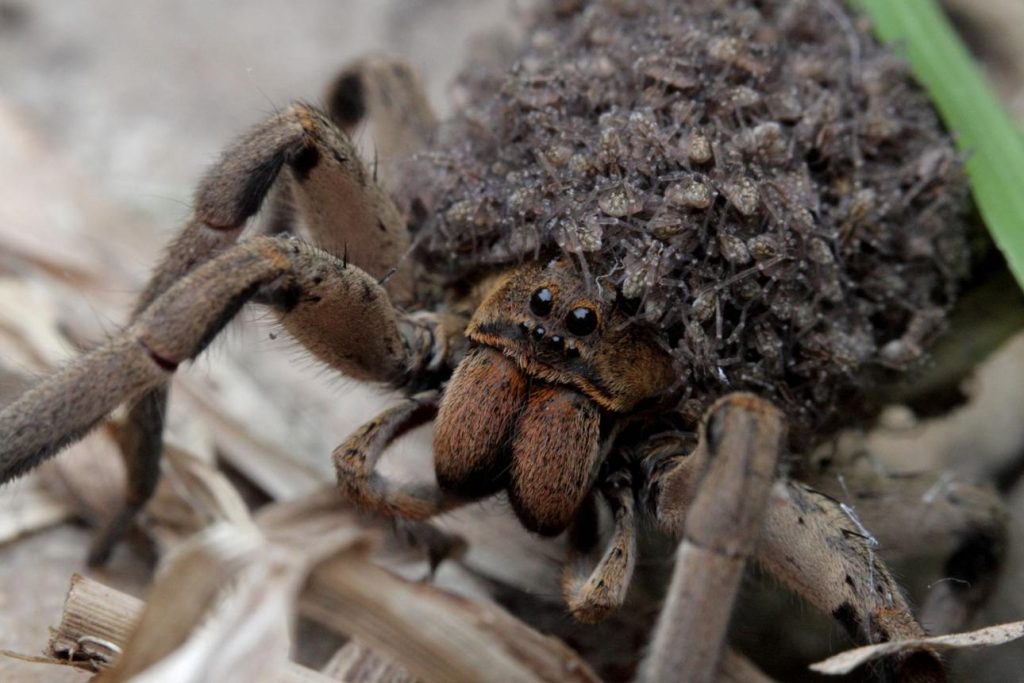
    2. Wolf Spiders Carry Hundreds of Babies

    Figure 2

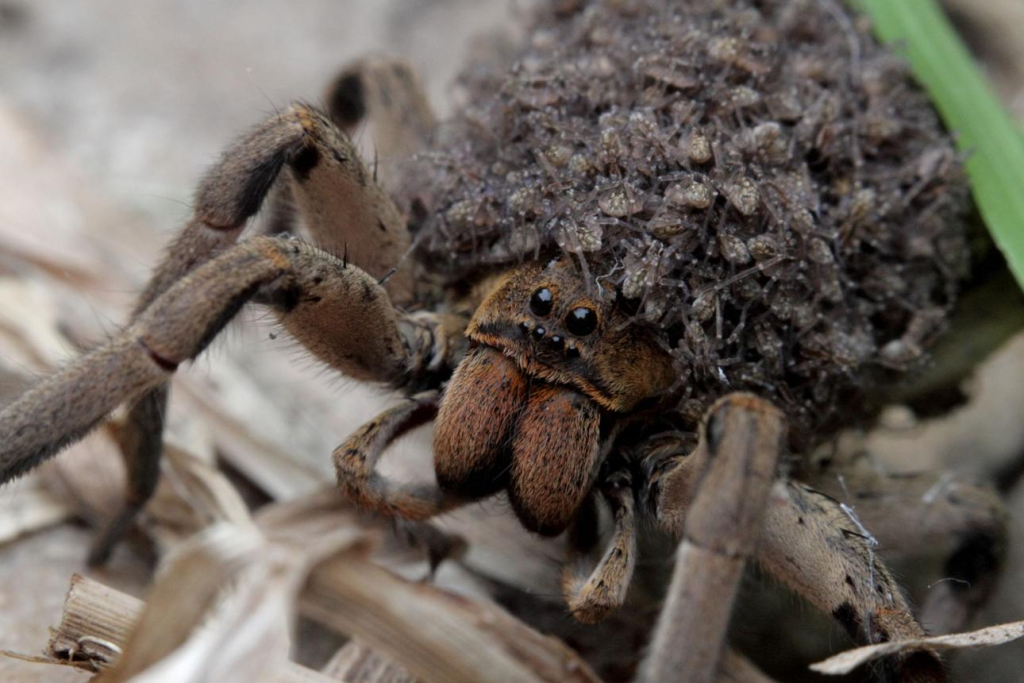
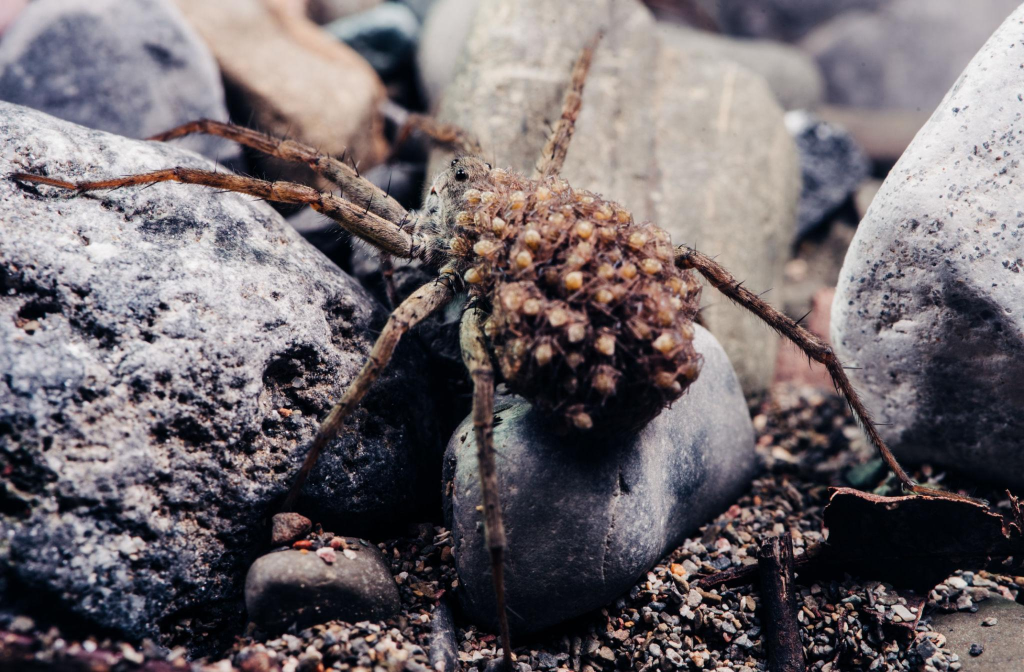
    Alt Text: Female wolf spider carrying dozens of baby spiderlings on her back.

    Most spiders receive a reputation for being solitary creatures, but wolf spiders are surprisingly attentive mothers.

    After laying eggs, the female wraps them in a silk egg sac and attaches it to her body. Wherever she goes, the eggs travel with her.

    When the spiderlings hatch, they climb onto their mother’s back. A single female may carry dozens or even hundreds of babies at once.

    For days or weeks, the young remain there, protected from predators and environmental dangers. The mother continues hunting and moving normally despite carrying her living cargo.

    The sight of a spider covered with tiny offspring may appear strange, but it represents one of nature’s most impressive examples of maternal care among invertebrates.


    3. Giant Water Bug Fathers Become Living Nurseries

    Figure 3

    Alt Text: Male giant water bug carrying dozens of eggs attached to its back in a freshwater pond.

    In many species, mothers care for eggs. Giant water bugs reverse this pattern completely.

    After mating, the female deposits eggs directly onto the male’s back. The father then becomes a living nursery.

    For several weeks, he protects the eggs from predators and ensures they receive enough oxygen. He frequently moves near the water’s surface and carefully adjusts his position to keep the eggs healthy.

    Carrying dozens of eggs can make swimming more difficult and increase the risk of predation, yet the father continues his duties until the young hatch.

    This unusual role reversal makes giant water bugs one of the most fascinating insect parents on Earth.


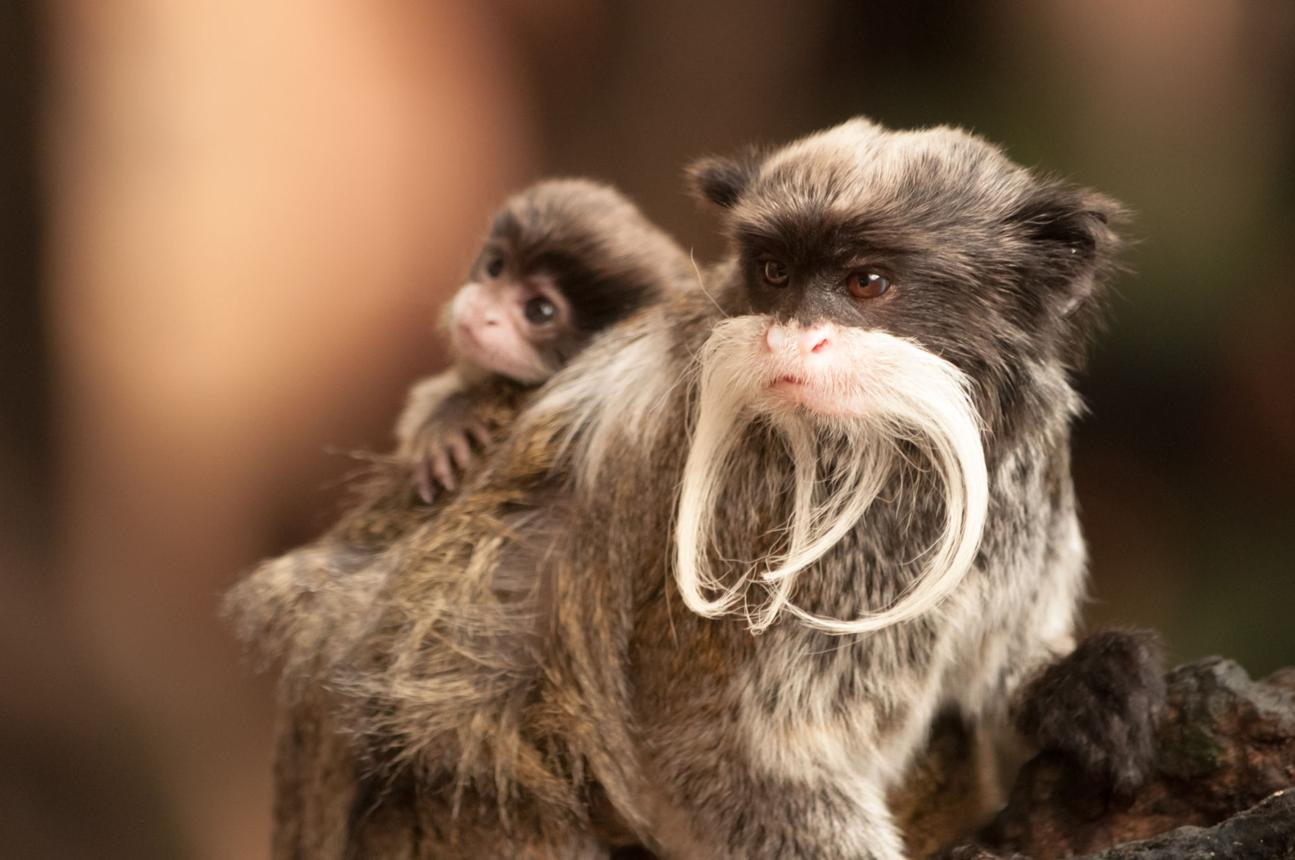
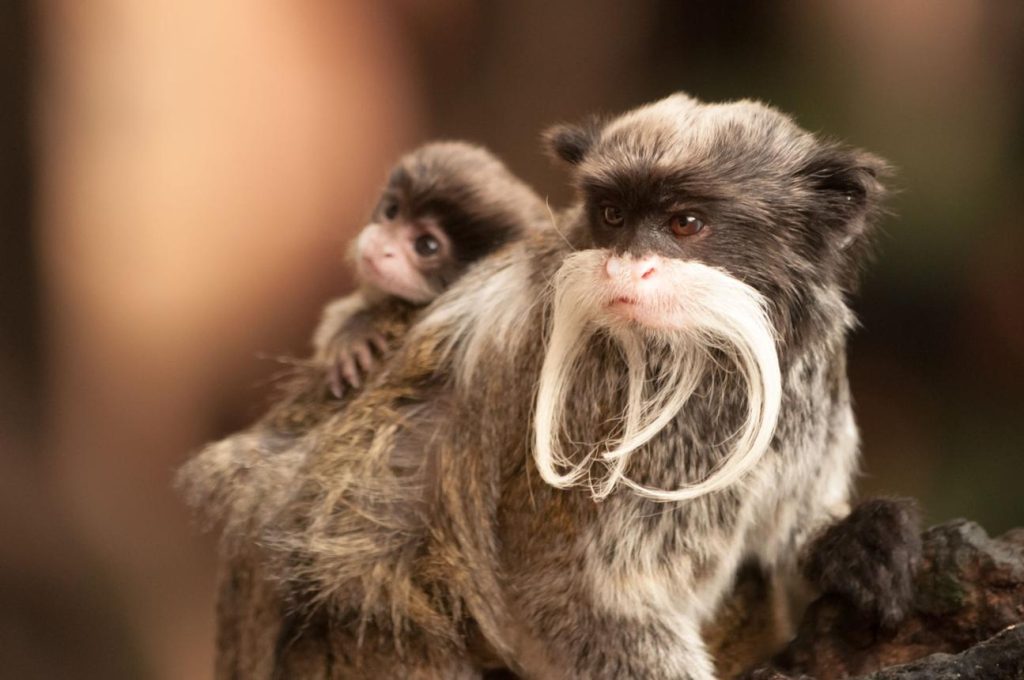
    4. Emperor Tamarins Share Childcare Responsibilities

    Figure 4

    Alt Text: Emperor tamarin father carrying infant twins through a tropical rainforest.

    Emperor tamarins are small monkeys with impressive white mustaches and a remarkable approach to parenting.

    These primates often give birth to twins, which can be challenging for mothers to raise alone. To solve this problem, fathers take on a major share of childcare.

    Within days of birth, infants spend much of their time riding on their father’s back. He carries them through the forest, protects them, and helps them explore their surroundings.

    Older siblings and other relatives may also participate in childcare. This cooperative system allows mothers to focus on feeding while the rest of the family helps raise the young.

    The result is one of the most successful team-based parenting systems among primates.


    5. Orca Mothers Care for Their Sons for Life

    Figure 5

    Alt Text: Orca mother swimming closely beside her growing calf in the ocean.

    Most animals eventually become independent from their parents. Orcas, however, often maintain family bonds throughout their lives.
    Male orcas may remain closely associated with their mothers for decades. Research suggests that mothers continue helping their adult sons find food and navigate social relationships.
    These long-term family connections are extremely rare in the animal kingdom.
    Young calves also receive extensive care during their early years. Mothers teach hunting techniques, communication skills, migration routes, and social behaviors.

    The strong relationship between orca mothers and offspring demonstrates that parenting can extend far beyond childhood.


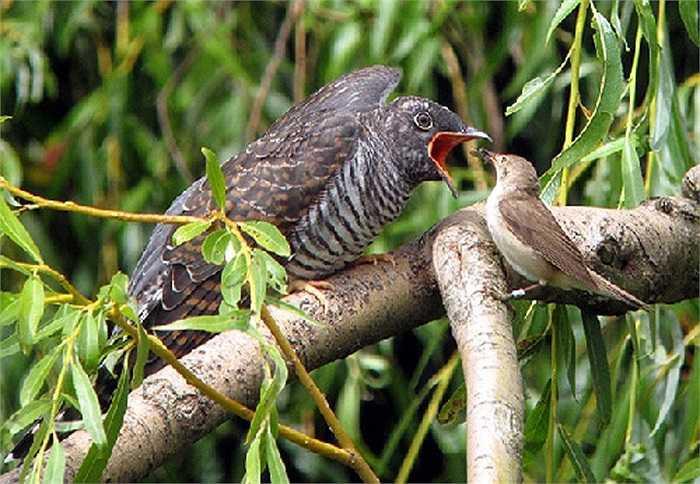
    6. Cuckoo Chicks Outsource Parenting

    Figure 6

    Alt Text: Young cuckoo chick being fed by a smaller foster parent bird in a nest.

    The common cuckoo has developed one of the strangest reproductive strategies in nature.

    Instead of building its own nest and raising young, a female cuckoo lays eggs in the nests of other bird species. This behavior is known as brood parasitism.

    After hatching, the cuckoo chick often pushes the host bird’s eggs or chicks out of the nest. It then receives all the food and attention from foster parents that are not actually related to it.

    The unsuspecting adoptive parents work tirelessly to feed a chick that may grow much larger than themselves.

    Although unusual and sometimes harsh, this strategy allows cuckoos to produce more offspring while avoiding the demands of traditional parenting.


    7. King Penguins Never Lose Track of Their Chicks

    Figure 7

    Alt Text: King penguin parent recognizing and reuniting with its chick among a large colony.

    King penguins breed in enormous colonies containing thousands of birds. Finding one chick among such crowds seems nearly impossible.

    Yet parents and chicks recognize each other through unique vocal calls.

    When adults return from feeding trips at sea, they use distinctive sounds to locate their offspring. Chicks respond with their own calls, allowing families to reunite even within dense colonies.

    This remarkable communication system prevents confusion and ensures that the correct chick receives food.

    Without such recognition abilities, raising young in massive groups would be extremely difficult.


    Why Animal Parenting Takes So Many Different Forms

    The incredible variety of parenting behaviors seen in animals is the result of millions of years of evolution.

    Each species faces unique challenges. Some live in dangerous environments filled with predators. Others inhabit regions where food is scarce or seasonal.

    As a result, animals develop parenting strategies that maximize the survival of their offspring.

    For some species, protection is the highest priority. Others emphasize teaching, cooperation, transportation, or long-term family support.

    There is no single “correct” way to raise young in nature. Instead, evolution produces solutions that work best for each environment and lifestyle.


    Surprising Similarities Between Animal and Human Parenting

    Although animal parenting often appears strange, many behaviors resemble aspects of human family life.

    Teaching skills, protecting children, sharing responsibilities, cooperating with relatives, and making sacrifices for offspring are common themes across many species.

    Scientists increasingly recognize that parental care is one of the most important factors influencing survival and social development.

    The emotional bonds observed in some mammals and birds also suggest that caregiving behaviors can be surprisingly complex.

    While animals do not parent exactly as humans do, many demonstrate dedication and commitment that seem remarkably familiar.


    Conclusion

    The animal kingdom is filled with extraordinary child-rearing stories. Hornbill mothers seal themselves inside nests, wolf spiders carry hundreds of babies on their backs, and giant water bug fathers become living incubators.

    Emperor tamarins rely on family teamwork, orca mothers support offspring for decades, cuckoos outsource childcare entirely, and king penguins use unique vocal signatures to find their chicks among thousands.

    These remarkable parenting strategies reveal the creativity of evolution and the countless ways life has adapted to ensure survival. Whether through sacrifice, cooperation, protection, or innovation, animals continue to amaze us with the extraordinary lengths they go to care for the next generation.

    Their stories remind us that parenting is one of nature’s most powerful forces, shaping the lives of creatures great and small across the planet.

  • Born to Teach: Animals That Train Their Babies for Survival

    Born to Teach: Animals That Train Their Babies for Survival

    Strange Stories About Animals During Child Rearing: The Most Unusual Parents in Nature

    The animal kingdom is full of surprises, especially when it comes to raising young. While humans often think of parenting as a uniquely complex responsibility, countless animal species display remarkable dedication to their offspring. Some parents make incredible sacrifices, others develop strange feeding techniques, and a few even risk their lives to ensure their babies survive.

    Scientists continue to discover fascinating examples of animal parenting that challenge our understanding of intelligence, cooperation, and family bonds. Across oceans, forests, deserts, and wetlands, animals have evolved extraordinary child-rearing strategies perfectly suited to their environments.

    Here are some of the strangest and most fascinating stories about animals during child rearing.

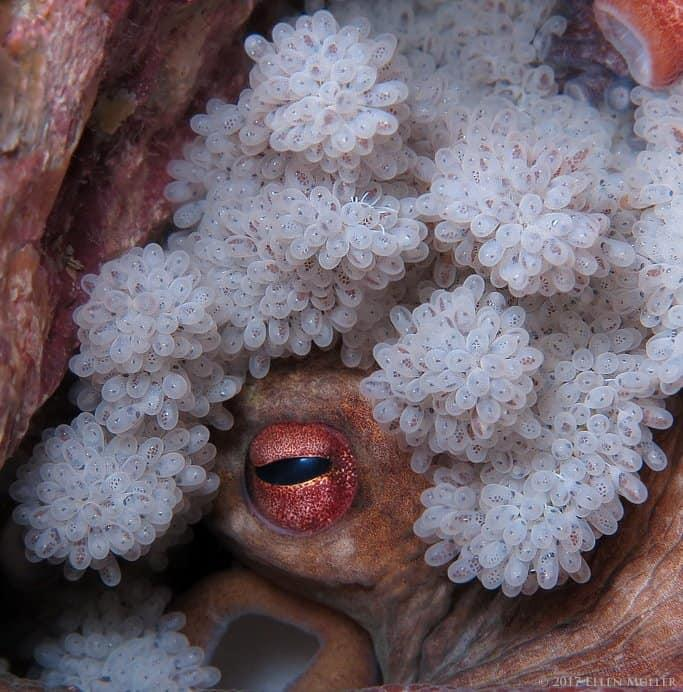
    1. Octopus Mothers Sacrifice Everything for Their Babies

    Figure 1

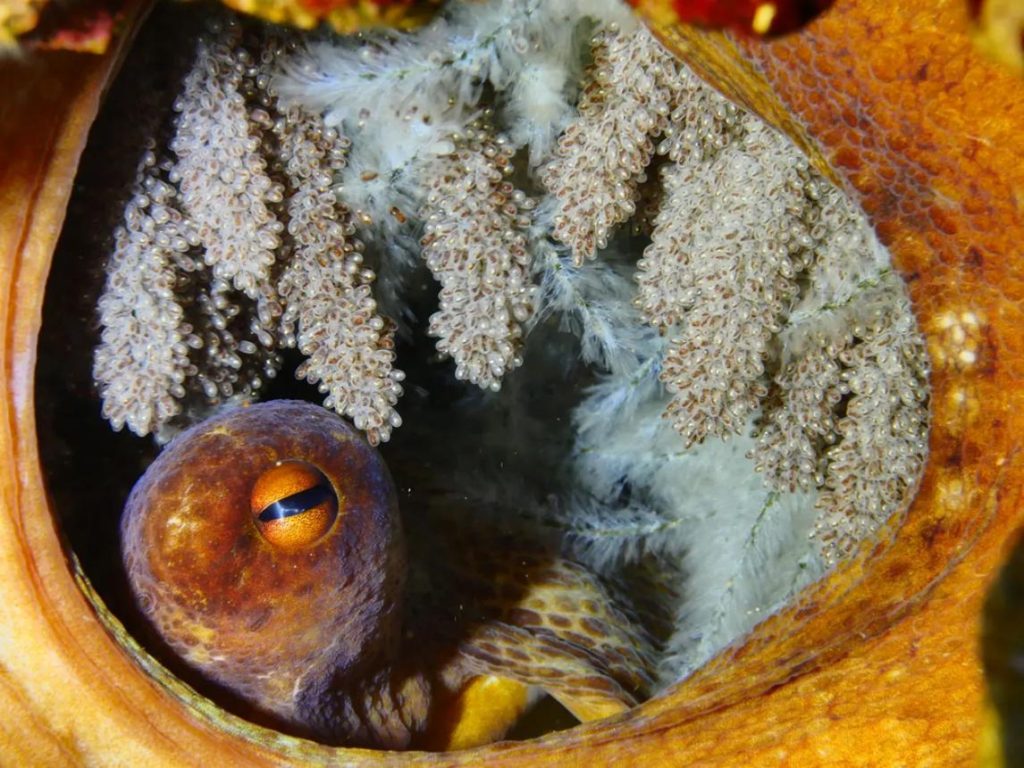
    Alt Text: Female octopus guarding thousands of eggs attached beneath a rocky ocean cave.

    Among the most dramatic parenting stories in nature belongs to the octopus.

    After mating, a female octopus lays thousands of eggs inside a protected underwater den. Once the eggs are attached to rocks or cave walls, she begins an extraordinary period of care.

    For months, she rarely leaves the nest. Instead, she continuously cleans the eggs, removes harmful debris, and gently fans them with water to provide oxygen. During this time, she often stops eating entirely.

    As the eggs approach hatching, the mother becomes increasingly weak from starvation. In many species, she dies shortly after the young emerge.

    Her final months are devoted entirely to protecting the next generation. This ultimate sacrifice ensures that her offspring have the best possible chance of survival.


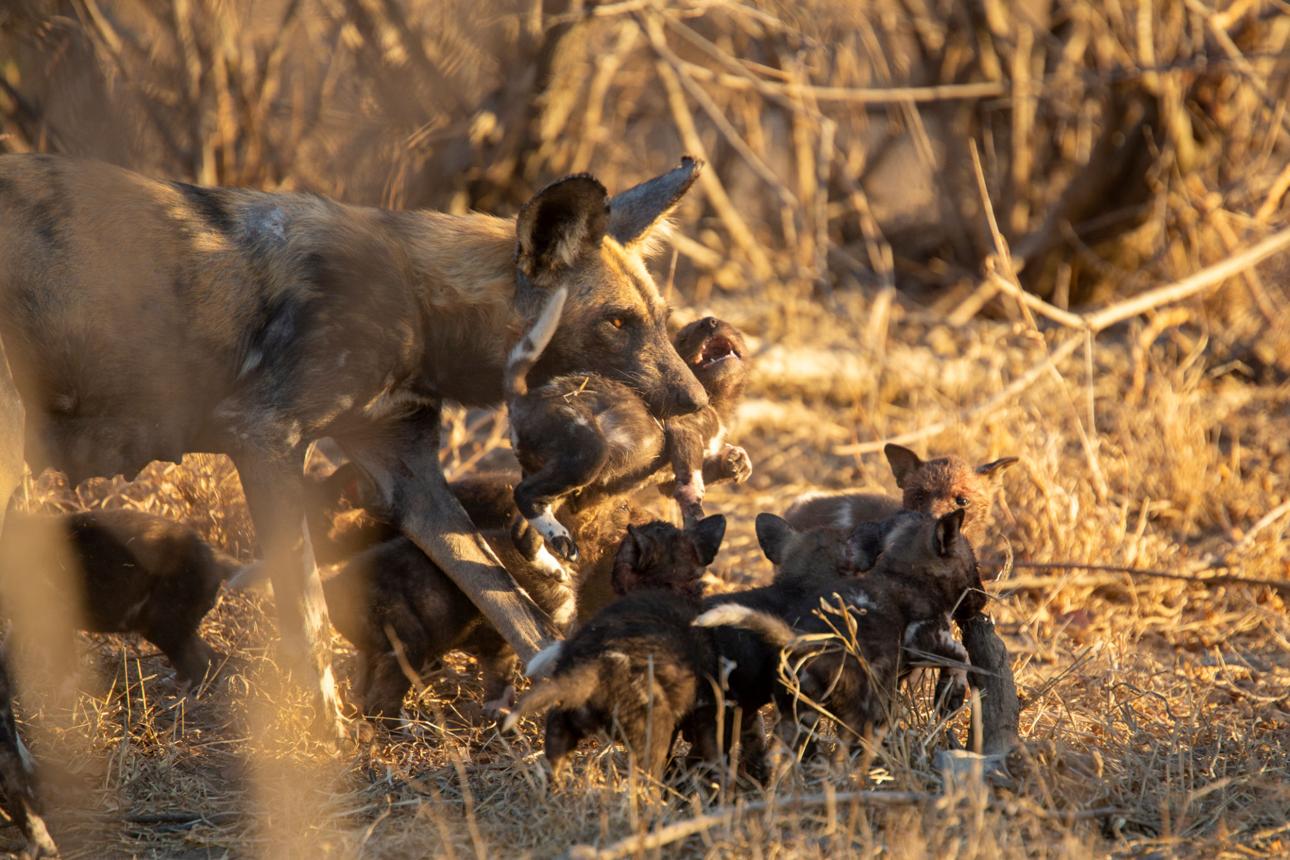
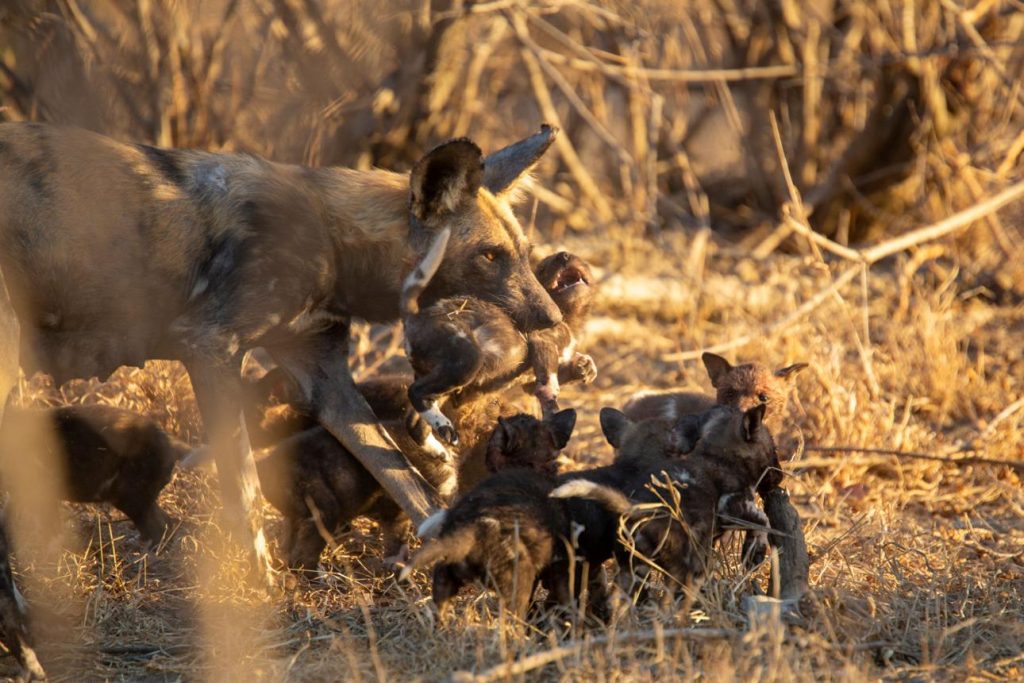
    2. African Wild Dogs Raise Puppies as a Team

    Figure 2

    Alt Text: African wild dog pack gathered around young puppies at a den entrance.

    African wild dogs are among the most cooperative animals on Earth.

    Unlike many predators, these social hunters raise puppies collectively. Every member of the pack contributes to caring for the young.

    When adults return from a hunt, they often regurgitate food specifically for nursing mothers and growing pups. Older siblings help babysit, guard the den, and even entertain younger animals through play.

    This cooperative system allows puppies to grow rapidly and learn important social behaviors.

    Because the entire pack invests in the success of the next generation, wild dog families achieve a level of teamwork rarely seen among mammals.


    3. Flamingos Produce a Special “Milk”

    Figure 3

    Alt Text: Adult flamingo feeding a young chick with nutrient-rich crop milk near a wetland.

    Flamingos are famous for their bright pink feathers, but their parenting behavior is equally remarkable.

    After chicks hatch, both parents feed them a nutrient-rich substance called crop milk. Unlike mammalian milk, this liquid is produced inside the digestive tract.

    The red-colored fluid contains fats, proteins, and immune-supporting compounds that help chicks grow rapidly.

    For several weeks, flamingo parents devote much of their energy to producing this specialized food. The feeding process creates a strong bond between parents and offspring.

    Many people are surprised to learn that birds can produce a milk-like substance, making flamingo parenting one of nature’s strangest childcare strategies.


    4. Burying Beetles Create Underground Nurseries

    Figure 4

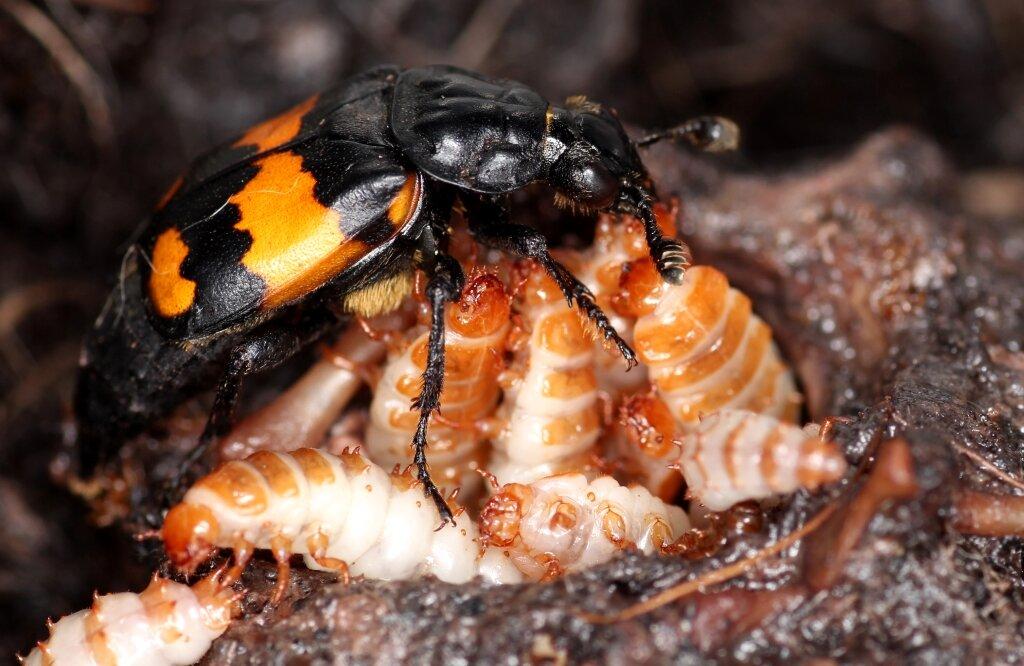
    Alt Text: Burying beetle parents caring for larvae on a small animal carcass underground.

    Burying beetles may not seem like ideal parents, but they display surprisingly advanced family behavior.

    These insects locate the body of a small dead animal such as a mouse or bird. Working together, the parents bury the carcass underground and prepare it as a nursery.

    After eggs hatch, the adults remain with the larvae and provide food directly to them. They clean the nursery, defend it from intruders, and even remove unhealthy offspring to protect the rest of the brood.

    This level of parental involvement is extremely rare among insects.

    Scientists often study burying beetles because their family interactions resemble parental care behaviors found in much larger animals.


    5. Marmoset Fathers Carry Babies Almost Constantly

    Figure 5

    Alt Text: Common marmoset father carrying twin infants on his back in a tropical forest.

    Many primates rely heavily on maternal care, but marmosets take a different approach.

    These small monkeys often give birth to twins, creating a demanding workload for the family. To help, fathers become the primary carriers of newborns.

    The babies spend much of their time clinging to their father’s back. He transports them through the forest, protects them from danger, and only returns them to the mother when feeding is necessary.

    Other family members frequently assist as well.

    This cooperative childcare system allows mothers to conserve energy while ensuring that infants receive constant protection and attention.


    6. Alligator Mothers Respond to Their Babies’ Calls

    Figure 6

    Alt Text: Mother alligator carrying newly hatched babies safely through shallow water.

    Alligators are often viewed as fierce predators, yet they can be remarkably attentive parents.

    Before hatching, baby alligators begin making sounds from inside their eggs. These vocalizations signal to the mother that the young are ready to emerge.

    The mother carefully opens the nest and may gently transport hatchlings in her mouth to nearby water.

    For weeks afterward, she remains close to the young, protecting them from predators such as birds, fish, and larger reptiles.

    Scientists have documented mothers responding to distress calls from their offspring and rushing to defend them.

    This surprising tenderness demonstrates that even some of nature’s most formidable predators can be devoted parents.


    7. Red Foxes Teach Their Young Through Play

    Figure 7

    Alt Text: Young red fox kits playing near their den while adult foxes supervise.

    Play is often associated with fun, but for young foxes it serves an important educational purpose.

    Red fox kits spend hours wrestling, chasing, pouncing, and exploring their surroundings. Although these activities appear playful, they help develop essential hunting and survival skills.

    Adult foxes actively encourage learning by bringing prey to the den. At first, the prey may be dead. Later, parents introduce live animals, allowing the kits to practice catching and handling them.

    Through repeated experiences, young foxes gradually develop the coordination and instincts needed for independence.

    This teaching process demonstrates that successful parenting often involves education as well as protection.


    Why Animal Parenting Is So Diverse

    Every species faces different environmental challenges.

    Animals living in dangerous habitats may emphasize protection. Species whose young require complex skills may invest heavily in teaching. Others focus on providing food, warmth, or transportation.

    Natural selection favors parenting behaviors that improve survival rates. Over millions of years, these strategies become highly specialized.

    As a result, the animal kingdom contains an incredible variety of child-rearing methods, each perfectly adapted to a particular way of life.


    Lessons From Nature’s Parents

    Studying animal parenting provides valuable insights into behavior, evolution, and social relationships.

    Researchers have discovered that cooperation, communication, teaching, and sacrifice are far more widespread in nature than once believed.

    From octopus mothers guarding eggs until death to wild dog packs working together to raise puppies, animals demonstrate extraordinary commitment to future generations.

    These behaviors remind us that family bonds can take many different forms across the natural world.


    Conclusion

    The stories of animal parents reveal some of nature’s most astonishing adaptations. Octopuses sacrifice their lives for their eggs. Flamingos produce milk-like food for chicks. Burying beetles create underground nurseries, while marmoset fathers carry babies for much of the day.

    African wild dogs rely on teamwork, alligator mothers respond to the calls of hatchlings, and red foxes teach hunting skills through play.

    Together, these remarkable examples show that parenting in nature is often every bit as complex, challenging, and inspiring as it is in human society.

    Whether through protection, teaching, cooperation, or sacrifice, animals continue to amaze scientists with the extraordinary ways they care for their young. Their stories offer a fascinating glimpse into the diversity of life on Earth and remind us that successful parenting comes in many forms.

  • The Animal Babysitters: Wildlife Species That Let Others Raise Their Young

    The Animal Babysitters: Wildlife Species That Let Others Raise Their Young

    Strange Stories About Animals During Child Rearing: Nature’s Most Unusual Parents

    The animal kingdom is filled with remarkable stories of survival, adaptation, and family life. While many people focus on hunting behaviors or migration patterns, some of the most fascinating wildlife stories involve the way animals raise their young. Across the world, different species have evolved unique parenting strategies that can seem strange, surprising, and even unbelievable.

    Some fathers become pregnant. Some mothers carry babies for years. Others rely on entire communities to help raise offspring. These unusual child-rearing methods demonstrate the incredible diversity of life on Earth and highlight the lengths animals will go to ensure the survival of the next generation.

    Here are seven extraordinary stories about animal parenting that reveal nature at its most surprising.

    1. Male Seahorses Are the Ones That Get Pregnant

    Image 1

    Alt Text: Male seahorse carrying developing babies inside a brood pouch underwater.

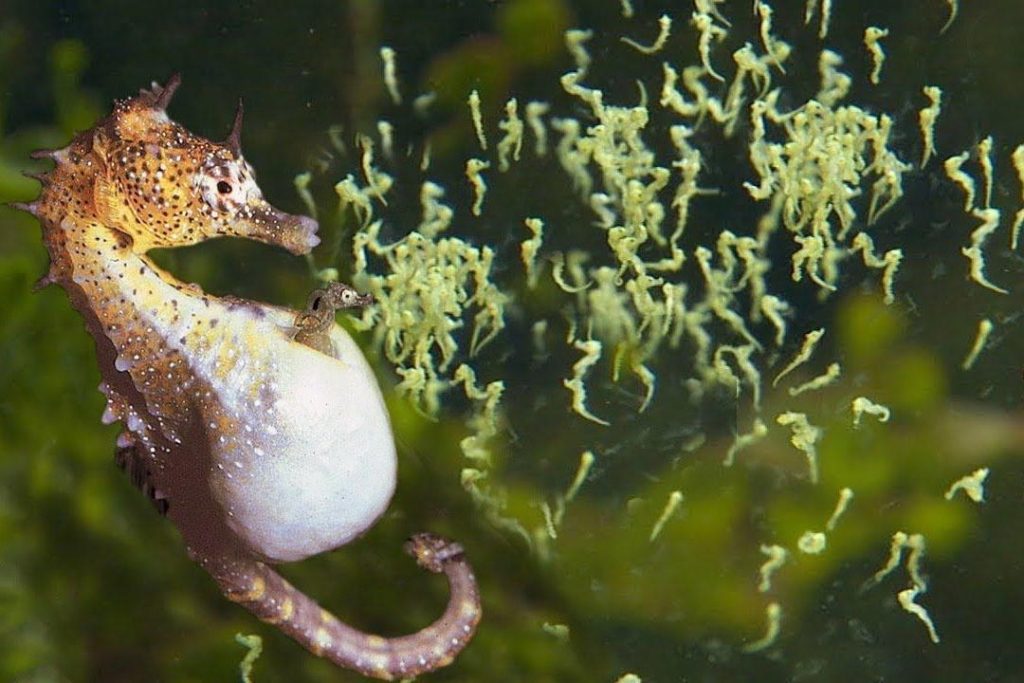
    One of the strangest parenting stories in nature belongs to seahorses. Unlike almost every other animal species, it is the father—not the mother—who becomes pregnant.

    After an elaborate courtship dance, the female deposits her eggs into a special pouch on the male’s abdomen. The father then fertilizes the eggs and carries them inside his brood pouch for several weeks.

    During this period, the male carefully regulates oxygen levels, salt concentration, and nutrients for the developing embryos. In many ways, the pouch functions similarly to a mammalian placenta.

    When the babies are fully developed, the father experiences powerful contractions and releases dozens or even hundreds of miniature seahorses into the ocean. Although most will not survive, the father’s unique role in reproduction remains one of nature’s most extraordinary examples of parental care.

    2. Giant Panda Mothers Raise Tiny Cubs

    Image 2

    Alt Text: Giant panda mother gently holding a newborn cub in a forest habitat.

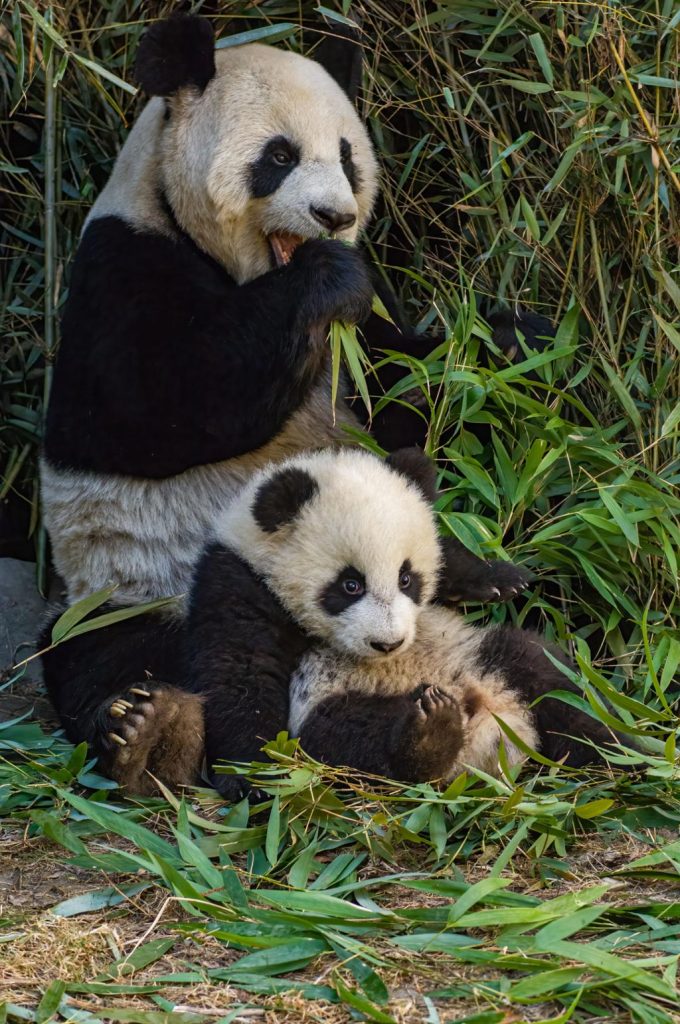
    Giant pandas give birth to some of the smallest newborns relative to their body size among mammals. A newborn panda may weigh only about 100 grams, while its mother can weigh more than 100 kilograms.

    This means the cub is roughly 1/900th of its mother’s weight. For comparison, a human baby is much larger relative to its mother.

    When a cub is born, it is pink, nearly hairless, blind, and completely helpless. The mother spends weeks holding, warming, and feeding the tiny newborn almost constantly.

    If twins are born, raising both can be extremely difficult in the wild. Conservation programs often assist panda mothers in caring for twin cubs to improve survival rates.

    The enormous size difference between mother and baby makes panda parenting one of nature’s most unusual family stories.

    3. Jacana Fathers Raise the Entire Family

    Image 3

    Alt Text: Male jacana bird walking across lily pads while guiding young chicks.

    In many bird species, mothers play the primary parenting role. Jacanas, however, turn this pattern upside down.

    These tropical birds live around wetlands and floating vegetation. Females are larger, more aggressive, and may mate with several males. After laying eggs, the female often leaves most parenting responsibilities to the father.

    The male incubates the eggs, protects the nest, and cares for the chicks after they hatch. He constantly watches for predators and helps guide the young through their wetland habitat.

    One of the most amazing behaviors occurs when danger approaches. The father may pick up tiny chicks beneath his wings and run across floating vegetation, carrying them to safety.

    This unusual reversal of traditional parental roles makes jacanas among the most fascinating bird parents in the world.

    4. Meerkats Teach Their Young How to Hunt

    Image 4

    Alt Text: Adult meerkat teaching a young pup how to handle prey in the desert.

    Many animals rely on instinct, but meerkats actively teach their offspring.

    Living in the deserts of southern Africa, meerkats face numerous challenges, including venomous scorpions and dangerous predators. Young pups must quickly learn survival skills.

    Adult meerkats gradually introduce hunting lessons. At first, they bring dead prey to the pups. Later, they provide injured prey that still moves but poses less danger. Eventually, young meerkats learn to capture and handle live prey independently.

    Researchers consider this one of the clearest examples of teaching behavior in non-human animals. Adults modify their actions specifically to help young individuals learn new skills.

    This educational approach helps ensure that meerkat pups become successful hunters as they mature.

    5. Koalas Carry Their Babies Everywhere

    Image 5

    Alt Text: Koala mother carrying a joey on her back while climbing a eucalyptus tree.

    Koalas spend most of their lives in eucalyptus trees, and raising a baby in such an environment presents unique challenges.

    A newborn koala, called a joey, is tiny and underdeveloped at birth. It immediately crawls into its mother’s pouch, where it continues developing for several months.

    After leaving the pouch, the joey rides on its mother’s back almost everywhere she goes. The mother carefully climbs trees while carrying her growing offspring.

    One particularly unusual aspect of koala parenting involves diet. To help the joey digest eucalyptus leaves, the mother provides a specialized substance containing beneficial microbes. These microbes help establish the digestive system needed for processing the toxic compounds found in eucalyptus.

    Without this assistance, young koalas would struggle to survive on their species’ specialized diet.

    6. Polar Bear Mothers Fast for Months

    Image 6

    Alt Text: Polar bear mother emerging from a snow den with two young cubs.

    Polar bears live in one of Earth’s harshest environments. Their parenting strategy is equally extreme.

    Pregnant females dig snow dens before winter arrives. Inside these insulated shelters, they give birth to tiny cubs during the coldest months of the year.

    Throughout this period, the mother rarely eats. Instead, she survives on fat reserves accumulated before entering the den. For several months, she nurses and protects her cubs while enduring prolonged fasting.

    When spring arrives, the mother emerges with her young and begins teaching them how to navigate the Arctic environment. The cubs stay with her for more than two years, learning essential survival skills.

    This remarkable sacrifice highlights the extraordinary commitment required to raise young in such a challenging habitat.

    7. Golden Lion Tamarins Share Parenting Duties

    Image 7

    Alt Text: Golden lion tamarin father carrying infant twins through a tropical forest.

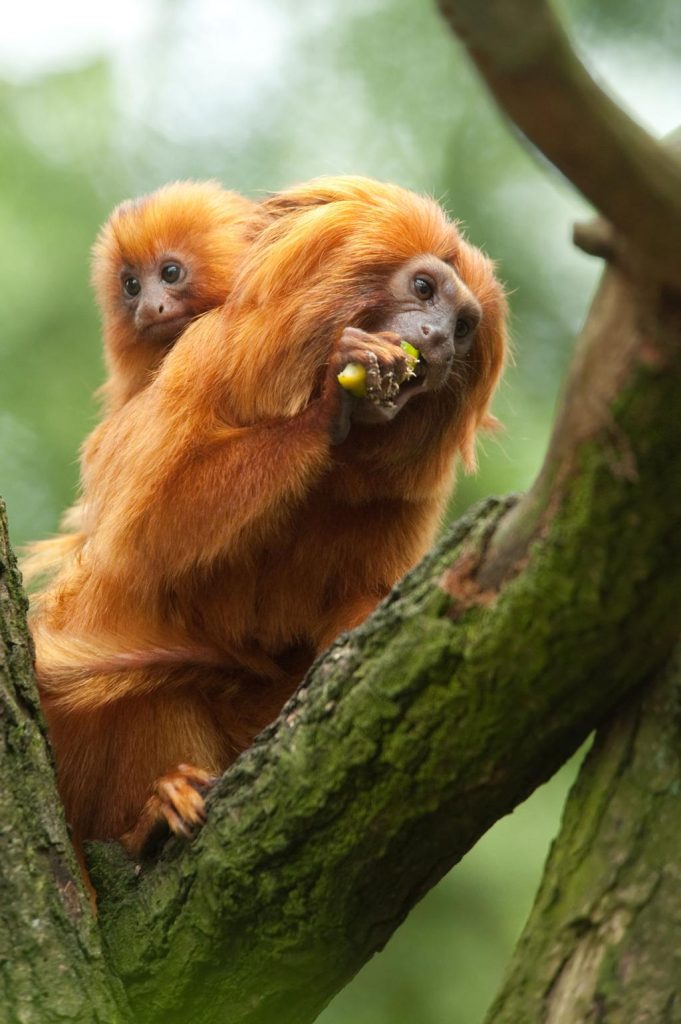
    Golden lion tamarins are small primates native to Brazil’s Atlantic Forest. Unlike many mammals, both parents play active roles in raising offspring.

    These monkeys often give birth to twins, creating a demanding workload for the family. To help the mother conserve energy, the father carries the infants for much of the day.

    The babies cling to his back while he moves through the forest searching for food. The father returns them to the mother primarily for nursing.

    Other family members may also assist with childcare. Older siblings frequently help transport and protect the infants, creating a cooperative parenting system.

    This teamwork increases the chances of survival and demonstrates how social cooperation can benefit young animals.

    Why Strange Parenting Behaviors Evolved

    Animal parenting strategies develop through evolution. Each behavior increases the likelihood that offspring will survive long enough to reproduce.

    In some species, fathers provide most of the care. In others, mothers invest enormous amounts of energy and resources. Some animals rely on teaching, while others depend on community support.

    Environmental conditions also shape parenting methods. Animals living in harsh climates often provide extended protection, while species facing high predation rates may emphasize vigilance and cooperation.

    Although these behaviors may seem unusual from a human perspective, each represents an effective solution to the challenges of raising young in a particular habitat.

    Conclusion

    Nature is full of extraordinary parenting stories. Male seahorses become pregnant, jacana fathers carry chicks beneath their wings, meerkats teach hunting lessons, and polar bear mothers endure months without food to protect their cubs.

    Pandas nurture tiny newborns, koalas provide specialized digestive assistance, and golden lion tamarins rely on teamwork to raise infants successfully.

    These remarkable examples remind us that parenting takes many forms throughout the natural world. Whether through sacrifice, cooperation, teaching, or protection, animals continue to reveal surprising and inspiring ways of caring for the next generation.

    Their stories not only deepen our understanding of wildlife but also highlight the incredible diversity of life on our planet.

  • 7 Remarkable Stories of Animals That Sacrifice Their Lives to Keep Their Young Alive

    7 Remarkable Stories of Animals That Sacrifice Their Lives to Keep Their Young Alive

    7 Remarkable Stories of Animals That Sacrifice Their Lives to Keep Their Young Alive

    Introduction

    Nature is often described as a fierce struggle for survival, where only the strongest endure. Yet beneath this harsh reality lies another powerful force: parental sacrifice. Across oceans, forests, deserts, and even tiny insect colonies, countless animals invest enormous energy—and sometimes their very lives—to ensure the survival of their offspring.

    For humans, the idea of a parent giving everything for a child feels deeply familiar. Surprisingly, similar behaviors appear throughout the animal kingdom. Some mothers stop eating while protecting their eggs. Others exhaust themselves during long migrations. In a few extraordinary cases, parents literally become food for their young.

    These stories remind us that survival is not always about individual success. Sometimes it is about ensuring that the next generation has a chance to live, even when the cost is everything.

    Here are seven of the most astonishing examples of animals sacrificing their lives, or risking death, to protect and nurture their young.


    1. The Octopus Mother Who Stops Living So Her Eggs Can Live

    Among the most dramatic examples of parental sacrifice in nature is the story of the female octopus.

    After mating, a mother octopus lays thousands of eggs inside a carefully chosen den. From that moment onward, her entire existence revolves around protecting them. She constantly cleans the eggs with her arms, removes parasites, and gently circulates water around them to provide oxygen.

    What makes this behavior so extraordinary is that she stops hunting and eating.

    For months, sometimes nearly a year depending on the species, the mother remains beside her eggs. She grows weaker and weaker as her body consumes its own reserves. During this time, she fiercely defends the nest against predators despite her deteriorating condition.

    When the eggs finally hatch, the exhausted mother has little strength left. In most octopus species, she dies shortly afterward.

    Scientists believe this self-destructive behavior is triggered by hormonal changes following reproduction. The mother’s final mission is singular: keep the eggs alive until they hatch.

    Her sacrifice ensures that thousands of tiny octopuses enter the world with the best possible chance of survival.


    2. Pacific Salmon: A Journey That Ends in Death

    Every year, one of nature’s greatest migrations unfolds in rivers across North America and Asia.

    Pacific salmon spend much of their lives in the ocean. When the time comes to reproduce, they embark on an incredible journey back to the freshwater streams where they were born.

    The trip is brutal.

    Salmon battle powerful currents, leap over waterfalls, avoid predators, and travel hundreds or even thousands of kilometers upstream. During this migration, many species stop feeding entirely. Their bodies gradually consume stored fat and muscle tissue.

    By the time they reach their spawning grounds, the fish are often physically transformed and severely weakened.

    After laying eggs or fertilizing them, most Pacific salmon die.

    At first glance, this seems like a tragic ending. However, their deaths play an important role in the ecosystem. Their decomposing bodies release nutrients into rivers and surrounding forests, enriching habitats that ultimately benefit the next generation of salmon.

    Their offspring hatch in waters made richer by the sacrifice of their parents.


    3. The Spider Mothers That Become Their Young’s First Meal

    Some spider species take parental sacrifice to an almost unimaginable level.

    In a behavior known as “matriphagy,” the mother literally allows her offspring to eat her.

    Before this happens, the mother spends weeks protecting her egg sac and caring for newly hatched spiderlings. She often regurgitates nutrient-rich food to feed them. Eventually, her body begins changing in preparation for the final stage of motherhood.

    When the young spiders are ready, they consume their mother.

    While this may sound horrifying from a human perspective, it provides the spiderlings with an enormous nutritional advantage during a critical stage of development. The nutrients contained within the mother’s body can dramatically improve the young spiders’ chances of survival.

    For these species, the ultimate act of parental care is complete self-sacrifice.

    The mother transforms her own body into a resource that helps her offspring thrive.


    4. Honey Bees: Defenders Willing to Die

    Not all sacrifices happen during reproduction. Some occur in moments of defense.

    Worker honey bees are female insects that spend their lives supporting the colony. Although they usually do not reproduce themselves, they help raise the queen’s offspring, which are genetically related to them.

    When a predator threatens the hive, worker bees rush to defend it.

    For honey bees, stinging a large mammal often results in death. Their barbed stingers become lodged in the attacker’s skin. As the bee pulls away, vital organs are damaged, leading to her death shortly afterward.

    Their bravery demonstrates that survival in nature is sometimes achieved through cooperation rather than individual preservation.

    Despite this fatal consequence, bees continue to defend the colony.

    From an evolutionary perspective, protecting thousands of developing larvae and the reproductive queen outweighs the loss of individual workers. By sacrificing themselves, the defenders help ensure the survival of the colony’s future generations.


    5. The Antechinus: Males That Reproduce Until They Die

    Australia is home to some of the world’s most unusual wildlife, and the antechinus is no exception.

    This small marsupial follows one of the most extreme reproductive strategies known among mammals.

    During a short breeding season, male antechinuses enter a period of nonstop competition for mating opportunities. For several weeks they devote nearly all their energy to reproduction. Many stop sleeping properly and experience dangerously high levels of stress hormones.

    Their immune systems begin to collapse.

    Internal bleeding, infections, and physical exhaustion become common. By the end of the breeding season, nearly all males die.

    Although the sacrifice comes from the fathers rather than the mothers, the biological outcome is the same: the males invest everything in producing the next generation.

    The species has evolved a strategy in which a single, intense reproductive effort is more advantageous than attempting to survive for another breeding season.

    Few mammals demonstrate such a complete commitment to reproduction.


    6. Parent Penguins Endure Deadly Conditions for Their Chicks

    The frozen landscapes of Antarctica are among the harshest environments on Earth. Yet several penguin species successfully raise young there every year.

    The task requires extraordinary dedication from both parents.

    After an egg is laid, one parent may remain with it while the other travels long distances to find food. During incubation, penguins endure freezing temperatures, violent winds, and extended periods without eating.

    For species such as emperor penguins, fasting can last for months.

    Parents huddle together to conserve heat and protect their eggs or chicks from deadly cold. Many lose a significant portion of their body weight during this period. Some do not survive severe weather events or food shortages.

    Despite these risks, penguin parents continue investing tremendous energy into raising their young.

    Their willingness to endure starvation and exposure demonstrates how powerful parental instincts can be, even in one of the planet’s most unforgiving environments.


    7. Mother Squids That Give Everything to Their Final Brood

    Like octopuses, many squid species reproduce only once during their lives.

    After mating and laying eggs, female squids often experience rapid physical decline. Their bodies divert resources away from growth and survival and toward reproduction.

    As they guard or remain near their developing eggs, they become increasingly weak.

    Many die shortly after the eggs hatch.

    Scientists refer to this pattern as semelparity—a reproductive strategy in which an organism invests all available resources into a single reproductive event.

    While risky, this approach can be highly successful in environments where producing one large brood offers the greatest chance of passing on genes.

    For mother squids, there is no second opportunity. Everything is devoted to ensuring the success of their final offspring.


    Why Does Nature Favor Such Extreme Sacrifice?

    At first glance, sacrificing one’s life for offspring may seem contradictory to the idea of survival. However, evolution is not focused on preserving individual animals forever. Instead, it favors traits that increase the likelihood of genes being passed to future generations.

    If a parent can significantly improve the survival chances of its offspring through sacrifice, natural selection may reward that behavior.

    This principle helps explain why such strategies have evolved independently in many different groups of animals, including insects, fish, spiders, mollusks, birds, and mammals.

    The exact form of sacrifice varies:

    • Some parents give up food.
    • Some endure extreme environmental conditions.
    • Some exhaust themselves during migration.
    • Some defend offspring against overwhelming threats.
    • A few even become food for their young.

    Although these behaviors appear very different, they share a common purpose: increasing the survival of the next generation.


    Conclusion

    The natural world is filled with remarkable examples of strength, endurance, and adaptation. Yet some of the most moving stories are not about survival itself but about sacrifice.

    From octopus mothers guarding eggs until starvation claims them, to salmon completing a final migration, to spider mothers literally nourishing their offspring with their own bodies, these animals demonstrate extraordinary dedication to the future of their species.

    Their stories challenge the common perception that nature is driven only by competition and self-interest. In reality, countless species survive because parents invest everything they have in their young.

    While humans and animals differ in many ways, these examples reveal a universal truth that spans the living world: the drive to protect the next generation can be one of nature’s most powerful forces.

    In the end, some of the greatest heroes in the animal kingdom are not the strongest predators or the fastest runners—they are the parents willing to give everything so their young can live.

  • Strange Stories About Animals During Reproduction: Nature’s Most Bizarre Parenting and Mating Mysteries

    Strange Stories About Animals During Reproduction: Nature’s Most Bizarre Parenting and Mating Mysteries

    Strange Stories About Animals During Reproduction: Nature’s Most Bizarre Parenting and Mating Mysteries

    Wildlife reproduction is one of nature’s most fascinating spectacles. While many animals follow familiar patterns of courtship, mating, and raising offspring, others have evolved behaviors so unusual that they seem almost unbelievable. From males that become pregnant to creatures that sacrifice themselves for their young, the animal kingdom is filled with astonishing reproductive stories that challenge our understanding of life.

    These strange reproductive strategies have evolved over millions of years, helping species survive in harsh environments, avoid predators, and ensure the continuation of their genetic legacy. Some involve elaborate dances and displays, while others require incredible physical transformations or acts of extreme devotion.

    In this article, we’ll explore some of the most remarkable and unusual reproductive stories in the natural world.


    Figure 1: Male Seahorse Carrying Developing Babies

    Image
    Image
    Image
    Image
    Image
    Image
    Image

    The Seahorse: The Male Gets Pregnant

    Among all known vertebrates, seahorses have one of the strangest reproductive systems. In a role reversal rarely seen in nature, the female deposits her eggs into a special brood pouch located on the male’s abdomen.

    The male then fertilizes the eggs internally and carries them for several weeks. During this time, the pouch functions much like a mammalian uterus, supplying oxygen, nutrients, and protection to the developing embryos.

    When the babies are ready, the male undergoes intense muscular contractions, releasing dozens or even hundreds of tiny seahorses into the surrounding water.

    This remarkable adaptation allows females to begin producing a new batch of eggs while the male incubates the current offspring, increasing reproductive efficiency.

    Caption: Male seahorses are among the few animals in the world where fathers become pregnant and give birth.


    Figure 2: Anglerfish Males Become Permanent Parasites

    Image
    Image
    Image
    Image
    Image
    Image

    The Anglerfish’s Permanent Marriage

    Deep within the ocean’s darkness lives one of nature’s strangest couples.

    Male anglerfish are tiny compared to females. Finding a mate in the vast deep sea is incredibly difficult, so evolution developed an unusual solution.

    When a male encounters a female, he bites her body and permanently attaches himself. Over time, his tissues fuse with hers. Eventually, the male loses many of his organs and becomes essentially a living sperm-producing appendage connected to the female’s bloodstream.

    Some females may carry multiple attached males simultaneously.

    This bizarre arrangement guarantees reproductive success whenever the female is ready to produce eggs.

    Caption: Male anglerfish permanently fuse to females, creating one of the strangest reproductive partnerships on Earth.


    Figure 3: Octopus Mothers Sacrifice Everything for Their Eggs

    Image
    Image
    Image
    Image
    Image
    Image

    The Ultimate Maternal Sacrifice

    Many octopus species display extraordinary dedication to their offspring.

    After laying thousands of eggs, a female octopus often spends months guarding them continuously. During this period, she cleans the eggs, protects them from predators, and circulates fresh water over them to provide oxygen.

    What makes this story extraordinary is that many mothers stop eating entirely during the incubation period.

    As their energy reserves diminish, they become increasingly weak. By the time the eggs hatch, the mother often dies from starvation and exhaustion.

    Scientists consider this one of the most dramatic examples of parental sacrifice in the animal kingdom.

    Caption: Octopus mothers may spend months protecting their eggs without eating, ultimately sacrificing their lives for their offspring.


    Figure 4: Bowerbirds Build Romantic Architecture

    Image
    Image
    Image
    Image
    Image
    Image
    Image

    Nature’s Master Interior Designers

    Not all reproductive stories involve physical sacrifice. Some involve remarkable creativity.

    Male bowerbirds of Australia and New Guinea build elaborate structures called bowers to attract females. These are not nests but decorative display arenas.

    Males spend weeks collecting colorful objects such as flowers, shells, berries, feathers, and even pieces of plastic. They carefully arrange these items according to color and size to create visually appealing displays.

    Some species even use perspective tricks that make their structures appear larger or more symmetrical.

    Females inspect multiple bowers before choosing a mate. The quality of the display often determines reproductive success.

    Caption: Male bowerbirds attract mates by constructing elaborate decorative structures filled with colorful objects.


    Figure 5: Red-Sided Garter Snakes Form Massive Mating Balls

    Image
    Image
    Image
    Image
    Image

    The Giant Snake Mating Swarms

    Each spring in parts of Canada, one of nature’s most unusual gatherings occurs.

    After emerging from winter dens, thousands of red-sided garter snakes congregate for mating. Numerous males surround a single female, creating what scientists call a “mating ball.”

    These writhing masses can contain dozens or even hundreds of snakes twisting around one another.

    The competition among males is intense, and females often move slowly under the weight of the crowd surrounding them.

    This extraordinary reproductive event attracts wildlife enthusiasts and researchers from around the world.

    Caption: Massive mating balls form when hundreds of male garter snakes compete for a single female.


    Figure 6: Emperor Penguins Share Parenting Duties

    Image
    Image
    Image
    Image
    Image
    Image

    Fathers That Endure the Antarctic Winter

    The reproductive strategy of emperor penguins is one of the harshest in nature.

    After laying a single egg, the female transfers it carefully to the male. She then journeys to the ocean to feed while the father remains behind.

    For approximately two months, the male balances the egg on top of his feet beneath a warm brood pouch.

    During this time, temperatures may drop below -40°C (-40°F), and winds can exceed 150 kilometers per hour.

    The fathers survive by huddling together for warmth and fasting until the females return.

    This cooperative parenting strategy allows the species to breed successfully in one of Earth’s most extreme environments.

    Caption: Male emperor penguins incubate eggs throughout the brutal Antarctic winter while females hunt at sea.


    Figure 7: Surinam Toad Babies Grow Inside Their Mother’s Back

    Image
    Image
    Image
    Image
    Image

    A Living Nursery on the Mother’s Skin

    The Surinam toad possesses one of the strangest reproductive methods among amphibians.

    During mating, the male presses fertilized eggs onto the female’s back. Her skin then grows around each egg, creating individual pockets where embryos develop safely.

    Weeks later, fully formed young toads emerge directly from the mother’s back.

    This unusual adaptation provides protection from predators and environmental hazards during development.

    For many observers, it is among the most astonishing reproductive phenomena found in nature.

    Caption: Young Surinam toads develop within specialized pockets embedded in their mother’s skin.


    Why Do Animals Evolve Such Strange Reproductive Behaviors?

    Although these reproductive strategies may appear bizarre, each evolved because it increased survival and reproductive success.

    Natural selection rewards behaviors that help animals:

    • Protect offspring from predators.
    • Increase mating opportunities.
    • Improve survival in harsh environments.
    • Ensure fertilization occurs successfully.
    • Reduce competition among young.

    Over millions of years, these pressures have produced an incredible variety of solutions, from male pregnancy in seahorses to permanent mating partnerships in anglerfish.


    Conclusion

    The animal kingdom continually reminds us that there is no single path to reproductive success. Nature has experimented with countless strategies, resulting in some truly extraordinary behaviors.

    Whether it’s a pregnant father, a self-sacrificing octopus mother, a snake mating ball, or a toad that grows babies in its back, each story demonstrates the remarkable creativity of evolution.

    These strange reproductive adaptations highlight the diversity of life on Earth and reveal how far species will go to ensure the next generation survives. As scientists continue studying wildlife around the globe, new discoveries will undoubtedly uncover even more astonishing reproductive mysteries waiting to be told.