Strange Stories About Animals During Reproduction: Nature’s Most Bizarre Parenting and Mating Mysteries
Wildlife reproduction is one of nature’s most fascinating spectacles. While many animals follow familiar patterns of courtship, mating, and raising offspring, others have evolved behaviors so unusual that they seem almost unbelievable. From males that become pregnant to creatures that sacrifice themselves for their young, the animal kingdom is filled with astonishing reproductive stories that challenge our understanding of life.
These strange reproductive strategies have evolved over millions of years, helping species survive in harsh environments, avoid predators, and ensure the continuation of their genetic legacy. Some involve elaborate dances and displays, while others require incredible physical transformations or acts of extreme devotion.
In this article, we’ll explore some of the most remarkable and unusual reproductive stories in the natural world.
Figure 1: Male Seahorse Carrying Developing Babies


The Seahorse: The Male Gets Pregnant
Among all known vertebrates, seahorses have one of the strangest reproductive systems. In a role reversal rarely seen in nature, the female deposits her eggs into a special brood pouch located on the male’s abdomen.
The male then fertilizes the eggs internally and carries them for several weeks. During this time, the pouch functions much like a mammalian uterus, supplying oxygen, nutrients, and protection to the developing embryos.
When the babies are ready, the male undergoes intense muscular contractions, releasing dozens or even hundreds of tiny seahorses into the surrounding water.
This remarkable adaptation allows females to begin producing a new batch of eggs while the male incubates the current offspring, increasing reproductive efficiency.
Caption: Male seahorses are among the few animals in the world where fathers become pregnant and give birth.
Figure 2: Anglerfish Males Become Permanent Parasites


The Anglerfish’s Permanent Marriage
Deep within the ocean’s darkness lives one of nature’s strangest couples.
Male anglerfish are tiny compared to females. Finding a mate in the vast deep sea is incredibly difficult, so evolution developed an unusual solution.
When a male encounters a female, he bites her body and permanently attaches himself. Over time, his tissues fuse with hers. Eventually, the male loses many of his organs and becomes essentially a living sperm-producing appendage connected to the female’s bloodstream.
Some females may carry multiple attached males simultaneously.
This bizarre arrangement guarantees reproductive success whenever the female is ready to produce eggs.
Caption: Male anglerfish permanently fuse to females, creating one of the strangest reproductive partnerships on Earth.
Figure 3: Octopus Mothers Sacrifice Everything for Their Eggs


The Ultimate Maternal Sacrifice
Many octopus species display extraordinary dedication to their offspring.
After laying thousands of eggs, a female octopus often spends months guarding them continuously. During this period, she cleans the eggs, protects them from predators, and circulates fresh water over them to provide oxygen.
What makes this story extraordinary is that many mothers stop eating entirely during the incubation period.
As their energy reserves diminish, they become increasingly weak. By the time the eggs hatch, the mother often dies from starvation and exhaustion.
Scientists consider this one of the most dramatic examples of parental sacrifice in the animal kingdom.
Caption: Octopus mothers may spend months protecting their eggs without eating, ultimately sacrificing their lives for their offspring.
Figure 4: Bowerbirds Build Romantic Architecture


Nature’s Master Interior Designers
Not all reproductive stories involve physical sacrifice. Some involve remarkable creativity.
Male bowerbirds of Australia and New Guinea build elaborate structures called bowers to attract females. These are not nests but decorative display arenas.
Males spend weeks collecting colorful objects such as flowers, shells, berries, feathers, and even pieces of plastic. They carefully arrange these items according to color and size to create visually appealing displays.
Some species even use perspective tricks that make their structures appear larger or more symmetrical.
Females inspect multiple bowers before choosing a mate. The quality of the display often determines reproductive success.
Caption: Male bowerbirds attract mates by constructing elaborate decorative structures filled with colorful objects.
Figure 5: Red-Sided Garter Snakes Form Massive Mating Balls


The Giant Snake Mating Swarms
Each spring in parts of Canada, one of nature’s most unusual gatherings occurs.
After emerging from winter dens, thousands of red-sided garter snakes congregate for mating. Numerous males surround a single female, creating what scientists call a “mating ball.”
These writhing masses can contain dozens or even hundreds of snakes twisting around one another.
The competition among males is intense, and females often move slowly under the weight of the crowd surrounding them.
This extraordinary reproductive event attracts wildlife enthusiasts and researchers from around the world.
Caption: Massive mating balls form when hundreds of male garter snakes compete for a single female.
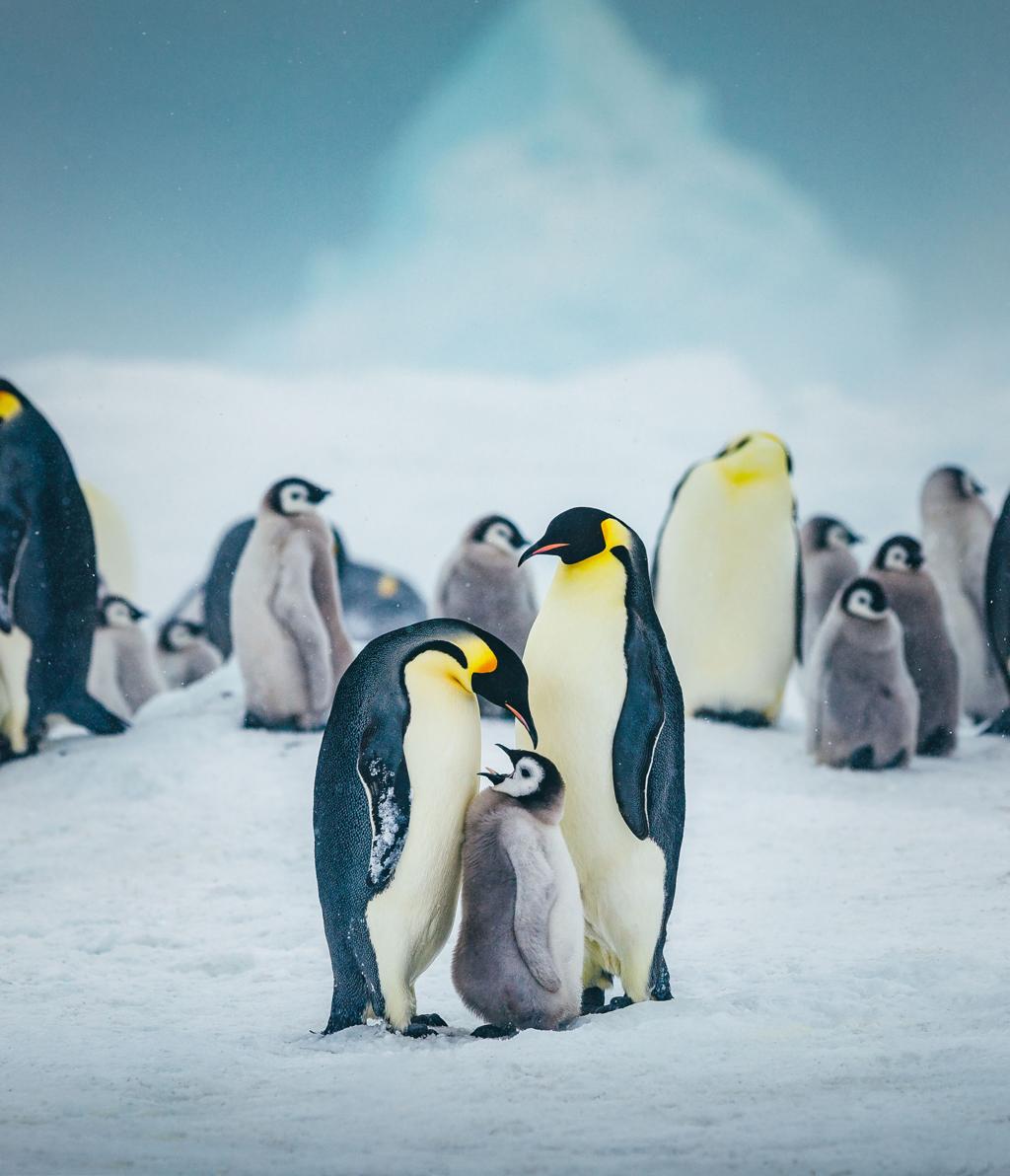
Figure 6: Emperor Penguins Share Parenting Duties


Fathers That Endure the Antarctic Winter
The reproductive strategy of emperor penguins is one of the harshest in nature.
After laying a single egg, the female transfers it carefully to the male. She then journeys to the ocean to feed while the father remains behind.
For approximately two months, the male balances the egg on top of his feet beneath a warm brood pouch.
During this time, temperatures may drop below -40°C (-40°F), and winds can exceed 150 kilometers per hour.
The fathers survive by huddling together for warmth and fasting until the females return.
This cooperative parenting strategy allows the species to breed successfully in one of Earth’s most extreme environments.
Caption: Male emperor penguins incubate eggs throughout the brutal Antarctic winter while females hunt at sea.
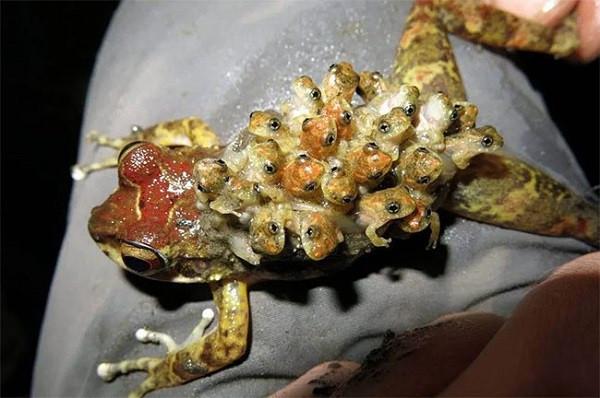
Figure 7: Surinam Toad Babies Grow Inside Their Mother’s Back


A Living Nursery on the Mother’s Skin
The Surinam toad possesses one of the strangest reproductive methods among amphibians.
During mating, the male presses fertilized eggs onto the female’s back. Her skin then grows around each egg, creating individual pockets where embryos develop safely.
Weeks later, fully formed young toads emerge directly from the mother’s back.
This unusual adaptation provides protection from predators and environmental hazards during development.
For many observers, it is among the most astonishing reproductive phenomena found in nature.
Caption: Young Surinam toads develop within specialized pockets embedded in their mother’s skin.
Why Do Animals Evolve Such Strange Reproductive Behaviors?
Although these reproductive strategies may appear bizarre, each evolved because it increased survival and reproductive success.
Natural selection rewards behaviors that help animals:
- Protect offspring from predators.
- Increase mating opportunities.
- Improve survival in harsh environments.
- Ensure fertilization occurs successfully.
- Reduce competition among young.
Over millions of years, these pressures have produced an incredible variety of solutions, from male pregnancy in seahorses to permanent mating partnerships in anglerfish.
Conclusion
The animal kingdom continually reminds us that there is no single path to reproductive success. Nature has experimented with countless strategies, resulting in some truly extraordinary behaviors.
Whether it’s a pregnant father, a self-sacrificing octopus mother, a snake mating ball, or a toad that grows babies in its back, each story demonstrates the remarkable creativity of evolution.
These strange reproductive adaptations highlight the diversity of life on Earth and reveal how far species will go to ensure the next generation survives. As scientists continue studying wildlife around the globe, new discoveries will undoubtedly uncover even more astonishing reproductive mysteries waiting to be told.